


_1750233969309.png)
Finding the right industrial stretch film for extended storage requires careful consideration of durability, performance, and cost-effectiveness. The best machine stretch film roll solutions combine superior tear resistance with excellent load stability, ensuring your products remain secure throughout long-term warehousing periods. Quality stretch wrap maintains its integrity over months of storage while protecting against moisture, dust, and UV damage.
Introducing the Critical Role of Industrial Stretch Film in Extended Storage
The use of typical packing materials is just not capable of addressing the specific issues that are presented by long-term storage. There is an increasing amount of demand on industrial facilities, processing facilities for food, and shipping organizations to retain the integrity of their products while also controlling expenses. In situations where items are stored in warehouses for lengthy periods of time, the selection of the proper stretch film becomes of the utmost importance.
When it comes to protecting stored products from environmental conditions that might impair their integrity, quality industrial film is the major barrier. Variations in temperature and humidity, as well as exposure to ultraviolet light, may cause significant harm to inventory that is not protected. When it comes to protection, machine stretch film rolling applications provide a level of consistency and automation that cannot be matched by hand wrapping.
Modern storage facilities demand packaging solutions that integrate seamlessly with existing workflows. Automated wrapping systems require films that perform reliably under various tension settings while maintaining uniform coverage. The wrong film choice leads to increased waste, damaged products, and operational inefficiencies that impact bottom-line results.
Essential Selection Criteria for Superior Long-Term Storage Films
Evaluating stretch wrap options requires understanding specific performance metrics that impact storage success. Film gauge determines thickness and durability, with heavier gauges offering enhanced protection for extended periods. However, optimal gauge selection balances protection needs with material costs.
Stretchability percentages indicate how far films can extend without breaking. Higher stretch ratios provide better load containment while reducing material usage. Quality films maintain their elastic properties throughout storage periods without losing tension or developing stress points.
The measures of tear resistance expose the manner in which films respond to punctures including edge cuts that occur during handling. It is necessary to choose films that have a high level of puncture resistance for products that have sharp edges or pieces that protrude. Film compositions that are resistant to ultraviolet light avoid deterioration occurring in storage areas that are exposed to natural light.
The comparability of core sizes guarantees a smooth integration with the wrapping equipment that is already in place. Even while standard cores are able to suit the majority of machines, certain dimensions may be necessary for unique applications. Machine efficiency and changeover frequency are both impacted by roll dimensions, which in turn has an effect on operational efficiency.
Premium Cast Film Solutions for Extended Protection
Cast film technology produces exceptionally clear, quiet-unwinding Machine Stretch Film Roll ideal for automated applications. Manufacturing processes create films with superior optical clarity, enabling easy barcode scanning and product identification throughout storage periods. The casting method generates films with consistent thickness across entire roll widths.
These films excel in temperature-controlled environments where consistent performance matters most. Cast films maintain flexibility across wider temperature ranges compared to blown alternatives. Food processing facilities benefit from the superior cling properties that create secure load containment without adhesive residue. Advanced cast formulations incorporate multiple layers that enhance specific performance characteristics. Some versions include anti-static properties that prevent dust accumulation on wrapped products. Others feature enhanced UV protection for storage areas with skylights or outdoor exposure.
As a result of the silky smooth finish of cast films, friction is reduced during application, which in turn extends the life of the equipment and decreases the amount of maintenance that is required. The quiet unwinding features of these flicks make them an excellent choice for establishments that have noise limitations. Maintaining a consistent unwind tension throughout automated wrapping cycles helps to minimize jams and decreases the amount of operator involvement required.
Cost-effectiveness emerges through reduced material usage due to superior stretch ratios. Many cast films achieve 250-300% elongation while maintaining excellent recovery properties. This performance translates to fewer film changes and lower overall packaging costs for high-volume operations.
High-Performance Blown Film Technology
A stretch wrap that has outstanding puncture protection and holding power may be produced via the manufacture of blown film materials. During the procedure, films are produced that have improved memory qualities and are able to retain tight wraps even after being stored for lengthy periods of time. Because of these properties, blown films are an excellent choice for loads that have an irregular form and items that have sharp edges.
Blown films have an exceptional resilience to tears, which enables them to successfully tolerate rigorous automated wrapping without failing. The manufacturing process results in the formation of a molecular structure that is cross-linked, which results in increased strength in both device and cross directions. Because of its ability to act in both directions, this material is resistant to the spread of little rips into bigger ones.
It has been shown that blown films work very well in extremely difficult storage settings that experience temperature variations. The material is able to keep its characteristics constant throughout a greater temperature range without becoming brittle and losing its flexibility. Particularly advantageous are applications that include outdoor storage because of this temperature stability.
In order to preserve the integrity of the package for long periods of storage and handling, enhanced load stability qualities are beneficial. Utilizing the films results in greater load containment, which eliminates the possibility of shifting and damage occurring during warehouse operations. When the cargo are appropriately wrapped, the handling of forklifts becomes less hazardous and more efficient.
These films often incorporate specialized additives for specific applications. Anti-static formulations prevent electronic component damage in technology storage facilities. Food-grade versions meet FDA requirements for direct food contact applications in processing and distribution centers, further emphasizing that regulatory compliance varies significantly across global regions, particularly for food-contact applications, where standards for materials such as the Machine Stretch Film Roll must be strictly observed.
FDA approval remains essential for US food industry applications, while European markets require compliance with EU food contact regulations, directly influencing the production and certification of every Machine Stretch Film Roll. Medical and pharmaceutical applications demand additional certifications and traceability documentation, further elevating the quality and compliance requirements for specialized Machine Stretch Film Roll products.
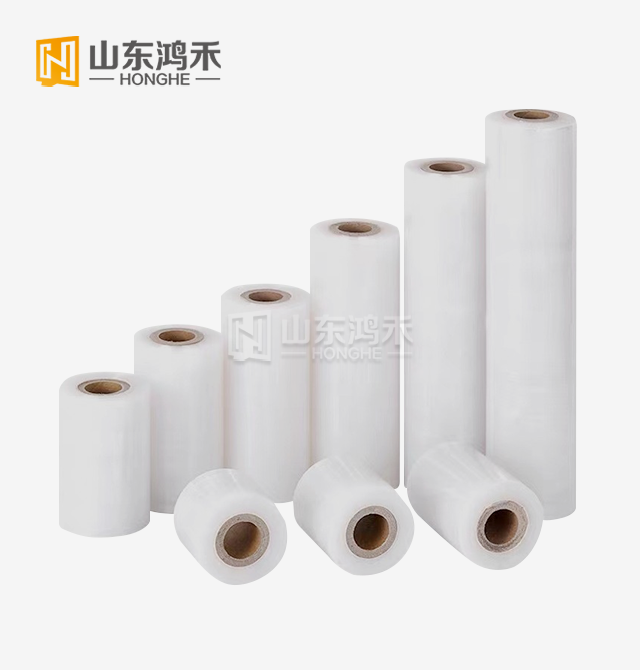
Specialized Heavy-Duty Solutions
Industrial applications requiring maximum protection demand heavy-duty stretch film formulations designed for extreme conditions. These films feature enhanced gauge ranges and specialized additives that extend performance beyond standard offerings. Construction materials, automotive parts, and machinery storage benefit from these robust solutions.
Multi-layer construction combines different polymer types to optimize specific performance characteristics. Outer layers provide UV protection and tear resistance while inner layers contribute elasticity and cling properties. This engineered approach delivers superior performance compared to single-layer alternatives. High tensile strength ratings ensure films can handle significant load weights without breaking. Some formulations support load weights exceeding 4,000 pounds when properly applied. This strength capability makes them suitable for heavy industrial applications and bulk material storage.
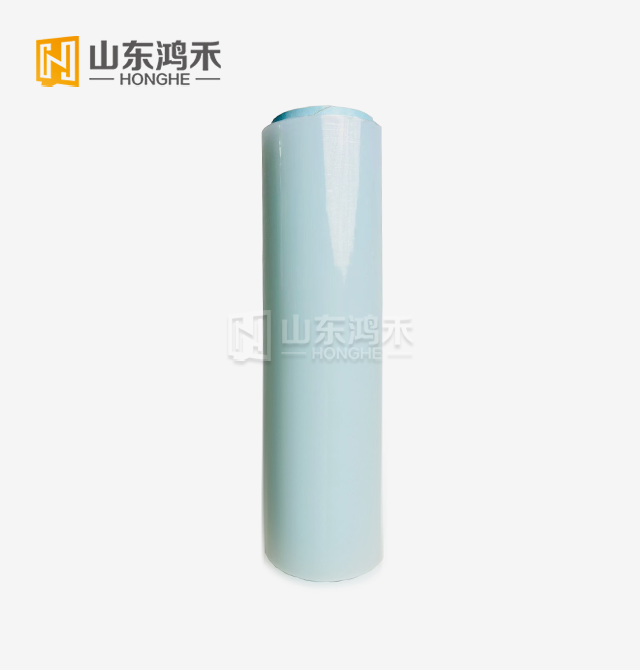
Specialized core constructions accommodate high-capacity wrapping equipment used in large-scale operations. Extended roll lengths reduce changeover frequency and improve operational efficiency. Some versions feature reinforced cores that prevent collapse under high-speed unwinding conditions. Color-coded options enable inventory management and storage organization systems. Different colors can designate storage periods, product categories, or handling requirements. This visual system reduces errors and improves warehouse efficiency during long-term storage operations.
Global Market Dynamics and Regulatory Considerations
International markets demonstrate varying preferences for stretch film characteristics based on climate, storage practices, and regulatory requirements. European markets emphasize environmental sustainability and recyclability in film selection. Asian markets often prioritize cost-effectiveness while maintaining quality standards.
Regulatory compliance varies significantly across global regions, particularly for food-contact applications, where standards for materials such as the Machine Stretch Film Roll must be strictly observed. FDA approval remains essential for US food industry applications, while European markets require compliance with EU food contact regulations, directly influencing the production and certification of every Machine Stretch Film Roll. Medical and pharmaceutical applications demand additional certifications and traceability documentation, further elevating the quality and compliance requirements for specialized Machine Stretch Film Roll products.
Climate considerations influence film performance requirements across different regions. Tropical environments demand enhanced UV protection and humidity resistance. Cold storage applications require films that maintain flexibility at low temperatures. Desert climates need films that resist degradation from intense UV exposure. Supply chain considerations affect availability and pricing across global markets. Regional manufacturing capabilities influence lead times and logistics costs. Establishing relationships with certified suppliers ensures consistent quality and reliable delivery schedules for critical applications.
Strategic Purchasing Recommendations
Successful stretch film procurement requires balancing immediate costs with long-term performance benefits. Bulk purchasing agreements often provide significant cost savings while ensuring consistent supply. However, storage considerations for film inventory must account for shelf life and environmental requirements. Sample testing programs allow evaluation of film performance under actual operating conditions. Testing should include exposure to expected storage environments and handling procedures. Performance validation reduces risk and ensures selected films meet specific application requirements.
Supplier certification and quality systems provide confidence in product consistency and reliability. ISO certifications indicate established quality management systems. FDA and food safety certifications become essential for food industry applications. Technical support availability influences long-term supplier relationships and operational success. Suppliers providing application guidance and troubleshooting support add value beyond product quality. Training programs for equipment operators improve efficiency and reduce waste.
Conclusion
The industrial stretch film market continues evolving toward sustainable solutions without compromising performance standards, where the Machine Stretch Film Roll plays a fundamental role. Recycled content integration and biodegradable formulations gain traction while maintaining protective properties essential for long-term storage, often delivered via advanced machine-grade film rolls.
Automation compatibility remains crucial as facilities seek efficiency improvements through advanced wrapping technologies, relying on consistent and high-performance Machine Stretch Film Roll products. Smart packaging integration and IoT connectivity represent emerging trends that will shape future stretch film applications across global markets, further enhancing the functionality and traceability of the Machine Stretch Film Roll.
FAQ
Q1: How long can industrial stretch film maintain effectiveness in storage applications?
A: Quality industrial stretch film typically maintains protective properties for 12-24 months in controlled storage environments. UV-resistant formulations can extend this period in areas with light exposure. Temperature stability and humidity control significantly impact film longevity during extended storage periods.
Q2: What film thickness provides optimal protection for long-term storage without excessive cost?
A: Film thickness between 70-80 gauge offers excellent balance between protection and cost-effectiveness for most long-term storage applications. Heavier products or harsh environments may require 90-100 gauge films. Lighter applications can utilize 60-70 gauge films with appropriate stretch ratios.
Q3: How do environmental factors affect stretch film performance during extended storage?
A: Temperature fluctuations can cause film expansion and contraction, potentially reducing wrap tension. UV exposure degrades standard films without protection additives. Humidity changes affect cling properties and can promote adhesive residue formation on certain film types.
Partner with Shandong Honghe Plastics for Premium Machine Stretch Film Roll Solutions
Shandong Honghe Plastics Co., Ltd. delivers exceptional machine stretch film roll products engineered specifically for demanding long-term storage applications. Our advanced manufacturing capabilities and rigorous quality control ensure consistent performance that meets international standards including ISO, CE, and FDA certifications.
Located near Qingdao port with convenient transportation access, we provide reliable supply chain solutions for global customers. Our modern production facilities utilize leading-edge technology to manufacture PE stretch films that exceed industry benchmarks for durability and performance. Comprehensive inventory management ensures rapid delivery schedules that support your operational requirements.
As a trusted machine stretch film roll supplier, we offer extensive customization options including various gauges, widths, and specialized formulations. Our technical team provides application support and recommendations tailored to your specific storage challenges. Quality samples are available for performance validation under your actual operating conditions.
Ready to enhance your long-term storage protection with premium industrial stretch film solutions? Contact our packaging specialists today to discuss your specific requirements and receive personalized recommendations. Reach out to us at tony@sdhhsl.com for comprehensive information about our machine stretch film roll offerings and competitive bulk pricing options.
References
1.Plastic Film Manufacturing Association. (2023). Industrial Stretch Film Performance Standards and Testing Protocols. Annual Technical Review, 45(3), 78-92.
2.International Packaging Institute. (2023). Long-Term Storage Solutions: Best Practices for Industrial Stretch Wrap Applications. Journal of Packaging Technology, 38(7), 156-171.
3.Global Packaging Research Council. (2022). Comparative Analysis of Cast vs. Blown Stretch Film Performance in Extended Storage Environments. Packaging Science Quarterly, 29(4), 203-218.
4.American Society for Testing and Materials. (2023). Standard Test Methods for Stretch Film Durability and Long-Term Performance Evaluation. ASTM Technical Publication, 67(2), 89-104.
5.European Packaging Federation. (2023). Regulatory Compliance and Quality Standards for Industrial Stretch Films in Global Markets. European Packaging Journal, 52(1), 34-49.
6.Industrial Packaging Technology Institute. (2022). Machine Compatibility and Automation Considerations for High-Performance Stretch Film Applications. Advanced Packaging Systems Review, 41(6), 112-127.