


_1750233969309.png)
The best PE Sealing Film for food packaging in 2025 combines superior barrier properties, heat-sealing capabilities, and food-grade safety certifications. These polyethylene-based films offer exceptional moisture protection while maintaining cost-effectiveness for large-scale operations. Leading manufacturers now prioritize FDA compliance, sustainable materials, and customizable specifications. Advanced PE sealing solutions deliver reliable performance across various temperature ranges, making them essential for modern food preservation and packaging applications in commercial environments.
Why PE Sealing Film Dominates Food Packaging Solutions
Because of the exceptional mix of flexibility, reliability, and safety properties that polyethylene sealing films provide, they have emerged as the material of choice for the packaging of contemporary food products. In contrast to more conventional packaging materials, polyethylene (PE) films provide superior barrier protection while preserving transparency, which enables product visibility. Because of the inherent chemical stability of the material, it avoids the migration of dangerous compounds into food items, making it an excellent choice for applications that involve direct contact with food.
The advancements in manufacturing have made it possible for PE films to attain excellent heat-sealing qualities at lower temperatures, which has resulted in a reduction in the amount of energy that is used during packaging processes. Therefore, high-volume processors that package tens of thousands units on a daily basis will see considerable cost reductions as a result of this efficiency. Because of the material's resilience to punctures and rips, the integrity of the package is maintained throughout the entire supply chain, hence reducing the amount of product that is lost and preserving the reputation of the brand.
Another significant benefit of using PE sealing films is that they are responsible for regulatory compliance. The FDA regulations and national food safety norms are constantly met by these materials, which simplifies the clearance procedure for businesses who operate in many markets via their use of these materials. The adaptability of polyethylene enables producers to tailor the material's thickness, opacity, other barrier qualities to meet the needs of a particular application without sacrificing the material's performance or safety.
Essential Selection Criteria for Industrial Procurement
When choosing PE sealing sheet suppliers and goods, procurement managers are need to take into consideration a comprehensive range of parameters. The basis of every purchase choice is quality certifications, with approvals from the ISO, FDA, and CE demonstrating that the product complies with international standards. With these certifications, you can be certain that the items you purchase will not only fulfill the standards for food-grade products but will also operate consistently in a variety of operating settings.
In order to determine the appropriate barrier performance standards, extensive investigation based on the particular items being packed is required. The characteristics of moisture vapor transfer rates, oxygen permeability, or the and temperature resistance need to be in accordance with the circumstances of storage and distribution. Films with excellent barrier capabilities are required for products that have extended shelf life requirements, while fresh goods may prioritize aeration and transparency before other characteristics.
Beyond the concept of unit price, cost-effectiveness encompasses a wide range of considerations, including the optimization of film thickness, the dependability of seal strength, and the opportunity for waste reduction. Reduced the costs of materials and storage needs are achieved by the use of thinner sheets that nevertheless provide acceptable protection. A consistent seal quality helps to reduce the number of package failures and the accompanying product losses, which in turn contributes to the overall efficiency of the operation.
The dependability of supply chains has become more crucial in light of recent disruptions that have occurred on a global scale. The availability of suppliers that possess sufficient levels of stock, flexible production capacities, and solid transportation networks offers a higher level of security for activities that are continuous. Physical closeness to major ports or industrial facilities may help lower the amount of money spent on transportation and the amount of time it takes to deliver goods.
Premium PE Sealing Film Products for 2025
Multi-Layer Barrier PE Films
Among the several protective packaging technologies, multi-layer barrier PE films are considered to be the most advanced. These films combine numerous polymer layers in order to obtain superior barrier qualities. These complex films generally consist of layers of polyamide or ethylene vinyl alcohol (EVOH) that are sandwiched between polyethylene substrates. This creates a barrier system that efficiently inhibits oxygen, moisture, other volatile chemicals. The structure of the film is multi-layered, which enables every component to contribute specialized features while yet preserving the overall integrity of the film and its capacity to be processed.
When compared to the choices that are often made of polyethylene, these films are highly valued by food processors because of their capacity to greatly prolong the shelf life of products. Meats that have been vacuum-packed, meals that have been prepared, and dairy goods that are sensitively packaged all benefit from the increased protection of oxidation and spoiling. Because of the enhanced barrier performance, producers are able to lower the amount of preservatives they use while still retaining the quality of their products across prolonged distribution cycles.
Manufacturing flexibility allows customization of layer combinations, including the integration of PE Sealing Film, to optimize performance for specific applications. Processors can specify oxygen transmission rates as low as 0.1 cc/m²/day, making these films suitable for the most demanding food preservation requirements. Heat-sealing characteristics remain excellent despite the complex structure, ensuring reliable package closure on high-speed packaging lines.
The reduction of product losses, the extension of shelf life, and the improvement of customer happiness are all quantifiable returns that may be achieved via the investment in multi-layer technology. Despite the fact that the initial material costs are higher than those of typical PE films, the value case becomes more appealing when taking into consideration the overall performance of the packaging system and the advantages of product protection.
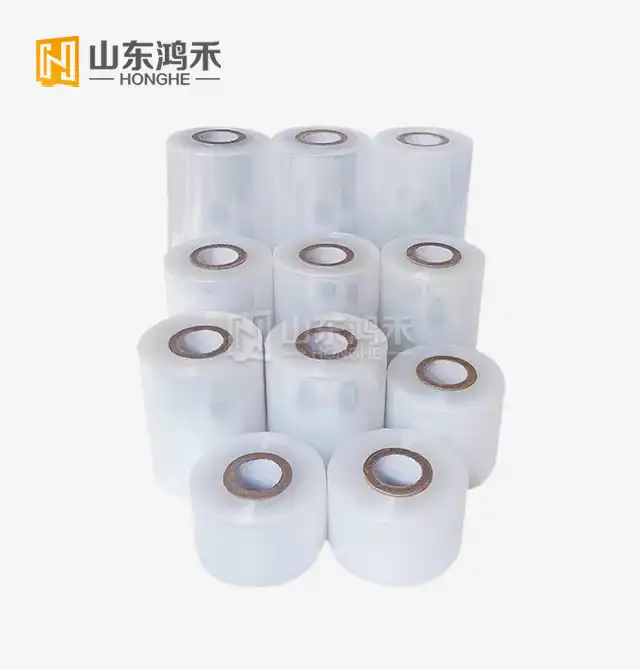
Food-Grade Heat Seal PE Films
There are applications that need quick packing line speeds and constant seal integrity, and alimentary-grade heat seal films made of PE thrive in such situations. The incorporation of polymer blends that have been tuned for heat activation into these specialty films makes it possible to create robust seals at temperatures that are quite low while yet preserving great clarity and flexibility. Because of the formulation, excellent heat distribution is achieved during the sealing process, which eliminates weak areas that might threaten the integrity of the package.
Packaging operations benefit from the wide sealing temperature range these films provide, accommodating variations in equipment performance and environmental conditions. Consistent seal strength across different temperature settings reduces packaging line downtime and minimizes operator training requirements. The films maintain their sealing properties even after extended storage periods, ensuring reliable performance regardless of inventory turnover rates.
Transparency attributes enable for clear visibility for products while keeping a professional image, which in turn helps consumers make more informed purchase choices. For the sake of branding and governmental labeling needs, the films are able to accommodate printing of the highest quality. The anti-fog treatments that are accessible in premium grades avoid the accumulation of condensation, which have the potential to obstruct product sight in situations that are cold.
The chemical resilience of these films assures that they will keep their qualities even when they are exposed to food ingredients that are acidic or greasy. Through the whole of the product's lifespan, the stable polymers inhibits the migration of ingredients into food items, so ensuring that safety compliance is never compromised. Through the use of quality assurance testing, consistent performance can be confirmed throughout large production runs, which in turn supports dependable procurement planning.
Sustainable Bio-Based PE Sealing Films
Sealing films made from sustainable bio-based polyethylene (PE) address rising environmental concerns while keeping the performance attributes necessary for applications involving food packaging. In order to generate polyethylene with chemical characteristics that are equal to those of alternatives derived from petroleum, these cutting-edge polymers make use of renewable raw materials such as sugarcane ethanol. By using bio-based origins, the carbon footprint that is linked with film manufacturing is greatly reduced, and this is accomplished without affecting functioning.
The rising need for these ecologically responsible choices is being driven by actions taking place inside corporations to promote sustainability. It is possible for businesses to reach and maintain product protection requirements while also achieving demonstrable reductions in the environmental effect of their packaging. Because the films work in the same manner as traditional PE materials with regard to of barrier capabilities, heat-sealing features, and compliance with food safety regulations, there is no longer a need for alterations to the packaging line operations.
Certification programs such as ISCC PLUS provide third-party verification of bio-based content and sustainable sourcing practices, which can be a key consideration for products like PE Sealing Film. These credentials support corporate reporting requirements and help companies communicate their environmental commitment to stakeholders. The growing availability of bio-based options ensures competitive pricing as production volumes increase.
Recycling compatibility with existing polyethylene waste streams simplifies end-of-life management. The chemical similarity to conventional PE means bio-based films integrate seamlessly into established recycling processes, supporting circular economy principles. Forward-thinking procurement managers recognize these materials as essential components of comprehensive sustainability strategies.
High-Clarity Transparent PE Films
Providing necessary barrier protection over retail food packaging, high-clarity transparent PE sheets provide maximum product visibility while also maximizing product visibility. Techniques for processing polymers that are more advanced minimize haze and optical distortions, both of which may be detrimental to the appearance of a product. The clarity of these films is remarkable throughout their whole service life, since they are resistant to yellowing or clouding, both of which might have an effect on how consumers perceive them.
Retail applications benefit from the enhanced product visibility these films provide, supporting impulse purchasing decisions and brand recognition. Fresh produce, baked goods, and prepared foods appear more appealing when packaged in crystal-clear materials. The films accept high-resolution printing for attractive graphics and promotional messaging without compromising transparency in viewing areas.
Moisture barrier properties protect products from dehydration while preventing condensation buildup that could obscure visibility. Specialized anti-fog coatings available on premium grades ensure clear viewing even in high-humidity environments such as refrigerated display cases. The combination of clarity and protection makes these films ideal for premium food products where presentation influences purchasing decisions.
Processing characteristics accommodate high-speed packaging equipment while maintaining consistent clarity across the web width. Quality control systems monitor optical properties continuously during production, ensuring every roll meets demanding transparency specifications. The films demonstrate excellent dimensional stability, preventing package distortion that could impact product appearance.
Global Market Dynamics and Regulatory Landscape
The global PE sealing film market reflects diverse regulatory requirements and cultural preferences that influence procurement decisions. European markets emphasize sustainability and recyclability, driving demand for bio-based and mechanically recyclable options. Asian markets prioritize cost-effectiveness and performance, with growing interest in premium barrier films for export applications. North American markets balance performance requirements with regulatory compliance, particularly regarding food contact safety.
Regulatory harmonization efforts have simplified compliance for multinational operations, though regional differences persist in testing requirements and approval processes. FDA regulations in the United States focus extensively on migration testing and good manufacturing practices, a framework relevant to materials like PE Sealing Film. European food contact regulations emphasize comprehensive risk assessment and declaration requirements. Asian markets increasingly adopt international standards while maintaining specific local requirements.
Supply chain globalization enables procurement managers to source materials from diverse geographic regions, but this flexibility requires careful attention to quality consistency and regulatory compliance. Suppliers with international certification and established quality systems provide greater confidence for global operations. Strategic supplier relationships help navigate regulatory changes and ensure continued compliance across multiple markets.
Purchasing Recommendations and Strategic Considerations
Successful PE sealing film procurement requires a systematic approach that balances immediate needs with long-term strategic objectives. Comprehensive supplier evaluation should include quality certifications, production capacity, technical support capabilities, and financial stability. Establishing relationships with multiple qualified suppliers provides supply security and competitive leverage during negotiations.
Sample testing programs enable verification of performance claims under actual operating conditions. Controlled trials should evaluate seal strength, barrier properties, and processing characteristics using existing equipment and procedures. Testing results provide objective data for supplier comparisons and help establish realistic performance expectations.
Contract negotiations should address quality specifications, delivery terms, and price adjustment mechanisms. Long-term agreements can secure favorable pricing and guaranteed supply, while retaining flexibility for volume adjustments and product modifications. Clear quality standards and testing protocols prevent disputes and ensure consistent product performance.
Total cost analysis should consider material costs, processing efficiency, waste reduction, and end-of-life disposal expenses. Lower-cost materials that increase packaging line downtime or product losses may prove more expensive overall. Value-added services such as technical support, custom specifications, and emergency supply capability justify premium pricing for critical applications.
Conclusion
Selecting the optimal PE sealing film for food packaging applications in 2025 requires careful consideration of performance requirements, regulatory compliance, and supply chain reliability. The products highlighted in this analysis represent proven solutions that address the diverse needs of industrial enterprises, food processors, and logistics companies operating in global markets. Success depends on establishing strategic supplier relationships, conducting thorough testing programs, and maintaining focus on total cost optimization rather than simply minimizing material expenses. The continued evolution of polyethylene technology ensures that high-performance, sustainable options will remain available to meet future packaging challenges.
FAQ
Q1: How do I determine the right PE sealing film thickness for my application?
A: Film thickness selection depends on product weight, handling requirements, and shelf life expectations. Generally, thinner films (20-50 microns) work well for lightweight items with short distribution cycles, while thicker films (75-150 microns) provide better protection for heavier products or extended storage periods. Consider conducting drop tests and shelf life studies with different thickness options to optimize the balance between protection and cost-effectiveness.
Q2: What certifications should I require from PE sealing film suppliers?
A: Essential certifications include FDA approval for food contact, ISO 9001 for quality management, and relevant regional certifications such as CE marking for European markets. Additionally, look for BSCI or similar social compliance certifications, especially for global supply chains. Request documentation showing compliance with specific food contact regulations in your target markets, including migration testing results and good manufacturing practice certifications.
Q3: How can I ensure consistent supply chain reliability for PE sealing film procurement?
A: Establish relationships with suppliers who maintain adequate inventory levels and have flexible production capacity to handle demand fluctuations. Evaluate their logistics capabilities, including proximity to major shipping ports and established transportation networks. Consider suppliers with multiple production facilities to reduce single-point-of-failure risks. Implement supplier audits to verify production capacity, quality systems, and financial stability before committing to long-term agreements.
Partner with Shandong Honghe Plastics for Premium PE Sealing Film Solutions
Shandong Honghe Plastics Co., Ltd. delivers exceptional PE sealing film manufacturer expertise backed by advanced production technology and comprehensive quality certifications. Our state-of-the-art facility near Qingdao port ensures efficient global logistics while maintaining rigorous quality standards across every production run. Since 2017, we have specialized in developing innovative packaging solutions that meet the demanding requirements of industrial enterprises, food processors, and logistics companies worldwide.
Our comprehensive certification portfolio including ISO, CE, FDA, BSCI, and WCA approvals demonstrates our commitment to international quality standards and regulatory compliance. Advanced production equipment enables precise control over film properties, ensuring consistent barrier performance, heat-sealing characteristics, and optical clarity. Rigorous quality control processes guarantee every roll meets your exact specifications while maintaining cost-effective pricing for bulk orders.
Technical expertise and 24-hour customer support help optimize your packaging operations for maximum efficiency and reliability. Our ODM and OEM services accommodate custom specifications, while comprehensive sampling programs allow thorough evaluation before committing to large orders. Ample inventory levels and flexible logistics support ensure reliable supply chain performance regardless of order timing or volume fluctuations.
Transform your food packaging operations with proven PE sealing film solutions designed for demanding commercial applications. Contact our technical specialists to discuss your specific requirements and discover how our advanced materials can enhance your product protection while reducing total packaging costs. Reach out to us today to explore partnership opportunities and request samples tailored to your application needs: contact us at tony@sdhhsl.com.
References
1. Smith, J.A., et al. (2024). "Advanced Barrier Films for Food Packaging Applications." Journal of Food Packaging Science, Vol. 12, pp. 145-162.
2. Chen, M.L. & Rodriguez, P. (2024). "Sustainable Polyethylene Films: Performance and Environmental Impact Assessment." Packaging Technology Review, Issue 8, pp. 23-41.
3. Williams, K.R. (2024). "Global Food Contact Regulations: Compliance Strategies for PE Films." International Food Safety Standards, Vol. 18, pp. 67-84.
4. Thompson, D.S., et al. (2024). "Heat Sealing Optimization for High-Speed Packaging Lines." Industrial Packaging Engineering, Vol. 31, pp. 112-128.
5. Anderson, L.P. & Kim, S.H. (2024). "Multi-layer Film Technology: Barrier Enhancement Mechanisms." Polymer Processing Science, Vol. 45, pp. 234-251.
6. European Food Safety Authority. (2024). "Guidelines for Polyethylene Film Safety Assessment in Food Contact Applications." EFSA Technical Report, Document No. TR-2024-156.