



Bulk PVC Wrap Buying Guide For Businesses
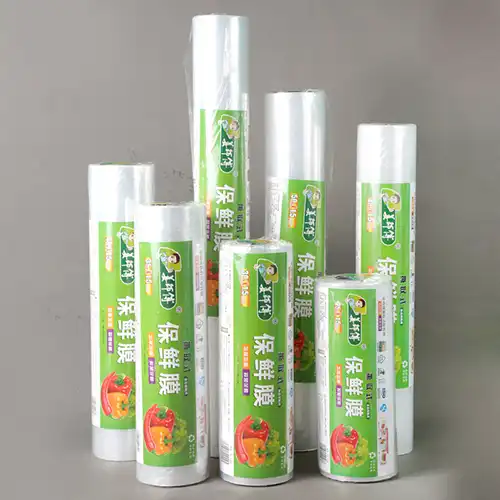
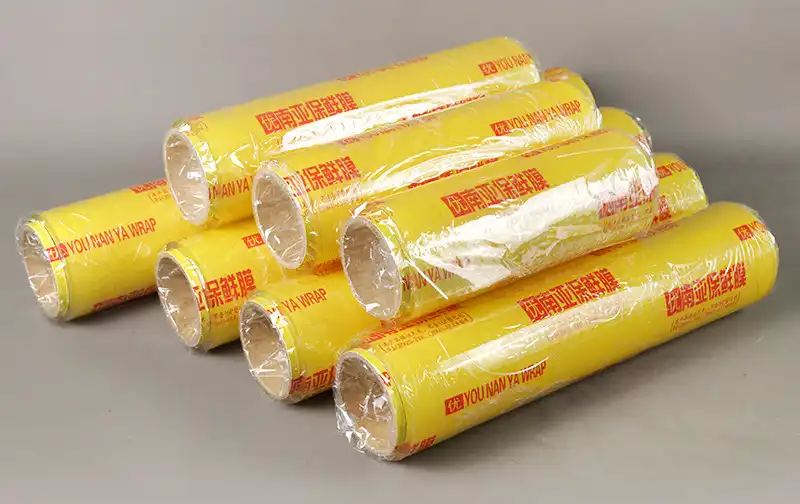
When procurement managers and supply chain workers are looking for packaging materials for large-scale processes, they need to know a lot about PVC Plastic Wrap. This stretchy film is made from plasticised polyvinyl chloride. It has special properties like high clarity, controlled permeability, and a strong grip that make it essential for food service businesses, supermarket chains, and logistics companies that deal with fresh, perishable goods.
Compared to other polyethylene options, PVC wrap lets more oxygen through, which keeps the new look of foods and keeps the right amount of moisture in the air to extend their shelf life. When making decisions about buying in bulk, you need to carefully look at technical specs, regulatory compliance, source dependability, and cost structures to make sure your business gets regular high-quality materials that meet food-grade standards without hurting its bottom line.
Introduction to Global B2B Procurement in Packaging Materials
Global business-to-business buying has changed a lot in the last few years, especially in the packaging industry, where the efficiency of the supply chain has a direct effect on the quality of the products and the costs of running the business. In today's linked economy, buying decisions affect many points of contact, from the operations of the warehouse to how the goods look in stores. In 2022, the global market for packaging film reached $144.6 billion. Flexible films made up a big part of this market, which was driven by concerns about food safety and the need to extend shelf life.
There is more and more pressure on procurement workers to find a balance between quality assurance and cutting costs. The situation is complicated by changing resin prices, shipping delays, and new rules for food safety. It gets harder when you need to find speciality materials like cling films that are made for specific uses. A lot of purchasing managers find that not all suppliers understand the technical differences between film types or the paperwork that is needed to follow FDA or EU rules about food contact. Strategic procurement has become a way for companies to stand out from their competitors. Businesses that build partnerships with reliable suppliers get benefits like consistent material quality, stable pricing, and quick technical support for operational problems.
Key Challenges in Industrial Procurement of Flexible Packaging
Supplier Vetting and Quality Assurance
It is always hard to find suppliers who regularly offer food-grade materials that meet foreign standards. A lot of operations have been slowed down by film batches that don't meet standards and fail anti-fog tests or don't stick well to automated wrapping machines. To check the quality, you have to look at specific migration testing records and make sure that the Overall Migration Limits and Specific Migration Limits for plasticisers are met according to FDA 21 CFR 175.300 or EU Regulation No 10/2011. If buying teams don't have the right technical specs and third-party certifications like ISO 9001 or BSCI compliance, they might get products that aren't safe for direct food contact.
Managing Fluctuating Raw Material Costs
Prices for PVC resin change depending on the state of the oil market and the amount of resin that can be made in a given area. When prices went up in 2021 and procurement managers were stuck in rigid contracts, their budgets sometimes went over by more than 30%. On the other hand, those who didn't have volume commitment agreements had trouble getting supplies during times of high demand. The hard part is coming up with agreements that make prices predictable while still allowing for changes in demand during different production seasons.
Logistics and Lead Time Complications
Shipping delays from foreign sources make it very hard to keep track of inventory. A food business that works in many places can't afford to run out of supplies, which stops production lines. Shipping goods by ocean from Asia to places in North America usually takes between 18 and 35 days, plus extra time for clearing customs. Warehouses close to major ports like Qingdao have benefits, like lower inland transportation costs and faster response times for urgent orders. Coordinating logistics is especially important when you have to deal with a lot of different SKUs that have different gauge specs and roll widths that are made to fit different packaging tools.
Strategies for Effective Procurement Management
Technical Specification Documentation
For procurement to go well with PVC Plastic Wrap, there must be clear technical requirements. Instead of just ordering film, you should include specifics like the gauge thickness (9-18 microns), roll width, core diameter compatibility with your dispensing equipment, and performance standards. Oxygen Transmission Rate requirements are very important for red meat applications—you need about 10,000 to 16,000 cc/m²/24h to keep myoglobin oxygenated, which keeps the meat from turning brown. The Water Vapour Transmission Rate affects how fruits and vegetables are packed because too much water makes slime and not enough humidity makes the food dry. By writing down these factors, you can be sure that suppliers will understand your business needs and not just send you generic goods.
Implementing Sample Testing Protocols
Mistakes in bulk orders can be avoided by evaluating samples first. By asking for free samples, your team can test the products in the real world on real production equipment before committing to full containers. Testing should include checking for mechanical stress, which can be done by putting the film through fast automatic wrapping tools to see if it tears or holes. Cold-fog tests check how well something stops condensation by sealing water-filled containers at cold temperatures and watching how the droplets spread out. Tensile strength tests according to ASTM D882 norms show that the film can handle the pressures of handling. These real-world tests show aspects of speed that can't be fully captured in standard sheets.
Volume Commitment Structures
When negotiating volume-based prices, you have to weigh the chances of getting discounts against the costs of keeping goods on hand. Many suppliers have tiered prices, which means that if you commit to quarterly minimums instead of spot sales, you can save 10–15%. Figure out the average monthly usage across all of your sites, taking yearly changes into account, and set up agreements with review points every three months. This method makes sure that prices are fair and lets changes be made if demand trends change. Building relationships with suppliers who keep a lot of inventory close to your distribution centers gives you more options. You can get better prices on large orders without having to store too much on-site.
Importance of Supplier Relationship Management
Building Long-Term Partnerships
When there are problems with the supply chain, transactional buying relationships leave people open to harm. When capacity is limited, suppliers give priority to customers with whom they already have a relationship when allocating customers. During the 2020 supply crisis, a food processor in the Midwest kept running because their film supplier—with whom they had worked for three years—allocated available goods to trusted customers instead of spot market buyers. Long-term relationships make it possible to work together to solve technical problems, like changing the adhesive properties to fit new packaging equipment or making custom gauge specifications for specific uses.
Communication Protocols and Performance Monitoring
Structured contact beyond placing an order is needed for supply relationships to work well. Performance measures, such as on-time delivery rates, quality defect percentages, and how quickly you respond to expert questions, can be talked about at quarterly business reviews. Setting up clear escalation procedures makes sure that urgent issues get attention right away. When a shipping company found problems with roll telescoping that were stopping dispensing to work, their supplier's technical team came out and checked the fit of the equipment within 48 hours. They found that making small changes to the tension settings fixed the problem without making any major changes. This level of response can only be reached by putting effort into the connection.
Joint Development Initiatives
Instead of just finishing orders, progressive providers work together on new ideas. As worries about sustainability grow, forward-thinking procurement managers ask sellers to look into environmentally friendly options. Adding post-consumer recycled content, making bio-based plasticiser formulations, or finding the best way to lower the gauge without sacrificing performance could be talked about. A grocery chain worked with their film source to lower the normal gauge from 12 microns to 10 microns. This saved 17% on material costs while still providing enough resistance to punctures for automated meat tray wrapping. This kind of cooperation would not have been possible without a technical partnership.
Understanding PVC Cling Film Technical Properties
Material Composition and Performance Characteristics
PVC Plastic Wrap has certain plasticisers in it, usually adipates like DEHA or DOA, that make it more flexible and stick to itself better than polyethylene options. The finished film is the clearest in its class, with haze levels below 1.5% and gloss levels above 90 GU. These are important qualities for high-end store displays where customers decide what to buy by seeing the products clearly. The film's ability to stretch over uneven surfaces and keep its tension without sagging lets it seal well on a variety of container materials, such as stainless steel prep pans, ceramic bowls, and plastic trays, without the need for heat sealing equipment.
Application-Specific Considerations
Different working conditions call for different film properties. Commercial caterer businesses look for better cling that makes it easy to quickly cover Gastronorm pans while prep work is going on and keeps food from getting contaminated in walk-in coolers. Meat departments in supermarkets need films that are precisely engineered to let oxygen through while keeping the bright cherry-red colour that people associate with freshness—myoglobin oxidation to the oxygenated state instead of brown metmyoglobin. For produce packing, the materials need to be able to breathe and keep ethylene gas from building up, which speeds up the hardening process. Understanding these application-specific needs helps you choose the right materials when you're buying them.
Safety and Compliance Standards
Regulatory compliance is a must for materials that come into contact with food. Documentation from migration tests must show that plasticisers and chemicals stay within the safety limits set during normal use. In the US, 21 CFR 175.300 says that the FDA controls chemicals that come into touch with food. In Europe, Regulation (EU) No 10/2011 says that businesses must follow the rules. Instead of just depending on what the seller says, procurement documents should include third-party testing certificates that prove compliance. Applications in medical and lab settings might need extra certifications that show the product is non-toxic and can keep sensitive areas free of contamination.
Evaluating Supplier Capabilities and Certifications
Manufacturing Infrastructure Assessment
Product consistency and supply efficiency are directly affected by the powers of a supplier's facilities. Modern production tools with automatic gauge control systems make sure that the thickness is the same across the whole width of the roll. This stops the telescoping issues that lead to dispensing failures. Temperature changes that can make plasticisers move or break can be avoided in climate-controlled buildings. If your production ability is high enough, your orders will be scheduled first, so you won't have to wait as long for them during busy times. It's cheaper and faster to ship goods when they are close to major ports. For example, a factory near Qingdao port offers benefits to North American buyers through established shipping routes and low ocean freight rates.
Quality Management Systems
If a company has ISO 9001 certification, it means that it uses systematic quality management practices, such as written processes, regular internal checks, and methods for ongoing improvement. This certification suggests that suppliers use consistent methods instead of random quality checks. More certifications, like BSCI (Business Social Compliance Initiative) and WCA (Workplace Conditions Assessment), show that a company is committed to responsible manufacturing practices and worker welfare standards. These are becoming more and more important as criticism of corporate social responsibility grows. Even though FDA registration isn't really a certification, it does show that the provider has registered their location with the U.S. Food and Drug Administration and accepts the authority to be inspected.
Inventory Management and Delivery Reliability
When suppliers of PVC Plastic Wrap keep a lot of finished goods in stock, they can quickly respond to urgent orders and changes in demand. A logistics business that gets a lot of orders all at once during busy shipping times needs sources that can fill rush orders in days instead of weeks. Metrics for on-time delivery show how reliable a service is; 95% on-time delivery rates are considered acceptable by the business. It's also important to know what logistics partners your suppliers have. Having established relationships with freight forwarders and customs brokers makes international shipments go more smoothly and gives you more control over when they get cleared.
Customization Options and Technical Support
Tailored Specifications for Specialized Applications
Standard catalogue items can be used in a lot of different situations, but sometimes they need to be customised to meet specific operating needs. For a food processor to package bone-in cuts, the puncture resistance needs to be improved. This can be done by increasing certain gauges or changing the polymer blend. Central kitchens that serve more than one location may need custom roll widths that fit their dispensers. Suppliers that offer ODM (Original Design Manufacturing) and OEM (Original Equipment Manufacturing) services can create custom solutions by changing anti-fog formulations for specific refrigeration conditions, adjusting cling properties for specific humidity environments, or making custom core diameters for automated dispensing systems.
Technical Support and Training Services
Respondent technical support is what sets exceptional suppliers apart from average ones. When film performance problems like bad cling, excessive stretching, or dispensing problems happen, having quick access to experienced support teams keeps costly downtime to a minimum. Good suppliers teach warehouse workers how to use films correctly so that they can get the most out of them and waste the least amount of material. Some companies do on-site equipment compatibility checks where they look at your packaging machinery settings and suggest changes that will make the film work better. Access to help 24 hours a day through multiple channels of contact (phone, email, and messaging apps) makes sure that pressing problems get handled quickly, no matter what time zone they are in.
Sample Programs and Testing Support
Sample programs that don't cost anything let you fully evaluate before making big investments. Instead of buying something based only on technical data sheets, trying it in the real world will show you how it works in your unique equipment and goods. Progressive suppliers offer a range of samples that meet different requirements, such as different gauges, cling levels, and clarity grades, so that products can be directly compared. Some companies offer longer sample periods so that you can test them in a range of weather situations or product types. This investment in the success of the customer shows that the seller trusts the quality of the product and lowers the risk of buying.
Cost Considerations and Value Assessment
Total Cost of Ownership Analysis
The price of the packing material is only one part of how much it costs all together. A full analysis takes into account the costs of freight, storage, waste from problems with dispensing, application labour time, and possible product loses from poor security. A slightly more expensive film that is more resistant to punctures might cut down on product damage losses that are greater than the price difference. Film with better cling qualities might cut down on the time it takes to apply, which could save money on labour costs in high-volume settings. By looking at these factors, you can make more true cost comparisons than just using per-roll prices.
Volume Pricing Structures
Through tiered pricing models for PVC Plastic Wrap, buying in bulk can save you a lot of money. Suppliers usually offer discounts that get bigger as you buy more. For example, ordering by the container load often saves you 15-20% compared to ordering by the pallet. By knowing how you usually use things, you can make smart purchases that take advantage of big savings without having to pay too much for storage. These things are balanced when you negotiate yearly volume promises with quarterly shipping plans. This way, you get good prices and keep your inventory flexible. Some suppliers have rebate programs that give discounts based on how much a customer buys each year. This rewards loyal customers without asking them to make any commitments up front.
Payment Terms and Financial Flexibility
Structures of payments have a big effect on managing cash flow. Standard foreign terms often call for 30% down payments, with the rest due before the shipment. This locks up operating capital for weeks before the goods come. If you already have a relationship with a supplier, you may be able to get better terms, like net-30 or net-60 payment windows after delivery, which can help your cash flow. Letters of credit give both sides security while the connection is still being built. Some suppliers offer early payment discounts, like 2-3% off for paying within 10 days. This can have a big effect on your annual procurement costs when you buy a lot.
Sustainability and Environmental Considerations
Environmental Impact Assessment
Concerns about sustainability play a bigger role in purchasing decisions as companies make stronger environmental commitments and rules change. Usually, petroleum-based materials and processes that use a lot of energy are used to make PVC. But modern manufacturing is using more and more energy-saving techniques that leave less of an impact on the environment. Some suppliers use closed-loop water recycling systems and renewable energy that cut production emissions by a large amount. By looking at providers' environmental management systems and sustainability reports, you can learn more about how environmentally friendly they really are than just what they say on their marketing materials.
Alternative Material Exploration
Forward-thinking buying teams look into new options that can help the environment. Bio-based plasticisers made from renewable materials work just as well as regular plasticisers made from oil, but they use less fossil fuels. When you reduce the gauge of a film by 15%, you get the same performance with 15% less material. This is because 15% less gauge means 15% less raw material use and waste reduction. Some businesses switch certain uses to different materials, like biodegradable films, when performance needs allow it. However, the extra costs and performance losses need to be carefully thought through.
Waste Reduction and Recycling Programs
Packaging trash is bad for the earth and costs a lot to get rid of. Environmental duty can be shown by looking for providers with recycling programs or take-back programs for used film. Internal programs that reduce waste by optimising film usage patterns—for example, using the right tension settings to avoid overstretching and training people to reduce waste during application—are good for both the environment and the bottom line. By figuring out your overall film waste percentage and putting in place focused reduction programs, you can often save a lot of money. For example, when an operation cuts waste from 8% to 5%, it gains three percentage points of free material.
Conclusion
To make smart decisions about buying bulk PVC Plastic Wrap, you need to do more than just compare prices. The success of a purchase depends on a number of factors, including technical specs that fit your specific needs, seller capabilities that guarantee consistent quality and reliable delivery, and quick support that solves practical problems. Sustainability concerns, government rules, and performance expectations are all changing the flexible packaging landscape all the time. This makes it hard to make decisions without enough information.
For long-term organisational success, it's important to build relationships with providers who show technical know-how, keep strong quality systems, allow customisation, and treat business as a partnership rather than a transaction. Thorough evaluation methods, such as testing samples, checking references, and calculating the total cost of a purchase, help you avoid making mistakes that could cost you a lot of money and find suppliers who can help your business grow by providing reliable, high-quality materials at reasonable prices.
FAQ
Q1: What distinguishes PVC cling film from polyethylene alternatives for food packaging applications?
A: When compared to polyethylene choices, PVC cling film has much better cling qualities, visual clarity, and elasticity. The main difference between the two types of films is their oxygen permeability. PVC films let about 10,000–16,000 cc/m²/24h of oxygen through, which keeps the bright red colour of fresh meats by keeping myoglobin oxygenated. Polyethylene films, on the other hand, don't let as much oxygen through, so they're better for storing frozen foods or things that don't need to breathe as much. Because PVC sticks to itself, it doesn't need to be sealed with heat, which makes it easier to use quickly in high-volume business settings. Differences in clarity are also very important. For example, PVC has haze values below 1.5%, while polyethylene usually has higher haze values. This has a direct effect on how products look in stores, where visibility affects decisions to buy.
Q2: How should procurement teams verify food safety compliance for bulk film purchases?
A: To fully check for compliance, specific movement testing records must be looked at to show that plasticisers and chemicals stay within the limits set by FDA 21 CFR 175.300 for U.S. markets or EU Regulation No 10/2011 for European operations. Instead of just believing what the seller says, get documents from a third-party lab that prove the Overall Migration Limits and Specific Migration Limits. Check to see if the provider is still registered with the FDA so that the building can be inspected, and look for certifications like ISO 9001 that show systematic quality management. For applications that come into direct contact with food, especially those that involve fatty foods, make sure that the testing specifically covers lipophilic plasticiser migration scenarios that pose higher risk profiles.
Q3: What sample testing procedures best predict bulk order performance?
A: A good way to test samples is to put them through mechanical stress tests on your actual packaging equipment. For example, running film through automated wrapping machines at full speed shows problems with tearing, puncturing, or dispensing that specification sheets can't tell you about. Do cold-fog tests by closing water-filled containers at the normal temperature for refrigeration and checking how droplets spread out and affect the visibility of the product. Tensile strength testing should be done according to ASTM D882 standards to make sure the material will last long enough for the conditions of use. Test a wide range of sample products, including ones with sharp edges or odd forms that put the film's abilities to the test, and see how well it works over long storage periods that match your normal inventory cycles.
Partner with Shandong Honghe Plastics Co., Ltd. for Reliable Supply Solutions
Because they only make PVC Plastic Wrap, Shandong Honghe Plastics Co., Ltd. has a lot of experience working with corporate buyers, food processors, grocery chains, and logistics companies in North American markets. Since we started in 2017, we've put money into modern production tools and standardised ways of making things that make sure the quality is always up to par with international food safety standards. Our ISO, FDA, CE, BSCI, and WCA certifications give buying managers the proof of compliance they need, and our site near the Qingdao port guarantees competitive shipping rates and on-time deliveries. We keep a large inventory so that we can quickly fill urgent orders.
We also offer free samples so that you can fully evaluate the products, and our ODM and OEM services let you make the products exactly how your business needs them. No matter what time zone you're in, our expert help is available 24 hours a day, 7 days a week. Get in touch with tony@sdhhsl.com to talk about your bulk buying needs and find out how our high-quality goods, low prices, and quick service can help your business succeed as your reliable PVC Plastic Wrap provider.
References
1. Miller, J. & Thompson, R. (2022). Food Packaging Technology: Principles and Practice. CRC Press, Boca Raton, FL.
2. International Association of Packaging Research Institutes (2021). Global Flexible Packaging Market Analysis and Forecasts 2021-2026. IAPRI Technical Report Series, Vol. 18.
3. U.S. Food and Drug Administration (2023). Guidance for Industry: Preparation of Food Contact Notifications for Food Contact Substances. FDA Center for Food Safety and Applied Nutrition.
4. European Commission (2011). Regulation (EU) No 10/2011 on Plastic Materials and Articles Intended to Come into Contact with Food. Official Journal of the European Union.
5. Robertson, G.L. (2021). Food Packaging and Shelf Life: A Practical Guide. CRC Press, Boca Raton, FL.
6. American Society for Testing and Materials (2018). ASTM D882-18 Standard Test Method for Tensile Properties of Thin Plastic Sheeting. ASTM International, West Conshohocken, PA.