


_1750233969309.png)
Industrial operations require reliable packaging solutions that deliver both performance and cost-effectiveness. Cast machine stretch film represents a cutting-edge approach to pallet wrapping, offering superior clarity, consistent thickness, and exceptional load stability for high-volume applications. This comprehensive guide explores the strategic implementation of cast stretch film technology, helping purchasing managers and supply chain professionals optimize their packaging operations while reducing material costs and enhancing product protection throughout the distribution process.
Understanding Cast Machine Stretch Film Technology
A complex extrusion method is used in the manufacturing of cast stretch film. This process results in the creation of plastic film that has outstanding uniformity and strength qualities. Cast extrusion is a technology that, in contrast to alternatives such as blown film, generates clear film that has good optical qualities. This makes it possible for warehouse operations to include barcode scanning and identification of goods without any difficulty.
In the beginning of the production process, polyethylene resin is heated to certain temperatures and then fed through dies that are specifically designed for the purpose. Through this process, an uninterrupted web is produced, which has a gauge distribution that is uniform over the whole width. Utilizing this technique results in the production of machine roll film that has exceptional stretchability, often attaining elongation of between 200 and 300 percent while preserving its structural integrity.
During the application process, film tension management becomes very important. The correct calibration of packaging machines guarantees the highest possible load stability without affecting the efficiency of the packing process. Cast films have a high degree of elasticity, which enables them to provide tight pallet confinement while using just a little amount of material. This has a direct influence on the expenses of operations.
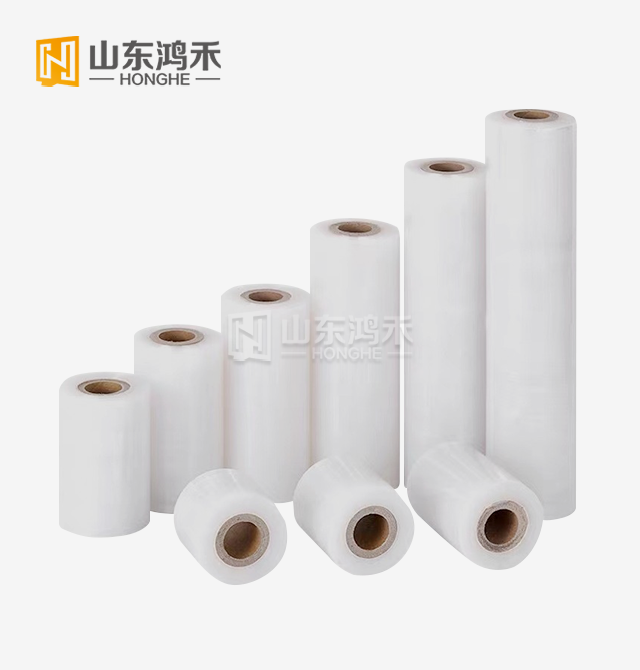
Selecting Appropriate Film Specifications
Film gauge selection significantly influences packaging performance and material consumption. Standard thickness ranges from 12 to 23 microns, with each specification serving distinct application requirements. Lighter gauges work effectively for uniform, lightweight products, while heavier specifications provide enhanced puncture resistance for challenging loads.
Ensure that the core dimensions and film widths are compatible with the capabilities of the present equipment. When it comes to core size, standard alternatives include 76-millimeter (3-inch) options, which are suitable for the majority of industrial wrapping systems. The width of the film normally runs from 500 millimeters to 750 millimeters, which enables coverage optimization depending on the dimensions of common pallets.
High-performance film formulations incorporate advanced polymer blends that enhance cling properties and tear resistance. These specialized materials excel in demanding environments where temperature fluctuations or extended storage periods challenge conventional packaging films.
Considerations pertaining to both aesthetics and functionality are influenced by color choosing. However, colored variations serve unique goals such as theft prevention, product classification, or brand identification. While transparent choices are often used in industrial applications because of visibility needs, colored variants serve specialized functions.
Equipment Integration and Operational Setup
Successful implementation requires careful attention to Cast Machine Stretch Film wrapping machine configuration and film handling procedures. Modern stretch wrap equipment features adjustable tension controls, allowing operators to customize application parameters for different product types and packaging requirements.
Pre-stretch mechanisms multiply film coverage while reducing material consumption. Typical pre-stretch ratios range from 200% to 400%, effectively doubling or quadrupling coverage area from each film meter. This technology dramatically reduces packaging costs while maintaining protective performance.
Loading procedures impact overall efficiency and film performance. Proper pallet preparation, including corner protection and load alignment, prevents film damage during application. Training warehouse personnel on correct handling techniques prevents common issues like film breaks or inadequate containment.
Regular equipment maintenance ensures consistent performance and extends machinery lifespan. Cleaning rollers, calibrating tension systems, and replacing worn components prevent operational disruptions that compromise packaging quality.
Quality Standards and Compliance Requirements
Industrial packaging must meet stringent safety and performance standards across various industries. Food processing applications require films compliant with food contact regulations, ensuring no harmful substances migrate to packaged products. Medical and pharmaceutical sectors demand materials meeting specific contamination control standards.
Certification documentation provides crucial evidence of compliance during supplier evaluations. ISO certifications demonstrate manufacturing quality consistency, while FDA approvals validate food safety requirements. CE marking indicates European conformity standards, essential for international trade operations.
Testing protocols verify film performance under real-world conditions. Puncture resistance measurements ensure adequate protection against sharp edges or protruding package elements. Load retention testing confirms long-term stability during storage and transportation phases.
Environmental considerations increasingly influence material selection decisions. Many industrial clients prioritize recyclable film options and suppliers demonstrating sustainable sourcing practices. These factors often determine supplier partnerships in environmentally conscious organizations, driving demand for solutions like Cast Machine Stretch Film that balance performance with a reduced environmental footprint.
Cost Optimization and Bulk Purchasing Strategies
For industrial customers that have constant packaging requirements, ordering in volume offers significant cost savings. When compared with spontaneous purchases, annual contracts generally provide savings of 15–25%, while also guaranteeing that supply continuity is maintained during times of high demand.
Film consumption calculations help determine optimal order quantities and storage requirements. Understanding usage patterns prevents both stockouts and excessive inventory carrying costs. Many suppliers offer consumption analysis services, helping clients optimize their purchasing strategies.
Inventory management becomes particularly important given film shelf life considerations. While properly stored plastic film maintains performance characteristics for extended periods, rotation protocols ensure optimal product quality and prevent waste from outdated materials.
Total cost of ownership extends beyond initial film prices. Factors including application efficiency, material waste, labor requirements, and equipment compatibility significantly impact overall packaging expenses. Comprehensive cost analysis reveals the true economic benefits of premium film products.
Troubleshooting Common Application Issues
Film breaks during application typically result from excessive tension, damaged equipment, or material defects. Adjusting machine settings often resolves tension-related problems, while equipment inspection identifies mechanical issues requiring maintenance attention.
Poor load containment may indicate insufficient wrap cycles, inadequate film overlap, or incorrect tension settings. Systematic evaluation of wrapping patterns helps identify specific adjustments needed to achieve proper load stability.
Cling film performance varies with environmental conditions. Temperature extremes can affect the adhesive properties of Cast Machine Stretch Film, requiring application parameter adjustments to maintain consistent results. Storage area climate control helps prevent performance variations.
Barcode scanning difficulties often relate to film clarity or surface treatments. Selecting appropriate film grades with optimal optical properties ensures reliable scanning performance throughout the supply chain.
Industry-Specific Applications and Best Practices
For the purpose of preventing contamination and preserving the integrity of the product, food processing facilities are required to use particular protective wrapping practices. Films that have improved low-temperature performance are beneficial for temperature-sensitive items because they avoid breaking down during cold storage processes.
Shipping and logistics organizations that deal with a wide variety of products need packaging film that is adaptable and able to accommodate a wide range of load characteristics. Film alternatives that come in many grades provide versatility, while also simplifying the administration of inventory and lowering the amount of operator training that is required.
It is necessary to have increased puncture resistance in manufacturing settings that include goods with sharp edges. Film compositions designed for heavy-duty applications provide enhanced defense against damage while preserving the application properties that are most effective.
Medical and laboratory applications require films meeting strict contamination control standards. Specialized grades minimize particle generation and provide barriers against environmental contaminants that could compromise sensitive products.
Conclusion
Implementing cast machine stretch film technology requires careful consideration of product specifications, equipment compatibility, and operational requirements. Success depends on selecting appropriate film grades, optimizing application parameters, and partnering with reliable suppliers committed to quality excellence and responsive service.
Industrial clients benefit significantly from the superior performance characteristics of cast stretch films, including exceptional clarity, consistent gauge distribution, and excellent load stability properties. These advantages translate directly into operational efficiencies, reduced material consumption, and enhanced product protection throughout the supply chain.
Strategic supplier partnerships enable access to technical expertise, competitive pricing, and reliable supply continuity essential for successful packaging operations.
Partner with Shandong Honghe Plastics for Premium Cast Stretch Film Solutions
The cast machine film stretcher products that Shandong Beijing Honghe Plastics Co.,Ltd. offers are of high quality and are intended exclusively for demanding industrial uses. Our cutting-edge production plant, which is situated in a strategic location close to the port of Qingdao in Shandong province, guarantees customers from a wide range of sectors efficient transportation and dependable supply chain assistance.
Through the use of our cutting-edge production technology and stringent quality control procedures, we ensure that our films can consistently satisfy the requirements of worldwide standards. BSCI and WCA certificates authenticate our ethical operation and social responsibility, while ISO, CE, and Ce certifications highlight our dedication to quality excellence. In addition, these certifications demonstrate that we are focused on quality.
We are aware of the specific issues that purchasing managers together with supply chain specialists are confronted with since we have been a well-established provider of stretch film for cast machines since 2017. The extensive product range that we provide comprises a wide variety of film gauges and widths, as well as specialty formulas that are designed to meet the needs of certain applications.
Competitive pricing structures and flexible ODM/OEM services accommodate diverse client needs while maintaining exceptional value propositions. Our experienced technical team provides comprehensive application support, helping optimize your packaging operations and reduce total ownership costs. Contact us at tony@sdhhsl.com to discuss your cast machine stretch film requirements and discover how our solutions can enhance your packaging efficiency.
References
1.Modern Plastics Handbook: Cast Film Extrusion Processes and Quality Control Methods in Industrial Packaging Applications, 3rd Edition, Industrial Press.
2.Packaging Technology Review: Comparative Analysis of Cast versus Blown Stretch Film Performance in High-Volume Distribution Centers, Journal of Applied Packaging Research.
3.Supply Chain Management Quarterly: Cost Optimization Strategies for Industrial Stretch Film Procurement and Inventory Management Systems.
4.International Packaging Standards Manual: Compliance Requirements for Food-Grade and Medical-Grade Stretch Films in Industrial Applications.
5.Warehouse Operations Efficiency Guide: Best Practices for Machine Stretch Film Application and Load Containment Optimization.
6.Sustainable Packaging Solutions: Environmental Impact Assessment of Cast Machine Stretch Films and Recycling Protocols for Industrial Users.