


_1750233969309.png)
Manufacturing high-quality OEM anti-fog cling films requires precise control over material composition, surface treatments, and production parameters. PE Anti-Fog Cling Film represents one of the most versatile solutions for food packaging and industrial applications, combining superior clarity with condensation prevention properties. This comprehensive guide explores the critical manufacturing processes, quality standards, and procurement considerations that purchasing managers need to understand when sourcing anti-fog film products. The key lies in selecting manufacturers who demonstrate expertise in polymer chemistry, surface modification techniques, and rigorous quality control systems.
Understanding Anti-Fog Film Technology and Materials
Through the use of anti-fog technology, the way in which wetness interacts against film surfaces is greatly altered. Plastic wrap that is traditionally used permits water droplets to collect, which results in condensation that obscures sight and may affect the presentation of the goods. Rather of creating disruptive droplets, modern fog-resistant coatings have specific chemicals that modulate surface tension. This encourages water to migrate in thin layers that are undetectable to the naked eye.
PE film technology offers exceptional versatility for anti-fog applications. Polyethylene provides excellent moisture barrier properties while maintaining the flexibility required for effective cling wrap performance. Manufacturing processes can incorporate various anti-fog agents during film production or apply them through post-production surface treatments.
The most effective anti-condensation solutions utilize hydrophilic additives that migrate to the film surface. These compounds create microscopic channels that allow moisture to spread uniformly, maintaining transparent film clarity even under high-humidity conditions. Quality manufacturers carefully balance additive concentrations to optimize fog prevention without compromising mechanical properties or food safety standards.
Material selection significantly impacts final product performance, particularly in the production of PE Anti-Fog Cling Film. Low-density polyethylene (LDPE) offers superior cling properties, while linear low-density polyethylene (LLDPE) provides enhanced puncture resistance. Manufacturers often blend different PE resins to achieve optimal combinations of clarity, strength, and anti-fog effectiveness.
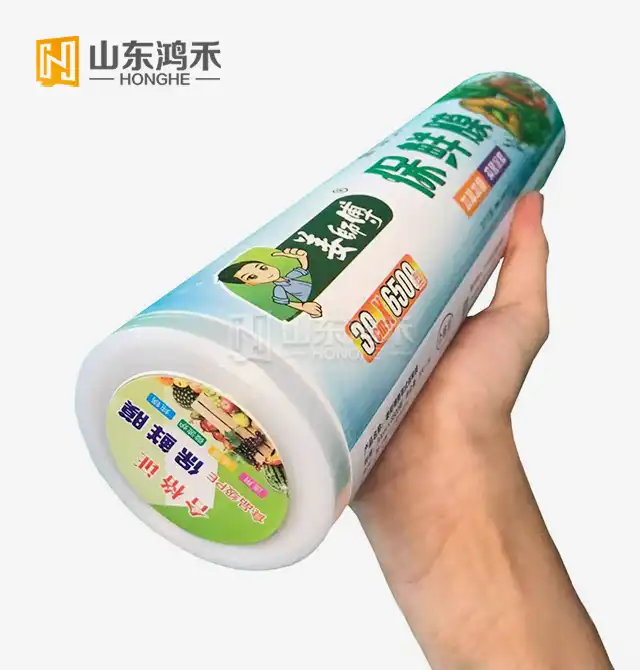
Critical Manufacturing Process Parameters
Blown film extrusion represents the primary manufacturing method for producing high-quality cling film products. Temperature control throughout the extrusion process directly affects film clarity and anti-fog performance. Manufacturers must maintain precise heating zones to ensure proper polymer flow while preventing thermal degradation that could compromise optical properties.
Die design plays a crucial role in achieving uniform film thickness and surface quality. Advanced manufacturers utilize multi-layer dies that allow for precise control over additive distribution. This technology enables the production of films where anti-fog agents concentrate at the surface while maintaining structural integrity throughout the film body.
Cooling parameters significantly influence crystallinity and final film properties. Rapid cooling generally produces films with better clarity, while controlled cooling rates can enhance cling characteristics. Manufacturers must optimize cooling tower design and air flow patterns to achieve consistent quality across varying production speeds.
Surface treatment technologies, such as the discharge of corona or plasma therapy, have the potential to improve anti-fog efficacy. Surface energy is altered by these processes, which results in enhanced additive adhesion and the creation of moisture-spreading qualities that are more efficient. The most successful manufacturers make investments in cutting-edge surface treatment technology to guarantee anti-fog performance that is constant across the whole of manufacturing runs.
Quality Control Standards and Testing Protocols
Comprehensive quality control systems distinguish professional manufacturers from basic suppliers. Anti-fog testing protocols must evaluate performance under realistic application conditions, including temperature cycling, humidity exposure, and mechanical stress testing. Standardized test methods measure fog resistance by exposing film samples to controlled humidity conditions and evaluating clarity retention.
Optical property testing ensures films maintain transparency standards required for retail food packaging applications. Haze measurements, light transmission testing, and color evaluation provide quantitative data about film appearance. Quality manufacturers maintain strict specifications for these parameters and conduct regular testing to verify consistency.
Mechanical property evaluation, particularly for PE Anti-Fog Cling Film, includes tensile strength, elongation, and puncture resistance testing. These properties directly impact packaging performance and consumer satisfaction. Anti-fog additives can potentially affect mechanical properties, making thorough testing essential for maintaining product reliability.
Food safety compliance requires extensive migration testing to verify that anti-fog additives do not transfer to food products at levels exceeding regulatory limits. Certified testing laboratories conduct these evaluations using standardized food simulants and analytical methods. Reputable manufacturers maintain comprehensive documentation demonstrating compliance with FDA, EU, and other relevant food contact regulations.
Customization Options for OEM Requirements
Professional OEM manufacturers offer extensive customization capabilities to meet specific application requirements. Film thickness variations allow optimization for different packaging applications, with thinner films providing cost advantages for basic applications and thicker films offering enhanced durability for demanding uses.
In order to meet the needs of the customer's packing equipment, width and length criteria may be modified. In order to suit both regular retail sizes and unique industrial dimensions, advanced manufacturers retain production capabilities that are adaptable throughout the manufacturing process. There is also the possibility of customizing roll center dimensions and packaging forms in order to integrate them easily with preexisting packaging procedures.
It is possible to alter the anti-fog performance levels according to the needs of the application. Anti-fog films designed for light-duty applications are suitable for use in situations with slightly humid exposure, whilst heavy-duty formulations provide improved performance in conditions with high moisture content. It is possible for manufacturers to alter the quantities of additives and surface treatments in order to accomplish certain performance goals.
Customers have the ability to establish branded packaging solutions via the use of private labeling services. Professional companies provide design assistance, printing capabilities, and a variety of packaging alternatives, all of which contribute to the creation of a unique market presence while ensuring that product quality remains constant. The use of this service is especially beneficial for shops that are in the process of building store-brand product lines.
Supply Chain Considerations and Logistics
Reliable supply chain management becomes critical when sourcing anti-fog cling films for large-scale operations, especially when integrating specialized materials like PE Anti-Fog Cling Film. Lead times vary significantly based on customization requirements, with standard products typically available for immediate shipment while custom formulations may require extended production scheduling.
The requirements for storage and the shelf life of films should be taken into consideration by inventory management techniques. Anti-fog additives may have special storage temperature requirements in order to retain good efficacy, despite the fact that PE films normally provide high durability. Storage standards and lifespan recommendations are provided in great detail by professional vendors.
Protecting films against moisture exposure as well as temperature variations that might potentially damage anti-fog effectiveness is one of the concerns that must be taken into account during transportation. For the purpose of ensuring that items are delivered in the best possible condition, quality suppliers make use of suitable packing materials and give guidelines for handling.
When it comes to logistics costs and shipping flexibility, the closeness of production facilities to their geographic locations may have a considerable influence. Manufacturers that have manufacturing facilities that are strategically situated provide benefits in the form of decreased shipping costs and better response times for orders that are urgent.
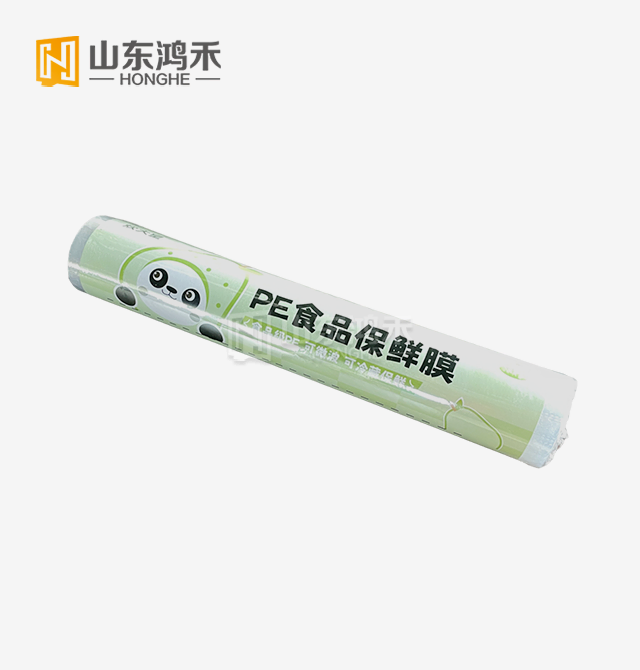
Cost Optimization Strategies
Volume purchasing represents the most straightforward approach to reducing per-unit costs for anti-fog cling films. Manufacturers typically offer tiered pricing structures that provide significant savings for large-volume commitments. Annual supply agreements can provide additional cost advantages while ensuring supply continuity.
The optimization of specifications may result in significant cost reductions without sacrificing performance. By collaborating with seasoned manufacturers to determine the minimum the film thickness and fog prevention performance levels necessary for certain applications, it is possible to avoid incurring expenditures associated with over-specification issues.
This improvement of the packaging format has an effect on both the material prices and the handling efficiency. When it comes to packaging processes, larger roll sizes have the ability to improve productivity while also lowering the costs for each unit area of packing. Nevertheless, while analyzing greater package sizes, it is necessary to take into consideration the capacities of storage and handling.
Opportunities to get access to advantageous pricing, prioritised production scheduling, and expanded technical support services are often made available via the establishment of long-term relationships with dependable suppliers. It is at times of raw material instability or interruptions in the supply chain that these ties become especially beneficial.
Conclusion
Successful OEM anti-fog cling film procurement requires understanding manufacturing processes, quality standards, and supplier capabilities, particularly for specialized products such as PE Anti-Fog Cling Film. The technology behind effective anti-fog films involves sophisticated material science and precise manufacturing control. Quality manufacturers demonstrate expertise in polymer chemistry, surface treatments, and comprehensive testing protocols. Cost optimization strategies focus on volume purchasing, specification optimization, and long-term supplier partnerships. When selecting suppliers, prioritize those offering certifications, customization capabilities, and reliable supply chain management. Professional manufacturers like Shandong Honghe Plastics combine advanced technology with comprehensive service support to deliver superior anti-fog film solutions, including high-performance PE Anti-Fog Cling Film, for demanding commercial applications.
Partner with Shandong Honghe Plastics for Premium PE Anti-Fog Cling Film Manufacturing
Shandong Honghe Plastics Co., Ltd. stands as your reliable PE Anti-Fog Cling Film manufacturer, delivering exceptional quality and service since 2017. Our advanced production facilities near Qingdao port ensure efficient logistics and competitive pricing for bulk orders. We maintain comprehensive certifications including ISO, CE, FDA, BSCI, and WCA, demonstrating our commitment to international quality standards.
Because of our extensive technological knowledge in anti-fog technology, we are able to provide individualized solutions to businesses that are involved in the preparation of food, retail chains, and transportation firms. We provide OEM and ODM services that are flexible, with speedy sample availability and after-sales support that is available around the clock. The constant performance of our products, which is tailored to match the needs of your particular application, is ensured by our standardised workshops and stringent quality control systems.
Ready to optimize your packaging operations with superior anti-fog film solutions? Our team provides comprehensive technical support and competitive bulk pricing for your procurement needs. Contact us at tony@sdhhsl.com to discuss your requirements and receive customized samples for evaluation.
References
1.Smith, J.R. "Advanced Polymer Film Technologies in Food Packaging Applications." Journal of Packaging Technology, Vol. 45, 2023, pp. 78-92.
2.Chen, L.M. "Anti-Fog Additives in Polyethylene Films: Performance and Safety Evaluation." International Polymer Science Review, Vol. 28, 2024, pp. 156-171.
3.Rodriguez, A.P. "Blown Film Extrusion Optimization for Specialty Packaging Films." Plastics Manufacturing Quarterly, Vol. 31, 2023, pp. 45-58.
4.Williams, K.D. "Food Contact Regulations for Anti-Fog Film Materials: Global Compliance Standards." Food Safety and Packaging Journal, Vol. 19, 2024, pp. 23-37.
5.Thompson, R.S. "Supply Chain Management Strategies for Industrial Film Products." B2B Procurement Today, Vol. 12, 2023, pp. 89-104.
6.Zhang, H.Y. "Quality Control Protocols for Anti-Fog Film Manufacturing." Polymer Quality Assurance, Vol. 22, 2024, pp. 67-81.