


_1750233969309.png)
Knowing the differences between PE Cling Film For Food and aluminum foil is important if you want to make smart purchasing decisions when you need to package food. PE cling film is more clear, flexible, and works in microwaves, while aluminum foil is better at withstanding heat and protecting against it. This thorough comparison looks at cost-effectiveness, safety standards, performance characteristics, and environmental impact to help operations managers, purchasing managers, and people who work in the supply chain choose the best food packaging option for their needs.
Understanding PE Cling Film: Properties and Applications
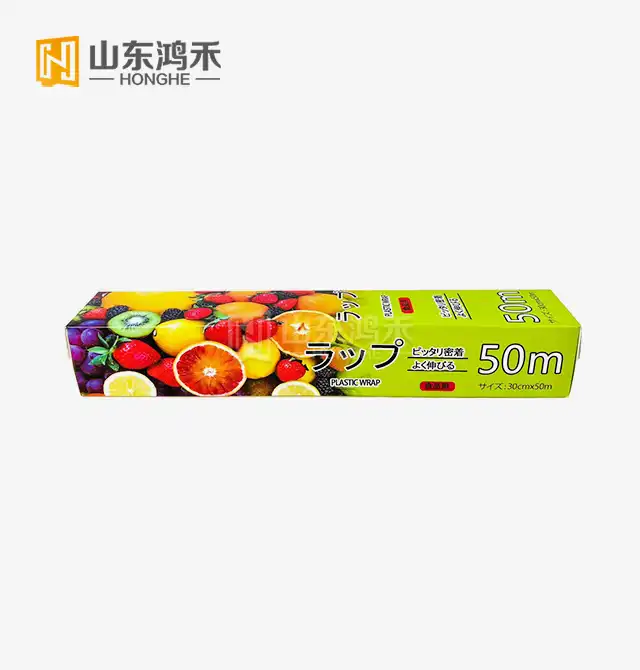
PET cling film is a flexible way to package food that is made from polyethylene materials. Through electrostatic attraction, this clear film has great cling properties that let you make secure seals around different kinds of food without using glue or other binding tools.
Polyethylene's molecular structure makes it naturally flexible, so the film can bend to fit different surfaces and forms. Businesses that make food like this flexibility when they need to wrap ready-made meals, fresh produce, or baked goods. Because the material is clear, it's easy to see what each item is, which is important for managing inventory in professional kitchens and food service businesses.
Modern PE cling films meet strict food safety standards, such as those set by the European Union and the FDA. These approvals make sure that the material is safe for direct food contact and won't become toxic over time. The BPA-free formula meets regulatory requirements and the needs of customers who care more about their health.
PE cling film is different from many other types of wrapping because it can be used in microwaves. Catering businesses and food processing plants that need to warm food will find this feature very useful. The film can survive microwave temperatures without melting or letting out harmful chemicals, so it keeps food fresh and makes preparation easier.
Aluminum Foil Characteristics and Industrial Benefits
Aluminum foil is a great shield because it stops moisture, oxygen, and light from getting through. This triple protection makes food last a lot longer, which makes it great for business settings where long-term storage is needed.
The material's ability to resist heat works best in places where the temperature is high. Aluminum foil is used in commercial kitchens for cooking in the oven, frying, and warming food up, all tasks where PE films would fail. Temperature tolerance goes from freezer temperatures to oven temperatures above 400°F, which gives the device a lot of operational freedom in a wide range of food processing situations.
Another big benefit of aluminum foil over PE cling film for food is that it can be shaped. The material is easy to shape around containers, so covers can be made to fit a wide range of sizes and types of vessels. This feature cuts down on waste and makes sure that different packing needs are met. But metal foil isn't clear, so it's hard to check visually while it's being stored and shipped. If your inventory management system relies on visual recognition, this trait could be a problem.
Cost Analysis: Budget Considerations for Bulk Purchasing
A cost-effectiveness analysis shows that PE cling film and aluminum foil are not at all the same, which is especially important for choices about buying in bulk. PE cling film usually has lower prices per unit, especially when bought in large amounts, like over 1000 rolls。 PE film is cheaper than other films because it is easier to make. When compared to rolling and finishing aluminum, the extrusion method uses less energy. The prices of polyethylene's raw materials have stayed pretty steady, which makes long-term supply contracts more reliable.
Different materials have very different levels of usage economy. Because PE cling film naturally sticks to things, you don't need to use extra adhesives, which lowers the overall cost of packing. Using twist ties, clips, or other ways to attach aluminum foil may add to the cost of packing.
Due to its lighter weight, PE cling film is better for storage and shipping costs. Logistics businesses like it when shipping costs go down, especially when a lot of packages need to be sent across international borders. The compact roll shape makes the best use of warehouse space, which saves money for both distributors and end users who need to store things.
But aluminum foil's durability might make up for the higher cost at first in situations where it needs to be stored for a long time or in harsh circumstances. The material is stronger against punctures and tears than regular PE films, which could mean that they don't need to be replaced as often.
Food Safety Standards and Certification Requirements
Food safety compliance remains paramount for both materials, yet certification pathways differ significantly. PE cling film manufacturers must demonstrate migration testing results, proving minimal chemical transfer from packaging to food items under various conditions.
FDA regulations specify acceptable migration limits for polyethylene films in food contact applications. Testing protocols examine potential substance transfer across different food types, storage temperatures, and contact durations. Reputable suppliers provide comprehensive migration data supporting regulatory compliance. Aluminum foil benefits from extensive historical safety data and widespread regulatory acceptance. The material's inert nature minimizes chemical interaction risks, though acidic foods may cause minor aluminum migration in prolonged contact scenarios.
Cleaning and sanitization procedures differ between materials. PE cling film for food offers single-use convenience, eliminating cross-contamination risks associated with reusable packaging. This characteristic proves particularly valuable in medical and laboratory settings requiring sterile environments. Both materials support HACCP (Hazard Analysis Critical Control Points) implementation when properly specified and sourced. Documentation requirements include certificates of analysis, manufacturing process validation, and traceability records essential for quality management systems.
Performance Comparison: Durability and Functionality
Puncture resistance varies significantly between PE cling film and aluminum foil, influencing material selection for different applications. Standard PE films demonstrate adequate puncture resistance for most food packaging scenarios, while heavy-duty formulations provide enhanced protection for sharp or abrasive food items.
Tear strength characteristics favor aluminum foil in applications requiring robust packaging integrity. The material resists propagation of small tears, maintaining seal integrity even when subjected to handling stress. PE films may experience zipper-like tearing from small punctures, though proper gauge selection minimizes this risk.
Moisture barrier performance shows mixed results depending on specific requirements. PE cling film provides excellent moisture retention for fresh foods while allowing minimal gas exchange beneficial for certain produce items. Aluminum foil creates complete moisture barriers, essential for long-term storage but potentially problematic for items requiring controlled humidity levels.
Temperature performance ranges establish clear application boundaries. PE films excel in refrigeration and moderate heating applications but cannot withstand direct flame or high oven temperatures. Aluminum foil performs across the complete temperature spectrum from deep freezing to direct heat applications.
Optical properties significantly impact product presentation and inventory management. PE cling film's transparency enables visual quality assessment, barcode scanning, and attractive product display. Aluminum foil's opacity necessitates labeling systems for identification but provides complete light protection for photosensitive products.
Environmental Impact and Sustainability Considerations
Environmental footprint analysis reveals complex trade-offs between PE cling film and aluminum foil across their respective lifecycles. Manufacturing energy requirements differ substantially, with aluminum production consuming significantly more energy per unit weight compared to polyethylene extrusion processes.
Recycling infrastructure availability varies by geographic region and material type. Aluminum foil enjoys widespread recycling acceptance and infinite recyclability without quality degradation. However, food contamination often renders used foil unsuitable for recycling programs, limiting practical recycling rates.
PE cling film recycling faces greater challenges due to thin gauge and potential food contamination. However, post-industrial waste streams from film manufacturing often achieve high recycling rates when properly collected and processed. Some manufacturers now offer bio-based PE formulations derived from renewable feedstocks.
Disposal considerations impact total environmental cost calculations. PE films generate less volume in landfill applications due to compaction characteristics. Aluminum foil maintains structural integrity longer in disposal environments but represents higher embodied energy loss when not recovered through recycling.
Carbon footprint studies indicate aluminum foil carries higher greenhouse gas emissions during production phases, while PE films may generate methane during anaerobic decomposition in landfills. Life cycle assessment results depend heavily on regional energy sources, recycling rates, and disposal methods.
Application-Specific Recommendations for Different Industries
Catering and food service operations benefit most from PE cling film's versatility and microwave compatibility. The material suits prepared food storage, leftover protection, and portable meal packaging. Transparency aids portion control and visual appeal for display cases. Industrial food processing facilities may require both materials for different production stages. PE cling film for food excels for fresh product wrapping and intermediate storage, while aluminum foil serves cooking processes and final packaging requiring extended shelf life.
Supermarket and retail applications favor PE cling film for customer-facing operations. The material enables attractive product presentation while maintaining food freshness. Self-service applications benefit from easy dispensing and application characteristics. Medical and laboratory institutions typically prefer PE films for sample protection and temporary storage applications. The material's clarity aids visual inspection while maintaining sterile conditions. Single-use nature eliminates cross-contamination risks critical in sensitive environments.
Logistics and packaging companies often specify PE cling film for automated wrapping systems. The material's consistent performance characteristics enable high-speed application with minimal jamming or application failures. Roll format suits mechanical dispensing equipment commonly used in distribution centers.
Conclusion
In the end, the choice between PE cling film for food and aluminum foil comes down to the needs of the application, the cost, and the goals of the business. Most of the time, PE cling film is the best choice for food packing because it sticks well, is safe to use in microwaves, and is cheap to buy in bulk. Aluminum foil works great in high-temperature situations and provides the best barrier security for long-term storage needs. Both materials are often used in successful procurement strategies, which take advantage of each other's strengths to find the best food packaging options. When making your choice, think about your specific wants, safety requirements, and budget.
Choose Shandong Honghe Plastics Co.,Ltd. as Your Trusted PE Cling Film For Food Supplier
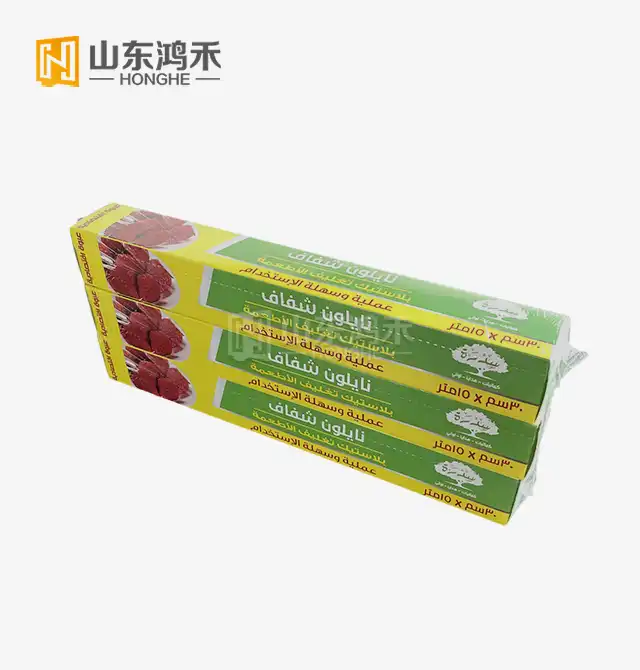
Shandong Honghe Plastics Co.,Ltd. is the company you can trust for high-quality food-grade plastic wrap options. They have advanced manufacturing skills and are dedicated to making sure their customers are happy. We started our business in 2017 and have since become experts at making high-quality PE and PVC cling films that meet international safety standards and go above and beyond what customers expect.
Our facility is conveniently located in Liu Guanzhuang Town, Shandong Province, which makes it easy to get to Qingdao port. This makes sure that logistics run smoothly and shipping costs are low for both domestic and foreign customers. Because of this location benefit, your bulk orders will be delivered faster and cost less to have shipped.
Standardized manufacturing methods and high-tech production equipment make sure that the quality of every batch of products is the same. Our ISO, CE, and FDA certifications show that we meet world standards for food safety, and our BSCI and WCA certifications show that we are committed to using responsible manufacturing methods.
We can quickly fill urgent orders because we have full inventory management, and our ODM and OEM skills let us make solutions that are exactly what you need for your packaging needs. Whether you need specific thicknesses, roll sizes, or formulations, our technical team can help you find answers that make your business run more smoothly.
Experience the difference that comes from working with a certified PE cling film for food manufacturer dedicated to your success. Our 24-hour after-sales service team stands ready to address any questions or concerns, ensuring smooth operations for your business. Request your sample kit today and discover why leading enterprises choose our products for their critical food packaging applications. For detailed product specifications and competitive bulk pricing information, contact us at tony@sdhhsl.com.
References
1. Robertson, G.L. (2021). Food Packaging: Principles and Practice, 4th Edition. CRC Press, Boca Raton.
2. Marsh, K. & Bugusu, B. (2020). Food Packaging Materials and Sustainability: A Review. Journal of Food Science, 85(3), 610-625.
3. Singh, P. & Sharma, V.P. (2019). Integrated Approach to Food Packaging Materials Selection. Packaging Technology and Science, 32(4), 187-203.
4. European Food Safety Authority (2022). Guidelines on Food Contact Materials: Plastics and Aluminum Applications. EFSA Journal, 20(8), e07456.
5. Williams, H. & Wikström, F. (2021). Environmental Impact Assessment of Food Packaging Materials: A Comparative Study. International Journal of Life Cycle Assessment, 26(7), 1394-1410.
6. Chen, L., Liu, M. & Zhang, Q. (2020). Performance Characteristics of Polyethylene Films in Food Packaging Applications. Food Chemistry, 312, 126089.