


_1750233969309.png)
Understanding HDPE Box Disposable Gloves: Material and Benefits
HDPE Box Disposable Gloves are manufactured using high-density polyethylene, a thermoplastic polymer known for its strength and chemical resistance. This material choice offers several advantages:
Superior Material Properties
The use of HDPE in these gloves provides exceptional durability and resistance to tears, punctures, and abrasions, making them suitable for a wide range of industrial tasks. Their robust construction ensures that workers can handle sharp objects, tools, and machinery safely without compromising hand protection. Additionally, HDPE offers excellent resistance to chemicals, including solvents, acids, and bases commonly encountered in manufacturing, automotive, and laboratory environments. This combination of mechanical strength and chemical protection allows employees to perform repetitive tasks or work in hazardous conditions with confidence, reducing the likelihood of accidents and ensuring workplace safety.
Comfort and Dexterity
Despite their durable nature, HDPE gloves are remarkably lightweight, flexible, and easy to wear for extended periods. The material’s elasticity ensures a snug fit that conforms to the hand, allowing for high levels of dexterity and precise handling of small components or intricate tasks. This is particularly important in assembly lines, laboratories, or food preparation environments, where fine motor skills are required. The lightweight construction also helps reduce hand fatigue during long shifts, enhancing worker comfort and productivity. Users benefit from gloves that provide both protection and ease of movement, striking an ideal balance between safety and functionality.
Cost-Effectiveness
HDPE Box Disposable Gloves offer an excellent balance between performance and affordability, making them a practical choice for businesses with high-volume glove requirements. Their durability ensures they can withstand longer periods of use compared to some other disposable materials, reducing the frequency of replacements and minimizing overall operational costs. Combined with the relatively low production cost of HDPE, these gloves offer significant value while maintaining reliable protection. For industries where gloves are frequently used, such as food processing, healthcare support, or manufacturing, investing in HDPE gloves allows companies to maintain workplace safety and hygiene standards without incurring excessive expenses.
Applications of HDPE Box Disposable Gloves in Various Industries
The versatility of HDPE Box Disposable Gloves makes them suitable for a wide range of industrial applications:
Manufacturing and Assembly
In manufacturing and assembly environments, HDPE gloves provide essential protection against cuts, abrasions, and chemical exposure. They are particularly useful on assembly lines where workers handle small parts or delicate components, requiring both hand protection and high dexterity. The gloves’ flexible design allows for precision in handling tools or performing repetitive motions while maintaining safety standards. Their chemical resistance also protects employees from incidental contact with industrial fluids, solvents, and cleaning agents. Overall, HDPE gloves support productivity, ensure worker safety, and maintain the integrity of products being handled, making them an indispensable tool in industrial production settings.
Food Processing and Handling
The food industry benefits greatly from HDPE Box Disposable Gloves due to their resistance to oils, fats, and other food residues. These gloves are ideal for food preparation, packaging, and handling, providing hygienic protection while complying with FDA standards for food contact. They prevent direct hand contact with food, minimizing contamination risks and ensuring safe handling practices. Their lightweight, flexible design allows workers to perform tasks efficiently without sacrificing comfort or dexterity. HDPE gloves help maintain food quality, safety, and compliance with industry regulations, making them a reliable and essential tool in commercial kitchens, food processing plants, and catering operations.
Healthcare and Laboratory Settings
While not intended for direct patient care, HDPE gloves are highly useful in healthcare support roles and laboratory environments. They provide protection against non-hazardous fluids, chemicals, and contaminants, making them suitable for sample handling, cleaning tasks, and administrative laboratory work. The gloves’ durability and lightweight design allow for prolonged use without discomfort, while their flexibility ensures that workers can perform precise tasks safely. In addition, HDPE gloves help maintain hygiene standards, reducing the risk of cross-contamination. Their cost-effectiveness and protective qualities make them an ideal choice for support staff, lab technicians, and other healthcare-related applications where disposable protection is necessary.
Automotive and Mechanical Work
Mechanics and automotive workers benefit from HDPE gloves due to their resistance to oils, greases, and various automotive chemicals. The gloves protect hands from minor cuts, abrasions, and contamination while allowing for precision in handling tools and parts. Their lightweight and flexible construction enables prolonged use without hand fatigue, while their durability ensures reliable protection in demanding environments. HDPE gloves are particularly useful in workshops, garages, and maintenance operations where repetitive tasks and exposure to chemicals are common. By providing a combination of safety, comfort, and dexterity, HDPE gloves help workers maintain efficiency and reduce the risk of workplace injuries.
Choosing the Right HDPE Box Disposable Gloves
When selecting HDPE Box Disposable Gloves for industrial applications, consider the following factors:
Size and Fit
Selecting the correct size and fit for HDPE Box Disposable Gloves is crucial for both comfort and safety. Gloves that are too tight can restrict movement, cause hand fatigue, and potentially compromise circulation, while oversized gloves may reduce dexterity and increase the risk of accidents. Most suppliers offer a range of sizes from small to extra-large, allowing users to find a perfect fit for their hand dimensions. Proper sizing ensures that workers can perform their tasks efficiently and safely, maintaining precision in handling tools, components, or food items while enjoying maximum protection and comfort during extended wear.
Thickness and Durability
HDPE gloves are available in varying thicknesses, typically ranging from 2 to 4 mil, allowing users to balance durability with sensitivity. Thicker gloves offer enhanced resistance to punctures, tears, and abrasive materials, making them suitable for industrial or mechanical applications. Thinner gloves provide greater tactile sensitivity, which is essential for tasks requiring precise manipulation or intricate handling. Choosing the appropriate thickness depends on the specific requirements of the work environment, ensuring that gloves provide adequate protection without compromising dexterity or comfort. Proper selection optimizes safety, performance, and productivity across different applications.
Texture and Grip
Some HDPE gloves feature textured surfaces, particularly on the fingertips and palm, to enhance grip and prevent slippage when handling wet, oily, or smooth objects. This texturing improves control and precision during tasks that require fine motor skills, such as assembly work, laboratory handling, or food preparation. For applications where maximum sensitivity is needed, smooth-surfaced gloves may be preferred to allow greater tactile feedback. The combination of texture and flexible material ensures that users maintain secure handling of objects while benefiting from comfort, protection, and operational efficiency in various work settings.
Packaging and Dispensing
HDPE Box Disposable Gloves are typically packaged in convenient dispensing boxes, making them easy to access quickly and hygienically. The box design allows for one-at-a-time glove removal, reducing the risk of contamination and improving workflow efficiency. Different box sizes and configurations can accommodate varying usage volumes, making it suitable for small-scale operations or high-volume industrial environments. Proper packaging and dispensing also help maintain glove integrity, ensuring that each glove remains clean, undamaged, and ready for immediate use, which is particularly important in food processing, laboratory, or healthcare applications.
Environmental Considerations and Disposal
While HDPE gloves offer numerous benefits, it's important to consider their environmental impact:
Recyclability
HDPE is a recyclable material, and many recycling facilities are equipped to process used HDPE gloves. By implementing a recycling program for used gloves, businesses can significantly reduce their environmental footprint and contribute to a circular economy. Collected gloves can be sorted, cleaned, and reprocessed into new products, helping to divert waste from landfills. Promoting recycling not only supports environmental sustainability but also demonstrates corporate responsibility and aligns with green initiatives, making HDPE gloves an eco-conscious choice for industries with high disposable glove usage.
Proper Disposal
When recycling is not feasible, proper disposal of HDPE gloves is essential to ensure safety and environmental compliance. Gloves that have been exposed to hazardous substances, chemicals, or biological contaminants must be disposed of according to local and national regulations to prevent harm to people, wildlife, and ecosystems. Even non-contaminated gloves should be disposed of responsibly, ideally through designated waste management channels. Following proper disposal protocols minimizes environmental impact, maintains workplace hygiene, and ensures that regulatory requirements are consistently met.
Sustainable Alternatives
For applications where single-use gloves are not strictly necessary, businesses should consider sustainable alternatives to minimize environmental impact. Reusable gloves made from durable materials can be cleaned and sanitized multiple times, reducing the volume of waste generated. Biodegradable or compostable gloves offer another eco-friendly option, breaking down naturally over time without leaving harmful residues. By assessing specific workplace needs and selecting appropriate alternatives, companies can maintain safety and hygiene standards while promoting sustainability, ultimately supporting both operational efficiency and environmental responsibility.
Conclusion
HDPE Box Disposable Gloves have become an indispensable tool in various industrial applications, offering a balance of protection, comfort, and cost-effectiveness. Their versatility makes them suitable for a wide range of tasks across different sectors. By understanding the properties and benefits of these gloves, businesses can make informed decisions to enhance worker safety and productivity while maintaining operational efficiency.
Frequently Asked Questions
Are HDPE Box Disposable Gloves suitable for medical use?
While HDPE gloves offer excellent protection in many industrial settings, they are not typically recommended for medical procedures. For medical applications, use gloves specifically designed and approved for healthcare settings.
Can HDPE gloves be used with all types of chemicals?
HDPE gloves offer good resistance to many chemicals, but they may not be suitable for all. Always check the chemical compatibility chart provided by the manufacturer before use with specific substances.
How long can HDPE gloves be worn?
The duration of wear depends on the application and level of contamination. Generally, it's recommended to change gloves regularly, especially after contact with hazardous materials or when they show signs of wear.
Why Choose Honghe Plastics for Your HDPE Box Disposable Gloves?
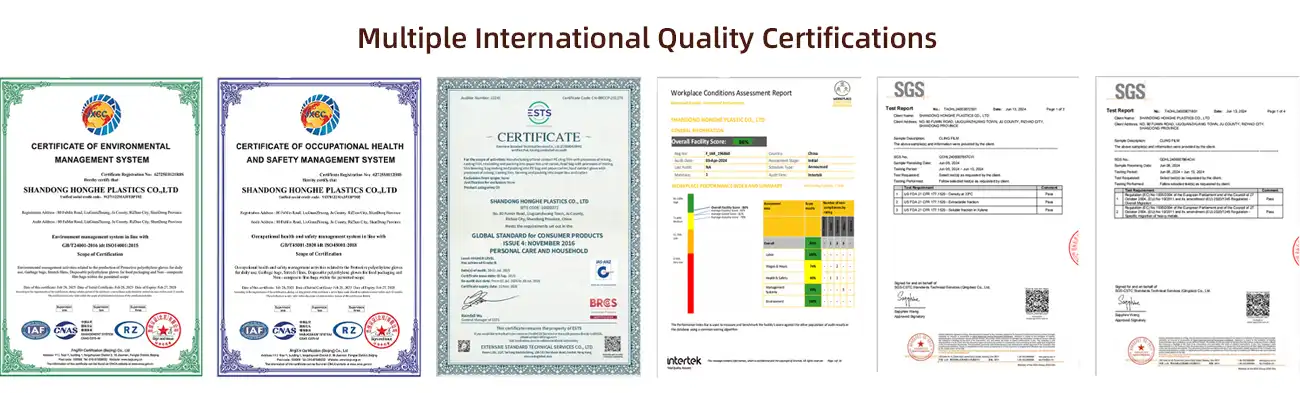
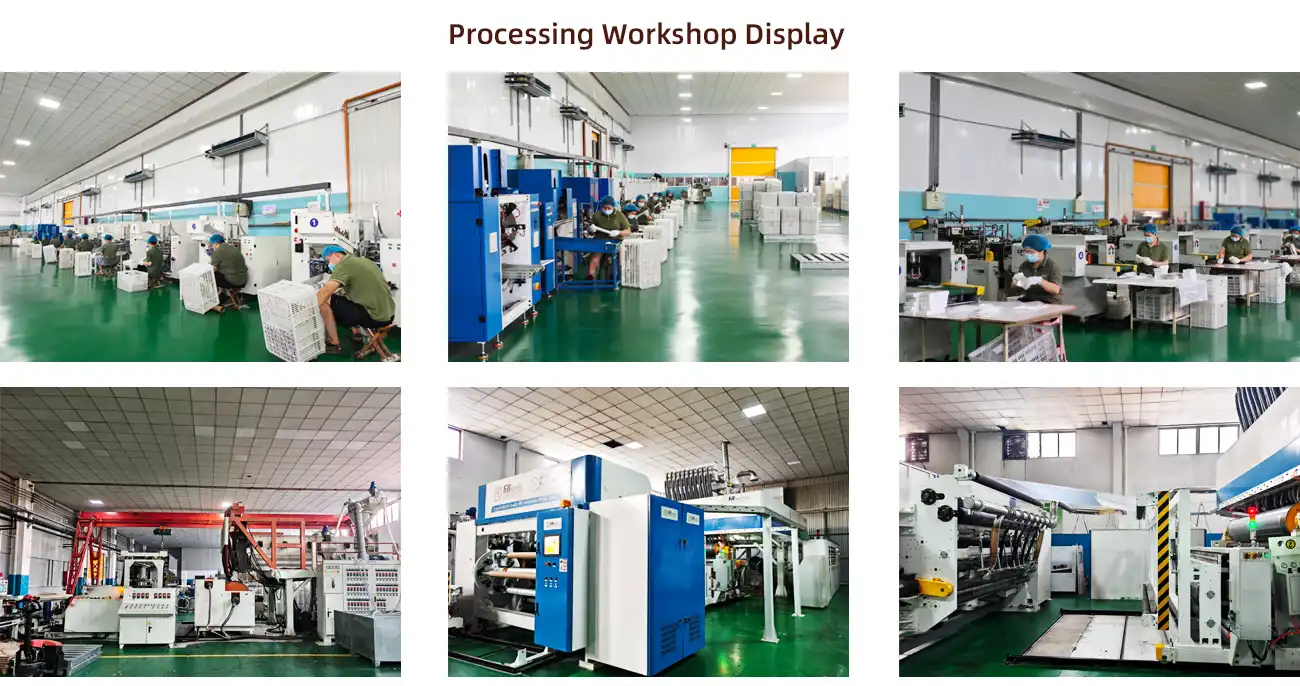
At Honghe Plastics, we pride ourselves on being a leading HDPE Box Disposable Gloves manufacturer and supplier. Our state-of-the-art factory utilizes advanced technology to produce high-quality gloves that meet international standards. We offer customizable solutions to meet your specific needs, backed by our experienced production team and dedicated sales staff. With a focus on innovation and customer satisfaction, we ensure that our HDPE gloves provide the perfect balance of protection, comfort, and value. For inquiries or to request samples, please contact us at tony@sdhhsl.com.
References
1. Johnson, A. (2022). "Industrial Applications of Disposable Gloves: A Comprehensive Review." Journal of Occupational Safety and Hygiene, 15(3), 78-92.
2. Smith, B., & Brown, C. (2021). "Comparative Analysis of HDPE and Nitrile Gloves in Manufacturing Settings." International Journal of Industrial Safety, 9(2), 145-160.
3. Lee, S., et al. (2023). "Environmental Impact Assessment of Single-Use Gloves in Industrial Applications." Environmental Science and Technology, 47(8), 3721-3730.
4. Garcia, M., & Rodriguez, L. (2022). "Advancements in Disposable Glove Materials: Focus on HDPE." Materials Science and Engineering: C, 125, 112100.
5. Wilson, R. (2021). "Optimizing Worker Safety: The Role of Disposable Gloves in Modern Industry." Occupational Health & Safety Magazine, 90(6), 22-28.