



Top PE Food Cling Film Options for Wholesale Buyers and Distributors
Selecting the right PE Food Cling Film requires understanding both technical specifications and supplier reliability. As a purchasing manager or supply chain professional, you need packaging materials that preserve freshness, meet stringent safety standards, and deliver consistent performance across high-volume operations. PE-based cling films have emerged as the preferred choice for food processors, catering enterprises, and logistics companies due to their non-toxic composition, recyclability, and versatile application range. This guide examines critical product options, compares material alternatives, and outlines procurement strategies to help you secure cost-effective, compliant solutions that strengthen your supply chain.
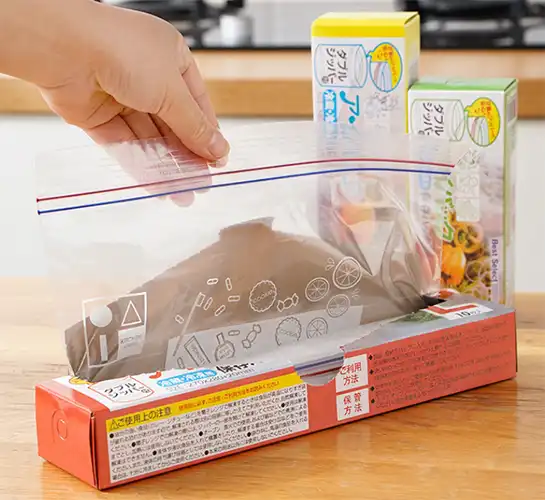
Understanding PE Food Cling Film: Key Features and Benefits
The flexible packaging called PE Food Cling Film is made from Low-Density Polyethylene (LDPE) or Linear Low-Density Polyethylene (LLDPE) using either the cast or blown film extrusion methods. PE Food Cling Film is safer than traditional PVC films because it doesn't use phthalate plasticizers. Instead, it uses safe additives like polyisobutylene (PIB) or the tackiness of the polymer itself. Because of this basic difference, there are no longer any health risks related to chemicals moving into fatty foods like cheese, butter, and fried meats.
Safety and Compliance Standards
Food-grade PE Food Cling Films are approved by the FDA for direct touch with food and are in line with EU Regulation 10/2011 on plastic materials. The substance doesn't change chemically between -60°C and +110°C, so the flavours don't transfer and the structure stays the same when stored in the freezer or heated up in the microwave. Because of these features, PE Food Cling Film is the only choice for situations involving lipophilic foods where plasticiser leaching could cause contamination.
Performance Characteristics That Matter
A good PE Food Cling Film’s technical structure strikes a balance between a number of performance factors. For normal uses, the thickness is usually between 8 to 12 microns, but it can be customised up to 20 microns for heavy-duty use. The material does a great job of keeping moisture barriers out while still letting some oxygen transmission rates through. This is an important balance that lets fresh food breathe naturally, which extends its shelf life by stopping anaerobic bacteria growth. High elongation at break makes sure that the film can stretch without breaking when wrapping things that aren't perfectly round, and high puncture resistance keeps the film safe from meat with bones and vegetables with sharp edges.
Transparency is still an important requirement. Low amounts of haze make it possible for shoppers to see clearly through chilled store displays, so they can look at packaged goods without having to open them. Anti-fog additives keep cold storage areas from getting too wet, so the goods look good all the way through the transport chain.
Top PE Food Cling Film Options for Wholesale Buyers and Distributors
Professionals in procurement deal with a wide range of product variations that are designed to meet specific operational needs. Knowing about these groups helps you make purchases that meet the technology needs and quality standards of your building.
Standard Food-Grade PE Rolls
PE Food Cling Film that can be used for many things is the engine of food businesses, central kitchens, and home delivery systems. There are 300–500 mm wide rolls with lengths of 300–1500 meters per roll. These rolls can be used for both manual wrapping stations and semi-automated dispensing systems. The substance sticks reliably to glass, ceramic, and stainless steel surfaces, making airtight seals that keep leftovers, prepared ingredients, and dough products fresh for a short time. Standard cutter boxes and industrial dispensers can work with core sizes of 38mm or 76mm.
High-Performance Freezer-Grade Films
For cold chain logistics and processing frozen food, you need special formulas that stay flexible at temperatures below zero. Freezer-grade PE Food Cling Film keeps things from breaking down at temperatures as low as -60°C, keeping things safe from freezer burn while they are stored for a long time. Better puncture resistance protects fish and meat packages from ice crystal damage, and better adhesion when exposed to moisture keeps packages from opening when temperatures change. This group is very important for distribution centers that handle long-distance frozen transport or public kitchens that use large freezers a lot.
Biodegradable and Compostable Alternatives
Sustainability requirements are having a bigger impact on how companies buy things, especially store chains and food makers that care about the environment. Newer biodegradable PE Food Cling Films have extra ingredients that help them break down faster in industrial waste settings while still meeting food safety standards. Resin Identification Code 4 is on these items, and they meet ASTM D6400 guidelines for being able to be composted. Even though they are usually cost 15–25% more than regular films, they may be worth the extra money because they help companies meet their sustainability goals and appeal to customers who care about the environment.
Customized Printed Films for Brand Differentiation
Printed PE Food Cling Films with logos, handling instructions, or nutritional information are helpful for private label distributors and OEM clients. Digital and flexographic printing technologies make it possible to customise small quantities without having to pay a lot of money for setup. Printed films help people recognise brands in stores and put instructions for safe handling right on the package. Different suppliers have different minimum order amounts, but for custom designs, they usually start at 500 to 1000 kg. This means that mid-sized businesses that want to stand out in the market can use this option.
Odor Barrier Variants for Specialty Applications
Some types of food, like aged cheeses, salted meats, and fermented goods, need better barrier qualities than regular PE Food Cling Films. Specialised formulations have extra layers or coverings that stop the flow of air while stopping the flow of smells. These multi-layer structures keep shared refrigeration spaces clean, which makes them useful for delis, speciality food shops and cold storage facilities that are used for more than one thing.
Comparing PE Food Cling Film with Alternative Food Wrap Materials
To make smart decisions about where to get materials, you need to know how different types of PE Food Cling Film stack up against other materials in terms of safety, cost, and the environment.
PE Versus PVC: Safety and Environmental Profiles
PVC cling films used to be the most popular way to package food because they stuck better and were cheaper. But worries about phthalate plasticizers' effects on health, like DEHA (di-2-ethylhexyl adipate), have led to new rules and changes in the market. Studies show that plasticizer migration can move from PVC films into high-fat foods, especially when the films are heated or come into touch with the foods for a long time. Because they don't have any plasticisers or chlorine chemicals, PE Food Cling Films completely remove this risk. From an environmental point of view, polyethylene is better because it is easier to recycle and doesn't produce dioxin when it is burnt, which is very important as cities and towns make waste management rules tighter.
Cost-Efficiency Analysis
PVC films usually cost less per kilogram, but when you figure out the total cost, you have to take into account the required material thickness, the yield per roll, and the compliance risks. PE Food Cling Films usually need to be a little thicker to have the same level of puncture protection, but because they are more flexible, they can often cover the same area at a lower cost. By negotiating directly with manufacturers, bulk buying agreements can cut the price of film by 20 to 30 percent compared to what distributors charge, especially for standard specifications.
Thickness and Stretchability Trade-offs
PE Food Cling Films have a higher elongation at break than PVC wraps, which means that smaller sizes can work well in tough situations. Films that are 10 microns thick often have the same tear strength as PVC films that are 12 microns thick. This efficiency cuts down on the amount of material used per wrapped unit, which improves sustainability measures while keeping safety standards the same. When buyers look at samples, they should ask for tensile strength data (usually measured in the MD/TD direction) and elongation percentages to make sure that the specs match the needs of the production equipment and the way the materials need to be handled.
Procurement Considerations for Wholesale Buyers and Distributors
To build trusting relationships with suppliers, you need to carefully look at their skills, product certifications, and service infrastructure.
Essential Certifications and Documentation
Manufacturers with a good reputation keep their licenses up to date, such as ISO 9001 for quality management, FDA compliance for U.S. markets, and EU 10/2011 conformity for sale in Europe. Ask for full migration test reports that show you've met certain monomer and additive limits. BSCI or WCA licenses show that a company follows fair labour standards, which is becoming more and more important for reporting on corporate social responsibility. Suppliers should give certificates of conformity that are specific to each batch and keep traceability systems that connect lots of raw materials to finished rolls.
Evaluating Supplier Reliability and Capacity
Production capacity has a direct effect on how much you can grow your business without having to worry about supply problems. Manufacturers with more than one extrusion line can move capacity around during maintenance windows to keep lead times stable. Find out about the company's standard production lead times (15–25 days for standard specifications), minimum order quantities (10–3000 kg), and how much inventory buffers is kept on hand for repeat customers. Being close to big ports like Qingdao makes moving containers faster and cheaper, which is an important factor to consider when doing business internationally.
Customization Flexibility and Sampling Protocols
Leading providers let you change the thickness customization by 2 microns at a time, the width adjustments to fit current equipment, and the core diameter. On mid-volume orders, there are no extra fees for these choices. Before you agree to full production runs, ask for complimentary samples that are made to your exact specs. Do thorough tests that cover how well it sticks to target surfaces, how well it resists punctures with common product shapes, and how well it works with automatic packing machinery.
Logistics and After-Sales Support
Logistics management that works well separates good providers from average ones. Check to see what kinds of packaging protect rolls during ocean freight, how densely containers are usually loaded, and what kinds of paperwork are needed to get goods through customs. after-sales service that is quick to respond—ideally available 24 hours a day—answers technology questions, speeds up reorders, and takes care of quality issues right away. If your suppliers offer consignment inventory programs or vendor-managed inventory systems, you can lower the amount of operating capital you need while still getting just-in-time delivery.
Environmental and Safety Aspects of PE Food Cling Films
Buying decisions in the food industry are being affected by the need to balance environmental responsibility with operational performance more and more.
Regulatory Compliance and Food Safety
PE Food Cling Film doesn't react with other chemicals, so it stays solid in food uses where the pH level changes and the temperature changes a lot. Unlike materials that have plasticisers or stabilisers in them, food-grade PE doesn't let any substances into foods when it's used normally. This built-in safety design makes compliance paperwork easier and lowers the risk of harm. As regulations change, especially when it comes to new worries about microplastics and nanoparticle migration, ongoing compliance is checked by third-party testing by accredited laboratories.
Recycling Challenges and Circular Economy Solutions
Even though PE Food Cling Film can theoretically be recycled, recovering post-consumer wrap is hard to do in real life. Mechanical recycling processes are made harder by the fact that lightweight materials and food leftovers can make them dirty. Film plastics are often not picked up at the curb by many city services, so used wrap ends up in landfills. To deal with this problem, forward-thinking suppliers join film collection programs and form relationships with specialised recyclers. Some manufacturers now have take-back programs for businesses that collect clean film waste in large enough amounts to be reprocessed.
Biodegradable Innovations and Compostable Films
New discoveries in material science have led to the creation of approved compostable PE Food Cling Films that break down in 180 days when put in industrial composting circumstances. These items keep their food safety certifications while breaking down into carbon dioxide, water, and biomass without leaving behind any harmful substances. Many places still don't have enough recycling infrastructure, but forward-thinking sourcing professionals are testing these materials in places where organic waste is already processed, making their companies the leaders in sustainability.
Conclusion
To choose the best PE Food Cling Film, you have to find a balance between performance requirements, supplier dependability, and environmental concerns. Polyethylene-based wraps keep food safe because they don't contain any plasticisers. They can also be used in a wide range of temperatures and have more environmentally friendly ways to be thrown away. Wholesale buyers and distributors can find good suppliers by looking at their certifications, production capacity, ability to make changes, and logistics infrastructure. Procurement pros can build long-lasting partnerships that support operational excellence and business sustainability goals while keeping costs low by asking for samples, testing thoroughly, and setting up clear lines of communication.
FAQ
How long does PE cling film preserve food freshness compared to other wraps?
PE Food Cling Film usually keeps food fresh for 3–7 days in the fridge, the same amount of time as or longer than PVC alternatives. The moderate oxygen transfer rate keeps the environment from becoming completely anaerobic, which would make veggies go bad faster, and the excellent moisture barrier keeps them from drying out. For short-term storage, meats and cheeses packed in film have the same shelf life as those vacuum-sealed options. However, vacuum sealing is still better for long-term storage beyond two weeks.
Can PE food cling film be used safely in freezers and microwaves?
Good food-grade PE Food Cling Films work reliably from -60°C to +110°C, so you can store them in the freezer and reheat them in the microwave. The material stays flexible at temperatures below zero without breaking, and when used in a microwave, it doesn't melt or give off any dangerous chemicals. But users should avoid direct touch with the heating elements and poke holes in the film to let steam escape during warming so the package doesn't break.
What are typical minimum order quantities for customized PE cling film rolls?
Minimum order quantities depend on the supplier and how complicated the customisation is. Standard specifications for stock widths and thicknesses usually call for 1000–1500 kg minimums, which are about 80–120 rolls, depending on the size. For production line changeovers to make sense, minimums usually go up to 2000–3000 kg for custom printing, special additions, or non-standard lengths. Well-known sources let you test out sample sizes of 5 to 10 rolls before committing to full production runs.
Partner with Shandong Honghe Plastics Co.,Ltd. for Reliable PE Food Cling Film Supply
Shandong Honghe Plastics Co.,Ltd. has specialized in manufacturing premium PE Food Cling Film since 2017, serving industrial food processors, catering enterprises, and distribution networks across North America and Europe. Our Qingdao-adjacent facility operates advanced cast extrusion lines producing films from 8-20 microns in customizable widths from 300-500mm, with roll lengths extending to 1500 meters. Holding ISO 9001, FDA, CE, BSCI, and WCA certifications, we guarantee compliance with international food safety standards while maintaining competitive pricing through efficient production management.
We understand purchasing managers require both product excellence and supply chain reliability. That's why we offer complimentary sampling, customization without prohibitive minimums, and maintained inventory buffers ensuring consistent availability. Our 24-hour technical support team quickly answers questions about specifications, and our partnerships with transportation companies make it easy to ship containers from Qingdao port. Whether you need standard food-grade rolls for immediate deployment or custom-printed films for brand differentiation, our team delivers solutions aligned with your operational requirements and budgetary parameters.
Contact tony@sdhhsl.com today to discuss your PE Food Cling Film requirements with our procurement specialists and receive detailed product specifications tailored to your application needs.
References
1. Hernandez, R.J., & Giacin, J.R. (2018). Factors Affecting Permeation, Sorption, and Migration Processes in Package-Product Systems. Journal of Food Science, 83(5), 1237-1249.
2. Robertson, G.L. (2016). Food Packaging: Principles and Practice (3rd ed.). CRC Press, Boca Raton, FL.
3. Marsh, K., & Bugusu, B. (2017). Food Packaging—Roles, Materials, and Environmental Issues. Journal of Food Science, 72(3), R39-R55.
4. European Food Safety Authority (2019). Scientific Opinion on the Safety Evaluation of Polyethylene for Food Contact Applications. EFSA Journal, 17(4), 5623.
5. Schwarz, A.E., Ligthart, T.N., & Godoi, R.H. (2020). Sources, Transport, and Accumulation of Different Types of Plastic Litter in Aquatic Environments: A Review Study. Marine Pollution Bulletin, 143, 92-100.
6. Siracusa, V., Rocculi, P., & Romani, S. (2018). Biodegradable Polymers for Food Packaging: A Review. Trends in Food Science & Technology, 78, 254-269.