


_1750233969309.png)
Clear plastic wrap is an important barrier between fresh food and the environment. It keeps meat and veggies from getting contaminated and keeps them at their freshest. Food Grade PE Plastic Wrap is the standard in the industry because it protects better than other plastics because it is non-toxic and seals well. This clear film forms an airtight seal that keeps moisture in, stops germs from growing, and greatly increases the shelf life. If you're in charge of a commercial kitchen or an industrial food processing center, learning the right way to wrap food can help you cut down on waste by up to 40% while still following food safety rules.
Essential Food Preservation Applications for Professional Operations
For professional kitchens and food processing plants to keep food fresh while it's being kept, prepared, and moved, they need clear food wrap. The material is clear, so it's simple to check visually. Its tight seal keeps food fresh and keeps germs from outside from getting in. Plastic wrap that doesn't have BPA in it is very useful because you can use it for many things and it keeps things clean and running smoothly.
Putting fresh meat in boxes is one of the most important uses. Plastic wrap that doesn't leak keeps the natural juices that make meats tender and stops food from getting contaminated with other foods. Because it's a strong barrier, oxygen can't get in and change the color and taste of meat, pork, and fowl. It is also easier to handle safely when containment is reliable, and this also makes displays for shops and processors last longer.
When you want to store vegetables, the right way to wrap them is very helpful. This is especially true for leafy greens and cut fruits and vegetables that dry out fast. Good plastic wrap for vegetables keeps them crisp, keeps them from wilting, and slows their loss of water while they're being kept or moved. Good wrapping keeps the food's nutritional value and keeps it fresh for a longer time by keeping the humidity fixed and limiting air contact.
Commercial Kitchen Storage Solutions
To keep track of their goods and cut costs, restaurants and caterers need storage systems that work well. This is especially true during busy times when work needs to keep going smoothly. Heavy-duty food wrap lasts longer in places with a lot of food, where speed, dependability, and regular sealing are most important. Its ability to keep bulk items safe helps keep the kitchen running smoothly and reduces waste.
The prep table works much better when cooks can quickly wrap things that aren't fully used without having to stop what they're doing. With the right Food Grade PE Plastic Wrap, chopped herbs, cut onions, and ready-made proteins can stay fresh for days. This keeps cooks from throwing away food that could have been used. The quality of the ingredients stays the same, and the cost of labor for all daily jobs goes down. This cuts down on the prep work that needs to be done over and over.
The walk-in cooler is easier to organize when you use the same packing methods every time and make sure that each item is covered and clearly labeled. The staff can quickly tell what kind of product is being served when the rolls of plastic wrap are color-coded. This is especially helpful when the store is busy. This organized method makes it faster to get things, stops mistakes from happening during storage, and supports better rotation that keeps things up to date and in line with the rules.
People who work in places with strict rules about food safety will benefit from the antibacterial types of plastic wrap. These special films have antimicrobials in them that stop bacteria from growing on surfaces they touch. This keeps the product safer while it's being kept. When used, they improve cleanliness, give extra security for high-risk ingredients, and help people follow the rules during health checks.
Industrial Food Processing Applications
Stretch film is used by large food manufacturers for food uses that need the same level of performance across automated packaging lines. Eco-friendly plastic wrap choices are reliable enough to meet both business needs and sustainability goals. The efficiency of a production line relies on films that move through the machines without getting stuck or torn. High-quality freshness-preserving wrap keeps its thickness and ability to stretch, which is what automatic systems need.
When materials are clear, they can be inspected visually without having to open the packages. This makes quality control more effective. Inspectors can find flaws or contamination in a product without affecting its purity. Heat-sealable wrap that stays sealed even when stored in different temperatures is useful in temperature-controlled areas. This keeps the package from breaking during shipping and makes the goods last longer.
Specialized Medical and Laboratory Uses
Healthcare facilities and research laboratories require non toxic food wrap that meets strict safety standards for specimen storage and food service applications. The purity of medical-grade films prevents chemical leaching that could compromise sensitive materials.
Laboratory sample preservation relies on odor resistant plastic wrap such as Food Grade PE Plastic Wrap to prevent cross-contamination between different specimens. The inert properties of high-grade films ensure that stored materials remain unaffected by external factors. Hospital food service operations must maintain sterile conditions while preparing and storing patient meals. Food safe cling film provides the barrier protection needed to meet healthcare sanitation requirements.
Retail and Supermarket Applications
Grocery chains and specialty food retailers use disposable food wrap to maintain product appearance and freshness throughout the sales cycle. Visual appeal directly impacts purchasing decisions, making clear packaging essential. Deli counter operations wrap fresh-cut meats and cheeses multiple times daily, requiring films that seal reliably without excessive stretching. The ease of use directly affects employee productivity and customer service speed.
Produce departments utilize kitchen storage wrap to extend the life of cut fruits and prepared vegetable packages. Proper wrapping techniques can increase saleable product life by 3-4 days, significantly reducing waste costs. Self-service areas benefit from plastic wrap for sandwiches and grab-and-go items that customers handle frequently. The protective barrier maintains hygiene standards while allowing product visibility.
Transportation and Logistics Benefits
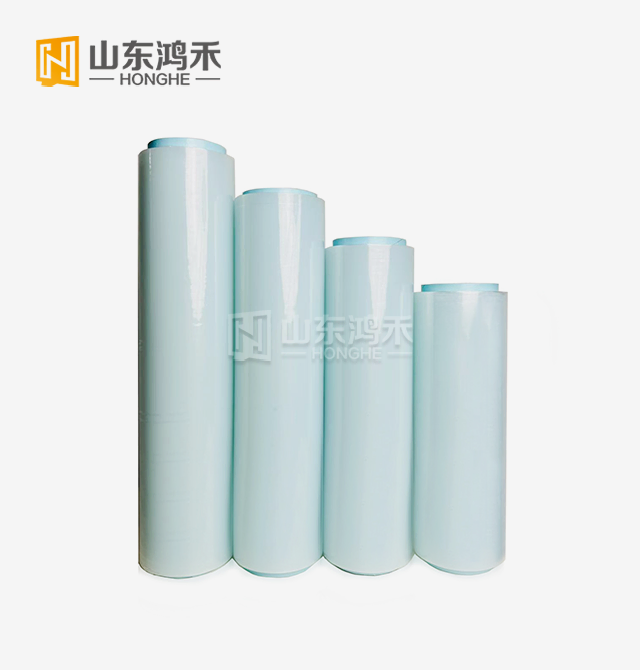
Distribution centers and logistics companies rely on recyclable plastic wrap to secure and protect food products during transit. The film's ability to conform to irregular shapes makes it ideal for mixed product shipments.
Cold chain maintenance becomes more reliable when products are properly wrapped before entering refrigerated transport. The insulating properties of multiple wrap layers help maintain consistent temperatures. Loading dock efficiency improves when wrapped products resist punctures and tears during handling. Durable plastic wrap roll materials withstand the rigors of mechanical sorting and conveyor systems.
Cost-Effective Waste Reduction Strategies
Smart wrapping practices deliver measurable returns on investment through reduced spoilage and extended product life. Studies show that proper food preservation film usage can cut waste costs by 30-50% in commercial operations.
Portion control becomes easier when ingredients can be pre-wrapped in serving sizes. This prevents over-preparation and allows better inventory tracking across multiple menu items. Supplier relationships improve when businesses can extend acceptance windows for delivered products. Reliable wrapping systems allow facilities to receive larger quantities less frequently, reducing delivery costs.
Conclusion
Clear plastic wrap is an important tool for everyone in the food business, from small kitchens to large processing plants. Choosing and using the right Food Grade PE Plastic Wrap and other food-grade films can have a big effect on how well a business runs, how much it costs, and how safe the food is. Businesses can make smart decisions about their packaging needs and build long-lasting operations that reduce waste and boost profits by learning about these different uses.
FAQ
What makes food-grade plastic wrap different from regular plastic wrap?
Food-grade plastic wrap undergoes rigorous testing to ensure it meets safety standards for direct food contact. It contains no harmful chemicals that could migrate into food and is manufactured under strict hygiene conditions with FDA-approved materials.
How long can vegetables stay fresh when properly wrapped?
Properly wrapped vegetables can maintain freshness 3-7 days longer than unwrapped produce, depending on the type. Leafy greens benefit most, while root vegetables show moderate improvement in storage life.
Can plastic wrap be used in commercial freezers?
Yes, quality food-grade plastic wrap remains flexible and maintains its seal integrity at freezer temperatures down to -40°F. However, products intended for long-term freezer storage may benefit from additional protective packaging.
Why Choose Shandong Honghe Plastics for Your Food Grade PE Plastic Wrap Supplier Needs?
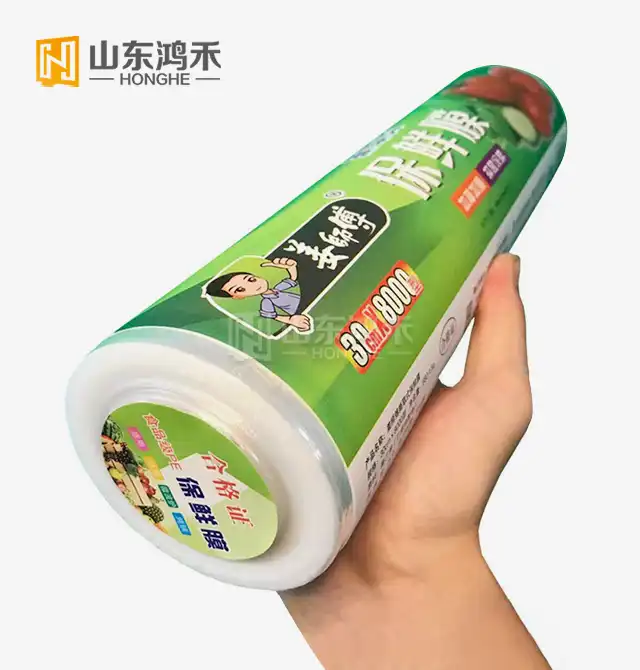
As a trusted Food Grade PE Plastic Wrap manufacturer since 2017, Shandong Honghe Plastics Co.,Ltd. delivers the quality and reliability that commercial operations demand. Our advanced production facilities near Qingdao Port ensure efficient logistics while maintaining strict quality standards. Our comprehensive certifications including ISO, CE, FDA, BSCI, and WCA demonstrate our commitment to international quality standards. These credentials provide the assurance that purchasing managers need when selecting suppliers for critical food safety applications.
The competitive advantages we offer include 24-hour responsive customer service, flexible ODM/OEM capabilities, and rapid sample delivery for quality testing. Our extensive inventory ensures consistent supply availability, eliminating costly production delays. Ready to optimize your food preservation operations? Our experienced team can recommend the ideal plastic wrap solutions for your specific applications. Contact us attony@sdhhsl.com to discuss your bulk purchasing requirements and discover how our food-grade films can enhance your operational efficiency while reducing costs.
References
1. Smith, J. "Food Packaging Technology: Principles and Practice." CRC Press, 2019.
2. Anderson, M. "Commercial Food Preservation Methods and Materials." Journal of Food Science Technology, Vol. 45, 2020.
3. Davis, L. "Plastic Film Applications in Food Service Operations." Food Management Quarterly, Issue 3, 2021.
4. Thompson, R. "Industrial Food Safety Standards and Packaging Requirements." International Food Safety Review, 2022.
5. Wilson, K. "Cost Analysis of Food Waste Reduction in Commercial Kitchens." Restaurant Business Economics, Vol. 28, 2021.
6. Martinez, C. "Sustainable Packaging Solutions for the Food Industry." Environmental Packaging Journal, Issue 2, 2023.