



What Is Machine Grade Cling Film Used For?
Machine Grade Cling Film is an industrial-strength plastic wrapping material specifically engineered for compatibility with automated packaging machinery used across high-volume food processing facilities, supermarket distribution centers, and commercial kitchens. Unlike manual wrapping solutions, this specialized film withstands the mechanical tension, rapid heating cycles, and stretching forces exerted by automated wrappers such as Ishida, Digi, and Omori systems. The film's optimized slip and cling properties enable high-speed wrapping operations—often exceeding 30 packages per minute—while maintaining hermetic seals that preserve product freshness, prevent contamination, and extend shelf life during cold chain logistics.
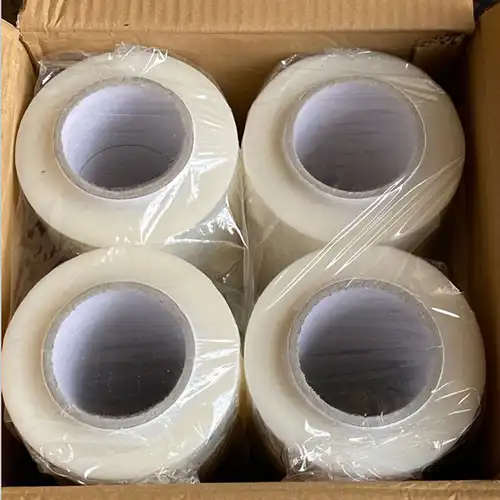
Understanding Machine Grade Cling Film
What Distinguishes Machine Grade from Manual Wrapping Films?
In the world of industrial packaging options, Machine Grade Cling Film is its own group. High-quality PVC or polyethylene formulations are used to make the material, which is best for automated systems rather than manual application. The film is usually between 10 and 30 microns thick, and the gauge uniformity is kept to within ±5% difference. This is an important requirement that keeps burn-through or weak seals from happening during the automatic cutting and sealing stages. The structure of the film balances two qualities that are at odds with each other: the outer layer needs to be able to slip through machine rollers without getting stuck, and the inner layer needs to stick strongly to tray surfaces during the heating belt process.
Certifications and Food Safety Compliance
When choosing packaging materials for direct food contact, product safety is still the most important thing. Many Machine Grade Cling Films are certified to meet strict rules, such as FDA 21 CFR standards and EU 10/2011 regulations, which means they can be used for direct food packaging. Testing for migration makes sure that plasticizers like DOTP or ESBO, which are used in PVC-based products, stay safe and don't get into fatty foods. These licenses ease the worries of buying managers about product safety and following the rules. This is especially important for food processing and catering companies that handle perishable goods while being closely watched by the health department.
Key Applications and Benefits of Machine Grade Cling Film
Critical Applications Across Food Processing Industries
Machine Grade Cling Film options can be used in a lot of different business areas because they are so flexible. In centralized meat and chicken processing plants, the film is better at resisting punctures from bone protrusions while still being tight enough to keep blood from leaking out or getting contaminated during cold chain logistics. At supermarket weigh-wrap-label stations, the films used are specially designed to work with the equipment there. They can withstand the mechanical elevator stretching mechanism and form instant thermal seals on heat pads.
Oxygen Transmission Rates (OTR) must be customized for agricultural product packing, especially for vegetables and mushrooms. Films used in this industry usually have tiny holes in them or are specially made to let air pass through them. This keeps food from going bad without oxygen and prevents condensation from forming while the humidity changes during transport by hydro-cooling.
In addition to food, this wrapping option is used by industrial businesses and logistics firms to keep pallets and individual items safe during storage and transport, protecting them from dust, wetness, and damage. Because the film is clear, barcodes can be read without having to unwrap the items, which makes inventory management easier.
Operational Efficiency and Cost Advantages
When compared to old-fashioned ways of wrapping, automatic film systems make operations much better. When purchasing managers look at upgrading their packaging lines, machine grade solutions are a good choice because of the following benefits:
- Better Packaging Speed: Automated wrapping systems can handle 30 or more items per minute, which is much faster than human methods and saves money on labor costs that come with doing the same thing over and over again.
- Less Material Waste: Precise film application managed by machinery gets rid of the wasteful use of material that happens when wrapping things by hand, where people often put on more film than is physically necessary.
- Consistent Product Presentation: Even tension and sealing make packages look professional and drum-tight, which improves their appeal on store shelves and how people think of the brand.
- Longer Shelf Life: Hermetic covers keep air out and keep wetness in, which keeps the quality of the product and cuts down on inventory losses caused by spoilage.
These practical benefits directly address the problems that supply chain managers face when they try to improve warehouse processes while still upholding quality standards for products. Buying compatible equipment and good film at the start will pay off in the long run by cutting down on labor hours, material costs, and product loss.
How to Choose the Right Machine Grade Cling Film for Your Business?
Evaluating Technical Specifications
To choose the right wrapping materials like Machine Grade Cling Film, you need to know the key performance indicators that affect the success of your operations. Tensile strength and elongation, which are usually tested using ASTM D882 testing procedures, show if film can withstand being stretched by a machine without breaking. When high-quality films break, they stretch 200 to 400%, which lets them be stretched tightly over goods without letting go or losing their presentation integrity. When packing things with sharp edges or odd shapes, puncture resistance is very important to keep the wrap from coming apart during transport and handling.
Cling and tack levels need to be carefully thought out based on how well they stick to the substrate. The film has to stick consistently to different box materials, like PP, PET, and EPS, while also coming off the roll easily when it's unwound. Specifications for coefficient of friction (COF) make sure that rollers pass film regularly without getting stuck or causing tension problems that stop production lines.
Material Composition and Environmental Considerations
Because business needs are different across industries, choosing the right material depends on the situation. Standard PVC formulations are very clear and have good seal strength, but whether they can be used with fatty foods depends on the plasticizers that are used. Polyolefin (PO) alternatives work better for pure oils and fats and address environmental concerns about plasticizer migration. Some people who work in buying now give more weight to biodegradable film choices that keep their performance while also supporting the green goals of their companies.
For applications that need to be kept cool, anti-fog properties are important. When temperatures drop below 4°C, films made with high-performance detergents stop condensation misting. This keeps products visible with haze levels below 1.5%, which is an important requirement for store displays where customers decide what to buy based on visual inspection.
Supplier Credibility and Certification Verification
Choosing manufacturers with industry certifications makes sure that the products are reliable and that the rules are followed. Reliable providers keep up with ISO quality control systems, get the right food safety certifications, and do regular migration testing to make sure the safety of their materials. Evaluating supplier capabilities extends beyond product specifications to encompass logistics reliability, technical support availability, and customization flexibility. Long-term relationships with reliable sellers lower the risk of buying things by making sure stable quality, on-time delivery, and quick problem-solving when machine compatibility issues come up.
Procurement Guide for Machine Grade Cling Film
Understanding Ordering Parameters and Pricing Structures
To make good procurement plans for Machine Grade Cling Film, you need to know the minimum order quantities and the customization options that are available. The width of a roll is usually between 300 mm and 500 mm, and for high-volume automatic systems, the length can be more than 1500 meters. Manufacturers like Shandong Honghe Plastics Co., Ltd. offer specs that can be fully customized to fit the machinery setups and packing needs of each client. This means that they can meet the needs of a wide range of businesses, including industrial ones, food makers, and logistics firms.
Structures of prices encourage smart group buying by offering savings based on volume, which raises cost-effectiveness ratios. Managers of procurement should figure out how much each unit costs across different levels of amount, taking into account store space and inventory turnover rates. Many business-to-business buyers are price conscious, but they also care about quality. If low-quality film causes a lot of machine jams or seal failures, it costs more in lost production time and wasted goods than buying high-quality materials up front.
Logistics and Delivery Considerations
Streamlining supply chain operations means working with suppliers who can provide reliable logistics support. Being close to important ports, like where Shandong Honghe Plastics is located near Qingdao Port, makes foreign shipping more efficient and cuts down on transit times. Suppliers who keep enough of an eye on their stock can keep production plans from getting thrown off by stock-outs. This meets the stable supply needs that operations managers who are in charge of coordinating packing lines need. Rapid response times and flexible order fulfillment allow for changes in demand that come up out of the blue without forcing buyers to keep too much safety stock.
Film dispensers and cutter mechanisms are examples of complementary packaging accessories that make work go more smoothly. Supply companies that offer more than just raw materials show that they understand the challenges warehouse managers and production teams face. Samples are available for free, which lets customers check the quality before placing large orders. This supports the logical buying behavior of B2B decision-makers who put verification ahead of vendor selection.
Sustainability and Recycling of Machine Grade Cling Film
Addressing Environmental Impact Through Innovation
As corporate responsibility standards change, sustainability concerns for Machine Grade Cling Film have a bigger impact on the choice of packaging materials. Many people think that all plastic films are bad for the environment, but new technologies have shown that properly made materials can have a smaller impact on the environment while still performing well. Biodegradable formulations can now match the strength, clarity, and seal integrity of traditional choices. This means that businesses can meet their green goals without sacrificing their practical needs.
When film companies put money into research and development, they make materials that can be used in industrial composting sites or that are made for mechanical recycling lines. Polyolefin-based films can be recycled better than PVC ones, which makes them appealing to procurement professionals who are looking at the environmental impact over the course of a product's life. Working with suppliers who are ahead of the curve makes it easier to get new, environmentally friendly options as they become viable for business.
Implementing Recycling Protocols
Businesses can reduce trash by treating and getting rid of it in the right way. Keeping used film separate from other trash makes it possible to recycle and recover it, especially for post-industrial waste that is still mostly clean and uncontaminated. By working together with recycling service providers, you can make sure that materials go to the right places to be processed instead of ending up in dumps. Some forward-thinking providers have take-back programs or can connect customers with recycling networks. This shows environmental responsibility, which is appealing to B2B clients who want to reduce their long-term environmental impact.
Conclusion
Machine Grade Cling Film is an important part of current automated packing systems used in the food preparation, store delivery, and industrial logistics industries. The special making of the material makes it possible to wrap things quickly while still protecting them, following the rules, and running the business efficiently. To choose the right film specs, you need to look at technical performance measures, material makeup, supplier certifications, and environmental concerns that are in line with your business needs. Strategic procurement methods that balance quality, cost-effectiveness, and stable supply partnerships lead to gains in operations that can be measured. As environmental standards change, new biodegradable alternatives become more and more practical ways to lower environmental impact without sacrificing performance. This puts forward-thinking businesses in a good position to meet both current operational needs and future sustainability requirements.
FAQ
Q1: Why does film frequently snap on automated wrapping equipment?
A: When a Machine Grade Cling Film breaks a lot, it's usually because the tension settings don't match up with the film's gauge or elongation limits. When the roll is under a lot of stress, tiny damage along the edges can lead to propagation tears. Managers in charge of buying things should make sure that the film's specs match the manufacturer's suggestions and check arriving rolls for damage to the edges before putting them into machines.
Q2: Can PVC machine grade film be used safely with fatty food products?
A: Plasticizers that are used in standard PVC formulas may move into fatty foods. Suppliers should show proof that they follow FDA or EU standards by showing proof of migration testing. On the other hand, polyolefin-based films made especially for fatty touch are safer for use with oils, cheeses, and other goods high in lipids.
Q3: What causes bottom seals to open after wrapping completion?
A: Most seal failures are caused by sealing belts that don't stay in place long enough or film sealing temperatures that are too high or too low compared to the machine's heat plate settings (usually 110°C to 140°C). Most problems with seal integrity can be fixed by comparing the technical specs of the Machine Grade Cling Film to the parameters of the equipment and making changes to the machine settings.
Partner with Shandong Honghe Plastics Co., Ltd. for Reliable Machine Grade Cling Film Supply
Shandong Honghe Plastics Co., Ltd. has been making high-quality PVC Machine Grade Cling Film for automatic packing systems since 2017 and has a lot of experience in the field. Our factory close to Qingdao Port has high-tech production tools and strict quality control procedures that make sure our products always work well enough to meet FDA, CE, and ISO standards. We know how hard it is for purchasing managers and people who work in the supply chain to find the right products.
That's why we offer customizable specifications, free samples, and flexible order quantities that meet the needs of a wide range of industries, including food processing, refrigeration, and industrial packaging. Having enough inventory on hand helps keep supply lines stable, and fast shipping times keep output from stopping. Get in touch with our technical team at tony@sdhhsl.com to talk about your specific machinery compatibility needs and get samples from a reputable manufacturer of Machine Grade Cling Film.
References
1. Johnson, M. (2021). Industrial Food Packaging Materials: Performance Standards and Safety Compliance. Food Processing Technology Journal.
2. Anderson, K. & Liu, S. (2022). Automated Wrapping Systems: Optimizing Film Selection for High-Speed Production Lines. Packaging Engineering Quarterly.
3. Environmental Packaging Alliance. (2023). Sustainability in Plastic Films: Biodegradable Alternatives and Recycling Protocols. Green Packaging Review.
4. Thompson, R. (2020). Material Properties and Testing Standards for Food Contact Films. International Journal of Packaging Science.
5. Williams, D. (2022). Cold Chain Logistics: Packaging Solutions for Perishable Food Distribution. Supply Chain Management Today.
6. Martinez, C. & Chen, Y. (2023). Machine Compatibility and Performance Metrics in Automated Food Wrapping Operations. Industrial Packaging Innovations.