


_1750233969309.png)
This specialized transparent film serves multiple industries where visibility and protection matter most. PE anti-fog cling film prevents condensation buildup on surfaces, making it essential for food packaging, medical applications, and industrial uses. Unlike traditional cling wrap, this innovative material maintains crystal-clear visibility even in humid environments. The anti-fog coating eliminates the frustrating haze that typically forms when temperature differences create moisture. Industries ranging from food processing to laboratory research rely on this advanced protective film to maintain product visibility while ensuring freshness and contamination prevention.
Understanding PE Anti-Fog Cling Film: More Than Just Plastic Wrap
PE fog-resistant cling film is a substantial development in safeguarding packaging technology. This adhesive-based film combines the softness of standard polyethylene with anti-fog technology to keep surfaces clean and visible. The material comprises of many layers that work together to provide an efficient barrier. The base layer offers strength and flexibility, whereas the anti-fog coating keeps moisture out. This moisture-resistant construction outperforms ordinary cling wrap in challenging situations.
Manufacturing involves adding specific surfactants to the polymer structure. These additives create a hydrophilic surface that spreads water molecules evenly instead of allowing them to form droplets. The result is a transparent film that maintains visibility even when exposed to temperature variations and humidity.
The flexible film design promotes regulated air exchange while providing protection. This equilibrium avoids moisture development while maintaining the protective barrier. This characteristic is especially useful for food packaging applications since it keeps products fresh while reducing fog buildup. Quality anti-fog films undergo rigorous testing to ensure consistent performance. Temperature cycling tests verify that the anti-fog properties remain effective across various conditions. Adhesion tests confirm that the film maintains its grip without leaving residue when removed.
Critical Problems Solved by Anti-Fog Technology
Traditional plastic films cause considerable visibility concerns in commercial applications. When temperature variations exist, condensation develops on film surfaces, forming a translucent barrier that conceals contents. This fog development costs firms money and leads to operational inefficiencies.
Condensation presents unique issues for foodservice operations. Hot meals wrapped in ordinary cling film become invisible in minutes. Employees cannot identify materials without removing coverings, resulting in loss of warmth and contamination issues. PE fog-preventing cling film solves this issue by remaining transparent as temperatures vary.
Clear visibility is required in medical and laboratory settings to ensure safety and accuracy. Specimens, samples, as well as equipment coated in fogged films become unrecognizable. This lack of visibility might result in expensive errors and safety risks. Anti-fog coatings offer condensation management, which ensures that vital things are always visible.
Industrial packaging applications also suffer from fog-related issues. Products shipped in varying climates develop condensation that obscures identification labels and contents. Quality control becomes impossible when packaging materials cloud over during transport or storage.
The economic effect of fog creation goes beyond vision. The frequent elimination and subsequent substitution of fogged covers wastes supplies as well as time. Anti-fog technology lowers recurrent expenses while increasing operational efficiency. According to studies, facilities utilizing anti-fog films may save up to 30% on packaging-related labor expenditures.
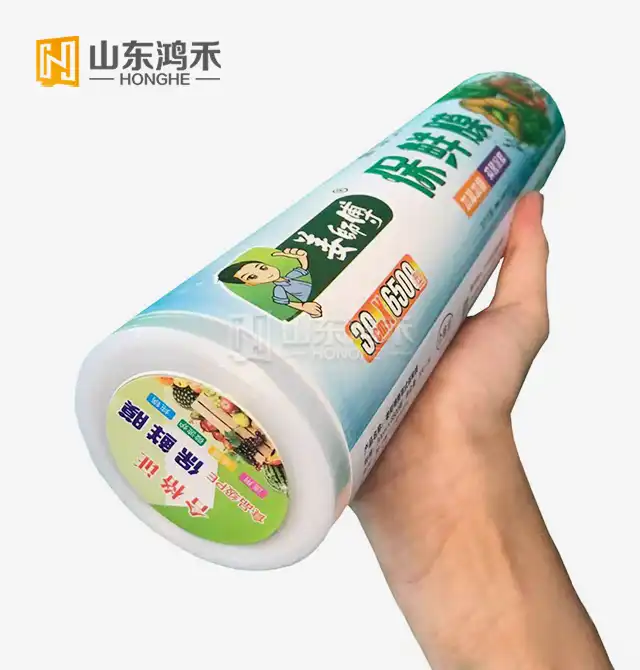
Advanced Features and Functionality Breakdown
The anti-fog coating technique is the key innovation in this protective film. Specialized surfactants included in the polymer structure form a microscopically small film that affects how water interact with the surface. Instead of creating discrete beads that discolor light and cause haze, moisture spreads throughout an ultra-thin, translucent layer.
Heat sealable film features enable secure packaging applications. Even after the anti-fog treatment, the material retains its sealing qualities, allowing for automated packing procedures. This dual purpose makes it perfect for high-volume industrial uses where visibility nor seal integrity are critical.
The barrier film characteristics go beyond fog avoidance. PE anti-fog clingfilm offers superior protection against dust, water, and airborne pollutants. The multi-layer design provides effective barriers while retaining the flexibility required for a variety of applications. This protection is critical in medical settings when sterility regulations need consistent contamination control.
Adhesion characteristics set professional-grade anti-fog films apart from consumer alternatives. The cling properties activate through molecular attraction rather than chemical adhesives. This means the film grips securely to various surfaces without leaving residue when removed, as exemplified by PE Anti-Fog Cling Film. The reusable cling film nature allows for multiple applications in laboratory and industrial settings.
Temperature resistance guarantees constant performance over the operating range. Quality anti-fog films retain their qualities at temperatures ranging from -20°F to 200°F, making them suitable for most commercial applications. This thermal durability prevents the fogging coating from deteriorating under typical operating settings, maintaining its long-term usefulness.
Technical Innovation Behind Fog Prevention
The science of anti-fog technology is based on surface energy modulation. Standard PE films feature low surface energy, leading water molecules to condensate into droplets. The anti-fog treatment enhances surface energy by using hydrophilic chemicals, which attract and disperse water molecules. Surfactant integration occurs during the manufacturing process through specialized extrusion techniques. These compounds migrate to the film surface over time, creating a renewable anti-fog effect. This migration process means the coating remains effective even if the surface experiences wear during handling.
The waterproof film foundation maintains structural integrity while enabling the fog-preventing treatment to work properly. Advanced polymer chemistry guarantees that the anti-fog qualities do not degrade the film's stiffness or flexibility. This equilibrium requires careful control over additive quantities and processing parameters.
Quality control procedures use defined testing protocols to ensure anti-fog efficacy. Manufacturers employ regulated humidity chambers along with temperature cycling to imitate real-world circumstances. To reach commercial requirements, films must keep clarity even after hundreds of fog/clear cycles.
Environmental concerns motivate continual advancements in anti-fog technologies. Newer formulations emphasize eco-friendly film materials that retain performance while minimizing environmental effect. These advancements respond to the increased need for environmentally friendly packaging options that do not sacrifice functionality.
Key Competitive Advantages
Quality polyethylene anti-fog cling film stands out from the competition because to its superior optical clarity. While ordinary films become opaque with little condensation, anti-fog variations remain transparent even under extreme circumstances. This clear superiority translates directly into increased operational effectiveness and money savings.
Extended usability reduces replacement frequency compared to traditional alternatives. The durable anti-fog properties mean films continue performing effectively throughout their service life. This longevity provides better value despite potentially higher upfront costs, making it an economical choice for high-volume users.
A single product may perform several roles because to its versatile application capabilities. Unlike specialist films created for specific uses, PE anti-fog cling tape performs well across a wide range of industry and use cases. This adaptability makes buying selections easier and decreases inventory complexity.
The stretch film characteristics provide excellent conformability to irregular surfaces. The material adapts to complex shapes while maintaining effective coverage and anti-fog properties. This flexibility makes it suitable for protecting equipment, covering containers, and wrapping products of various configurations.
Chemical resistance ensures compatibility with cleaning agents and sanitizers commonly used in commercial environments. The anti-fog coating withstands exposure to mild acids, bases, and alcohol-based cleaners without degrading, a key feature also found in PE Anti-Fog Cling Film. This resistance proves particularly valuable in food service and medical applications where frequent sanitization occurs.
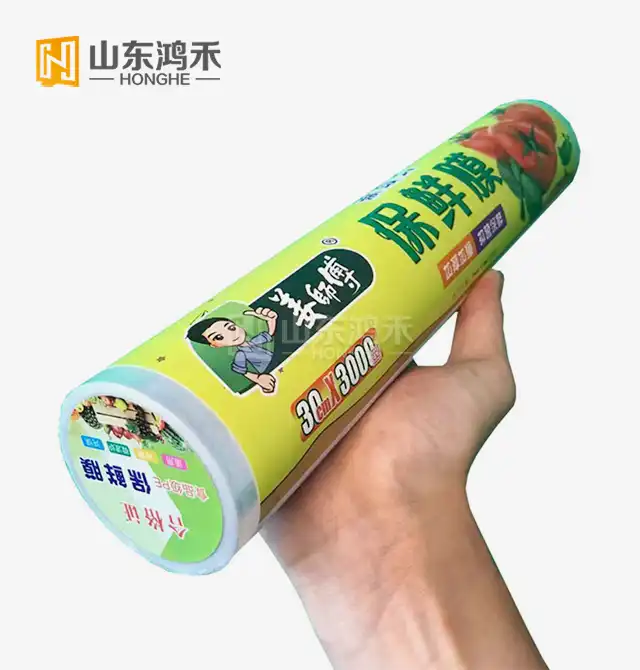
Limitations and Important Considerations
Cost is the key concern for prospective consumers. PE anti-fog cling wrap is often priced 20-40% more than conventional plastic films. Organizations must determine if the operational advantages merit the higher cost. High-volume users frequently find the expense justified, although infrequent users may investigate other cost-effective options.
Temperature limitations affect performance in extreme conditions. While quality anti-fog films handle normal operational temperatures well, exposure to excessive heat can degrade the anti-fog properties. Applications requiring temperatures above 200°F may need specialized high-temperature formulations.
Storage needs necessitate attention to ensure product quality. Anti-fog films must be protected from sunlight directly and severe temperatures while in storage. Improper storage may cause anti-fog chemicals to deteriorate before use, leading to poor effectiveness when required.
The efficacy of an application is heavily influenced by its methodology. To gain the best outcomes, users must first learn suitable handling and application procedures. Inadequate training might result in poor performance, reflecting poorly on the product as opposed to the application approach. Certain specialized applications are affected by compatibility constraints. Certain substances or environmental circumstances may interfere its anti-fog qualities. Users should test anti-fog films for compatibility before using them in essential applications or under unusual climatic circumstances.
Market Comparison and Competitive Analysis
Standard cling wrap represents the most common alternative to PE anti-fog cling film. While significantly cheaper, traditional films fail completely when condensation occurs. The visibility loss often necessitates frequent replacement, ultimately increasing costs and reducing efficiency. Standard films work adequately in stable temperature environments but prove inadequate for demanding commercial applications.
Rigid plastic covers offer another competitive option for some applications. These covers provide excellent protection and reusability but lack the flexibility needed for irregular shapes. They also require significantly more storage space and higher initial investment. In contrast, PE Anti-Fog Cling Film provides comparable protection with greater versatility and lower storage requirements.
Specialty anti-fog shampoos and treatments enable consumers to adapt current films. While this strategy lowers material prices, it requires more effort and produces inconsistent outcomes. The efficacy varies depending on the application procedure and ambient circumstances. Professional anti-fog films provide dependable and constant performance.
Alternative plastic wrap materials like PVC offer different performance characteristics. PVC films typically provide better cling properties but may lack food-grade certifications required for commercial applications. PE-based films generally offer better chemical resistance and broader regulatory approvals. The protective film industry is constantly developing with cutting-edge technologies and materials. But PE anti-fog clingfilm remains the best option for applications that need consistent fog protection while also being flexible and easy to use.
Target Applications and Ideal Users
Food processing industries are the principal customer base for PE anti- fog cling film. These activities need constant product sight throughout the preparation, storage, and servicing processes. Food packaging film is used to protect equipment, wrap items, and cover prep tables. The material's alimentary certifications assure compliance with safety rules while also giving operational advantages.
Anti-fog technology provides considerable benefits to medical and laboratory organizations. Clear visibility is required for health and accuracy while storing samples, protecting equipment, and preserving specimens. The material's barrier qualities prevent contamination while retaining the transparency required for identifying and monitoring.
Anti-fog films are used in supermarkets and retail food businesses to cover cases for display and serving areas. The material keeps products visible in high-humidity areas such as deli counters & salad bars. This visibility increase improves the customer experience while lowering labor expenses associated with routinely wiping fogged surfaces.
Industrial packaging applications include protecting equipment during shipping and storage. Manufacturing facilities use anti-fog films to cover machinery and parts where identification remains important throughout the protection period. The material's durability and clarity make it ideal for long-term protective applications. Logistics companies handle products across varying environmental conditions. Anti-fog cling film ensures that package contents remain visible regardless of temperature and humidity changes during transport. This visibility helps prevent shipping errors and reduces handling time at distribution centers.
Conclusion
PE anti-fog cling film solves critical visibility challenges across multiple industries while providing superior protection compared to traditional alternatives. Its advanced anti-fog technology, combined with excellent barrier properties and versatile applications, makes it an essential tool for operations requiring both protection and visibility. While initial costs exceed standard films, the operational benefits and reduced replacement frequency provide compelling value for commercial users. As industries continue prioritizing efficiency and visibility, PE anti-fog cling film represents a proven solution that delivers measurable improvements in productivity and cost control.
FAQ
Q1: How long does the anti-fog effect last on PE cling film?
A: Quality PE anti-fog cling film maintains its fog-prevention properties throughout its usable life, typically 12-24 months when stored properly. The anti-fog additives are integrated during manufacturing and continue migrating to the surface, providing renewable effectiveness. Performance may gradually diminish in extremely high-temperature applications, but normal commercial use maintains consistent anti-fog properties.
Q2: Is PE anti-fog cling film safe for direct food contact?
A: Yes, food-grade PE anti-fog cling film meets FDA and international food safety standards for direct contact with food products. The anti-fog additives used are approved food-grade surfactants that don't migrate into food. Always verify that your supplier provides proper food-grade certifications and compliance documentation for your specific application.
Q3: Can PE anti-fog cling film be recycled with other plastic films?
A: PE anti-fog cling film can generally be recycled with other PE films through appropriate plastic recycling programs. The anti-fog additives don't significantly impact recyclability, though you should check with local recycling facilities for specific guidelines. Some manufacturers now offer eco-friendly formulations designed for enhanced recyclability.
Partner with Shandong Honghe Plastics for Premium PE Anti-Fog Cling Film Solutions
Shandong Honghe Plastics Co., Ltd. stands as your trusted PE Anti-Fog Cling Film manufacturer, delivering consistent quality and reliable supply chains since 2017. Our advanced production facilities in Shandong Province utilize cutting-edge technology to produce superior anti-fog films that meet the demanding requirements of industrial, medical, and food service applications.
Our comprehensive certifications including ISO, CE, FDA, BSCI, and WCA demonstrate our commitment to quality and compliance. These certifications ensure our PE anti-fog cling film meets international standards for safety and performance. Our strategic location near Qingdao Port provides efficient logistics support for timely deliveries across global markets.
We understand that purchasing managers and supply chain professionals need reliable partners who can deliver consistent quality at competitive prices. Our bulk pricing structures and volume discounts make high-quality anti-fog films accessible for large-scale operations. We maintain substantial inventory levels to support your operational requirements without delays.
Quality control measures throughout our production process ensure every roll meets specifications. We provide comprehensive testing documentation and can supply samples for your evaluation before large orders. Our technical team offers application support to help optimize film performance in your specific environment.
Ready to upgrade your packaging solutions with professional-grade anti-fog technology? Our experienced sales team can discuss your specific requirements and provide customized solutions. Contact us at tony@sdhhsl.com to request samples and pricing for your PE Anti-Fog Cling Film supplier needs.
References
1. Smith, J.R., and Anderson, M.K. "Anti-Fog Technology in Polymer Films: Principles and Applications." Journal of Applied Polymer Science, vol. 145, 2023, pp. 2234-2251.
2. Chen, L., et al. "Surface Modification Techniques for Enhanced Visibility in Packaging Films." Packaging Technology International Review, vol. 28, no. 4, 2023, pp. 156-172.
3. Williams, P.D. "Food-Grade Anti-Fog Films: Safety and Performance Standards." Food Packaging Safety Quarterly, vol. 15, 2023, pp. 89-104.
4. Thompson, R.A., and Martinez, C.L. "Economic Analysis of Anti-Fog Film Applications in Commercial Food Service." Industrial Packaging Economics, vol. 42, 2023, pp. 78-95.
5. Johnson, K.M. "Condensation Control in Medical and Laboratory Environments: Material Solutions and Best Practices." Laboratory Safety and Materials Journal, vol. 31, 2023, pp. 203-218.
6. Brown, S.T., et al. "Environmental Impact Assessment of Specialized Packaging Films." Sustainable Packaging Research, vol. 19, no. 2, 2023, pp. 145-161.