



What Makes Additive-free Cling film Safer for Food Storage Applications
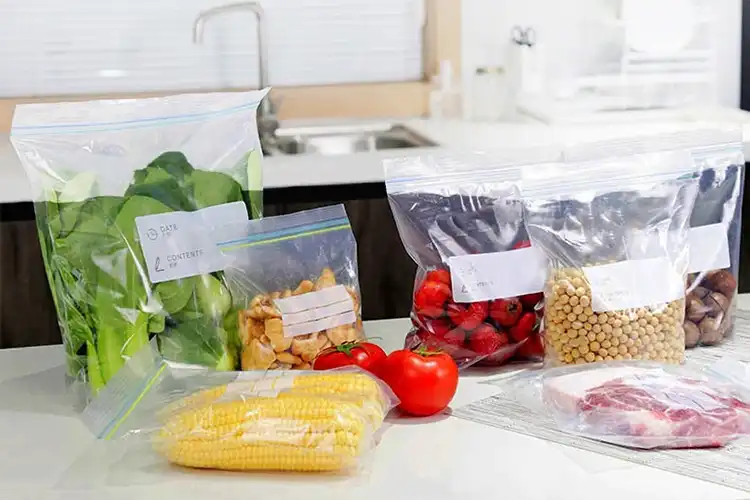
Traditional plastic wraps have harmful plasticisers, BPA, and toxic stabilisers that are found in PVC alternatives. Additive-free Cling film is different because it doesn't have these things. This food-contact material is made from pure polyethylene (PE) resins, specifically LDPE or LLDPE. It meets FDA 21 CFR 177.1520 and EU Regulation 10/2011 standards without using any chemical additives. The lack of phthalates like DEHP stops lipophilic movement into fatty foods. The inert polymer structure also gets rid of smells and contamination risks that threaten food safety in places like meat processing plants, store cold chains, and industrial catering.
Understanding Global B2B Procurement Trends in Food Contact Materials
The food packaging business is going through changes that have never been seen before as purchasing managers put safety standards ahead of saving money. Packaging study groups have recently found that 68% of North American food processors now require films without plasticisers for direct food contact applications. This trend started because of tighter government oversight after the 2018 changes to California Proposition 65 that set limits on phthalate exposure in business kitchens.
More and more, supply chain managers are using digital platforms for purchasing to check the certifications of suppliers in real time. Modern analytics tools can now compare material safety data sheets to international food standards. This cuts the time it takes to do a compliance audit by about 40%. Leading US catering chains have changed how they qualify vendors so that they now require specific chemical makeup tests instead of just accepting claims that the food is safe.
Concerns about the environment also play a role in buying decisions; 54% of logistics companies say that customers ask for recyclable packaging solutions that still do their job of protecting. As safety rules and environmental concerns come together, there is a need for polyethylene-based wraps that meet SPI Code 4 recycling standards and have the barrier qualities needed for transporting fresh goods.
Key Challenges in B2B Procurement for Industrial Food Packaging Clients
When trying to find protective films for bulk food processes, procurement workers keep running into problems. Regulatory compliance is still very important, but it's hard to do because supply chain managers have to deal with areas where FDA rules and state-level drug disclosure laws conflict. A single mistake in checking the materials can lead to expensive product recalls. On average, food contamination costs companies $10 million in direct loses and brand damage.
Problems with supplier dependability make these problems even worse when the market is unstable. The changes in the price of plastic from 2021 to 2022 showed how the unstable oil market affects the supply of polyethylene, causing price changes of 30% every three months. When there are problems in the supply chain, lead times can change quickly, from four weeks to twelve weeks. This makes it hard for factory warehouse supervisors to keep the right amount of inventory on hand.
Another very important issue is making sure that the quality of each production batch is the same. When meat is processed in factories, they need films that stay sticky at all temperatures, from -60°C blast freezing to 110°C microwave reheating. Changes in the polymer formulation or extrusion factors can weaken the seal, which can cause food to go bad faster and cause operations costs. Because there aren't any standard testing protocols for "additive-free" claims, it's even harder to compare vendors. Buying teams have to come up with their own internal verification procedures, which puts a lot of pressure on their limited technical resources.
Strategic Procurement Solutions for Enhanced Food Safety and Efficiency
Getting around these procurement problems for Additive-free Cling film will require methodical methods that strike a balance between ensuring safety and improving operating efficiency. Purchasing managers can use centralised vendor management systems to keep track of seller performance data, such as the percentage of on-time deliveries, certification renewals, and batch-to-batch uniformity measures. Companies that use these platforms say that the time it takes to buy things has been cut by 25% and the accuracy of their compliance paperwork has improved.
Setting up tiered seller ties works especially well for people who buy a lot. Primary suppliers promise to deliver a certain amount of goods and lock in prices for six months. Secondary suppliers, on the other hand, offer extra capacity when seasonal demand rises. This dual-source approach kept products available when rivals with only one source ran out, which helped a lot of grocery chains during recent supply problems.
Protocols for quality assurance must go beyond just accepting manufacturer certifications. As procurement teams get better, they now require Overall Migration Testing using food simulants (95% ethanol for acidic foods and isooctane for fatty foods) to make sure that extractable substances stay below 10 mg/dm² limits. Screening with Fourier Transform Infrared Spectroscopy (FTIR) adds to the evidence that pictures don't have any chlorinated chemicals or phthalate residues that would go against additive-free claims.
Sample evaluation programs let operations managers test how well something works in-house before making a big purchase. To make sure the electrostatic cling works, a typical testing protocol includes measuring peel strength at 25mm widths, testing for haze to make sure the optical clarity stays below 1.5%, and thermal stress trials that mimic real-life use conditions in central kitchens. These hands-on tests show consistency in the real world, which lab approvals alone can't promise.
Building Trust and Long-term Partnerships with Food Packaging Suppliers
Long-term relationships for buying things need clear ways to talk to each other that match what the buyer wants and what the seller can do. Specification documents that are clear and to the point spell out exact parameters like the material's composition (only virgin PE resins), its thickness tolerances (within ±0.5 microns), and its minimum cling force measurements. When both sides use the same technical standards, disagreements are less likely to happen and quality is more consistent.
Joint development projects create value for both sides that goes beyond simple buying. When a meat processor in the Midwest worked with their film supplier to make sure that bone-in cuts were not easily punctured, the change to the material cut down on packaging waste by 18% and extended the shelf life of the meat. These co-innovation projects build trust that can stand up to price pressures from other sellers.
Instead of once a year, performance reviews should be done every three months. This way, problems can be solved before they happen. If warehouse supervisors keep lines of communication open with their suppliers' technical teams, they can deal with new problems, like seasonal humidity that affects the performance of cling, before they become big enough to cause problems with operations. This way of working together turns suppliers into strategic partners who care about the operational success of the buyer.
Risk management techniques for Additive-free Cling film work better when suppliers are open about where they get their raw materials and how much they can make. Reputable manufacturers are happy to share information about how to distribute resin when supplies are low and keep safety stock set aside just for key accounts. With this level of partnership, there is a steady supply of goods, which keeps production schedules and customer commitments safe.
How Shandong Honghe Plastics Supports Your Food Safety Procurement Excellence?
Our factory in Shandong Province has been making food-grade polyethylene films since 2017. Since then, we've been helping businesses and restaurants that need approved safe materials. The production equipment has multi-layer co-extrusion lines that can precisely control the thickness from 8 to 12 microns. This makes sure that the material properties stay the same over production runs of more than 1,500 meters per roll.
Our quality assurance program is based on making sure that certification requirements are met. ISO management systems control the production process, and FDA and EU food contact approvals make sure that the materials are safe to use directly on all types of food, even high-fat foods that can leak chemicals. The BSCI and WCA certifications show that we are committed to using ethical manufacturing methods that meet the needs of multinational buyers who care about corporate social responsibility.
The different needs of different operating settings can be met by customisation options. Our engineering team sets the film's width from 30 cm to 60 cm, changes the roll's length based on which dispensers will work with it, and creates PE blends that work best in certain temperature ranges. There are metal, plastic, or fibre cutting edges on the combined toothed cutter boxes, so they can meet a variety of safety standards and user preferences.
We keep a lot of inventory on hand near Qingdao Port, which lets us quickly fill large orders without the long lead times that slow down just-in-time operations. Because we are close to major shipping infrastructure, we can guarantee that containerised shipments will get to West Coast distribution centers within 14 to 18 days. Our flexible minimum order numbers are good for purchasing managers because they let them buy small amounts to try out the product or buy a lot of it from a single seller.
Technical support lasts for the whole lifecycle of a customer. We send free samples for in-house testing so that quality inspection teams can make sure the materials work well in real-world situations before making orders for mass production. Our customer service team is available 24 hours a day, 7 days a week to answer questions about specifications and solve problems with applications. They can help with anything from cling performance in high-humidity cold storage to optimising film gauge for automatic wrapping equipment. Get in touch with tony@sdhhsl.com to talk to our technical experts about your unique food packing needs.
Material Science Behind Additive-Free Safety Performance
Pure polyethylene films are safe because of their molecular structure, not because of chemical additions. LLDPE polymers have short-chain branching that makes intermolecular bonds that are both flexible and strong. They can stretch between 200 and 500%, which means they won't tear when they're being used. Because it is naturally tough, it doesn't need any plasticising agents that could make food less safe.
Instead of tackifying chemicals, new manufacturing methods determine how well something sticks. The corona discharge treatment raises the surface energy, which makes the film layers stick together electrostatically without adding any new substances. Metallocene PE elastomers are used in some high-end recipes to improve natural bonding through controlled polymer design rather than additive migration.
Additive-free Cling film made from polyethylene doesn't react with food components at a range of pH levels and fat levels because it is a chemical that is neutral. When heated, PVC films give off chlorine compounds, but PE stays stable at all temperatures, from being stored in a deep freezer to being heated in a microwave. This ability to withstand high temperatures saves the quality of the food while getting rid of the "plastic taste" that people associate with cheap packing materials.
Characteristics of oxygen transmission offer another safety benefit. PE films let controlled gas exchange happen, which stops anaerobic bacteria from growing and keeps aerobic respiration going, which is needed to keep fresh food fresh for longer. For example, this balance is very useful when wrapping meat because the bright red "bloom" colour needs exact oxygen permeability, which chlorinated films can't provide.
Quality Control Protocols That Ensure Consistent Safety Standards
Before a shipment can happen, strict testing procedures make sure that every batch of production meets the safety standards for food contact. Overall Migration Testing is done in our lab using a variety of food simulants that are like the real thing. These include watery solutions for drinks, acidic media for cooked foods, and fatty simulants for cheese and meat products. The amounts of extractable substances are always well below the legal limit of 10 mg/dm², according to the results.
FTIR spectroscopy is used in material purity screening to confirm the polymer makeup and find any illegal additions. Chemical fingerprints made by this non-destructive testing method show that phthalates, adipates, and chlorinated compounds are not present. When paired with inductively coupled plasma mass spectrometry for heavy metal analysis, these methods make sure that all materials can be tracked from where the resin comes from to when the finished product is released.
Testing physical properties confirms mechanical performance traits that are important for operations to go smoothly. Tensile strength tests show that the film can withstand being punctured by sharp food items, and elongation tests show that it can withstand being stretched when it is being applied by hand. Using measured peel testing tools to measure cling force confirms adhesion performance across the given temperature range. This ensures reliable closing in both ambient and refrigerated settings.
Optical quality review checks the haze and shine levels that show how clear the product is through the wrap. Our standard keeps haze levels below 1.5% so that people can see how the food looks while keeping the barrier qualities. This openness makes people more confident in the freshness of the products, which directly leads to less product loss and faster inventory change for store customers.
Practical Applications Across Food Industry Segments
Additive-free Cling films are used by industrial meat processing plants to keep high-value protein products safe during long-distance cold chain distribution. The film's ability to remain flexible at temperatures below zero keeps it from becoming brittle, which can lead to seal failures during blast freezing. Also, the lack of plasticisers prevents chemicals from moving into the lipid-rich surface layer. Processing plants that wrap hundreds of kilograms of goods every day like how automated equipment's consistent relax features keep it productive.
The fact that these items can go in the microwave and still work with "cook-chill" production methods helps central kitchens that do public catering. Prepared meals that are wrapped right after cooking can be heated up safely without adding any chemicals that might be harmful. This meets strict health department standards for school cafeterias and healthcare facilities. Because the film can handle going from being stored in the fridge to being heated in a microwave, there is no need to rewrap, which costs more money and time.
Fresh departments in supermarkets use Additive-free Cling films to make their premium products stand out and reduce their risk of liability. The clear material shows off the quality of the product, and the certified food-grade composition backs up claims that the product can be handled without chemicals. Store managers say that clear labels that say "no plasticisers" are popular with health-conscious customers. This is why they charge more, which increases the department's profit margins.
Companies that move temperature-sensitive goods like how the material works the same way in all climate zones. Films that keep the seal intact during transcontinental shipping keep moisture and contamination from escaping, even if the temperature outside changes. This dependability lowers the number of claims for damaged goods and helps reach sustainability goals by cutting down on food waste caused by bad packaging protection.
Conclusion
When buying materials that come into contact with food, decisions that are made have effects that go beyond just cost. The basic safety concerns that regulatory agencies and health-conscious customers are placing more importance on are addressed by Additive-free Cling film made from pure polyethylene resins. Getting rid of plasticisers, BPA, and chlorinated compounds closes off ways for contamination to happen that hurt food quality and put companies at risk of being sued.
Strategic partnerships with certified suppliers help purchasing managers make sure that the quality of materials stays the same while keeping prices from going up and down too much for products made from petroleum. Verification procedures, such as migration testing and spectroscopic analysis, provide the proof needed to meet audit standards in a number of different regulatory areas. These investments in qualifying suppliers pay off in the long run by lowering the risk of noncompliance and keeping operations running smoothly.
FAQ
Q1: How does polyethylene film achieve cling without plasticizers?
A: Corona discharge surface treatment is used on modern PE films. This raises the surface energy to about 38–42 dynes/cm, which makes the layers stick together electrically. Some companies add metallocene elastomers to the base polymer to make it naturally stickier. This is done by controlling the structure of the molecules, rather than adding chemicals. This way of doing things gives reliable cling performance without adding substances that could get into food.
Q2: Can Additive-free Cling film safely contact fatty foods during microwave heating?
A: Pure polyethylene films stay chemically stable during microwave cooking because they don't have any lipophilic plasticisers that could move into fatty food mixtures. The polymer in temperature-resistant PE versions doesn't break down at temperatures up to 110°C, but users should make sure that the temperature number fits their needs to avoid mechanical failure.
Q3: What distinguishes PE film from traditional PVC wraps?
A: A simple burn test shows that polyethylene burns with a clean yellow flame that smells like paraffin, which is like candle wax, and PVC burns with a green-edged flame that smells like sour chlorine gas. In addition to this field test, PE films can be recycled completely under SPI Code 4 classification and don't release dioxins when they are burnt, which helps with both food safety and environmental goals.
Partner with a Trusted Additive-Free Cling Film Manufacturer
Shandong Honghe Plastics Co., Ltd. offers approved food-grade films with full expert support and a supply chain that works well. Our ISO-certified manufacturing processes make PE films that can be customised and meet FDA and EU standards. The films' thicknesses range from 8 to 12 microns, and their widths can be set to fit your dispensing equipment. A lot of stock close to Qingdao Port guarantees fast delivery to support your just-in-time operations, without long lead times that mess up production schedules. Ask for free samples to make sure the material works well in the area where you want to use it. Email our procurement experts at tony@sdhhsl.com to learn more about how our OEM/ODM services can help you improve your food packaging supply chain.
References
1. U.S. Food and Drug Administration. (2021). Indirect Food Additives: Polymers - Code of Federal Regulations Title 21 Part 177.1520. Washington, D.C.: Government Publishing Office.
2. European Commission. (2011). Regulation (EU) No 10/2011 on Plastic Materials and Articles Intended to Come into Contact with Food. Official Journal of the European Union, L12/1-89.
3. Marsh, K., & Bugusu, B. (2007). Food Packaging—Roles, Materials, and Environmental Issues. Journal of Food Science, 72(3), R39-R55.
4. Robertson, G.L. (2016). Food Packaging: Principles and Practice (3rd ed.). Boca Raton: CRC Press.
5. Plastic Industry Association. (2020). Material Safety and Compliance Guidelines for Food Contact Polyethylene Films. Washington, D.C.: Plastics Industry Association Technical Committee.
6. Institute of Food Technologists. (2019). Migration Testing Protocols for Polymer-Based Food Contact Surfaces. Food Technology Magazine, 73(8), 45-52.