



Why Poor Quality Cling Film Affects Food Safety and Storage Life
Poor quality cling film poses serious threats to food safety and shelf life because it lacks proper barrier properties and often fails to meet food-grade standards. Inferior PE Cling Film typically contains impurities, inconsistent thickness, and inadequate cling characteristics, which allow excessive oxygen and moisture penetration. This compromises food integrity, accelerates microbial growth, and can lead to costly product recalls. Choosing certified, food-grade polyethylene wraps protects your supply chain, reduces waste, and maintains consumer trust throughout distribution channels.
Introduction
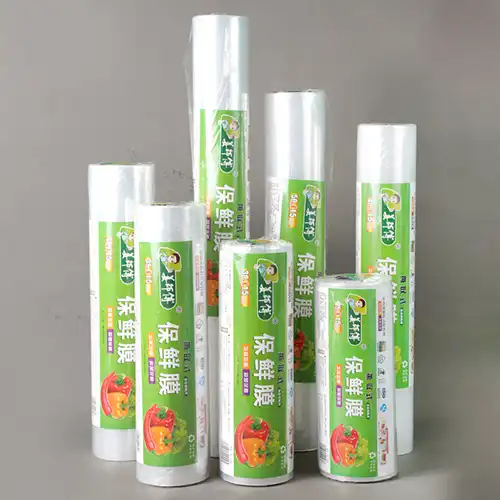
PE Cling Film is used every day by thousands of food processing plants, service businesses, and delivery centers to keep products fresh and clean. As a procurement manager or operations director, you know that packing is more than just wrapping things. It's also about protecting the image of your brand and your bottom line. High-quality PE Cling Film is the first line of defence against spoiling. It keeps food fresh longer and meets strict government standards. This guide talks about why low-quality wraps put food safety at risk, how the make-up of the material affects how well it preserves food, and how to buy reliable, legal packing solutions that protect both your goods and your profits.
Understanding the Impact of Poor Quality Cling Film on Food Safety
When PE Cling Films aren't up to par, hidden risks show up only after the goods have been sold or during regular quality checks. When procurement teams know about these risks, they can make smart decisions that keep costly problems from happening.
Inferior Raw Materials Compromise Protective Barriers
A lot of low-grade PE Cling Films use recycled resins that haven't been cleaned enough or blended with virgin materials. These flaws make tiny holes in the structure of the film, which makes oxygen transfer rates much higher. When air gets into packing, it speeds up the oxidation of lipids in fatty foods, which makes them go bad and lose their flavour. Produce turns brown faster because of enzymes, while proteins lose their texture. A study done in 2021 on food packing showed that films with an unstable molecular structure let 340% more oxygen through than approved food-grade options. This meant that fresh meat lost almost half of its shelf life.
Inconsistent Thickness Creates Vulnerable Points
PE Cling Films with a random gauge distribution are made by manufacturing methods that don't have precise production controls. Thin spots break down, letting moisture vapour leave and outside contaminants in. In some cases, catering businesses lost a lot of food because their cheap provider sent wraps with width differences of more than 25 micrometres between sheets on the same roll. Because of these differences, some parts of the wrapped food are left open, while others look like they are properly sealed. This makes it hard to predict how the food will be preserved, which goes against quality control rules.
Non-Compliance with Safety Standards Introduces Chemical Risks
PE Cling Films made without following FDA Title 21 CFR or EU Regulation 10/2011 might have added substances that aren't allowed, too many slip agents, or plasticisers that get into food. To make the cling work better or lower the cost of production, some uncertified options to certified PE Cling Film contain harmful chemicals like phthalates and BPA. A big recall in 2020 involved a regional distributor whose supplier used adhesion promoters that weren't approved. These promoters got into high-fat dairy products and affected over 12,000 units across several retail chains.
Key Differences Between PE Cling Film and Other Materials Affecting Food Safety
The choice of material directly affects how well the preservation works and how safe it is. Knowing the differences in composition helps procurement professionals choose the right PE Cling Films for a range of uses.
Polyethylene Versus PVC: Safety and Environmental Considerations
Traditional PVC wraps have been the most common way to package food for a long time because they stick well. However, PVC films often have phthalate plasticisers like DEHP in them, which can upset hormones when they move into fatty foods during storage or warming. Polyethylene-based options don't have any of these risks because they don't have any chlorinated chemicals or plasticisers in them.
Besides being safer, PE Cling Films are also easier to recycle because of the infrastructure that is already in place under Resin Identification Code 4. On the other hand, reusing PVC films is still hard to do and not cost-effective in most markets. Environmental laws are making it harder for PVC to be used in applications that come into contact with food. For companies that want to meet sustainability standards, PE Cling Film is the better option.
LDPE and LLDPE: Optimizing Barrier Performance
Low-Density Polyethylene is very flexible and keeps its seal well, so it can be used for odd-shaped things and automatic wrapping machines. Linear Low-Density Polyethylene has better tensile strength and resistance to punctures while still being clear. When compared to standard LDPE formulations, PE Cling Films made from LLDPE blends work better on high-speed flow-wrapping machines, cutting down on line jams and material waste by up to 18%. LLDPE's molecular structure controls the flow of gases, which is important for packaging fresh food because the right Oxygen Transmission Rate stops anaerobic conditions that speed up decay while still letting natural respiration happen.
Thickness Specifications Match Application Requirements
The PE Cling Film thickness is directly related to how well the shield works and how long it lasts mechanically. Standard home wraps are 8 to 12 micrometres thick and can be stored in the fridge for a short time. For commercial food processing, heavier gauges (12–20 micrometres) are needed to protect against automatic machine strain and keep food fresh for longer. Protein goods need the strongest barrier qualities, while produce packaging may ask for breathable PE Cling Films with designed leakage. Instead of automatically choosing the cheapest choices that don't offer enough protection, procurement teams should match thickness requirements to real application needs.
Benefits of High-Quality PE Cling Film in Enhancing Food Safety and Extending Storage Life
Buying certified, high-quality PE Cling Films will pay off in the long run by lowering waste, ensuring compliance, and protecting your brand. These benefits directly solve problems in buying that have to do with making sure quality is consistent and the supply chain is reliable.
Superior Barrier Properties Maintain Product Integrity
Controlled extrusion methods are used to make certified food-grade PE Cling Films. These films have regular molecular structures that keep the flow of gas and moisture in check. This accuracy keeps fresh-cut vegetables from drying out, stops cooked meats from going bad due to oxidation, and keeps baked goods' texture. Testing by packaging research institutes shows that good PE Cling Films keep wetness in by 65-78% longer than bad ones do, even after 72 hours of being stored in the fridge. Because of the effect on the economy, there is less theft, fewer customer complains, and longer delivery windows, which make operations more flexible.
Regulatory Compliance Protects Brand Reputation
Food safety standards set by the FDA, the EU, and ISO are met by PE Cling Films that go through strict testing procedures that check the material makeup, migration limits, and cleaning of the production process. These certifications give proof that you meet the standards for audit compliance and supply chain openness. When the right certificates are on your packaging, you show that you've done your research, which saves you from liability. Certification also makes it easier to sell on international markets, since export paperwork needs proof of compliance with food contact regulations. Manufacturers of good products keep track of batches and give you Certificates of Analysis to back up your quality control systems.
Sustainable Options Support Environmental Initiatives
Modern PE Cling Film technology includes formulations that can be recycled and new biodegradable variants that meet sustainability requirements while still keeping food safe. PE Cling Films that can be recycled fit right in with current city collection programs, which helps companies reach their trash reduction goals. Some makers now offer choices with post-consumer recycled material that meet food safety standards and cut down on the use of new resin. These eco-friendly options meet the needs of stores that need to package items and meet the standards of customers who care about the environment. This gives them a competitive edge in markets where sustainability affects buying decisions.
How to Choose the Right PE Cling Film for Your Business Needs
Technical requirements, source dependability, and the total cost of ownership must all be balanced for buying to work well. When you do strategic buying, you have to look at more than just the price per unit.
Matching Technical Specifications to Operational Requirements
Write down the exact conditions of your application, such as the type of product, storage temperature, operating tools, and shelf life you want to reach. PE Cling Films that let fresh food breathe must have certain Oxygen Transmission Rates, which are usually between 3,000 and 8,000 cc/m²/24 hours. Films with a lower permeability are needed for prepared foods to keep them from going bad.
If you run automatic wrapping machines, make sure the PE Cling Films you use are made to work with those machines and have the right slip coefficients and unwind properties. When choosing a thickness, you should think about how resistant it needs to be to punctures and how much stress it will be under during handling. Customised PE Cling Film solutions let you get the best results without having to settle for generic products that don't fully meet your needs.
Evaluating Supplier Quality Controls and Certifications
Reliable suppliers have full quality management systems that include inspecting incoming materials, keeping an eye on work in progress, and testing finished PE Cling Films. Ask to see proof that they are certified—ISO 9001 for quality systems, ISO 22000 or FSSC 22000 for food safety management, and product-specific certifications like FDA compliance letters. Suppliers should give Certificates of Analysis that are specific to each batch and show that they meet composition and migration standards. Companies that have BSCI or WCA licenses show that they are committed to using ethical production methods, which is important for reporting on corporate social responsibility. Quality makers are happy to have their facilities inspected and keep clear lines of communication open about their output capabilities and stock levels.
Building Strategic Supplier Partnerships
Having long-term ties with reliable manufacturers has perks that go beyond just getting a good deal. Well-known partners know exactly what you need, keep a safety stock to make sure you always have what you need, and offer expert help when application problems come up. They have flexible minimum order amounts that keep the costs of keeping supplies in check and the benefits of volume prices in check.
For retailers and OEM uses, the ability to customise, such as with brand printing, specific roll PE Cling Film sizes, and different packaging forms, makes the product more valuable. With their advanced production equipment and full list of certifications, companies like Shandong Honghe Plastics Co., Ltd. give procurement managers the dependability and speed they need to keep operations running smoothly.
Best Practices for Proper Use, Recycling, and Handling of PE Cling Film
To get the most out of PE Cling Film, you need to use the right coating methods and handling procedures throughout your operation. Teaching employees how to use packaging correctly cuts down on waste and makes sure it does what it's supposed to do—protect things.
Application Techniques That Ensure Effective Seals
The best way to keep food safe starts with the right way to wrap it. Before applying, surfaces should be clean and dry, since wetness or dirt can make it hard for the adhesive to stick well. When you apply the PE Cling Film, stretch it just a little to make it stick, but don't stretch it too much, because that can cause stress points that could tear the film. Overlap the edges by at least two to three centimetres to make seals that don't have any holes.
When covering irregular forms, it's easier to work with several smaller pieces than with a few large ones that leave air gaps. When using automated equipment, make sure the tension settings are correct. Check the manufacturer's instructions and do regular calibration to keep the quality of the wrapping consistent and keep the product from getting damaged.
Storage and Hygiene Protocols in Food Processing Environments
Keep PE Cling Film rolls in clean, dry places that are out of direct sunlight and heat sources that could change the way the material works. To keep the film's properties, keep the storage temperature between 10°C and 25°C. Use first-in, first-out inventory rotation to get rid of old stock before getting new ones. Make sure that certain cutting tools are only used for cutting film, and keep them clean and germ-free according to food safety rules. The rules for cleaning hands for people who work with PE Cling Film are the same as those for people who work directly with food. These steps keep the clean conditions needed for food preparation processes and stop cross-contamination.
Implementing Recycling Programs for Sustainability
PE Cling Films can be recycled completely through established collection channels. However, food residue makes the recycling process more difficult. Separate the used film from the food trash, and if you need to, rinse to get rid of any organic matter. A lot of cities and towns take back clean PE Cling Film through store take-back programs or other specialised pickup channels.
Some bigger businesses make deals with plastic recyclers that will take large amounts of post-industrial film trash. Setting up internal recycling programs helps environmental stewardship goals and lowers the cost of dumping trash in landfills. Write down recycling metrics for sustainability reporting and let customers know about these efforts. Customers are becoming more interested in environmentally responsible supplier partnerships.
Conclusion
Choosing good PE Cling Film is an investment in the safety of food, the speed of operations, and the protection of your business. Bad wraps pose too many risks, like food going bad faster, not following the rules, and possible refunds that hurt the company's image and profits. Procurement pros protect their supply lines and support sustainability efforts by recognising important differences, checking the certifications of suppliers, and using the right handling methods.
The difference in price between certified food-grade films and lower-quality alternatives isn't there when you look at how much waste is avoided, how well the quality of the product is kept, and how much liability is avoided. Strategic partnerships with dependable manufacturers make sure that you always have access to packaging that meets strict safety standards.
FAQ
Is PE cling film safe for all food types?
Quality PE Cling Film made to meet FDA and EU standards can come into close contact with most types of food, like meats, cheese, baked goods, and fresh fruits and vegetables. Polyethylene films don't have any phthalate plasticisers or BPA in them like PVC films do, so there are no worries about migration. The substance stays steady at temperatures that are normal for storing food and doesn't pose any health risks. But some uses, like long-term exposure to high temperatures or highly acidic foods, may need special formulations. Talk to your supplier about the conditions you want to use the product in.
How does film thickness affect food preservation?
Thicker PE Cling Films have better barrier qualities that stop air and moisture from getting through, which extends the shelf life. Standard 8-12 micrometre films are good for short-term keeping in the fridge, while 15-20 micrometre sizes protect for longer amounts of time during distribution. Mechanical longevity is also affected by thickness. Heavier sizes are less likely to tear or puncture when they are handled. To get the best protection and the best value for money, you should choose a thickness that fits the needs of the application and works with the equipment you have.
What certifications should I verify when sourcing PE cling film?
Give more weight to suppliers who have FDA compliance documents for materials that come into touch with food, ISO 9001 for quality management, and product-specific testing results that prove migration limits under FDA Title 21 CFR Part 177.1520 or EU Regulation 10/2011. Extra certifications like FSSC 22000, BSCI, or WCA show that the company manages food safety well and makes sure their products are made in an honest way. Ask for Certificates of Analysis that are special to each batch and keep the paperwork for audit compliance and tracking needs.
Partner with Shandong Honghe Plastics Co., Ltd. for Certified PE Cling Film Solutions
Premium PE Cling Film made by Shandong Honghe Plastics Co., Ltd. meets worldwide food safety standards and has ISO, FDA, and CE certifications to back it up. We've been providing reliable packing options to food processors, catering businesses, and delivery centers since 2017 with consistent quality. Our high-tech production equipment makes sure that every roll has the same thickness and barrier properties, and strict quality controls make sure that we follow all global rules.
We are close to the port of Qingdao and offer reasonable bulk prices, open customisation options such as brand printing and custom sizes, and fast delivery backed by a large inventory. To talk about your unique needs, ask for samples, and look into bulk pricing, email our procurement experts at tony@sdhhsl.com. We are a trusted PE Cling Film supplier that wants to protect your goods and help you succeed.
References
1. Robertson, Gordon L. Food Packaging: Principles and Practice, 3rd Edition. CRC Press, 2012.
2. Marsh, Kenneth and Betty Bugusu. "Food Packaging—Roles, Materials, and Environmental Issues." Journal of Food Science, Vol. 72, No. 3, 2007, pp. R39-R55.
3. Yam, Kit L. The Wiley Encyclopedia of Packaging Technology, 3rd Edition. John Wiley & Sons, 2009.
4. Coles, Richard and Mark Kirwan. Food and Beverage Packaging Technology, 2nd Edition. Wiley-Blackwell, 2011.
5. European Food Safety Authority. "Scientific Opinion on the Safety Evaluation of the Substance Polyethylene, Oxidized, for Use in Food Contact Materials." EFSA Journal, Vol. 12, No. 6, 2014.
6. Singh, S. Paul and Aaron L. Brody. "Food Packaging Materials: Testing & Quality Assurance." Institute of Packaging Professionals Technical Manual Series, 2018.