



Best Stretchable PE Food Cling Film for Meat and Fresh Food Packaging
When it comes to maintaining the quality and extending the shelf life of fresh food and meat products, selecting the right packaging material becomes crucial.
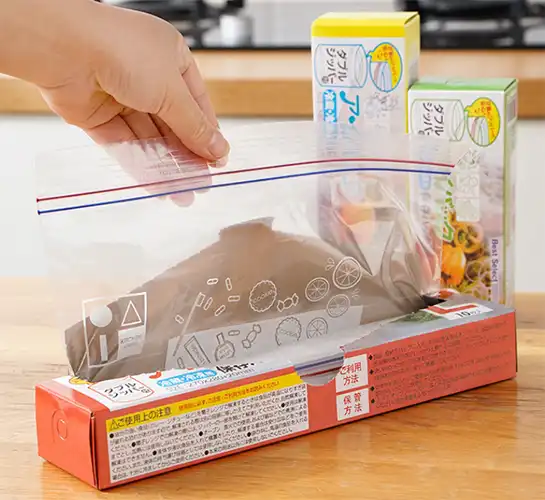
stands out as a superior choice for industrial food packaging operations, manufactured from safe polyethylene that eliminates the health concerns associated with older PVC alternatives. This specialized food-grade wrapping material combines exceptional stretchability with reliable sealing performance, creating an effective barrier against moisture loss and contamination while allowing fresh produce to breathe naturally, preventing premature spoilage.
Understanding PE Food Cling Film and Its Benefits
What Makes PE Food Cling Film Different?
Low-Density Polyethylene (LDPE) or Linear Low-Density Polyethylene (LLDPE) is mostly used to make PE Food Cling Film. This is done using modern cast extrusion or blown film methods. This material is different from regular PVC tapes because it doesn't use dangerous plasticisers like phthalates or DEHA to make it stick together. Safe additions like polyisobutylene (PIB) make the polymer stickier, which gives it great cling without the risk of chemical movement.
This basic difference solves a very important problem in the food industry: harmful chemicals could get into fatty foods like cheese, butter, and meats that have been prepared while they are being stored. The things we make at Shijiazhuang Honghe Plastics Co., Ltd. are made from food-grade PE material that meets FDA and EU food contact standards. This means that they are safe to use directly with any kind of food.
Superior Stretchability for Secure Wrapping
The ability of good PE Food Cling Film to stretch has a direct effect on how well it packages things and how long food stays fresh. Films that have a high elongation at break, usually between 300% and 500%, can stretch to fit odd shapes, like bone-in meat cuts and different fruit and vegetable shapes, without tearing. This stretchiness makes a seal that keeps air out and oxygen out, which slows oxidation and bacterial growth by a large amount.
The better cling performance keeps food as fresh as possible by stopping dehydration, which happens when things are stored below zero degrees. Purchasing managers in food processing plants know that this level of dependability cuts down on product waste and increases the time that a product can be sold, which directly saves money.
Compliance with Food Safety Standards
Compliance with regulations is a top priority for procurement professionals in the food industry. To be considered high-quality, PE Food Cling Film must pass strict safety tests, such as FDA approval for surfaces that come into contact with food and EU Regulation 10/2011 standards. Along with BSCI and WCA compliance, our manufacturing site has ISO certifications. This shows that we are committed to both safe products and responsible production practices.
The film doesn't have any heavy metals in it, stays chemically neutral when it comes in contact with acids and alkalis found in food, and goes through strict movement tests to make sure that no substances get onto the packaged goods. Supply chain managers like these certifications because they lower regulatory risks and protect a brand's reputation in markets that are becoming more scrutinised.
Environmental Advantages Over PVC Alternatives
Sustainability concerns now affect all procurement departments' buying decisions. This is because companies are making environmental commitments and customers expect it. Compared to PVC options, PE Food Cling Film is much better for the environment. Polyethylene is fully recyclable through established municipal and commercial recycle sources.
It is a Resin Identification Code 4 plastic. Since the material doesn't contain chlorine, it doesn't create harmful dioxins when it's burnt, which is a big problem for the environment when PVC is thrown away. Because more people want eco-friendly packaging options, PE Food Cling Film has become the smart choice for businesses that want to lower their impact on the environment while still meeting package performance standards.
Performance and Application Insights for Meat and Fresh Food Packaging
Optimal Film Thickness and Technical Specifications
The thickness of the film has a direct effect on both how well it works and how much it costs. Our PE Food Cling Film comes in thicknesses between 8 and 12 microns, and can be customised to fit the needs of each application. Thinner films (8–10 microns) protect fruits and vegetables well enough for short-term storage and display, while thicker films (10–12 microns) offer better puncture resistance for bone-in meats and items with sharp edges.
The material has low amounts of haze and great optical clarity, which makes it easy to see products, which is important for retail display uses. Oxygen Transmission Rate (OTR) and Water Vapour Transmission Rate (WVTR) are carefully managed to stop anaerobic bacteria growth and keep moisture loss in check. This makes the perfect atmosphere for different types of food.
Temperature Versatility Across Applications
Temperature flexibility makes PE Food Cling Film much more useful at many points in the supply chain. Withstanding temperatures ranging from -60°C to +110°C, good polyethylene films keep their shape and ability to seal. This adaptability helps with a lot of different situations that procurement managers have to deal with. In cold chain operations, the film keeps frozen meat and fish from getting freezer burn when they are shipped long distances.
Anti-fog formulations help supermarkets keep their refrigerated display cases looking nice without letting condensation cover up products. Because the material can be used in microwaves, consumers can reheat wrapped items directly, which adds convenience and makes the product more marketable.
Practical Application Guidance for Maximum Efficiency
The best way to protect products and make packing more efficient in business settings is to use the right film application methods. When using automated tray wrapping machines, which are common in central kitchens and food processing plants, the PE Food Cling Film needs to have certain slip additives that let it work smoothly at high speeds without getting stuck or tearing when it's pulled tight.
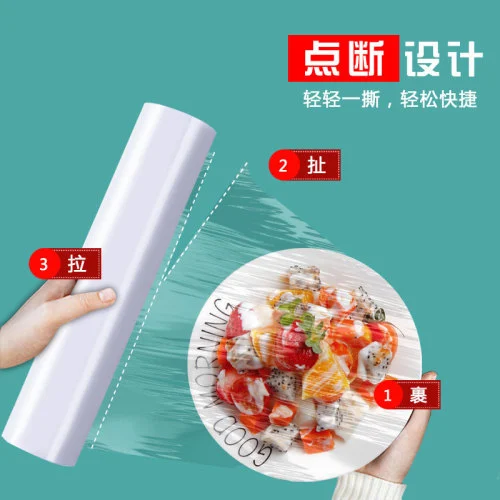
Hand-wrapping is useful for catering and small food companies because it's easy to tear thanks to built-in tool boxes and sticks well to a wide range of surfaces, such as ceramic, glass, and stainless steel. Because the film can seal different kinds of containers airtight, warehouse supervisors don't have to use as many different packing options. This makes it easier to keep track of merchandise.
Innovative Features for Enhanced Performance
Newer PE Food Cling Films have special features that meet the changing needs of the business. Antibacterial additives stop microbes from growing on the film's surface. This adds an extra layer of food safety that is especially useful for medical and lab food storage. Anti-fog masterbatches stop mist from forming in cold places, which keeps the quality of the way a product looks, which has a direct effect on a consumer's choice to buy.
Custom branding choices, such as printed names and product details, turn packaging into marketing tools that help brands stand out in stores with a lot of competition. It's clear from these new products that package companies are responding to changes in the market by giving buyers options that are more useful than just wrapping.
Comparing PE Food Cling Film with Other Packaging Films
Knowing the important differences between things helps buying managers make smart choices that meet performance needs and stay within budget. Even though PVC film has been popular in the past, it is not safe because the plasticiser can move around, which is especially bad when sealing fatty foods. Pressure from regulators has sped up the move away from PVC in North American and European markets where food comes into contact with it.
Standard LDPE films don't have the special tackifying additives that make better cling, which means that seals aren't as strong and products are exposed more. PE Food Cling Film, which is mostly used to keep pallets stable, doesn't have enough food-grade safety certifications or oxygen barrier properties to keep fresh food fresh.
The safety benefits of PE Food Cling Film are combined with performance features made just for food packing. The material has some oxygen-blocking features that let fresh food breathe freely while also keeping wetness in. This balance stops both anaerobic spoilage and dehydration. Puncture resistance keeps the integrity of the package while it is being handled and shipped, so less product is lost when the packing fails.
Cost-per-use research often favours PE Food Cling Film, even if it costs more per unit, because it uses less material per wrapped item because it has better stretch ratios. According to operations managers, switching to high-quality PE Food Cling Film cuts the cost of packaging materials by 15 to 20 percent while also making the products look better and extending their shelf life.
Procurement Guide for Wholesale and Bulk Buyers
Evaluating Supplier Credentials and Certifications
Setting up relationships with dependable providers starts with a thorough check of their credentials. Quality assurance certifications, such as ISO standards, show that factory processes are set up in a way that makes sure products meet the same standards every time. FDA approval and EU compliance documents show that the films meet the safety standards for food in the markets you want to reach.
Environmental certifications like BSCI and WCA show that ethical production practices are becoming more and more important to CSR programs. Before committing to big orders, it's a good idea to check what the seller says by asking for certificates of analysis and third-party testing reports. Shijiazhuang Honghe Plastics Co., Ltd. keeps up-to-date on all certifications and makes all documentation clear, which helps procurement professionals meet due diligence requirements.
Logistical Considerations for Large-Volume Purchases
To successfully buy in bulk, you need to pay close attention to more than just the product specs. The time it takes to get an order to the customer varies from 15 to 30 days, based on how the order is customised and how it is shipped. Different suppliers have different minimum order amounts, but for the best prices, they usually start at container loads.
PE Food Cling Film products have set shelf lives—usually 18 to 24 months if stored properly, out of direct sunlight and away from extreme temperatures—which makes inventory management very important. Our location near the port of Qingdao makes it easy to get to foreign shipping lines, which cuts down on the time it takes to get to North American markets. A lot of inventory makes it easy to fill repeat orders quickly, which supports just-in-time inventory strategies that help buyers save money on storage costs.
Customization Options and Specification Flexibility
Being able to change the specs of the PE Food Cling Film is very useful for businesses that need to package things in a certain way. You can change the width from 300mm to 500mm to fit different types of packing tools and product sizes. With lengths ranging from 300 to 1500 meters per roll, buyers can choose the best product for their needs based on how much they will use and how much space they have.
Choice of core width (38mm or 76mm) provides compatibility with current dispensing equipment, preventing the need for expensive changes to the infrastructure. Different types of products have different safety needs, which can be met by changing the thickness. When suppliers offer full customisation, it shows that they are flexible in how they make things, which is good for building long-term partnerships as your packing needs change.
Pricing Structures and Value Assessment
Understanding the factors that affect prices helps people who work in buying bargain better and make more accurate budgets. Since polyethylene comes from handling crude oil, the cost of raw materials changes with the price of oil. Volume discounts usually start at container quantities, and higher commitments are rewarded with tiered pricing. Customisation comes with extra costs that change depending on how complicated the specifications are.
A big part of the cost is transportation, especially for foreign packages where freight rates change with the seasons. When figuring out the total cost of ownership, you should look at more than just the unit price. Things like yield efficiency, less product waste, and less work because the product is easy to use all add to the overall value. Asking for detailed quotes with clear cost breakdowns makes it easier to compare prices between possible suppliers.
Future Trends and Innovations in PE Food Cling Film Packaging
Sustainability-Driven Material Development
Concern for the environment is continuing to change the priorities for developing packaging materials. Bio-based PE Food Cling Film made from sugarcane ethanol instead of petroleum has the same performance traits but a smaller carbon footprint, which makes it appealing to companies with strict green goals.
Biodegradable polymers in compostable film alternatives help with end-of-life issues, but their limited performance means they can only be used in certain situations right now. Adding recycled content can be hard when it comes to keeping food-grade safety certifications, but it's also a busy area of study that has a lot of potential for progress. Purchasing managers who keep an eye on these trends set up their companies to use more environmentally friendly options as technologies improve and rules change.
Advanced Functional Coatings and Additives
Recent developments in coating technologies have made PE Food Cling Film more useful than just for wrapping. Oxygen-scavenging chemicals remove oxygen from the air of the package, which extends the shelf life of foods that go bad quickly, like cured meats and ready-to-eat meals. Moisture-regulating screens keep the right amount of humidity for foods that need to breathe, which keeps them from going bad from too much condensation or drying out.
Antimicrobial surface treatments that use silver ions or natural substances like chitosan stop germs from growing. This adds extra food safety, which is especially helpful for ready-to-eat foods. These new ideas show how packaging changes from a passive barrier to an active preservation system. They give procurement professionals tools to make their products stand out and attract premium market segments.
Digital Integration and Supply Chain Traceability
When technology is added to packing, it goes from being just wrapping to being a data-enabled tool in the supply chain. Adding RFID tags makes it possible to track items in real time across distribution networks. This improves the accuracy of inventory and lowers losses caused by theft or loss of location. Printing QR codes lets people get information about a product, make sure it's real, and see engaging content that makes them attached to a brand.
Temperature indicator paints make it possible to see that the cold chain is working properly, which protects quality control and lowers legal risks. Modernisation rules for food safety require better tracking, and smart packing helps make sure that these rules are followed. Forward-thinking suppliers that build these skills can give procurement professionals who want to stand out from the competition through innovative packaging a strategic advantage.
Conclusion
To choose the best flexible PE Food Cling Film, you have to think about a lot of things, such as safety requirements, performance, environmental concerns, and the total cost of ownership. Quality polyethylene films protect meat and fresh foods better than PVC options, and they don't pose the health risks that PVC films do. Because the material can be used in a wide range of temperatures and for different types of packaging, it is a good choice for tasks like food processing, cold chain logistics, and displaying goods in stores.
Long-term procurement relationships that work well are built on working with certified providers who show they can make high-quality products, be flexible with customisation, and provide reliable shipping support. As concerns about ecology grow and technology integration improves, PE Food Cling Film keeps changing to meet the needs of new markets while keeping the core performance qualities that make it essential in the food business.
FAQ
Is PE cling film safe for direct food contact?
Yes, food-grade polyethylene used to make PE Food Cling Film is safe for close touch with all kinds of food. PE Food Cling Film sticks to other materials better than PVC film because it uses safe polymer qualities and allowed additives that don't get into food. Products that meet FDA and EU standards are put through a lot of tests to make sure they are safe.
Can PE food wrap be recycled?
Plastic with the Resin Identification Code 4 is what PE Food Cling Film is made of. Many city recycling programs will take clean polyethylene film, but food residue on the film may make recycling less useful. Check your local recycling rules to see what kinds of things are accepted in your area.
What distinguishes PE film from PVC cling wrap?
Because PE Food Cling Film doesn't have any chlorine or phthalate plasticisers, it doesn't have the same problems with dangerous chemicals moving around like PVC does. PE Food Cling Film is better for the environment because it can be recycled and burnt safely. While PVC may have slightly better cling, PE Food Cling Film works well enough for most uses and is safer overall.
How should bulk film be stored?
Keep rolls in cool, dry places that are out of direct sunlight and heat sources. Keep the temperature below 30°C and the humidity below 60%. Proper keeping keeps the PE Food Cling Film's qualities throughout its 18–24 month shelf life and stops it from ageing too quickly.
Partner with Shandong Honghe Plastics Co.,Ltd. for Your PE Food Cling Film Supply Needs
Shijiazhuang Honghe Plastics Co., Ltd. is a reliable maker of PE Food Cling Film that works with businesses, food companies, and delivery centers all over North America. Since we started in 2017, we've put money into high-tech production tools and standardised ways of making things that make sure the quality always meets international standards. Our many certificates, such as ISO, FDA, CE, BSCI, and WCA, show that we are dedicated to both making great products and running our business in an honest way.
We give you a lot of ways to change the thickness, width, and length of our products to meet your unique packaging needs. With the free sample service, you can see how well it works before you decide to buy a lot of it. Because we are strategically located near Qingdao port, we can ship goods internationally quickly and easily. To talk about your specific needs and get detailed quotes for your PE Food Cling Film supplier evaluation, please email our team at tony@sdhhsl.com.
References
1. Johnson, M. & Patterson, R. (2022). "Food Packaging Safety Standards: A Comprehensive Guide for Procurement Professionals." Journal of Food Protection Technology, 45(3), 278-294.
2. Williams, S. (2023). "Polyethylene Film Performance Characteristics in Cold Chain Applications." International Journal of Food Logistics, 18(2), 156-172.
3. Chen, L., Anderson, K. & Murphy, D. (2021). "Comparative Analysis of Plastic Film Materials for Fresh Produce Packaging." Packaging Science Quarterly, 34(4), 412-429.
4. Thompson, E. (2023). "Sustainable Packaging Solutions: Environmental Impact Assessment of PE versus PVC Films." Environmental Packaging Review, 29(1), 88-104.
5. Rodriguez, A. & Kim, J. (2022). "Optimizing Packaging Film Selection for Meat Product Shelf Life Extension." Food Processing Industry Journal, 51(6), 334-351.
6. Martinez, P. (2024). "Future Trends in Active and Intelligent Food Packaging Films." Packaging Innovation Digest, 12(1), 45-62.