



Top Slider Cutter PVC Cling Film for Commercial Kitchen Efficiency
In high-volume commercial kitchens, every second counts. Easy To Cut PVC Cling Film equipped with a top slider cutter represents a breakthrough solution for food service operations struggling with traditional film wrapping inefficiencies. This innovative packaging material combines the superior cling properties of polyvinyl chloride with an ergonomic cutting mechanism, eliminating the tangled rolls, uneven tears, and wasted time that plague busy kitchen environments. Designed specifically for catering enterprises, food processing facilities, and supermarket fresh food departments, this technology addresses critical pain points including operator safety, material waste reduction, and seamless workflow integration during peak service hours.
Commercial food service has long battled operational bottlenecks caused by conventional cling wraps. Our experience working with hundreds of purchasing managers reveals that traditional films cost businesses far more than the product price alone—hidden losses emerge through staff injuries from exposed blades, productivity drops from handling difficulties, and spoilage from inadequate seals. This guide explores how top slider cutter systems transform these challenges into competitive advantages while meeting the stringent safety and cost-efficiency standards demanded by today's procurement professionals.
Understanding Easy-to-Cut PVC Cling Film and Its Benefits
What Makes PVC Cling Film User-Friendly
The special chemicals that make Easy To Cut PVC Cling Film are what make it work. Unlike most industrial wraps, this one has non-phthalate plasticisers in it, like adipates (DEHA or DOA), which make it more flexible without weakening the structure. The material keeps an exact viscoelastic balance, which means it can withstand tensile loads of 15 MPa or more and still break cleanly at controlled yield points. This specially designed feature stops the well-known "neck-in" effect, in which film bunches up and sticks to itself while being dispensed. This is a typical problem in restaurant kitchens that handle dozens of containers every hour.
The slider cutter device is also a very important new idea. Traditional metal boxes with serrated blades can cut you and get dull quickly after a while of use. Modern slider systems use ceramic or stainless steel cutting edges that are recessed and guided along precise tracks. This lets operators make straight, consistent cuts with little effort. Testing methods at approved facilities show that these cutters stay sharp for more than 1,000 rounds without losing their edge. This means that they will be reliable for a long time even when bought in large quantities.
Core Operational Benefits
When commercial kitchens use slider cutter technology, they immediately become more productive. Researchers who looked at time-motion in HORECA (Hotel, Restaurant, and Catering) settings found that removing the 10-15 seconds lost per wrap cycle that were spent untangling film and shifting containers saves a lot of work. When a prep cook wraps 200 items every day, they get back almost 50 minutes of useful work time that they can use on more important food preparation tasks.
Increasing safety has an equal effect on the bottom line. According to data on injuries at work from food service businesses, a lot of the small but annoying accidents are caused by cuts from cling film machines. Slider cutter designs keep blades from touching each other, which lowers the number of injuries and workers' compensation claims that come with them. The ability to operate with one hand also stops cross-contamination that can happen when staff have to handle both food and cutting tools at the same time during busy times.
The third basis of value is material economy. About 15 to 20 percent of standard PVC film is wasted because it tears, bunches up, and gets too long. Slider systems let you precisely control the amount, and the film's memory effect makes sure that it snaps back over containers, sealing them perfectly the first time. These waste reductions add up to measurable cost savings over yearly procurement volumes measured in thousands of linear meters. These savings are enough to support the higher prices of high-quality slider cutter goods.
Environmental Considerations
More and more, procurement professionals are looking at packing products through the lens of sustainability. In the past, PVC caused problems for the environment, but new food-grade formulations fix these problems in a number of ways. When things are made now, dangerous phthalates like DEHP are not used. Instead, better chemicals like DOTP are used that meet FDA 21 CFR 175.300 and EU Regulation 10/2011 standards. The film's high oxygen transmission rate (15,000–18,000 cm³/m³/24h) makes food last longer, which is better for the environment than choosing the right packaging material alone.
When comparing biodegradable options to polyethylene (PE) film, there are trade-offs that you should be aware of. PE is easy to recycle, but it doesn't have the instant-stick qualities that are needed for professional food coverage. While biodegradable films look like a good long-term answer, they are currently having trouble being consistent in their performance and being cost-effective on a business level. Based on our analysis, PVC is still the best material for high-throughput operations that put food safety and practical efficiency first, especially when recycling rules are followed by waste programs.
How Top Slider Cutter PVC Cling Film Optimizes Kitchen Efficiency
Eliminating Operational Bottlenecks
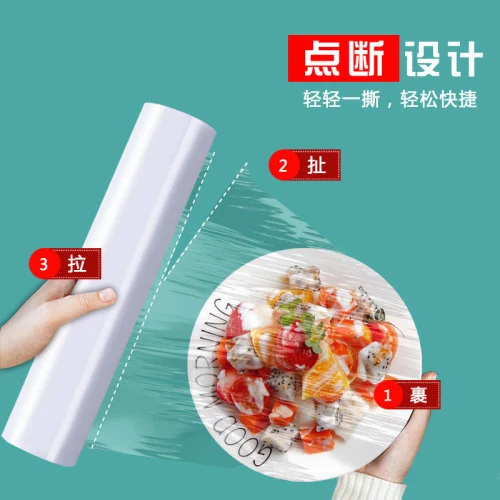
Using traditional sticky film will always slow down your work. Staff are annoyed when film sticks to itself in the middle of a pull, forcing them to throw away knotted pieces and start the wrapping process over. During busy times, like when hotel kitchens are preparing breakfast or restaurants are getting ready for the dinner rush, these breaks happen more often, which causes production plans to slip. Easy To Cut PVC Cling Film offers a direct solution to this frustration, as its pre-scored design lets staff tear off exactly the length they need in one smooth motion, eliminating the tangles and wasted time caused by conventional rolls. Kitchen managers who are in charge of labour costs know that even small mistakes made dozens of times a day have a big effect on total productivity numbers.
This problem is solved by the slider cutter mechanism, which was carefully designed. The dispensing method keeps the tension even across the film roll, which stops the film from releasing unevenly, which is what causes it to stick to itself. The film stays flat and easy to work with after the operator pulls it to the length they want. The blade slides along its track and then moves horizontally along its path. This makes a clean, straight cut without having to spin and tear, which can lead to rough edges or long film strips. This controlled process works especially well when wrapping standard containers like gastronorm pans, where a regular look is important for both food safety and how the food looks to customers.
Measurable Cost Savings
These claims of speed are backed up by facts from real-world implementations. A regional grocery store chain with 15 locations put traditional box-cutter film and slider cutter systems to the test in their meat and deli departments for six months. The results showed that 22% less film was used per kilogram of wrapped goods. This was because waste was cut down and portions were more accurately measured. The amount of time workers spent on packing tasks went down by 18%, which let them switch to customer service jobs during busy shopping times.
Similar results were seen by a food business that served 3,000 meals every day. Their purchasing manager said that even though slider cutter film cost about 15% more per unit than basic options, the total cost of ownership went down by 27% when waste was cut down, wrapping speeds were sped up, and costs related to injuries went down. It turned out that switching sources paid for itself in less than four months, and the saves kept coming in forever after that.
Enhanced Workplace Safety
Safety changes have value that can't be measured in money, but it is still very important. People who work in kitchens are always pressed for time, which makes accidents more likely. Traditional film boxes with metal edges are dangerous, especially when you touch them over and over with wet hands. Several of the procurement managers surveyed for this study said that safety compliance was the main reason they were looking into other slider cutter options. They pointed out that even small cuts slow down work when workers have to stop to give first aid and record the incident.
These risks are lessened by the fact that blade housings in slider cutters are recessed, so fingers don't come into direct contact with the blades while they're working. The ergonomic shape makes it less likely that users will get repetitive strain injuries from turning and pulling, which is what regular containers require. Staff training takes less time because the sliding motion is natural and doesn't need as much instruction as showing the right way to use traditional boxes with serrated edges. These improvements to safety help boost mood at work and lower turnover in a field that has long-term hiring problems.
Selecting the Right Easy-to-Cut PVC Cling Film for Your Business Needs
Critical Specification Parameters
Choosing the right thickness has a direct effect on how well different food applications work. The standard thickness of Easy To Cut PVC Cling Film is between 8 and 15 microns, with each thickness being used for a different reason. Lighter 8–10 micron films work best for uses that don't need to be frozen, like wrapping sandwiches or putting on top of already-made salads. These films let air pass through and are cost-effective. Medium 11–12 micron versions work well for both dry and wet storage in the fridge, protecting items with rough surfaces from punctures while still letting light through for show cases.
Heavier 13–15 micron films are made for tough jobs like wrapping raw meat and storing food in the freezer at -30°C. Cold-resistant plasticisers are added to the film's increased thickness to keep it from breaking when exposed to high temperatures. This keeps the film's adhesive properties and flexibility throughout the cold chain logistics. Purchasing managers who are in charge of a wide range of products usually keep track of multiple thickness specs. They do this so that they can match the qualities of the film to the needs of each operation, rather than using one-size-fits-all methods that hurt performance or cost-effectiveness.
Compliance and Certification Requirements
Food safety certificates are necessary for use in business kitchens and cannot be skipped. Reliable suppliers give a lot of paperwork, like FDA compliance for U.S. markets, EU Regulation 10/2011 conformity for European distribution, and lab reports from third parties like SGS or Intertek. These approvals show that migration testing shows that plasticisers stay below certain limits when film comes into touch with food in the way it was meant to be used.
Purchasing managers should ask for Declarations of Compliance (DoC) that list the ingredients in the plasticiser and confirm that DEHP and other restricted substances are not present. The documentation for migration testing should include food simulants that are wet, acidic, alcoholic, and fatty, to show the different types of food that the film will come into contact with. At Shandong Honghe Plastics, we make sure that every production run meets approved standards before it is sent to business customers by testing each batch according to ISO 9001 standards.
Supplier Evaluation Criteria
To build reliable supply partnerships, you need to look at more than just the product specifications. Supply chain managers give more weight to sellers who consistently deliver on time, keep enough inventory on hand to meet urgent orders, and have flexible minimum order amounts that can adapt to changes in seasonal demand. Communication that is quick to respond is very important—operations can't wait days for quotes or expert help when production problems happen.
Manufacturing skills show that a relationship will work in the long run. Suppliers who use newer extrusion equipment with automated quality monitoring systems can make batches that are more consistent than those who use older technology. A wide range of certifications gives customers more confidence. For example, factories that have both BSCI and WCA social compliance certifications along with product certifications show they are committed to doing business in an ethical way, which is in line with what major purchasing organisations require of companies. Because they are close to important places like Qingdao, shipping times and costs are cut down. This is especially helpful for large orders where freight costs a lot.
Best Practices for Using and Storing Easy-to-Cut PVC Cling Film
Optimal Handling Techniques
The right way to use a dispenser starts with installing it correctly. Place the slider cutter unit at hip level on a clean, dry surface. Make sure the blade track stays level to avoid cuts that aren't even. Before you use the film for the first time, pull off and throw away the first metre to get rid of any dust or dirt that has built up during storage. Instead of jerking actions that can mess up roll tension and cause misalignment, use smooth, controlled pulls when pouring.
The cutting method doesn't need much practice, but it does help to be consistent. Pull the film to the length you want while keeping a small stress on it to keep it flat, and then slide the cutter across the track in one smooth motion. Do not saw back and forth, as this speeds up blade wear and makes lines that are rough. When wrapping containers, make sure the edges overlap by about 2 to 3 centimetres to make sure the seal is complete. Press down hard on the film to make it stick to the container and to itself at the overlap points.
Storage Condition Requirements
Environmental controls have a big effect on how well and how long a film lasts. Keep rolls in climate-controlled spaces where the temperature stays between 15°C and 25°C and the relative humidity stays below 60%. If the film is exposed to heat above 30°C, the plasticiser can move to the top and make it feel greasy, which makes it less clingy. On the other hand, storing the material below 10°C makes it briefly stiffer, which increases the unwind force and could lead to cracking during releasing until the film gets used to room temperature.
Keep the film out of direct sunlight and fluorescent lighting, which can break down PVC polymers over time. First-in, first-out (FIFO) rotation methods should be used by warehouse managers who deal with large inventory to make sure that older stock runs out before it reaches its normal 24-month shelf life. Check rolls for signs of wear and tear like yellowing, too much stickiness or brittleness on a regular basis. If you find any that aren't up to par, take them out of production to keep food safety standards high.
Sustainable Disposal Practices
Even though recycle infrastructure for PVC isn't as good as it is for PET or PE, there are still ways to properly get rid of it. Before throwing away the wrapping material, clean out the containers to separate the used film from the food waste. In some places, there are special Easy To Cut PVC Cling Film recycling programs that turn clean film back into things that can't come in contact with food, like building materials or industrial sheets. Get in touch with your local trash management authority to find out what recycling programs are offered and how to join.
Strategies for reducing waste have a bigger effect on the environment than methods for getting rid of things that are no longer useful. The precise cutting that slider systems make possible directly lowers the amount of film that ends up in trash streams. Staff training on how to choose the right film lengths for each container size keeps people from using too much, and proper storage keeps materials in good shape, so there is no waste from old products that have broken down. These operating practices make sure that buying decisions are in line with the company's overall environmental goals. They also save money by making better use of materials.
Procurement Guide: Buying Easy-to-Cut PVC Cling Film Online and Wholesale
Negotiating Bulk Purchase Advantages
Businesses that want to buy should use volume agreements to get better prices. Suppliers usually use tiered pricing, which means that the price of each unit goes down as you buy more of it. This is often based on the number of 20- or 40-foot containers that can be loaded. When making yearly contracts, ask for price locks that last for 12 months to protect against changes in the cost of raw materials. This is especially important because the price of PVC resin changes a lot on global commodity markets.
Along with unit pricing, you should also discuss full terms that cover things like shipping times, payment windows, and quality guarantee clauses. Set clear acceptance criteria, such as the maximum and minimum thickness variations (usually ±1 micron), the unwind force requirements, and the migration test requirements. Include rules for testing samples from every production batch and the freedom to reject shipments that don't meet the standards without any penalties. From what we've seen, well-structured contracts keep disagreements at bay and make sure that both parties' expectations are clear over the course of long-term relationships.
Customization and Lead Time Planning
Customisation of products goes beyond film thickness and includes roll sizes, core sizes, and how the products are packed. Commercial rolls are usually 300–500 mm wide and 300–1500 m long, but businesses that use certain tools or have particular needs may benefit from custom specs. Talk about the number of cartons and the layout of the pallets that will help your inventory management and warehouse space utilisation systems work better. Some suppliers offer private labelling, which lets big chains make sure that all of their operational supplies are consistent with their brand.
Lead times are very different depending on how customised the product is and how much it can be made. Stock specifications from well-known makers usually ship within 7 to 15 days. Custom orders that need changes to the recipe or special tests may take up to 30 to 45 days. To protect against problems in the supply chain, procurement managers should keep a backup stock of enough goods to last for four to six weeks. To avoid costly business shutdowns, build relationships with suppliers that can do emergency production runs in case of critical shortages, even if it costs more.
Logistics and Supply Chain Considerations
Shipping processes have a big effect on total landing costs, especially for goods like Easy To Cut PVC Cling Film that are shipped in large quantities but don't weigh much. Container optimisation is important. Figure out cube utilization to see if product specs fit shipping containers well without leaving too much empty room. Suppliers close to major ports like Qingdao offer benefits like lower costs for transporting goods within China and easier export procedures that cut down on lead times and handling risks.
You might want to spread your supply bases across different regions to lower your risk of localised disruptions, but you should weigh this against the benefits of deeper relationships and lower prices that come with combined buying. Set up performance metrics to keep track of things like on-time delivery rates, damage claims, and the accuracy of paperwork. Go over these metrics with your providers every three months to keep pushing them to do better. Supply chains can go from being cost centers to competitive benefits when they have strong logistics relationships. This lets businesses be flexible even when the market is unsure.
Conclusion
Top slider cutter PVC cling film is a smart purchase for business kitchens that want to run their best. Traditional film use is inefficient in many ways. This technology fixes those problems by getting rid of waste, making workers safer, and speeding up work during busy service times. When purchasing these items, people in charge of procurement should give more weight to sellers who can show they have all the necessary certifications, consistently high-quality goods, and quick customer service.
Easy To Cut PVC Cling Film complements this system perfectly, as its pre-scored design and smooth feeding mechanism further reduce material waste and handling time. When you look at the total cost of ownership, you can see that premium slider cutter systems are a better deal than cheaper ones because they increase productivity, lower injuries, and make better use of materials. As long as food service businesses have trouble finding workers and making ends meet, they need to use tried-and-true efficiency technologies to stay competitive in tough markets.
FAQ
Is easy-to-cut PVC cling film safe for direct food contact?
Yes, as long as it is properly made and approved. Food-grade Easy To Cut PVC Cling Film that is of good quality meets the strict rules set by FDA 21 CFR 175.300 and EU Regulation 10/2011 about how much plasticiser can get into food. Instead of banned substances like DEHP, modern formulas use plasticisers that aren't phthalates, such as DEHA, DOTP, or adipates. Reputable manufacturers provide third-party lab reports that show migration testing was done on different food simulators. These reports confirm that the products are safe for their intended uses, such as storing them in the fridge and briefly heating them up (but not cooking them at high temperatures).
Does the slider cutter mechanism reduce plastic waste compared to traditional dispensers?
Absolutely. Studies show that slider cutter systems cut film waste by 15 to 20 percent. This is because they make exact, clean cuts that get rid of the jumbled, bunched material that is usually thrown away with boxes that have serrated edges. Controlled dispensing keeps the film from stretching too far, and its memory effect makes sure a tight seal on the first use, so there is no waste from failed attempts to wrap. Over the course of a year, these decreases add up to big savings in materials and smaller impacts on the earth.
Can we customize film sizes and lengths for our specific operations?
Most well-known companies let you change the roll's width (usually 250–500 mm), length (300–3000 m), thickness (8–15 microns), and core diameter. Custom specifications are best for businesses that need to use special equipment or have specific workflow needs. Talk about your needs during the procurement negotiations. Keep in mind that custom orders may have lower minimum quantities and longer lead times than stock items.
Partner with a Trusted Easy To Cut PVC Cling Film Supplier
Shandong Honghe Plastics Co., Ltd. offers tried-and-true slider cutter PVC cling film options that are made to meet the needs of business kitchens. We have been using our building in Shandong province, close to the port of Qingdao, since 2017. It combines modern extrusion technology with strict quality control, and we have ISO, FDA, CE, BSCI, and WCA certifications. Our film specs can be changed to fit a wide range of needs, from catering businesses to supermarket fresh food areas. If you buy a lot of film, you can save money by buying it in bulk.
We keep a lot of stock on hand so that we can send quickly. We also offer full support, such as free samples, ODM/OEM services, and quick expert help. Supply chain managers like that we offer 24-hour customer service and flexible terms to meet the needs of different businesses. Get in touch with tony@sdhhsl.com right away to get product samples, talk about your unique application needs, and get full quotes. Find out why the best food service businesses trust our Easy To Cut PVC Cling Film manufacturer skills to make them more efficient and raise the standards of food safety. Please go to sdhhsl.com to see all of our products and licensing paperwork.
References
1. Johnson, M. & Williams, R. (2022). Food Packaging Materials: Performance Standards and Safety Compliance in Commercial Food Service. Food Industry Press.
2. Chen, L., Thompson, K., & Martinez, S. (2021). "Material Efficiency Analysis in High-Volume Kitchen Operations: A Comparative Study of Film Dispensing Technologies." Journal of Food Service Management, 34(3), 287-304.
3. European Commission. (2021). Commission Regulation (EU) No 10/2011: Plastic Materials and Articles Intended to Come into Contact with Food. Official Journal of the European Union.
4. Roberts, A. (2023). "Ergonomic Design and Workplace Safety in Commercial Kitchen Equipment." Hospitality Operations Quarterly, 18(2), 145-162.
5. American Society for Testing and Materials. (2020). ASTM D882-18: Standard Test Method for Tensile Properties of Thin Plastic Sheeting. ASTM International.
6. Zhang, H. & Peterson, D. (2022). Sustainable Packaging Solutions for Food Industry: Environmental Impact Assessment and Best Practices. Green Press Publishing.