



Can Machine Grade Cling Film Reduce Packaging Costs and Plastic Waste?
Yes, machine grade cling filmhttps://www.sdhhsl.com/pvc-cling-film/machine-grade-cling-film can reduce plastic waste and packaging costs, but only if the right specifications are used for the item, the wrapper, and the storage environment. When the quality of the rolls is stable and the stretch is managed, automatic machines can run with fewer breaks, stops, and rewrapping. It cost less to work and make film per pack because of these gains. Getting rid of less film and food that goes bad can also help lower waste. It's not always better film because a failed wrap costs more than the plastic it saves. I believe you should compare prices per finished pack instead of prices per roll.
Introduction: Why Packaging Buyers Are Reassessing Machine Grade Cling Film
What Machine Grade Cling Film Is?
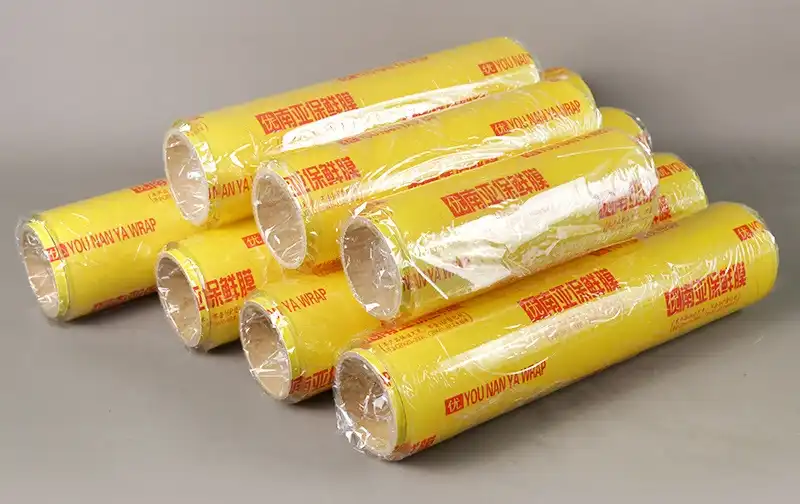
Rolled cling film made for tray wrappers and weigh-wrap-label stations is called machine grade cling film. These are partly and fully automatic wrapping tools. The film doesn't slip or stick too much on machine rollers, and the strain on the roll is even. People who buy it just to use it up miss the point, based on what I've seen. A good roll of film keeps the line moving, but a bad roll breaks, jams, and scrapes. They see it as a way to save money and help the environment because of this.
How It Differs From Food-Use Cling Film and Hand Grade Stretch Film
Food-safe cling film in the kitchen is soft and sticks to itself. You can use a cutter box or wrap things by hand, but it often gets stuck in a machine. Hand grade stretch film is extra strong because it is meant to be put on by hand. Film made for machines can stretch over and over at the same speed. Each type has its own place. Many people mess up when they move a film from one job to another and expect the same results. First, make sure the grade is right for the equipment. This will help keep costs down.
Core Metrics for B2B Comparison
If someone wants to buy from more than one supplier, they should compare them using the same factors: landed cost, which includes freight, grams of film per finished pack, packs per roll, stops or breaks per shift, and landed cost. Add to the list the number of damage claims and the rate of rewrapping. Quotes that only use price per kilogram hide most of these costs. There is no wrong way to compare prices as long as all the sellers answer the same questions. This shows you how much each pack really costs.
How Machine Grade Cling Film Can Reduce Packaging Costs
Material Efficiency and Fewer Stops
The film can stretch evenly so that it doesn't tear, which means that a roll can cover more packs. The wrappers keep rolling because they unwind slowly and always have the same roll size. Every stop wastes money and time, and each restart can throw away a film strip. Every little bit helps on a line where a lot of work needs to be done every month. Price and winding quality should both be thought about because steady operation saves money more than the film itself.
Fewer Breaks, Less Rewrapping, Lower Labor
Cut resistance and holding force are important when teeth, bones, or the edges of a tray press against the film. It will happen less often, so packages will not need to be rewrapped as often and damaged goods will not be sent back as often. People can get more work done because traffic jams clear up faster. The stores that pack and process food are the ones that notice this the most, since packs need to look clean and sealed on the shelf. Less work that needs to be redone saves money on labor costs every day, but it doesn't show up on quotes very often.
Why Maximum Stretch Is Not Always Cheapest
Film is saved when it is stretched to its fullest length. The pack might not work if the film gets thin, breaks, or loses its grip. People who want to buy something should check the pre-stretch ratio, thickness, tension, and machine speed against real products. The price should be as low as possible per stable, sealed pack. A little heavier film that never fails is better than a lighter film that needs to be fixed.
Can Machine Grade Cling Film Reduce Plastic Waste?
Using Less Film Without Creating New Failures
There is less waste when each pack only uses the film it needs. Film tails, snaps, and extra overlap are less likely to happen when the machine grade cling film rolls are uniform and the wrappers are set on the right way. Be careful, because a thinner machine grade cling film can make things worse in other places. When the wrap breaks, the food, tray, and plastic are thrown away. It's not enough for me to just look at the film's weight when I measure scrap; I also look at how it was wrapped. Then a thinner film can show that it saves plastic.
Protecting Food and Cutting Product Loss
The boxes keep the items inside safe. The Food and Agriculture Organization said in 2011 that about one-third of the food grown to feed people goes to waste. While it's being chilled and shown off, a tight, clear wrap helps keep fresh meat, produce, and ready-to-eat food safe. This safety measure is important because throwing away food wastes the water, energy, and work that went into making it. The film must fit the item well and seal well for this to work.
End-of-Life Considerations
The EPA says that in 2018, plastics made up 13% of municipal solid waste in the U.S. and only 8% of those plastics were recycled. Claims of sustainability need to take this into account. The Ellen MacArthur Foundation said in 2016 that only 14% of plastic packaging in the world is recycled. People who want to recycle should check to see if PVC film is accepted in their area. Most drop-off programs take polyethylene film. I'd rather make these limits clear than make broad green claims.
What Determines the Cost and Waste-Reduction Potential?
Matching the Film to Load and Conditions
Notably thick only tells a small part of the story. How well a film works can be changed by its weight, sharp edges, pack size, travel distance, and temperature. The film on a package needs to be able to stay clear and stick to itself even when it's cold. This is the first thing I ask the customer. Then I match the job to the stretchability, holding force, and puncture resistance. Based on real events movies waste less time and money.
Cast Film and Blown Film
When something is cast or blown, the balance is different. Most of the time, blown film is tougher than cast film. Cast film is usually smoother, quieter, and at the same thickness all over. It's not so much about the labels as it is that the machine grade cling film can read them, so test each choice on your wrapper. It's important for shoppers and inspectors that machine grade cling film is clear, strong enough to handle rough handling, and quiet enough to work in busy packing rooms. Know how the movie is made and what checks are done to make sure it's good afterward.
Machine Grade Cling Film Versus Alternative Packaging Methods
This is how you can sort the options: by use, tools, and results you've already seen. Hand-grade film is good for things that are small or have strange shapes. When automatic wrappers use machine film, they work better and keep the tension more even. Stretch film is a general term for a type of film that is often used to wrap pallets. On the other hand, food packs and trays work best with PVC machine film. It's easier to find things with colored film, and you can scan barcodes and check visually with clear film. Make sure you read over the additives and colors before you say yes. They might change how recycling works.
How to Choose the Best Machine Grade Cling Film for Pallet Wrapping?
Define the Load and Match the Machine
First, describe the load: its size, weight, shape, any sharp edges, where it was stored, and how far it was moved. Stretch film is something else we make, and full pallet loads often need it. Machine grade cling film can be used to wrap food packs, trays, and smaller unit loads.. Then, check the manual that came with your machine to make sure that the settings for the roll width, core size, outer diameter, speed, tension, and pre-stretch are correct. If you check these things before you order, you can avoid most start-up problems.
What Shandong Honghe Plastics Offers
Honghe Plastics Co.,Ltd. has been making PE/PVC cling film, disposable TPE/CPE/PE gloves, and stretch film since it opened in 2017. Our machine grade cling film is made from strong PVC and can be changed to meet the needs of every customer. You can get free samples of it and use it to package food, keep it cold, serve food, and do things around the house. It has been approved by ISO, CE, and FDA. BSCI and WCA have also approved the company to do business. For fatty foods, I think you should ask for food-contact documentation that has the exact recipe. People in the United States must follow the rules in Part 177 of Title 21 of the Code of Federal Regulations when they touch food.
Verify With a Controlled Trial
The best way to show something is through a trial. Record the amount of film used per pack, the cost per pack, breaks, rewraps, damage, and money spent each month. The sample film should then be put through the same machine settings with the same mix of products after being stored in the same way. It's important to compare film use and work time. Set pass marks ahead of time for things like how many breaks there are, how good the seal is, how it looks, and how often it delivers. Tools like ASTM D882 give numbers that are the same on both sides for tensile properties.
Common Mistakes That Prevent Cost and Waste Reduction
Judging by Roll Price Alone
A cheaper roll might not hold as much film that can be used, cover as many packs, or slow down the machine as much. The order of things changes a lot when you divide the total cost by the number of packs that are made. Also, using a thinner film that breaks or leaves packs open isn't always better for the environment. People who keep track of cost per pack instead of cost per roll don't fall into this trap. They can also tell the operations and finance teams why they made the choice they did.
Ignoring Machine Settings
Tension, pre-stretch, speed, and temperature can all go wrong when you heat-seal a film. Setting up the film and heat plate wrong is likely if the bottom seals come off. The tension might be too high or the roll edges might be broken if the film snaps a lot. To protect the value of the film you chose, train the people who will be working with it and make sure the wrapper is calibrated.
Skipping Storage Control and Sample Tests
Film doesn't like heat. If you store rolls in a warm place, they might break when you try to separate them. Keep rolls somewhere cool and dry. The results are also changed by cold rooms, humidity, and the time it takes to export. Before you order a lot of something, do a test run. People who buy from us can get free samples to see how well they work on their own computers first.
Conclusion
Machine grade cling film can only save money on packaging and plastic waste when the specifications match the product, the wrapper, and the storage conditions. There are savings from more than just thin film. There are also savings from steady wrapping, fewer breaks, less rewrapping, and less work. When scrap stays low and food stays safe, waste goes down. However, there aren't many places to recycle PVC film yet, so check with your local government. It depends on how heavy the load is, how hot it is, how the roll was made, and other factors. When you want to automatically wrap food, machine grade film is better than hand grade film and stretch film. One that has a starting point, a controlled test, and clear pass marks that show the lowest cost per finished pack is the most fair.
FAQ
Does machine grade cling film always cut costs?
It's not true. How much you save will depend on how well the film fits your item and carrier. Instead of looking at the price per roll, look at the price per finished pack. This includes work, breaks, and rewraps.
Why does my film snap on the wrapper?
Most of the time, snaps mean that the tension is too high, the edges of the roll are broken, or the film was stored too warm. Look at the roll, make sure everything is set up right, and then print a sample.
Can PVC machine grade cling film wrap fatty foods?
PVC film has plasticizers in it, so be careful with foods that are high in fat. Ask for food-contact documentation or think about polyolefin film for oils and fats to get the exact recipe.
Can I get a sample before ordering?
Yes. We give away free samples, and the film can be changed to fit your needs. You can use your own machine to test it out first.
What details should I send for a quote?
Send information about the film you're using now, such as how much you use each month, the model of the wrapper, the type of product, the storage temperature, and where the information will be sent.
Request Machine Grade Cling Film Samples From Shandong Honghe Plastics Co.,Ltd.
Are you looking for a company that makes machine grade cling film? Shandong Honghe Plastics Co.,Ltd. has a large inventory of PVC film that can be customized, affordable prices, free samples, ISO, CE, and FDA certifications, and service after the sale 24 hours a day, 7 days a week. They are also close to Qingdao Port and can deliver quickly. Our team will help you choose the right specification if you email tony@sdhhsl.com with your roll size, wrapper model, and monthly volume.
References
1. U.S. Environmental Protection Agency, Advancing Sustainable Materials Management: 2018 Fact Sheet, 2020
2. Food and Agriculture Organization of the United Nations, Global Food Losses and Food Waste, 2011
3. Ellen MacArthur Foundation, The New Plastics Economy: Rethinking the Future of Plastics, 2016
4. ASTM International, ASTM D882 Standard Test Method for Tensile Properties of Thin Plastic Sheeting, 2018
5. U.S. Food and Drug Administration, Code of Federal Regulations Title 21, Part 177 Indirect Food Additives: Polymers, 2023
6. European Commission, Regulation (EU) No 10/2011 on Plastic Materials and Articles Intended to Come into Contact with Food, 2011