



PE vs PVC Cling Film for Restaurant Use
PE vs PVC cling film for restaurant use comes down to food type, storage temperature, and documentation. PVC offers strong cling and clarity. PE cling film for food https://www.sdhhsl.com/pe-cling-film/pe-cling-film-for-foodavoids the plasticizer questions that come with PVC, performs well in chilled and frozen storage when specified correctly, and fits recyclable PE packaging plans. I recommend PE for fatty foods such as cheese and roasted meat, for freezer rooms, and for high-volume kitchens that need consistent supply. PVC can still fit short-term retail wrap where cling and gloss matter most. In every case, request compliance documents and test a sample on your real products before you order in bulk.
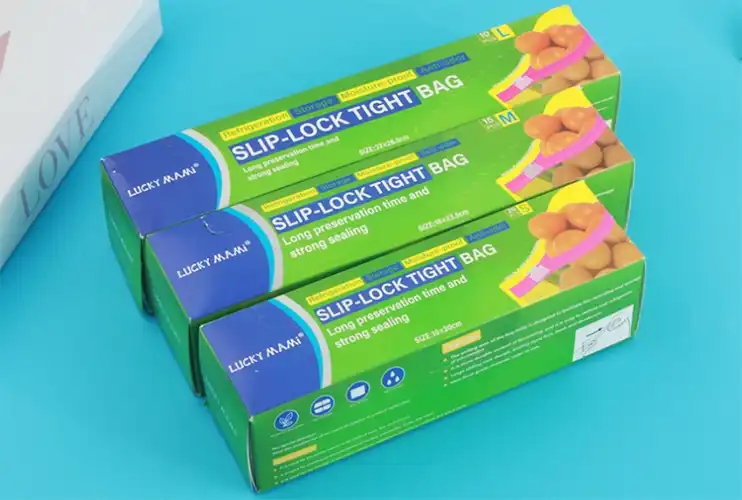
PE vs PVC Cling Film: What Is the Difference?
How the Two Cling Films Differ in Material and Format?
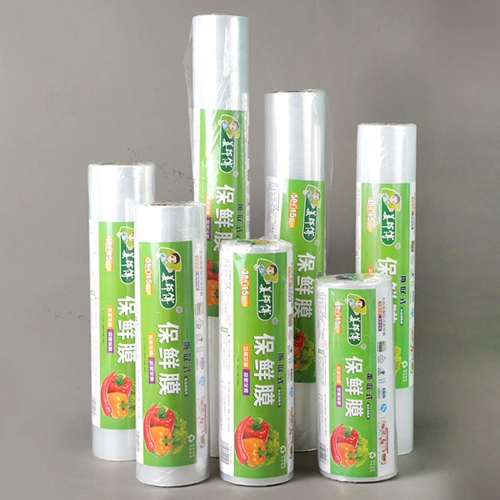
People make PE cling film for food out of LDPE or LLDPE, which stands for low-density polyethylene. You can cast or blow the film. It works if you add polyisobutylene (PIB) or something else that already sticks to the polymer. There is no need for liquid plasticizers. To become soft and stretchy, PVC's hard polymers need to be mixed with plasticizers. This means that we need to take a close look at how it is made. Hand-wrap rolls are a type of PE cling film for food. Machine rolls, sheets that are already cut, special sizes, and printed boxes are some of the other kinds. PVC shopping trays are clear, stick well, and look shiny, which people know. There are also different resin identification codes for each one: Code 4 is for LDPE and code 3 is for PVC.
Side-by-Side Comparison
When people ask me where each material goes, this is a quick example I give them. This table is just a place to start; it's not the whole answer because the results are different from seller to seller in terms of how they are made and how thick they are.
| Factor | PE Cling Film | PVC Cling Film |
|---|---|---|
| Plasticizers | Not necessary for cling | Needed for softness; check the formulation |
| Cling and clarity | Good; varies by grade | Strong cling and high gloss |
| Freezer use | Check your specs | Varies by formulation; check your specs |
| Fatty foods | Often preferred; confirm compliance | Request migration data |
| Recycling | Mono-material PE, code 4 | Code 3; limited collection |
| Customization | Sizes, cores, printing, OEM | Available, depends on the supplier |
Where Each Material Fits in a Restaurant
I see PE cling film for food on food prep containers, dough, leftovers, and other things in kitchen walk-in coolers and freezers. Stores put PVC film on trays of meat and vegetables to make them look better. Shandong Honghe Plastics Co.,Ltd makes both PE and PVC cling film for food, so I can talk about both of them. Most of the time, I tell restaurant groups that PE is the best storage film. There are times when I think PVC would be good for wrapping, but only after the buyer has looked over the paperwork.
Is PE Cling Film Safe, and How Does It Handle Temperature?
Is PE Cling Film Safe for Food?
About safety, the name of the stuff doesn't tell you everything you need to know. In the US, polyethylene that is used with food must follow FDA rules, such as 21 CFR 177.1520 for olefin plastics. People who buy things to send into the EU must follow Regulation (EC) No 1935/2004. You should ask for a letter of compliance, a technical data sheet, transfer test results, and batch records if you want to buy a certain standard. The kind of food is also important. Migrating bugs are affected by temperature, acidity, touch time, and fat content. To make sure they can live together, you should test foods like cheese, fish, sauces, and acidic fruits and vegetables. People who buy from Shandong Honghe can see their ISO, CE, and FDA certifications if they ask.
Freezer and Chilled Storage Performance
It's important to pay attention to the little things when it comes to cold storage. The FDA Food Code says that cold items must be kept at or below 41°F (5°C), and freezer rooms are even colder. There are some types of PE cling film for food that can be stored in cold or frozen places, but it depends on the film, how thick it is, how long it is stored, and how well it is sealed. In sample tests, look for film that is stiff, cracked, has lost its cling, condenses, or is hard to peel off after it has frozen. The food won't get freezer burn if the wrap is tight around it. This is because air can't touch the food before it freezes. Find out what temperature range your source works in. Then, before taking on a big order, you should store your real containers and goods for a full cycle.
Microwave Use: Never Assume
You shouldn't think that all PE cling film for food can go in the microwave. Do not use a film unless the seller marks it and checks it to make sure it can be cooked to a certain level and is safe to touch food. The lid needs to have a hole in it so steam can escape if you heat food. Even labeled paper shouldn't touch it. Foods that are high in sugar and fat can get very hot and might make plastic soft. Store film and microwave covers should be kept separate in restaurants so that staff don't mix them up. For each requirement, you should ask for written instructions. Print the directions on the carton if you're going to give the rolls to other people.
Choosing PE Cling Film for Restaurant Applications
Matching Film to Food Type
Different things put more stress on film in different ways. Clear and dry food is what you need for fresh food. Anti-fog products are used in fridge cases to keep things clear. Foods like meat and fish need to be stronger and less likely to leak when they are cut with the bone still in. Film that can be pulled off of baked goods and ready-to-eat food must not tear or damage the surface. Because cheese, butter, and roasted foods all have fat in them, it's good to have PE and a book check. Mark each item with the date and what's inside it. Ready-to-eat food can stay in the fridge for up to seven days at 41°F or less thanks to the Food Code. Place an open lid over hot food to let it cool down, and then close it up when it's cold.
Thickness, Roll Size, and Equipment Fit
If you want to know how well something works, thickness is a good place to start. Our PE cling film for food is usually 8 to 20 microns thick. Light gages are good for storing everyday foods, while heavy gages are better for meat, fish, or things with sharp edges. Grapes and other fruits should be packed in lighter gages. Then, make sure that the holder or cutter box can hold the roll's width, length, and core circle. Hand-wrapped paper rolls should be easy to tear and stick together well. For rolling boxes, you need to keep the tension steady and add slip agents to machine rolls. Distributors and restaurant groups can also ask for packages in special sizes, with their own labels, or with OEM or ODM specifications. Test two or three gages that are next to each other.
Common Mistakes to Avoid
A lot of people make these four mistakes. People don't bother with papers first because they think all PE cling film for food is safe for food. First, they choose based on how much the carton costs. They don't think about how long or thick the roll is. Third, they only use one film for each job, which means that meat can cut holes in it and put clouds under it. Four, they don't do what the freezer and microwave show them to do. When these mistakes happen, the work doesn't bond well, breaks, leaks, needs to be rewrapped, and compliance issues arise. Making a simple matrix with sections for food type, temperature, storage time, puncture risk, and wrapping method would be helpful. Then, put a guideline in each row. Before you bring something back into the country or sell it again, check the export papers and rules for that country.
Buying PE Cling Film for Food Wholesale
Build a Clear RFQ
Everyone saves time when they ask for quotes in a clear way. Include the type of material (LDPE or LLDPE), the grade for food contact, the thickness and tolerance, the roll width, the length, the core size, the cling and stretch needs, the temperature range, the package format, the use, the monthly volume, the market location, and the private-label needs. You can get a better first price if you are more clear about what you need. It is also helpful to have pictures of your box or packing machine. Then get some samples and test them out in your home or on your own line. If you want to compare providers, don't look at the price per carton but at the cost per packed unit. The real cost goes up because of waste, broken rolls, and short rolls.
How to Evaluate a Supplier
Check out their ability to make things, their documentation, their quality control, their lead times, their experience with exporting, their sample support, and how they treat customers after the sale. It's important to know if the thickness, tensile strength, puncture resistance, and migration tests are done by labs inside or outside the company. Discover if you can keep track of and check each batch before it is sent out. Shandong Honghe Plastics Co.,Ltd. has been making garbage gloves made of TPE, CPE, and PE since 2017. They also make PE and PVC PE cling film for food. Our business has been approved by ISO, CE, FDA, BSCI, and WCA, and we have a good workshop with high-tech tools. The site is in Liuguanzhuang Town, Shandong. It's close to Qingdao Port, which makes it easier to ship goods abroad.
Samples, Service, and Supply Stability
People want to be sure of the quality before they place a big order, so we send them samples to look at. We have lots of stock, do OEM and ODM work, and are here to help you 24 hours a day, seven days a week after the sale. Fast delivery and help with logistics help warehouse managers plan when to restock so there are no gaps. I think you should do it step by step: accept samples, place a trial order, check the batch against your requirements, and then make plans for when it will be done again. Before you commit to a larger volume, you can test this path's quality and delivery track record. The partnership is also based on facts, not just words, which is good for the long term.
Sustainability and a Simple Decision Guide
Recyclable PE and Other Claims
Claims about sustainability need to be backed up by facts. There is no way to switch between biodegradable PE film, compostable film, recyclable PE film, and films with biodegradable additives. They all have their own way of being thrown away. A single-material PE cling film for food (resin code 4) can usually be recovered with other plastic films. On the other hand, there aren't many roadside film programs in the US, and most store drop-off programs only take film that is clean and dry. Most of the time, cling film that has been dirty with food doesn't count. Ask the sellers what the exact ingredients are and if you can pick up the cores, boxes, and labels in your area. Be careful of marketing speak that sounds too general until the supplier gives you clear technical information.
Cutting Waste in the Kitchen
People who don't use film clean it up the best. So that your staff doesn't have to wrap the biggest box twice, pick a roll width that fits it. Try out a few different gages and pick the lightest one that works. Cooks should only wrap things once, make sure it's tight, and clearly name it. Separate the food so that you don't have to rewrap as much of it. Jars with lids that can be used more than once are best for everyday things. For odd shapes and trays, PE cling film for food works best. The cost of movies goes down and there is less trash because of these steps. Also, they help reach long-term goals without putting food safety at risk.
A Simple Decision Checklist
If paperwork, freezer space, fatty foods, an adjustable design, recyclable PE packing plans, or OEM supply are the most important things to you, choose PE. Choose PVC when sticking well, being clear, and having a classic look in stores are the most important things, and when its formula meets the rules of the market you want to reach. Before you send out a large order, make sure you check the type of food, temperature, thickness, roll size, compliance papers, test results, package format, landing cost, and sample approval. Put the order on hold until you finish closing any open items.
Conclusion
Business places can use both PE and PVC cling film. This is not a matter of personal choice; it depends on the whole job. Clear PVC cling film sticks well, but PE cling film for food doesn't have any plasticizers, can store fatty foods well, and can go in the freezer if it's done right. It also fits into plans for PE packages that can be recycled. Documents like compliance declarations and migration reports that are specific to the product are needed to make sure it is safe. If someone says something about temperature or microwaves, they need to back it up in writing and in the real world. If you match the thickness, roll size, and equipment to the type of food, you can cut down on waste and breakage. When you compare costs per unit and have a clear RFQ, you can get a better idea of the price. Also, getting permission to use a sample before the full release makes buying less risky.
FAQ
Q1: Is PE better than PVC cling film for restaurants?
A: Not all the time. PE is better for freezing, customizing, storing fatty foods, and making plans for packaging that can be recycled. PVC, on the other hand, is clear and sticks well. Check the paperwork first and make sure the picture fits the job.
Q2: Can I use PE cling film for meat and seafood?
A: Yes, most of the time. If you want better protection against holes and water, choose a thicker thickness. Make sure it's okay to use on the food you're using, and try a small amount on wet or bone-in foods.
Q3: Is PE cling film microwave-safe?
A: Just as long as the seller tests and marks that exact standard. Don't put the film on top of the food; let the cover air out.
Q4: What documents should I request for a wholesale order?
A: As well as being able to track each batch, you should ask for a compliance statement, a technical data sheet, a transfer report, and certifications for the market you want to sell to.
Request PE Cling Film for Food Samples from Shandong Honghe Plastics Co.,Ltd.
Do you need a PE cling film for food manufacturer that works with restaurants and big stores? Shandong Honghe Plastics Co., Ltd. offers samples, OEM and ODM services, a large collection, and help after the sale 24 hours a day, seven days a week. Tony@sdhhsl.com with your material, thickness, roll size, number, and market, and I'll get back to you with more information and a price.
References
1. FDA Food Code, 2022
2. Code of Federal Regulations Title 21, Section 177.1520: Olefin Polymers, 2024
3. Regulation (EC) No 1935/2004 on Materials and Articles Intended to Come into Contact with Food, Official Journal of the European Union, 2004
4. Marsh and Bugusu, Food Packaging—Roles, Materials, and Environmental Issues, Journal of Food Science, 2007
5. Lau and Wong, Contamination in Food from Packaging Material, Journal of Chromatography A, 2000
6. Robertson, Food Packaging: Principles and Practice, CRC Press, 2012