



Guide to Buying Bulk Cling Film Rolls
When sourcing protective packaging materials for commercial operations, selecting the right PVC Cling Film Roll https://www.sdhhsl.com/pvc-cling-film/pvc-cling-film-rollrequires careful consideration of technical specifications, supplier reliability, and compliance standards. Bulk purchasing demands attention to thickness consistency, plasticizer safety, oxygen transmission rates, and unwinding performance—factors that directly impact food preservation, operational efficiency, and cost management. Whether you manage procurement for supermarket chains, food processing facilities, or catering enterprises, understanding these material properties ensures your investment delivers both product protection and supply chain stability across diverse cold-chain environments.
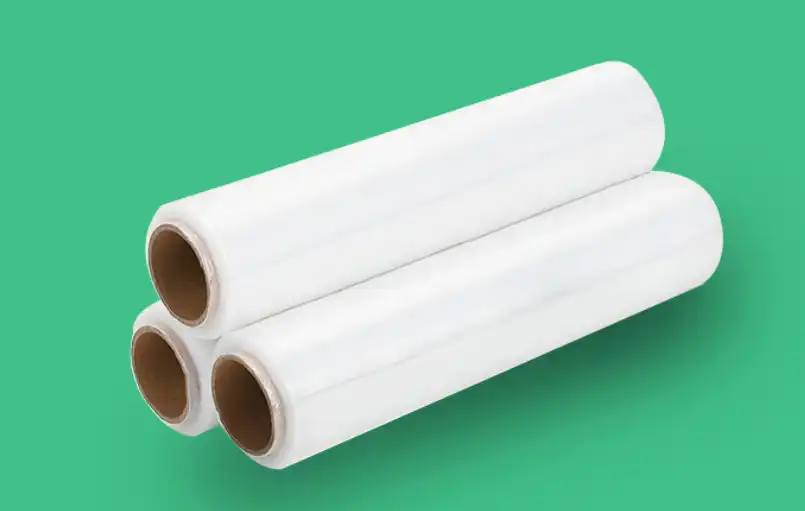
Understanding PVC Cling Film Rolls: Key Features and Benefits
What Makes PVC Cling Film Different from Alternatives?
PVC Cling Film Rolls are formulated from Polyvinyl Chloride resin combined with compliant plasticizers like adipates (DEHA/DOA), creating a flexible, self-adhesive packaging solution. PVC formulations have better elastic rebound than polyethylene (PE) wraps. This is often called the "memory effect," and it means that the film can fit tightly to irregular forms without leaving gaps. With haze values usually below 2%, the material's optical clarity is better than that of rival films, making sure that products look their best in cold display cases.
We've seen that good PVC films let between 15,000 and 20,000 cc/m² of oxygen through every 24 hours. This means that they are especially good at keeping fresh red meat fresh. The controlled permeability stops the browning (metmyoglobin formation) that happens with low-breathability options. This keeps the bright red oxymyoglobin bloom that people associate with freshness. There is no need for adhesives because the film sticks firmly to stainless steel, ceramics, and its own surface without leaving behind any residue.
Core Advantages for Bulk Procurement
Buying PVC cling film in large amounts has many benefits for your business that go beyond lowering the cost per unit. The material's tensile strength and elongation properties—exceeding 200% at break—minimize waste from tearing during high-volume wrapping operations. Temperature stability from -30°C in freezer storage to 60°C in ambient displays means a single product specification serves multiple applications across your facility.
The airtight but permeable seal keeps perishable goods fresh longer by controlling how much moisture is retained and stopping cross-contamination during transport. When covering bone-in dishes or containers with sharp edges, commercial kitchens like how resistant it is to punctures. The material's precise winding tension and static control help automated packaging lines, which cuts down on machine downtime that happens a lot when film quality isn't consistent. These performance traits translate to measurable gains in food waste reduction, labor efficiency, and customer happiness measures.
Thickness Specifications and Performance Trade-offs
The thickness of the film is directly related to the needs of the application and the cost. Standard industrial grades are between 8 and 15 microns, and each size range has its own set of performance characteristics. Thinner films at 8-10 microns maximize roll length per kilogram, reducing changeout frequency on high-speed automated equipment. They work well for things with smooth surfaces, like fruit trays or bakery cases, where the risk of puncture is low.
Medium-thickness options (11-13 microns) represent the optimal balance for most commercial catering and food processing scenarios. This range offers sufficient puncture resistance for irregular surfaces while keeping good cling and stretchability. When wrapping things with sharp corners or bones that stick out, or when the films need to be able to handle rough handling during shipping, you need to use specifications that are 14 to 15 microns thicker. According to feedback from operations managers, matching thickness to application keeps products from failing and keeps material costs from going up for no reason.
How to Choose the Right PVC Cling Film Roll for Your Business Needs?
Defining Your Procurement Requirements
To successfully buy a PVC Cling Film Roll in bulk, you must first describe in detail how your business works. For food-grade uses, you need to follow FDA CFR 21 175.300 or EU Regulation No 10/2011, which sets limits on how much plasticizer can move into food simulants. Medical and laboratory settings may require extra documents proving sterility and chemical compatibility. Industrial packaging for non-food things offers greater freedom but still benefits from standardized quality measures.
Document your usage patterns to determine optimal roll dimensions and core sizes. Commercial kitchens typically favor 300mm to 450mm widths with 300-500 meter lengths, balancing handling convenience with replacement frequency. Automated wrapping machinery requires precise specifications for core diameter, winding tension, and roll alignment to prevent jamming. Seasonal demand changes should guide minimum order amounts and transport scheduling to avoid both stockouts and excessive inventory carrying costs.
Critical Selection Criteria
We suggest that you use these non-negotiable criteria to judge possible sellers. Material documents that show the plasticizer's make-up make sure that it meets changing rules for food contact. For example, newer formulations use adipates instead of phthalates like DEHP that could be dangerous. Thickness uniformity within a tolerance of +/- 1 micron stops uneven stretching that stops work from happening. Visual inspection for fisheyes (unmelted resin particles) and gels identifies manufacturing quality issues before they compromise your packaging integrity.
Unwinding force testing reveals whether film will telescope on the roll or create blocking problems during dispensing. Measurements of cling performance show how well different substrates stick to the film, which is very important when wrapping directly onto stainless steel equipment or ceramic containers. For fresh meat applications, oxygen transmission rate data is very important, while moisture vapor transmission rates are more important for baked goods and fruits and vegetables. Instead of depending only on what the supplier says, get third-party lab results that back up these standards.
Brand Evaluation versus OEM Suppliers
Global brand-name films offer stability and wide certification acceptance, which makes it easier for businesses with multiple locations to keep track of their compliance paperwork. These products are very expensive, but they are easier to buy because they have a history of reliability. OEM providers like Shandong Honghe Plastics Co., Ltd. offer great deals to large buyers who are ready to do a lot of quality checks.
Manufacturers who have been around for a while and have ISO, CE, or FDA certifications show that they are committed to controlling processes and following the rules. Customizing specifications, like changing the thickness, width, or additive packages, lets you meet specific operating needs that standard goods can't. Free sample programs let you try things out for yourself in real working conditions before you decide to buy in bulk. Direct connections with suppliers often allow for faster responses to quality issues and more flexible shipping schedules when compared to networks of distributors.
Procurement Best Practices for Bulk PVC Cling Film Rolls
Sourcing Strategies and Supplier Evaluation
We've found that diversifying sourcing channels balances cost optimization with supply security. B2B sites like Alibaba let you compare prices and find a lot of suppliers, but they also require that you carefully check the credentials of each maker. When you work directly with producers, you cut out the middlemen and build relationships that make customization and allocating priorities easier when supply is limited. Industry trade shows are great places to see models in person and get a feel for how well a product can be made by touring the production facilities.
When making a long-term deal with a supplier for a PVC Cling Film Roll, the security of their finances is just as important as the quality of their products. Ask for business licenses, proof of production ability, and client examples from businesses that are about the same size. Companies that have been around since 2017 or earlier show that the market is stable and that their processes are mature. Logistics costs and transport reliability for foreign purchases are greatly affected by how close a city is to major ports like Qingdao.
Quality Verification and Sample Testing
Don't commit to large orders until you've thoroughly tested a sample in real-world working circumstances. Standard testing methods should include unwinding performance on your unique tools, adhesion strength to your package surfaces, and seal stability after temperature cycles. If your provider can't give you current third-party reports, send samples to independent labs to be tested for migration. The small amount of money spent on pre-qualification keeps mistakes from happening that cost a lot of money when container-load quantities don't meet performance standards.
Before sending out buy orders, make sure there are clear criteria for acceptance. To avoid disagreements, it is important to spell out the acceptable defect rates, measurement errors, and testing methods. Instead of taking general samples that might not reflect current production output, ask for production samples from the actual batch that will be used for your order. Documentation should have batch numbers, production dates, and end dates so that problems with quality can be tracked down if they happen during storage or use.
Negotiation Tactics and Contract Terms
Most of the time, volume-based pricing is the best way to save money, with price breaks at container-load quantities. Asking for annual contracts with set deliveries often gets you better prices and makes sure you have a steady supply. When sellers fight mostly on unit cost, we've seen that flexible payment terms, like letters of credit or net-30 terms for long-term buyers, can help keep prices down.
Delivery terms deserve careful attention beyond just Incoterms selection. Set acceptable lead times, options for quick restocking in case of an emergency, and penalties for late deliveries that affect your production schedule. Using vendor-managed inventory programs or consignment arrangements for inventory shifts the costs of carrying it to the suppliers while keeping it available on-site. Clear descriptions of defects stop cheating, but return policies that cover damaged goods protect against quality problems. Putting these defenses into deals from the start is much easier than trying to work out solutions after problems have happened.
Environmental and Safety Considerations When Buying PVC Cling Film Rolls
Food Safety Compliance and Certification Standards
Modern food-grade PVC Cling Film Rolls made with adipate plasticizers meet strict safety standards when used according to suggested guidelines. According to FDA rules, good suppliers usually meet the Overall Migration Limits (OML) and Specific Migration Limits (SML). European Union standards under Regulation No 10/2011 impose similarly protective requirements. Bulk orders should come with certification paperwork that proves compliance for regulatory audits.
The safety gaps that come with certified goods are maximized when they are used correctly. Films shouldn't come into direct contact with fatty foods while they're being heated in the microwave because the higher temperatures make the plasticizer move faster. Leaving a space between the film and the food lets the steam leave without letting the two touch. The way the product is stored is also important. UV light or too much heat can speed up the breakdown of polymers, which can lead to yellowing and the release of additives. Quality films incorporate stabilizers providing 12-24 month shelf life under appropriate warehouse conditions.
Environmental Impact Assessment
The environmental impact of PVC cling film needs to be looked at in a fair way. The material's performance benefits in reducing food waste—often a bigger sustainability impact than packaging itself—are at odds with the amount of energy it takes to make and the problems that come up when it's time to throw it away. More time on the shelf means fewer bad goods, which lowers the carbon footprint of making, transporting, and throwing away food. Thin-gauge PVC films protect food better than solid films because they use less material per unit of food. This makes the packaging-to-product ratio better.
There aren't many places to recycle used PVC film yet, but it is technically possible to do so mechanically. Some suppliers now offer films that are made with recycled materials or bio-based plasticizers that keep the performance while lowering the need for fossil fuels. There are biodegradable options, but they usually don't let air through, which is important for fresh meat uses. More and more, purchasing managers want Life Cycle Assessment data to figure out how much an item's production, use, and removal affect the world as a whole. This lets them make smart comparisons with other materials.
Sustainable Procurement Practices
When you choose suppliers with documented environmental management systems, it shows that you are serious about responsible sourcing. Certifications from BSCI and WCA make sure that companies follow ethical labor practices and safety standards at work. When suppliers spend money on energy-efficient machinery and programs to cut down on waste, they go above and beyond what is required by law. We suggest making sustainability scorecards that include traditional cost and quality metrics along with environmental ones.
Optimizing packaging cuts down on the amount of material used without sacrificing security. Over-specification waste can be avoided by matching film thickness to application needs. Shipping in full containers together makes the most of the efficiency of transportation. Some businesses that are thinking ahead look into circular economy models and closed-loop systems where providers collect and recover used film. These methods make sure that choices about purchases are in line with the social responsibility goals of the company, and they often save money by making better use of resources.
Conclusion
To successfully buy PVC Cling Film Rolls in bulk, you have to find a balance between technical requirements and practical facts and budget limits. Quality films have better cling properties, optical clarity, and oxygen permeability, which all help keep food fresh, make operations run more smoothly, and improve the look of products. You can protect your investment and build partnerships that can change with your needs by carefully evaluating suppliers based on their certifications, ability to customize, and quality consistency. Environmental concerns are becoming more and more important when making responsible purchasing decisions. This is increasing the demand for suppliers who are committed to both product excellence and sustainability. Comprehensive pre-qualification through sample testing and review of documentation stops mistakes that are common when buying commodities and cost a lot of money.
FAQ
Q1: What causes inconsistent unwinding during automated wrapping?
A: Unwinding that isn't consistent is usually caused by incorrect winding tension during production or storage, which deforms the roll. Changes in temperature make the film softer, which lets the layers collapse in different ways. Film layers stick together when static electricity builds up, especially in places with low humidity. Solutions include climate-controlled storage at 15-25°C with 40-60% relative humidity, allowing rolls to acclimatize before use, and implementing static-elimination bars on wrapping equipment. Tighter process controls on winding tension and core alignment during production are part of supplier-side corrections.
Q2: How do I verify plasticizer safety in bulk purchases?
A: Request third-party laboratory results showing Overall Migration Limit testing and Specific Migration Limit analysis for individual plasticizers using food simulants appropriate to your application. Reports should be up-to-date (within 12 months) and use the most latest rules and regulations (FDA 21 CFR 175.300 or EU 10/2011). Reputable providers provide Material Safety Data Sheets describing plasticizer composition—look for adipates (DEHA/DOA) rather than older phthalate formulations. If you have doubts about the supplier's paperwork, having samples from your actual production batch tested by a third party can give you PVC Cling Film Roll more proof.
Q3: Why does the way different types of film work vary?
A: Batch-to-batch variability often reflects raw material sourcing changes, especially in resin quality or plasticizer purity. Manufacturing process drift—such as extrusion temperature variations or corona treatment inconsistencies—impacts cling properties and optical clarity. Some suppliers blend recycled content percentages that fluctuate based on waste stream availability. Mitigate these issues by defining tight limits in purchase orders, asking notice of formulation changes, and keeping relationships with makers showing statistical process control capabilities through consistent quality measures.
Can PVC cling film be used instead of stretch film to wrap pallets?
Even though they look a lot alike, PVC Cling Film Roll and stretch film are used for different things. Stretch film, which is usually made of LLDPE, keeps loads in place by returning to its original shape after being stretched to its maximum length. This keeps palletized goods safe while they are being shipped. Cling film is great for preserving and presenting individual things because it can mold to them, but it doesn't have the power or durability to hold weight or prevent holes in pallets. When you try to substitute, the load shifts, the film fails, and the product might get damaged. Each material is still best for the job it was made for.
Partner with a Trusted PVC Cling Film Roll Supplier
Since 2017, ISO, CE, and FDA-approved packaging solutions from Shandong Honghe Plastics Co., Ltd. have been used by factories, food processors, and catering businesses. Our advanced production center near Qingdao Port combines rigorous quality control with flexible customization, providing premium-grade PVC Cling Film Rolls tailored to your requirements. We provide complimentary samples enabling hands-on evaluation before bulk commitment, supported by responsive technical consultation and 24-hour after-sales service.
Our competitive pricing structure for volume orders, backed by ample inventory and expedited logistics capabilities, ensures your operations maintain uninterrupted supply. Whether you require standard specifications or customized thickness, width, and additive packages, our ODM and OEM services address unique application challenges. You can email us at tony@sdhhsl.com to ask for samples, talk about your buying needs, or get detailed quotes. Then, make the choice to work with a dependable PVC Cling Film Roll manufacturer that cares about your business's success.
References
1. American Plastics Council. (2021). Food Packaging Materials: Safety and Regulatory Compliance Standards. Washington, DC: Industry Publications Division.
2. European Food Safety Authority. (2020). Scientific Opinion on Plasticizers in Food Contact Materials: Risk Assessment Framework. EFSA Journal, 18(4), 234-267.
3. International Organization for Standardization. (2019). ISO 22000:2018 Food Safety Management Systems Requirements for Organizations in the Food Chain. Geneva: ISO Central Secretariat.
4. Society of Plastics Engineers. (2022). Flexible Packaging Films: Material Properties and Performance Optimization. Brookfield: SPE Technical Publishing.
5. U.S. Food and Drug Administration. (2023). Code of Federal Regulations Title 21 Part 175.300: Resinous and Polymeric Coatings for Food Contact Surface. Washington, DC: Government Printing Office.
6. World Packaging Organisation. (2021). Sustainable Packaging Guidelines: Life Cycle Assessment Methodologies for Film Products. Mumbai: WPO Research Institute.