



How Do You Clean and Reuse Multifunctional Plastic Wrap Efficiently?
The best technique to clean and reuse Multifunctional Plastic Wraphttps://www.sdhhsl.com/pvc-cling-film/multifunctional-plastic-wrap
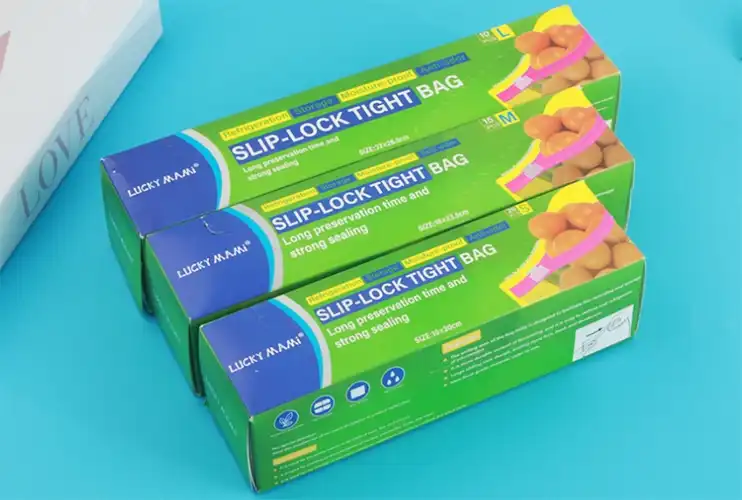
is to first make sure it's reusable. After scraping residue, wash carefully, dry well, and examine. Instead of hot water, chemicals, and scrubbing, use cold or lukewarm water and a light detergent. Discard any film that rips, clouds, stinks, or loses cling after air-drying both sides. Never reuse raw meat, chicken, or fish wrap. I advocate reusing PVC cling film only for clean, low-risk covering and where the provider permits it. Most is single-use.
Homes, restaurants, shops, and food plants use multifunctional plastic wrap to cover dishes, preserve vegetables, store leftovers, and manage portions. Cleaning and reuse must be regulated since they contact food. Read this tutorial to determine reuse compatibility, clean and dry the film, then reinstall it. It also includes food safety, microwave plus freezer ratings, and procurement team purchasing points. As a PVC cling film maker, I'll also inform you when single-use wrap is safest.
Step-by-Step Cleaning Process for Multifunctional Plastic Wrap
Good results come from a fixed order of steps. Here is the order I suggest.
Step 1—Determine Whether Multifunctional Plastic Wrap Is Safe to Reuse
Start with label and material. Heat resistance, flexibility, oil opposition, and odour retention vary for PE, PVC, TPU, silicone, and coated cloth. PVC cling film is usually offered for one usage. The wrap should declare that it is reusable, washable, and food-contact. Request technical specifications, migration data, temperature ranges, and cleaning instructions from the provider. Migration testing analyses how much material leaves the film into food or an edible simulant. Transfers are governed by FDA 21 CFR Part 177 and European Regulations 1935/2004 and 10/2011. Avoid using wrap with rips, cracks, cloudiness, mould, odours, or deformation.
Step 2—Remove Food Residue Before Cleaning
After used, wash the wrap before food dries. Use a soft spatula, paper towel, or other non-abrasive implement to remove particulates. Avoid blades and metal scrapers, which scratch and weaken film. Discard high-risk wrap that touched raw meat, poultry, shellfish, eggs, allergies, or heavy dirt. Separate ready-to-eat food, fatty ingredients, highly coloured foods, and non-food packing wrap. Commercial kitchens should include wrap handling in their food-safety plans. Clean the work surface and equipment to prevent cross-contamination.
Step 3—Use an Efficient Cleaning Method for Reusable Wrap
Safest way to clean reused film is by hand. Cool or lukewarm water and mild food-safe detergent. Wipe both surfaces with a gentle sponge and rinse until sudsless. Only use a dishwasher if the manufacturer recommends it, and keep film away from hot sources. A wipe and rinse may be enough for lightly used film. Greasy film requires careful cleaning or replacement. Do not use solvents, strong degreasers, unapproved bleach, hot water, aggressive scrubbing, or direct heat. These practices preserve thin film clarity and flexibility for future usage.
Step 4—Dry, Inspect, and Store the Wrap Correctly
For Multifunctional Plastic Wrap, fully air-dry the film on a clean rack or level surface with both sides open. Avoid ovens, dryers, and heated surfaces that may warp film unless the manufacturer authorises it. Check the film after each wash. Check for rips, scratches, odour, grease, stains, weakened cling or deformed edges and discard bad pieces. Dry wrap should be kept in a clean, closed container or drawer away from raw food and sharp instruments. Commercial operators may record inspections. The log tracks film use and maintains cleanliness.
Reuse Limits and Food Safety Rules for Multifunctional Plastic Wrap
Cleaning only works inside safe limits. The next four sections cover those limits.
How Many Times Can Multifunctional Plastic Wrap Be Reused?
Zero global reuse count. Material, film thickness, coating, food, washing method, temperature, and stretching effect service life. Thinner films use less material but tear quickly; thicker films resist punctures. Thickness doesn't prove film reuse. The ASTM D1709 dart drop test assesses films' impact resistance, not washing durability. Request vendor test data and set replacement criteria based on cleanliness, mobility, leak resistance, and beauty. Record washing cycles, odour, stains, sealing efficacy, and replacement rates for a commercial trial before purchasing in bulk.
Food Safety Rules for Reusing Wrap, Including Microwave and Freezer Limits
Washable film lets you reuse clean dishes, veggies, fruit, dry ingredients, and low-risk leftovers. Avoid reuse without certified cleaning after raw meat, poultry, shellfish, eggs, mold-prone meals, allergies, heated oils, or fatty sauces. Commercial regulations. Many counties and countries base their food rules on the FDA Food Code, which prohibits reprocessing single-service , single-use foods. Talk to your local health department. Separate heat claims. Washing never affects heat ratings, however not all freezer-safe films are microwave-safe. Because BPA-free labels only address one chemical risk, food-contact compliance is not guaranteed.
Match the Cleaning Method to the Application
Cleaning changes with work. Scrape wrap-over dishes or low-risk leftovers, wash with mild detergent, rinse, and dry. Produce wrap is washable, although moisture and natural colours may stain and smell. Single-use or verified sanitation is needed for raw meat wrap. Check the baking and prep temperature limit, particularly near warm dough. Moving, industrial packaging, and dusty film should never touch food. Distributors should store and package food and non-food products separately to avoid mix-ups.
Common Cleaning Mistakes and How to Avoid Them
The biggest error is thinking every thick or flexible Multifunctional Plastic Wrap is reusable. Only explicit manufacturing instructions and testing can prove that. Reusing wrap after raw-food contact, using hot water or strong chemicals without permission, washing vigorously, and storing wet film are other mistakes. These practices may degrade film, leave chemical residue, or promote odour and microbes. The majority are prevented by documented procedures. A visual inspection checklist, certified detergent, and controlled drying phase should be included. When staff follow the same pattern every shift, operational mistakes decrease.
How to Choose Multifunctional Plastic Wrap for B2B Use
Procurement teams compare more than price. Here is a simple way to judge the options.
Define the Application and Compare Specifications
Start with bowl covering, vegetable storage, meat handling, cooking, freezer storage, or retail distribution. Then examine food-contact compliance, weight, stretch, puncture resistance, sealing, temperature range, and cling. To identify weak regions, labs analyse peel cling, impact resistance, and thickness uniformity using ASTM D5458 and D1709. Caterers and fresh-food counters utilise PVC film for its clarity and cling. Plasticizer-free PE film is suitable for certain goods. Packaging features including roll length, cutter box layout, carton size, private-label print, and pallet loading important.
Compare Reusable Wrap with Alternatives
Use applications, not marketing promises, to compare choices. Reusable wrap reduces consumption in low-risk usage but requires washing, drying, inspection, and renewal. Disposable wrap simplifies hygiene in high-risk or high-volume activities. Aluminium foil's heat and barrier qualities vary. While silicone coverings last longer, they cost more initially. In terms of sustainability, PE films are recyclable when clean, but PVC film is commonly contaminated. Check recycled content, recyclability, product longevity, and end-of-life instructions before making a green claim.
Weigh Total Cost and Supply Stability
Roll price is just half of the tale. Comparison of reusable and disposable formats includes labour, water, detergent, replacement, hygiene measures, and trash. A film with the most potential reuses may not be the cheapest. Supply is as important as cost since a stock-out may halt a kitchen or packaging queue. Discuss traceability, documentation, manufacturing, inventory, and delivery with suppliers. Ask a supplier how they regulate production under EU Regulation (EC) No 2023/2006 for food-contact materials. Before ordering in bulk, get samples and test them on your line.
A Practical Workflow for Using Multifunctional Plastic Wrap in Commercial Kitchens
A workflow turns these rules into daily habits. It also gives your team one standard to follow.
Build a Simple, Repeatable Routine
The right routine for Multifunctional Plastic Wrap suits your food-safety strategy. Staff immediately remove residue, separate high-risk and low-risk applications, wash with an authorised detergent, rinse thoroughly, air-dry, examine, and store film in a clean, designated place. Colour-coding helps personnel distinguish ready-to-eat food, raw materials, allergies, and non-food purposes. When using single-use film, just draw a new sheet, cover the food, label it, and dispose. Lots of kitchens use both. Washable coverings for low-risk occupations, new film elsewhere.
Track a Pilot Before You Commit
Starting with a brief pilot. Write down cleaning cycles, odour, stains, sealing, complaints, replacement rate, labour, water, and detergent consumption. Compared to single-use film. Cost usually determines outcome. Fresh film may cost less if washing takes longer and the film degrades after a few cycles. Write down and instruct workers to observe a reuse limit for a low-risk job. Share data with your provider to customise film specs.
How Shandong Honghe Plastics Supports Your Wrap Needs
Honghe Plastics, Shandong The 2017-founded company makes PE and PVC cling film, disposable TPE, CPE, plus PE gloves, and stretch film. Qingdao Port is near our facility in Liu Guanzhuang the city, Shandong Province, making shipping easy. Customers may customise our PVC film for food packaging, freezing, food service, and domestic usage. BSCI, WCA, ISO, CE, and Fsa certifications are ours. We provide OEM, ODM, free samples, and 24-hour after-sales support with sufficient inventory. We can match a specification to your usage since we create the film.
Conclusion
Reusing Multifunctional Plastic Wrap involves film design and documentation. To maintain film quality and cleanliness, residue removal, gentle rinsing in cold or lukewarm water, air-drying, and evaluation after each cycle. Since reuse counts are unknown, cycles, odour, stains, etc sealing performance trials are better than thickness alone. Food establishments cannot reuse single-use products for raw meat, poultry, or shellfish per the FDA Food Code. Independent proof is needed for microwave, frig, and BPA-free claims. PVC cling film is usually single-use, therefore buyers should consider application and cost, including labour, water, detergent, and garbage.
FAQ
Can I wash any Multifunctional Plastic Wrap and use it again?
No. Most PVC cling film is made for single use. Reuse it only when the supplier confirms it, and only for clean, low-risk covering such as washed fruit or dry ingredients.
Can I reuse wrap that touched raw meat?
No. Discard it. Raw juices can spread bacteria, and the FDA Food Code does not allow reuse of single-use articles in food establishments.
Is freezer-safe wrap also microwave-safe?
Not always. Read each rating on the specification sheet, because washing never changes a heat limit.
How do I know when to replace the wrap?
Replace it when you see tears, cracks, cloudiness, lasting odor, stains, warped edges, or weak cling. Do not wait for a failure.
Does Shandong Honghe Plastics offer samples and custom sizes?
Yes. We offer free samples and customize PVC cling film to customer specifications. Email tony@sdhhsl.com with your needs.
Request the Right Multifunctional Plastic Wrap from Shandong Honghe Plastics Co.,Ltd.
Choosing film for your kitchen, store, or warehouse? Shandong Honghe Plastics Co.,Ltd. is a Multifunctional Plastic Wrap manufacturer near Qingdao Port, offering PVC cling film customized to your specifications. We provide free samples, ample inventory, fast delivery, ISO, CE, and FDA certifications, and 24-hour after-sales service. Send your application, roll size, and order volume to tony@sdhhsl.com, or visit sdhhsl.com for details. Our team will recommend a suitable film and ship a sample for your testing.
References
1. U.S. Food and Drug Administration, Food Code, 2022.
2. U.S. Food and Drug Administration, Code of Federal Regulations Title 21, Part 177: Indirect Food Additives: Polymers, 2024.
3. European Parliament and Council, Regulation (EC) No 1935/2004 on Materials and Articles Intended to Come into Contact with Food, 2004.
4. European Commission, Commission Regulation (EU) No 10/2011 on Plastic Materials and Articles Intended to Come into Contact with Food, 2011.
5. European Commission, Commission Regulation (EC) No 2023/2006 on Good Manufacturing Practice for Materials and Articles Intended to Come into Contact with Food, 2006.
6. ASTM International, ASTM D1709: Standard Test Methods for Impact Resistance of Plastic Film by the Free-Falling Dart Method, 2016.