



Wholesale PVC Cling Film Roll Buying Guide
A smart wholesale PVC Cling Film Roll https://www.sdhhsl.com/pvc-cling-film/pvc-cling-film-rollpurchase begins with five checks: material and food-contact papers, width, thickness, roll length, real-world cling and clarity, supplier quality controls, and total landed cost. Carton price is just half of the tale. Buyers should test a sample on their containers, clarify destination market restrictions, and question how the manufacturer maintains batch records and delivery. This handbook guides US buying teams through each stage to confidently analyse bids and pick a long-term partner.
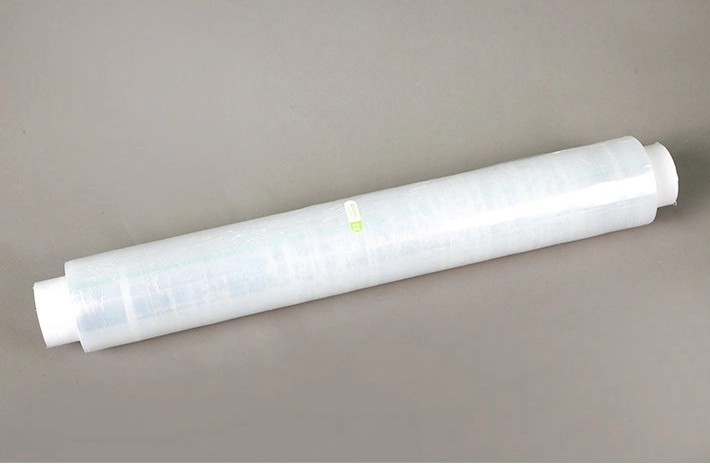
What Is PVC Cling Film Roll and How Is It Used?
What PVC Cling Film Roll Is Made Of
A thin, flexible polyvinyl chloride resin film, PVC Cling Film Roll. The film stretches, sticks, and remains clear because manufacturers add plasticisers and stabilisers. Two films of the same thickness might perform differently due to these additives, which alter flexibility, odour, clarity, and food-contact compatibility. Shandong Honghe Plastics Co.,Ltd. uses premium PVC to create film. Check any price for adipate plasticisers like DEHA or DOA, which some filmmakers employ. Before comparing pricing or signing a deal, get a technical data sheet and statement of conformity from each provider.
Properties That Buyers Can Measure
Several factors distinguish good films from bad ones. Cling wrap grips platters, bowls, and itself without glue. Clarity helps customers and workers see the product. The film recovers from unequal stretching with elastic recovery. PVC has significant oxygen permeability, hence stores use it for fresh red meat to preserve its colour. Compare films to standard testing. ASTM D882 tests thin plastic sheeting tensile characteristics, while D1003 measures haze and light transmittance. Ask each provider about its techniques and outcomes.
Where Buyers Use It
PVC Cling Film Roll suits numerous roles. Food packaging teams package meat, vegetables, and deli trays. Food and materials are covered in walk-in refrigerators to delay drying and reduce odour. Catering kitchens wrap pans and bowls for prep and transport, while homeowners wrap leftovers. Because various parameters vary, one standard seldom covers them all. A restaurant group may prefer a large, long roll for speedy distribution, while a store may desire a smaller roll for hand wrapping. We tailor our PVC wrap to food packing, cold storage, catering, and residential usage.
PVC Cling Film Roll Specifications: How to Match Film Performance to Your Application
Thickness and Width
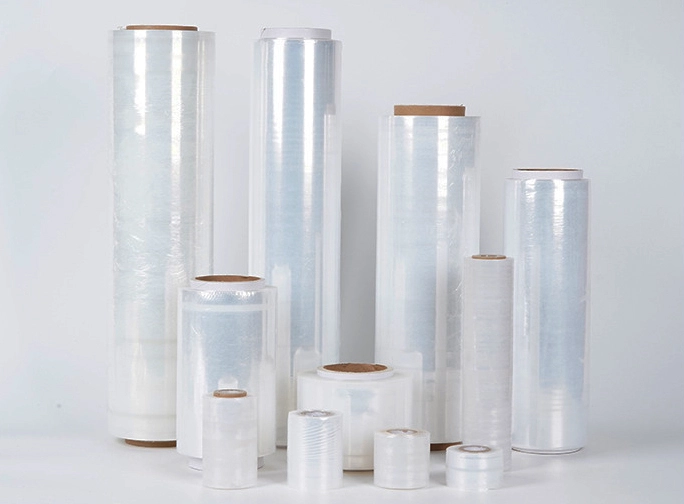
Thickness and breadth affect cost and performance. Commonly used are 12 and 15 micron films. Thinner wraps utilise less material, but thicker ones withstand ripping and punctures. 30 cm fits residential trays and ordinary trays, 45 cm fits industrial kitchens and big containers. A micron is one-thousandth of a millimetre, therefore even slight variations affect film stretching. Don't trust labels alone. Measure roll thickness at numerous spots and compare to tolerance. For covering bone-in incisions or sharp-edged pans, use the toughest standard.
Roll Length, Core Size, and Customization
Staff roll change frequency depends on roll length. The core and outside diameter determine whether the roll fits your cutter box or wall dispenser. Heavy rolls delay hand wrapping, so check roll weight. Buyers often demand private-label, printed, or special-length cartons. Shandong Honghe Plastics Co.,Ltd. offers OEM and ODM customisation, so you may require equipment-specific width, length, and packing. Contact us with your dispenser information or roll to suggest a matching size. A concise specification prevents overpaying for features you don't utilise.
Testing With Samples
Sample tests illustrate what data sheets cannot. Wrap your containers, snacks, and dispensers and keep the samples in your usual fridge, freezer, or room temperature. Check for fading cling, corner tears, fogging, and film that adheres together on the roll. Score the findings on a brief card so teammates may share notes. Purchasing managers and warehouse supervisors may request free samples to test quality before ordering in bulk. Try the trial for the whole storage duration, not just one afternoon.
Food Safety, Compliance, and Quality Control
Documents to Request
For PVC Cling Film Roll, food safety begins with documentation. Material specifications, compliance declarations, migration test results, and batch traceability records are requested. The FDA regulates food-contact plastics under Title 21 of the Code of Federal Regulations, particularly 21 CFR 178.3740 handles polymeric plasticisers. Other marketplaces have different regulations. Regulation (EU) No 10/2011 prohibits plastic migration in the EU. Consider "food grade" and "BPA free" statements that need proof. Shandong Honghe Plastics Co.,Ltd. is ISO, CE, FDA, BSCI, and WCA certified. Request current supplier file copies.
Quality Checks at the Factory
Several quantifiable tests indicate good manufacturing control. Check for uniform thickness, clean surface without icy particles or gels, steady unwinding sans sticking or telescoping, and proper breadth and length. On automated wrappers, thickness difference causes uneven stretch and tears. Ask the manufacturer about batch inspections, retained samples, and pre-shipment inspections. Standardised workshops with excellent manufacturing equipment and strict quality control are operated at our plant. Repeat orders are possible with batch records since you can track rolls to their manufacture dates.
Shelf Life, Storage, and Temperature Limits
Film quality may alter with inadequate storage. Heat and UV radiation may discolour and damage PVC, so ask for the shelf life and store sheets in a cool, dry area out of direct sunlight. Confirm the outside temperature range for usage, including freezer storage, since cold might stiffen films. Try it in your freezer first. Microwave-safe wrap should not contact food, per label and food safety guidelines. Ask the supplier to write down these boundaries so your kitchen and warehousing personnel follow them.
PVC Cling Film Roll Versus Alternatives, and How to Choose a Supplier
PVC Versus PE and PVDC
Cling films are PVC or PE, and the proper one depends on the task. PVC is ideal for hand wrapping and fresh meat displays because to its greater cling, clarity, and stretch recovery. PE may suit buyers seeking regulatory or sustainability compliance without PVC. PVDC has a better oxygen and moisture barrier, making it ideal for shelf life. Reusable coverings save waste but need cleaning. Compare food kind, equipment, temperature, hygiene routine, and overall cost, not just film price. As Honghe produces PE and PVC cling film, we may compare choices.
Factory, Distributor, or Trading Company
Each sourcing approach has drawbacks. Factory-direct purchases improve technical collaboration, OEM flexibility, and production visibility. Distributors supply local and accept smaller orders for urgent requirements. Trading firms give several options but must verify production control. Fit the model to your volume, customisation, and delivery timeline. Find out about manufacturing capacity, export experience, and lead times from any supplier. Shandong Honghe Plastics Co.,Ltd., formed in 2017, makes PE and PVC cling film, disposable TPE, CPE, a and PE gloves, and stretch film, so consumers who use gloves or pallet wrap may purchase many products.
What to Verify About a Supplier
When sourcing PVC Cling Film Roll, look beyond the quote. Ensure factory site, manufacturing equipment, certifications, MOQ, and complaint management. Our facility is near Qingdao Port in Liu Guanzhuang Town, Shandong Province, making transport and export easy. We have extensive inventory, timely delivery with logistical assistance, and 24-hour after-sales service. Request audit documentation, sample approval records, and clear technical explanations from the provider. Also, enquire how the provider handles returns and exchanges—a clear documented procedure saves time if an issue arises after delivery.
Wholesale Purchasing Process, Buyer Profiles, and Mistakes to Avoid
From Brief to Bulk Order
Clear processes avoid specification mistakes. A brief should include material, breadth, thickness, roll length, core size, packaging, target market, and relevant documentation. Get and test a sample. Third, compare bids using total landed cost—freight, tariffs, inspection, packing, payment conditions, and projected waste. Finally, include MOQ, lead time, Incoterms, shipping tolerance, inspection requirements, and replacement procedure in the purchase agreement. A short trial order before a big supply contract enables both parties test quality and delivery.
Matching Specifications to Buyer Profiles
Buyers need various setups. Restaurants like strong cling, rapid dispensing, 45 cm width, and long rolls to reduce roll changes. Puncture resistance, refrigerator compatibility, plus food-contact documentation are meat maker requirements. Distributors need efficient carton packing, custom packaging, and regular replenishment. Private-label and OEM clients need artwork control, labelling, barcodes, and forecasts. Since supermarkets and shipping companies operate differently, provide your use case early. Honghe customises OEM and ODM rolls and packaging.
Common Mistakes and a Final Checklist
The lowest price typically conceals charges. Cheap quotes may indicate thinner film, lower useful length, fragile cartons, or lacking compliance paperwork. Do not accept "food grade" without paperwork; check thickness, length, and core size against the quotation. Performance depends on cling, stretch, clarity, and rip resistance, not just thickness. Cold storage and greasy meals affect findings. Confirm formulation, food application, size, documentation, shelf life, MOQ, lead time, landing cost, and after-sales conditions before approval. Move from sample to pilot order if everything works.
Conclusion
Wholesale PVC Cling Film Roll should be purchased on evidence, not price. Material composition, thickness, width, roll length, and core size affect film performance in food packing, cold storage, catering, and residential use. Buyers and goods are protected by food-contact paperwork, migration testing, factory quality checks, and storage limits. PVC is transparent and sticky, but PE and PVDC offer advantages, so the best film depends on food, equipment, and temperature. Sample testing, volume-matched purchasing, and total landed price comparison decrease risk. A documented checklist connects these activities for long-term supply.
FAQ
Is PVC cling film safe for food contact?
It can be, when the exact film meets the rules of your market. Ask for a declaration of compliance and migration test results, and follow the storage and temperature limits on the label.
Can I use PVC cling film in the microwave?
Only if the label says so. Food safety agencies advise using wrap marked microwave-safe, keeping it from touching the food, and venting the cover so steam can escape.
Does thicker film always perform better?
No. Thickness matters, but cling, stretch, clarity, tear resistance, and equipment fit also decide results. Test samples on your own containers before you choose.
Does your factory offer samples and custom sizes?
Yes. We provide free samples on request and support customization of width, roll length, and packaging, plus OEM and ODM service.
Request a Wholesale PVC Cling Film Roll Quote from Shandong Honghe Plastics Co.,Ltd.
Shandong Honghe Plastics Co.,Ltd. is a PVC Cling Film Roll manufacturer that uses premium-grade PVC, supports customization, and sends free samples on request. Our certifications include ISO, CE, and FDA, and we offer ample inventory and 24-hour after-sales service. Email your width, thickness, roll length, and volume to tony@sdhhsl.com, or visit sdhhsl.com for product details. We will reply with sample and quotation options for your application.
References
1. Regulation (EU) No 10/2011 on Plastic Materials and Articles Intended to Come into Contact with Food, 2011
2. Regulation (EC) No 1935/2004 on Materials and Articles Intended to Come into Contact with Food, 2004
3. Code of Federal Regulations Title 21, Section 178.3740: Plasticizers in Polymeric Substances, 2024
4. ASTM D882: Standard Test Method for Tensile Properties of Thin Plastic Sheeting, 2018
5. ASTM D1003: Standard Test Method for Haze and Luminous Transmittance of Transparent Plastics, 2021
6. Food Packaging: Principles and Practice (Robertson, CRC Press), 2012