



Why Choose Point Break Cling Film for Easy Packaging?
Point Break Cling Film https://www.sdhhsl.com/pe-cling-film/point-break-cling-filmworks on the packing line because it substitutes pull-and-cut with pre-measured tear lines. To wrap quickly and ensure uniform length, staff rip off one sheet at a time. The roll's bladeless design keeps workspaces clean and secure. Buyers may also see bundled item costs. Caterers, processors, and distributors buy perforated food wrap from Shandong Honghe Plastics Co.,Ltd. Checking, ordering, and how it works are covered here.
What Is Point Break Cling Film?
A Perforated Design Built for Fast Tearing
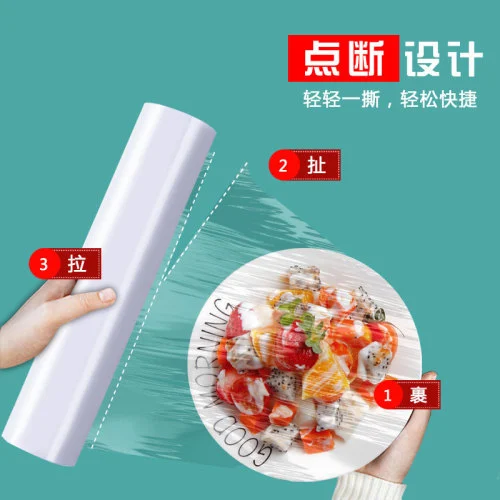
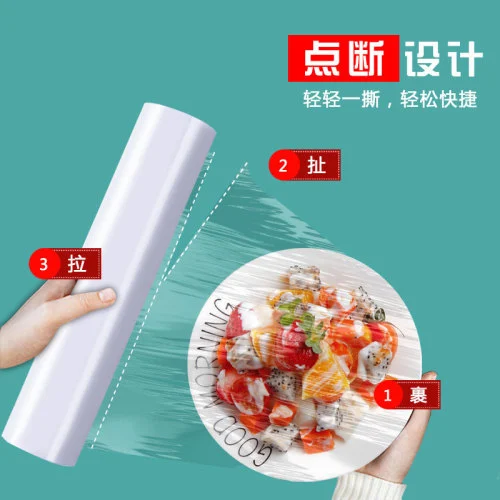
Point Break Cling Film is a food wrap with equally spaced, pre-weakened lines. Lines indicate sheet ends and starts. Staff cut continuous cling film using a serrated metal edge or slide cutter. Rolls with perforations bypass that step. The user rips the following page down the line with one hand. Most markets sell 30 cm sheets, however spacing might vary for covering long platters or little bowls. Because "Point Break" might describe multiple designs, we check the datasheet tear feature before quoting.
Material Choices: PE and PVC
Many perforated cling films employ one of two materials. LLDPE polyethylene resists strain and punctures. Food-grade PVC is clear and clingy. PE film allows gas through, which fits certain fresh meals, while PVC film closes better. No material wins all jobs. Food kind, container form, and storage temperature determine which fits. Shandong Honghe Plastics Co.,Ltd. produces PE and PVC cling film, so we may discuss both.
Food-Contact Status and Compliance
Before buying, U.S. purchasers should confirm food-contact compliance. Under 21 CFR 177.1520 and 177.1950, the FDA regulates polyethylene food-contact polymers and vinyl chloride polymers. We are ISO, CE, FDA, BSCI, and WCA-certified, and our products satisfy worldwide standards. Please get the latest papers for the roll you want to purchase. BPA-free and microwave-safe claims should be written, not assumed.
How Point Break Cling Film Makes Packaging Easier
Faster, Controlled Dispensing
Point Break Cling Film enables single-motion sheet removal using pre-measured lines, instead of needing two hands and time to pull a continuous roll over a cutter. Staff frequently shred edges or remove more film than needed. Line cooks seal, rip and move on. Saved seconds add quickly throughout a shift in banquet kitchens with hundreds of pans. Perforation strength is crucial. An average range of 3 to 5 newtons allows the film to retain while unwinding and intentionally rip. I suggest testing on your line to determine real-time savings.
Less Waste and Easier Portion Control
Each wrapped object requires the same quantity of film since each sheet has the same length. This lets buying teams determine unit packing cost without surprises. Because film usage per item becomes predictable, central kitchens that make meal packages and pre-portioned supplies benefit most. Perforated rolls cost more per metre because to the added conversion phase. When staff quit overpulling, usage might drop. against verify, compare cost per wrapped item against cost per roll and test the film on your own containers.
Safer Workstations and Simple Storage
Cutter blades cut, and dirty cutter boxes convey residue between activities. A blade-free roll reduces the number of equipment surfaces kitchen personnel must clean under the FDA Food Code. Store rolls away from sunlight, heat, and moisture in a clean, dry place. Avoid smashing cartons and rotating stock so older rolls go out first. When loading, make sure the roll direction and core size suit your dispenser. Seal the container by pressing the film around the edge.
Point Break Cling Film vs. Regular Cling Film and Plastic Wrap
Product Design vs. Market Term
"Plastic wrap" encompasses PE, PVC, and other grades marketed under various names. Perforated sheets define Point Break Cling Film. The difference between a standard and a perforated roll is how personnel dispenses the basic material. Dispensing control, cling, stretch, durability, clarity, and temperature range should be considered, not name. Your team gets a reasonable idea of each roll's strengths.
Cling, Stretch and Strength
Thick film requires more material yet resists ripping. Stretching the film makes it hard to regulate and might loosen a container cover. PE perforated film typically has a thickness of 10–14 microns and cling exceeding 20 g per 25 mm. Ask your supplier the test technique it employs for thin plastic sheeting tensile properties, which is ASTM D882. Perforation quality matters. Check tear quality on samples before converting since a dull knife might stretch the film instead of snapping.
Cost per Wrapped Item
Roll price is just half of the tale. Sum film consumption per item, wrap failures, labour, and cutter replacements. Staff may extract additional film and slide cutters break on standard rolls, which cost less per metre. Run both goods under similar settings for one week, count the wrapped objects, and divide the film cost by that number. It allows your buying team a fair comparison and a better argument when you explain the choice internally.
Key Specifications to Check Before Buying Point Break Cling Film
Material, Thickness and Perforation
Here are the typical ranges I see in the market, along with what to confirm before you order.
| Item | Typical range | Confirm with supplier |
|---|---|---|
| Material | PE (LLDPE) or food-grade PVC | Resin grade, food-contact documents |
| Thickness | 10–14 microns | Tolerance range |
| Sheet pitch | 30 cm common, adjustable | Custom length |
| Perforation strength | About 3–5 N | Tear test result |
| Cling (PE) | Above 20 g/25 mm | Test method |
| Temperature | -60°C to 110°C | Datasheet limit |
Treat these figures as starting points. The datasheet for your exact roll governs.
Roll Size, Core and Carton Format
Before comparing quotations, confirm the width, length, core diameter, roll weight, carton quantity, and pallet loading. Match the breadth and core to your dispenser or hand-wrapping preferences. Enquire about sheet pitch, too. A 30 cm sheet is standard, although 20 cm or 45 cm may be suitable for sandwiches or big platters. Different sizes determine how many rolls fit in a carton and container, influencing freight cost per sheet. We can accommodate OEM and ODM demands, including bespoke sizes and packaging.
Temperature and Food Type Suitability
Different meals affect film in different ways, therefore hot, greasy, acidic, and cold foods all need a check. A typical PE perforated film ranges in temperature from -60°C for blast freezing to around 110°C. Confirm the limit on a technical data sheet for your specific roll. To release steam when reheating in the microwave, raise one corner or vent the film. Request documented validation of any BPA-free, freezer, or microwave claim, since your food safety strategy is based on documentation.
Applications of Point Break Cling Film Across Food and Packaging Operations
Restaurants, Hotels and Caterers
Buffets and banquets seal many Gastronorm shaped pans and bowls before serving with Point Break Cling Film. Perforated sheets allow workers to easily cap pans without the need for a cutter box. Caterers who transport meals between locations like rolls that rip neatly in a crowded loading zone. Standardised rolls also benefit hotels, schools, and hospital kitchens that operate many locations since each team utilises the same sheet size. Each application remains subject to your hygiene requirements and the film's food-contact clearance.
Central Kitchens and Food Processors
Commissaries that pack meal kits, prepared veggies, or portioned meats need repeatable procedures. A set sheet length improves bill-of-materials accuracy since film use per tray remains consistent. Processors should evaluate puncture resistance, odour neutrality, and cling on genuine goods, especially those with sharp bones or edges. Before placing a big purchase, do sample trials to get quantitative data on failure rates.
Supermarkets and Distribution
Back-of-house personnel wrap trays of vegetables and meat in large quantities. PVC variations may have anti-fog performance, which reduces condensation when trays are transferred from packing tables to refrigerated cases, therefore enquire if your preferred grade has it. Distributors may carry standard rolls for resale or private branded programs. We also manufacture stretch film for pallet wrapping, allowing logistics and packaging firms to discuss both goods in a single query.
Buying Point Break Cling Film in Bulk from a Manufacturer
Prepare a Clear Purchasing Brief
A prepared brief facilitates quoting and keeps offers comparable for Point Break Cling Film. Include the material, thickness, sheet pitch, breadth, roll length, core size, carton type, destination, goal volume, and branding requirements. Request prices for samples, trial orders, regular wholesale, and container loads, all with the same Incoterms. Custom cartons, printed artwork, and testing may result in additional charges. Before accepting an order, confirm the minimum order quantity, lead time, mixed-order options, payment conditions, and export papers.
What to Look for in a Supplier
Direct producers often give more control over specifications and private labelling, while wholesalers sometimes offer smaller numbers. Enquire about manufacturing capacity, thickness testing, roll-weight inspections, final inspection, batch traceability, complaint resolution, and replacement policies. Shandong Honghe Plastics Co., Ltd. was founded in 2017 and makes PE/PVC cling film, disposable TPE/CPE/PE gloves, and stretch film. Our standardised workshop and modern equipment provide consistent quality on repeat orders.
Our Supply and Support
Our plant is located in Liuguanzhuang Town, Shandong Province, near Qingdao Port, making transportation and export shipping easier. We have a large inventory, provide quick delivery, and provide logistical assistance at a low price. Quality testing samples are available, as are OEM and ODM services to meet your branding demands. Our staff provides 24-hour after-sales assistance, so questions are quickly answered. That consistent assistance fosters long-term relationships.
Conclusion
Point Break Cling Film speeds wrapping, maintains sheet length, and removes cutter blades from the workstation using pre-measured rip lines. Material, thickness, perforations strength, cling, thermal range, and food-contact papers determine whether a roll matches your business. Cost per wrapped item under similar test settings, not price per roll, compares to ordinary cling film. Restaurants, main kitchens, and supermarkets may utilise it if they test it on their goods. Bulk orders are most reliable with a defined purchase brief, sample trials, and a provider with established quality standards.
FAQ
What is the difference between Point Break Cling Film and plastic wrap?
Plastic wrap is a broad category. Point Break Cling Film is a specific perforated design within it, made for fast, even tearing.
Is it food-grade, BPA-free, or microwave-safe?
Confirm each claim with current documents for your exact roll. Many PE films handle microwave heat up to about 110°C, but vent the film first and check the datasheet. Ask us for the technical data sheet.
How do I choose thickness and roll size?
Start with your food type, container size, wrapping frequency, and equipment. Typical thickness runs 10 to 14 microns, and we can adjust sheet length. Test samples on your own line.
What affects MOQ?
Stock status, custom sizes, printed cartons, private labeling, and production planning all change it. Ask us for separate standard and custom quotes.
Do you provide samples?
Yes. We provide samples for quality testing before bulk orders.
Request a Point Break Cling Film Sample from Shandong Honghe Plastics Co.,Ltd.
Send your material, thickness, sheet length, roll quantity, and destination to Shandong Honghe Plastics Co.,Ltd. at tony@sdhhsl.com. As a Point Break Cling Film manufacturer near Qingdao Port, we offer samples, OEM and ODM options, ISO, CE, and FDA certifications, ample inventory, fast delivery, and 24-hour after-sales support. Visit sdhhsl.com for details, and ask for technical specifications or wholesale pricing today.
References
1. U.S. Food and Drug Administration, Code of Federal Regulations Title 21, Section 177.1520 (Olefin Polymers), 2023
2. U.S. Food and Drug Administration, Food Code, 2022
3. Robertson, G. L., Food Packaging: Principles and Practice (3rd Edition), CRC Press, 2012
4. Coles, R. and Kirwan, M. (Eds.), Food and Beverage Packaging Technology (2nd Edition), Wiley-Blackwell, 2011
5. U.S. Environmental Protection Agency, Advancing Sustainable Materials Management: 2018 Fact Sheet, 2020
6. ASTM International, ASTM D882-18 Standard Test Method for Tensile Properties of Thin Plastic Sheeting, 2018