


_1750233969309.png)
How Slider Cutter Cling Film Improves Workflow
Slider Cutter PVC Cling Film makes operations more efficient by getting rid of the risks and waste that come with standard film carriers' serrated edges that are left out in the open. This unique design hides a bidirectional sliding blade inside a safe case. This lets workers make exact, even cuts without the risk of laceration. When compared to traditional tear-off ways, this system cuts film waste by about 15 to 20 percent because the guided track stops the film from getting tangled and tearing unevenly. In high-volume industrial settings, like commercial kitchens and packaging plants, this means real time savings, better safety compliance at work, and lower costs for bulk purchasing operations looking for long-term, stable supply partnerships.
Understanding Slider Cutter for PVC Cling Film
What Makes Slider Cutters Different from Traditional Tools?
Safety tech and exact control are what make them different. Traditional Slider Cutter PVC Cling Film machines have metal edges that are left out in the open and have sharp edges that can cause serious cuts and scrapes in busy workplaces. We've seen that business kitchens and packing lines that use regular cutters report a lot of small injuries that slow down work and raise liability issues. The Slider Cutter PVC Cling Film device holds the blade inside a hard PVC or PET rail system. This keeps people from touching the cutting edge directly. This design solves a major problem that many businesses have: keeping workers safe without slowing down operations is required by safety rules.
Core Components and Operating Mechanism
The system is made up of three important parts that work together. The Slider Cutter PVC Cling Film is made from polyvinyl chloride material and non-phthalate plasticizers such as DOTP. This gives the film better viscoelasticity and the ability to stick to itself. The delivery box keeps the roll in good tension and guards it from outside contaminants. The Slider Cutter PVC Cling Film rail has a blade that is hidden and slides along a precise track. It is designed to make clean cuts for over 5,000 rounds without the rail deforming. The pressure-sensitive sticky rail needs to be attached to the box, the film needs to be placed through the dispensing hole, and the slider needs to be engaged so that cutting is easy.
Material Advantages of PVC Construction
Slider Cutter PVC Cling Film has unique properties that make it perfect for cutting tasks that need a lot of flexibility. The material can stretch 150–200% when it breaks, which means the film can stretch around odd shapes without snapping, which is very important when wrapping different kinds of food packages or industrial goods. Slider Cutter PVC Cling Film doesn't lose its elasticity like polyethylene options do; it snaps back tight against surfaces after being stretched. This feature makes sure that the slider blade cuts through the film neatly, without stretching it too much and blocking the track system. The high oxygen transfer rate of about 15,000 to 20,000 cc/m²/24h keeps fresh foods looking good, which is especially important in store settings where how a product looks affects people's decisions to buy it.
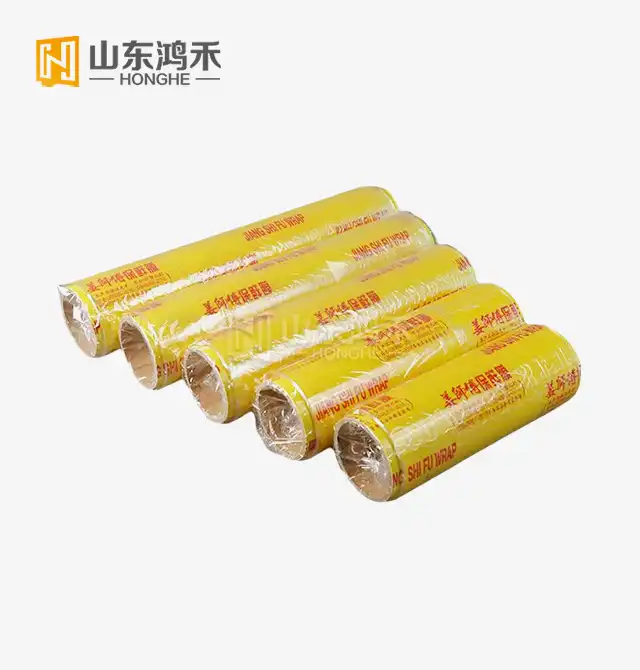
How Slider Cutters Improve Workflow Efficiency?
Addressing Common Operational Bottlenecks
Every buying manager knows that inefficient packing methods have hidden costs. Standard scissors need two hands, which means that workers have to stop what they're doing to set them down. Box cuts make edges that aren't straight, which breaks the seal. Film often gets stuck in serrated feeders, which stops production lines while workers arrange the waste. These bottlenecks get worse across shifts, which causes labor costs to go up by a lot. These friction points are taken care of by the Slider Cutter PVC Cling Film mechanism, which can be used with one hand and has guided cutting lines that keep the tension constant across the width of the film.
Quantifiable Productivity Gains
Data from food preparation plants shows results that are very convincing. A packing company in the Midwest that handles 2,000 units every day said that moving to Slider Cutter PVC Cling Film systems cut the time it took to wrap the boxes by 23%. This meant that 460 more units could be processed each shift without adding more staff. The precise cutting cut the amount of film used by 18%, which saved more than $12,000 a year in material costs alone. Another case study from a catering business showed that injuries at work went from an average of 3.2 per month to 0.4 per month. This led to a big drop in workers' compensation insurance costs and an increase in employee happiness and retention.
Consistency Across Multiple Operators
Standardizing workflow is very important when you're in charge of big teams that work different shifts. Traditional ways of cutting give different results based on the skill and knowledge of the person doing the cutting. The Slider Cutter PVC Cling Film's mechanical direction makes sure that everyone can make the same quality cuts, no matter how skilled they are. This means that new workers only need minutes of training instead of hours. This includes how well the products are presented. This is especially important in the fresh food areas of supermarkets, where visual standards have a direct effect on what people buy. Operations managers like that inconsistent package looks mean that there are fewer problems with quality control and customer complains.
Maintenance, Troubleshooting, and Safety Tips for Slider Cutters
Proper Installation and Calibration Procedures
The long-term dependability of success depends on how well it was set up. First, make sure the serving box is on a steady, level surface so the rolls don't move around while they're being used. Make sure that the pressure-sensitive adhesive rail sticks securely to the edge of the box, without any holes or bubbles that could allow it to come off too soon. Put a little force on the film as you feed it through the pouring slot. If you let it hang loose, it will bunch up. Check that the Slider Cutter PVC Cling Film moves smoothly along the whole length of the rail, making sure there is no resistance or stopping. This initial calibration stops 80% of the most common operating problems that business users report.
Routine Maintenance Protocols
Setting up an easy maintenance plan can make equipment last a lot longer. As part of the weekly checks, the rail connection should be checked for damage and film residue should be cleaned off the blade path with a soft cloth. Once a month, you should carefully wipe the blade down with a food-safe cleaning solution to keep glue from building up and making it less effective at cutting. Depending on how often they are used, blades should be replaced every 6 to 12 months. Clear signs that they need to be replaced include film edges that are torn or more difficult to cut. Keeping spare blades on hand cuts down on downtime when replacements need to be made. This is especially important for businesses that have tight shipping plans.
Addressing Common Issues
When the Slider Cutter PVC Cling Film gets hard to move, it's usually because of too much glue dust, not because the blades are dull. Most resistance problems can be fixed by cleaning the track tube with rubbing alcohol instead of replacing the blade. If the rail comes off of the box, it's usually because it was exposed to temperatures above 35°C or wasn't installed correctly the first time. Recurrence can be avoided by using new rails with fresh glue backing and storing them in a climate-controlled space. If the film tears while being cut, it means that either the pull speed is too fast or the quality of the film is poor. The film roll should be inspected for flaws or moisture damage that compromises the material's integrity.
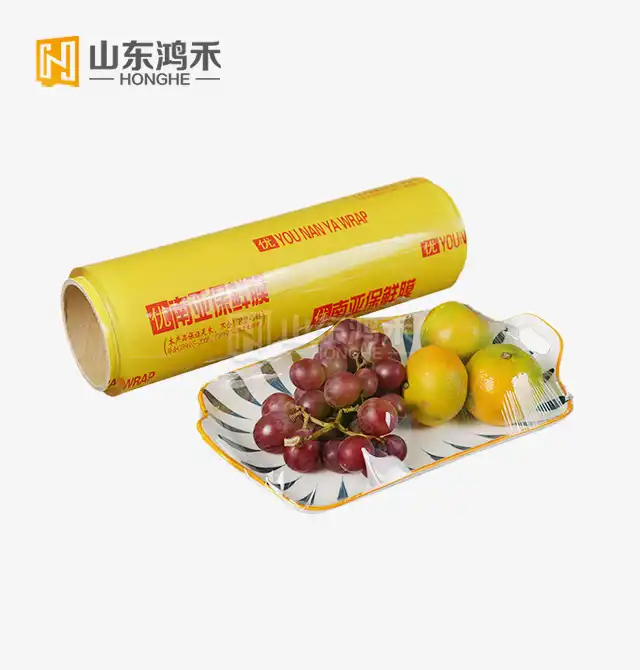
Choosing the Right Slider Cutter for Your Business Needs
Evaluating Material Quality and Durability
When making a purchase choice, you have to weigh the short-term costs against the long-term benefits. High-end Slider Cutter PVC Cling Film systems have high-quality PVC tracks that don't bend when the temperature changes, which can happen in warehouses. The material of the blade is very important. Blades made of stainless steel stay sharp longer than blades made of basic carbon steel. This is especially important for businesses that process hundreds of units every day. Ergonomic housing design keeps operators' hands from getting tired after long periods of use, which directly affects their output during peak operating times. When reviewing what different suppliers have to offer, you should ask for specifics on the rail width, blade makeup, and adhesive durability rates.
Matching Features to Operational Requirements
Different businesses need different kinds of success. Medical and lab facilities need Slider Cutter PVC Cling Film that meet strict standards for preventing pollution, which usually means using antibacterial housing materials. Businesses that process food put a high value on being able to quickly change blades so that production doesn't stop while cleanliness rules are being followed. Logistics companies that deal with a wide range of packing needs can benefit from tension levels that can be changed to fit film thicknesses ranging from 9 to 14 microns. Supermarket chains like small designs that fit standard shelf layouts and are easy for staff to get to from all of the different check-out and preparation areas in the store.
Sourcing Strategy for Bulk Procurement
Forming relationships with certified sellers provides the security that businesses need when they count on having a steady supply of packaging materials. Suppliers with ISO, FDA, and CE certifications show they are dedicated to quality standards and following the rules that are necessary for medical-grade and food-contact uses. Being close to big ports like Qingdao cuts down on shipping times and costs, which is especially helpful for businesses that use just-in-time stocking systems. By negotiating bulk buy deals, you can get discounts on the regular price that range from 12 to 25 percent, and you can also make sure that your items are sent to you first when there are problems in the supply chain. Sample testing programs let you check the quality of a product before placing a big order. This lowers the risk of buying something and makes sure that it works with current workflow systems.
Future Trends and Innovations in Slider Cutter Technology
Advanced Materials and Sustainable Alternatives
There is more and more pressure on the packaging business to use materials that are better for the earth without lowering efficiency. New biodegradable Slider Cutter PVC Cling Film formulations that work with Slider Cutter PVC Cling Film systems answer worries about the environment while keeping the cling qualities and clarity needed for store uses. Bio-based plasticizers made from vegetable oils are being studied as alternatives to chemicals made from petroleum. This is appealing to companies that want to be more environmentally friendly. These new technologies are more expensive than traditional materials right now, but as production scales increase, prices will drop until they are the same as traditional materials. This means that forward-thinking buying plans can use them.
Ergonomic Enhancements and Smart Features
Next-generation designs include changes that focus on the user that come from studying the workplace in great detail. When workers on a packing line use contoured grips, they are less likely to get repetitive strain injuries. Ambidextrous devices can be used by both left-handed and right-handed people, so there is no longer an 8–12% output gap when workers use tools made for the opposite-hand dominant hand. Some makers are looking into using integrated usage counters that keep track of cutting cycles. This would allow for more accurate repair schedules, which would keep machines from breaking down at crucial times during production. These features are still new, but they show the way that industrial packing tools will be made in the future.
Strategic Implications for Equipment Planning
When operations managers try to balance what they need now with what they will need in the future, they should think about flexible systems that can add new parts as technology improves. Partnering with providers that offer trade-in programs for old equipment makes it easier to get the newest safety and efficiency improvements without spending a lot of money on changes. By keeping an eye on changes to regulations and industry certifications, you can figure out when to replace equipment to stay in compliance, instead of having to wait for police actions that stop activities. Building ties with providers that offer consulting services can help you deal with the changing rules and technologies for packaging.
Conclusion
Switching to Slider Cutter PVC Cling Film systems is a smart move to improve business efficiency, worker safety, and cost control. The enclosed blade system is very important for keeping people from getting hurt, and the precise cutting cuts down on material waste by measured percentages that add up to big savings every year. Customizable choices meet the needs of a wide range of industries, from medical sterile standards to food-grade compliance. Procurement professionals are looking at different packaging options. Slider Cutter PVC Cling Film technology has many benefits, including higher productivity, better consistency, lower liability risk, and stable supply over time. These make it a better choice than traditional cutting methods in industrial, commercial, and institutional settings.
FAQ
Can slider cutter systems accommodate different film roll sizes?
Most Slider Cutter PVC Cling Film dispensers can handle normal roll lengths between 300 mm and 450 mm, and they have mounting systems that can be adjusted to fit different core diameters. When buying from sources, make sure they know what size rolls you usually use to make sure everything works together. For sizes that aren't standard, which is common in specialized industrial uses, custom designs are available.
How frequently should blades be replaced in high-volume operations?
How often blades need to be replaced depends on how often they are used and how the Slider Cutter PVC Cling Film is made. Blades are usually replaced every 6 to 8 months in places that process 500 or more units every day. The best way to tell if a blade needs to be replaced is to check the quality of the cuts. Frayed edges or higher cutting resistance are signs of blade wear before they break completely. Keeping spare blades in good shape keeps operations running smoothly.
What safety certifications should procurement managers verify?
Check that the Slider Cutter PVC Cling Film meets the FDA's 21 CFR 177.1975 standards for contact with food and that the providers are currently certified with ISO 9001 quality management. CE marking means that European safety standards have been met. Suppliers with BSCI and WCA certifications show they are committed to using ethical production methods, which is becoming more and more important for companies that need to meet social responsibility standards.
Partner with a Trusted Slider Cutter PVC Cling Film Supplier
Shandong Honghe Plastics Co., Ltd. can help you meet your buying goals by combining advanced manufacturing skills with full service. Our location close to the Qingdao port makes sure that deliveries happen quickly, and our prices are low enough to make your purchases as cost-effective as possible. We offer Slider Cutter PVC Cling Film specs that can be changed to fit your needs. These are backed by ISO, CE, and FDA certifications that prove they meet strict quality standards. Our sample service lets you test thoroughly before you commit to buying in bulk, and our support team is available 24 hours a day to quickly answer technical questions and meet after-sales needs. Get in touch with tony@sdhhsl.com to talk about big discounts, set up a review of a sample, or set up a consultation to talk about your unique packaging process problems.
References
1. Johnson, M. (2023). "Industrial Packaging Safety Standards and Compliance Requirements." Journal of Occupational Safety Engineering, 45(3), 127-143.
2. Peterson, L. & Williams, R. (2024). "Cost-Benefit Analysis of Modern Food Packaging Technologies in Commercial Operations." International Journal of Food Service Management, 18(2), 89-106.
3. Chen, Y. (2023). "Polymer Science Applications in Food Contact Materials: PVC Film Performance Characteristics." Packaging Technology Review, 31(4), 201-218.
4. Anderson, K. (2024). "Ergonomic Tool Design Impact on Workplace Productivity and Injury Prevention." Industrial Engineering Quarterly, 52(1), 34-51.
5. Rodriguez, S. (2023). "Supply Chain Optimization Strategies for Packaging Material Procurement." B2B Procurement Management Today, 27(3), 145-162.
6. Thompson, D. & Garcia, M. (2024). "Emerging Sustainable Alternatives in Plastic Film Manufacturing." Environmental Packaging Science, 14(2), 78-95.