


_1750233969309.png)
PVC Plastic Wrap Import Guide for UK Buyers
Importing high-quality packing materials requires a close look at the sources, following the rules, and cutting costs as much as possible. PVC Plastic Wrap is an important way for UK companies in the retail, food service, and manufacturing sectors to package their goods. This material, which is made from long-lasting PVC and special plasticizers, has great clarity, cling, and oxygen absorption, all of which are important for keeping food fresh. Supply chain workers and purchasing managers can make confident choices about purchases that balance quality, safety, and the ability to make a profit when they know how to import goods, meet compliance requirements, and choose suppliers.
Understanding PVC Plastic Wrap: Properties, Types, and Applications
Chemical Composition and Distinguishing Characteristics
The molecular structure and useful additives of PVC Plastic Wrap make it significantly different from polyethylene options. Adding adipate-based plasticizers like DEHA to the cloth makes it more pliable and helps it stick to itself better. When mixed together, these ingredients make a flexible packaging material that is very clear to the eye, with haze levels usually below 1.5% and gloss levels above 90 GU. These technical specs have a direct effect on how products are displayed in stores, making it easier for customers to see the goods clearly while still keeping contaminants out.
The high oxygen transfer rate of the material, which is between 10,000 and 16,000 cc/m²/24h, helps keep things fresh. This managed porosity stops the oxidation that changes the color of meat, keeping its bright cherry-red look that makes people want to buy it. At the same time, the balanced water vapor transfer rate controls the amount of wetness, stopping both drying out and too much condensation, which speeds up the spoilage process.
Available Types and Thickness Specifications
Buyers in the UK can find a number of different versions that can be adjusted to their individual needs. Food-grade choices are most commonly bought by businesses because they are made to be in direct contact with fresh goods and must pass strict migration testing standards. For non-food uses, industrial variants offer better puncture resistance, and new eco-friendly formulations answer worries about sustainability without sacrificing performance. Options for thickness usually run from 9 to 18 microns, and the uniformity of the gauge has a direct effect on how well the wrapping works and whether it works with other machines. With customization choices, businesses can choose roll widths, core sizes, and even printed logos to fit their automatic dispensing equipment and work processes.
Primary Application Sectors
This material is often used by supermarkets to package fresh proteins because it lets oxygen pass through it easily and stops myoglobin from oxidizing, which turns proteins brown in an unattractive way. The film's properties are useful for both high-respiration plants like mushrooms and hydroponic veggies, where anaerobic bacteria grow when the plants can't breathe. Commercial food businesses and central kitchens benefit from better cling performance, which makes it easier to cover a wide range of container materials quickly, such as stainless steel, ceramic, and different plastics. This flexibility lowers the risk of cross-contamination and keeps smells from moving while the food is stored in the fridge. Because customers can request customization, food processing businesses can ask for particular film qualities that are perfect for their product lines, whether they are packaging cold items or getting things ready for home use.
Importing PVC Plastic Wrap to the UK: Step-by-Step Guide
Regulatory Compliance and Certification Requirements
After Brexit, UK businesses will have to deal with new rules that are in line with EU food safety standards while also setting up their own ways to follow the rules. The UK's REACH law controls chemicals and requires importers to make sure that additives and plasticizers meet the rules for permission. Materials that come into touch with food must show that they are compliant by passing migration tests that show the Overall Migration Limits and Specific Migration Limits are within accepted ranges. Suppliers with a good reputation show proof that they follow standards like EU Regulation 10/2011 or FDA 21 CFR 175.300 for products from the US.
Certification portfolios should have ISO quality management credentials, FDA registration for apps that come into touch with food, and maybe even BSCI or WCA social compliance credentials. These certificates make auditing easier, speed up customs clearance, and give assurances about production standards. For each production batch, buyers should ask for a Certificate of Analysis that lists the mechanical qualities, transfer test results, and anti-fog performance measures. PVC Plastic Wrap must meet these standards to ensure safety.
Supplier Selection and Quality Evaluation
To find trusted manufacturing partners, you need to evaluate them in a planned way across a number of different areas. Production capacity and the level of sophistication of the tools have a direct effect on how consistent and reliable lead times are. Advanced extrusion lines and automatic quality control systems are signs of practical development in facilities that have them. Being close to major ports cuts down on shipping costs and makes it easier to coordinate operations. Manufacturers in Shandong province can easily get to Qingdao port, which has low freight rates and makes it easy to handle containers.
When there is a free sample service, buying teams can make sure the quality is good before placing large orders. As part of the testing process, the cling performance should be checked on different types of surfaces, the clarity should be checked in the fridge, and the mechanical strength should be checked during automatic serving. Working with sellers who keep a lot of stock on hand guarantees a steady supply, especially during times of high seasonal demand when wait times elsewhere may be very long.
Pricing Structures and Commercial Terms
Most of the time, minimum order numbers are based on optimizing containers. Loads of 20- and 40-foot containers offer the best price per unit. When buyers ask for quotes, they should make sure that the Incoterms are clearly stated. This is because FOB, CIF, and DDP terms all assign risk and cost in different ways. FOB terms mean that buyers are responsible for setting up foreign shipping and insurance. This gives buyers more control over logistics but requires more administrative planning. DDP terms put all of the duty on the sellers. This makes the import process easier, but it could also raise the total landed costs.
The terms of payment need to be carefully negotiated, taking into account both the buyer's cash flow and the supplier's risk management. Letter of Credit agreements protect both parties during initial transactions. Once a relationship is formed, open account terms may be used. When you commit to a volume that covers more than one package, you can often get better price and faster production scheduling.
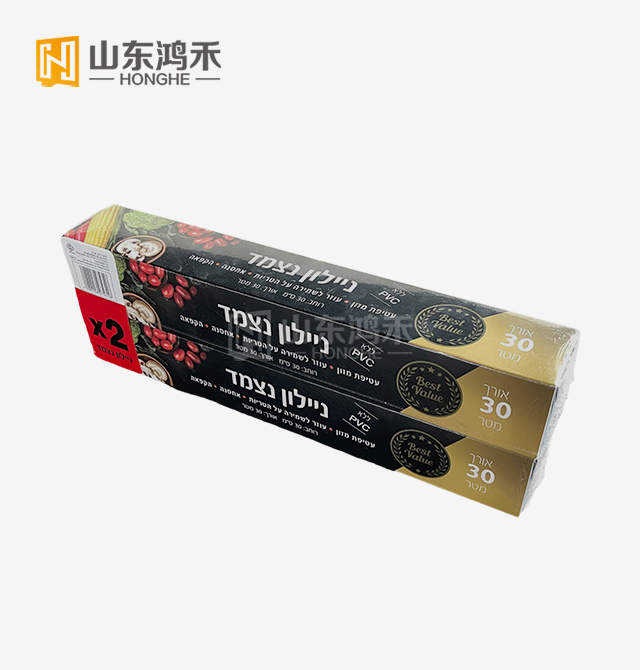
Comparing PVC Plastic Wrap with Alternative Packaging Films
Material Performance Across Key Metrics
Because polyethylene wraps let less air through, they are good for storing frozen foods and other things that don't need to be frozen, but they don't work as well for presenting fresh meat where color retention is important for business reasons. PE films usually cost less per linear meter, but they need thicker materials to have the same level of tear protection, which could cancel out the lower price at first. PE or polyvinylidene chloride is often used in cling films sold for home use, giving up commercial-grade performance for user-friendly features. PVC Plastic Wrap remains the superior choice for professional meat packaging.
Stretch films are used for very different things; they are made to keep pallets stable, not to come into close touch with food. Their flexible memory and ability to hold loads meet logistics needs that are different from those that drive choices about how to wrap fresh food. When deciding if a material is ideal for use in food packing, refrigeration, food service, and homes, buyers shouldn't just look at cost; they should also make sure that the material's qualities are exactly right for the job.
Environmental Considerations and Disposal Pathways
The UK still doesn't have as much PVC recycling infrastructure as it does PET or HDPE. However, clean, separated PVC Plastic Wrap can be sent through industrial trash streams to special programs. Because the material is durable and acts as a barrier, smaller gauges can often be used instead of thicker PE options. This means that less plastic is used per box. New bio-based plasticizer mixtures address worries about sustainability while keeping performance traits important for food safety uses.
Companies that want to be more environmentally friendly should talk to their providers about material innovation roadmaps, which should include possible changes to reusable materials as collection infrastructure improves. Responsible procurement practices are becoming more and more respected by retail partners and end customers. This is shown by open conversation about current limits and documented efforts to make things better.
How to Choose the Best PVC Plastic Wrap Supplier for Your Business?
Defining Business-Specific Requirements
Clear definitions of practical factors should come first in the procurement specs. Businesses that make food need certificates that show they meet contact safety standards. Industrial users, on the other hand, care most about puncture resistance and consistent unwind qualities. Forecasts of volume affect the choice of supplier because companies that make goods for big businesses may have minimum order amounts that smaller distributors can't meet. When marking needs or special dispensing tools call for specific roll configurations, printing, or core measurements, the ability to customize PVC Plastic Wrap is very important.
Supplier Evaluation Framework
Quality management systems provide basic guarantee, and ISO 9001 certification shows that process controls and methods for constant growth have been written down. Manufacturing openness lets you check out the ability to produce, the age of the tools, and the skills of the workers. Facilities with specialized quality control labs that do in-line testing show a commitment to consistency that keeps products from being refused, which costs a lot of money. A supplier's name in well-established trade networks can tell you a lot. However, newer makers may be able to offer competitive benefits through modern equipment and quick service.
After-sales help makes a big difference between providers when there are problems with operations. Quick expert support can help fix problems with filling or find the best PVC Plastic Wrap for new product lines. When testing new specs, flexible return and swap policies lower the risk, and quick responses to quality issues keep operations running smoothly. Suppliers that have been around for a while, like Shandong Honghe Plastics Co., Ltd., which was formed in 2017, have come up with organized ways to help customers. For example, they offer 24-hour after-sales service to meet pressing operational needs across time zones.
Contract Negotiation Best Practices
In purchase deals, quality factors like thickness tolerances, cling performance standards, and clarity measures should be listed along with measured acceptance criteria. It's important to be clear about delivery plans, especially when it comes to figuring out lead times and setting fines for delays that stop production. Price adjustments should take into account changes in the costs of raw materials in a clear way, so there are no disagreements when market conditions change a lot. When custom printing or unique formulations give a business a competitive edge that needs to be kept secret, intellectual property rights are important.
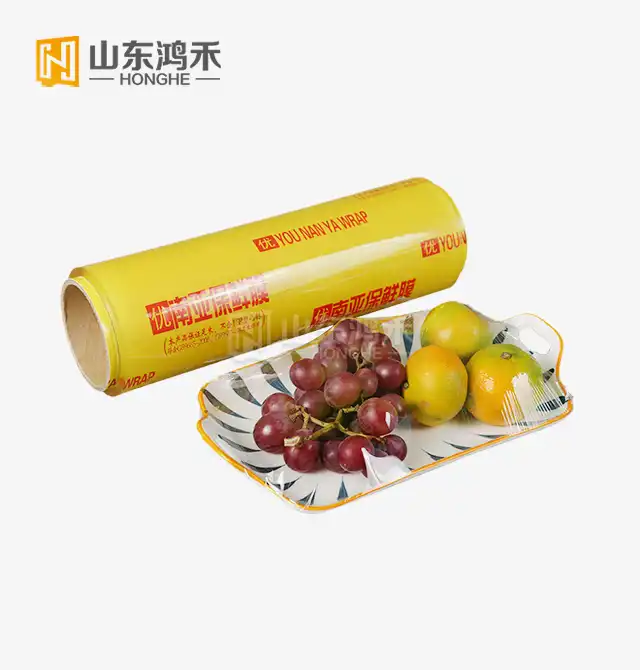
Best Practices for Importing and Using PVC Plastic Wrap: Tips for UK B2B Buyers
Quality Inspection Protocols Upon Receipt
Incoming material testing keeps performance from being harmed by departures from specifications. A visual review should be used to check the state of the roll, looking for signs of telescoping, edge damage, or surface contamination. Testing samples with calibrated micrometers proves the consistency of the gauge, and testing the cling performance on representative surfaces confirms the useful properties of PVC Plastic Wrap. Reviewing the documentation makes sure that each batch can be tracked, and the Certificates of Analysis exactly match the requirements listed in the buy order.
Advice on how to store and handle
Environmental controls keep the qualities of the material stable during its shelf life, which, in normal circumstances, lasts between 12 and 24 months. Keeping things in storage between 15°C and 25°C stops the plasticizer from moving and making the surface oily. Also, keeping them out of direct sunshine stops degradation that blurs the vision. Controlled humidity stops changes in the glue properties that make it less effective at sticking. Using first-in-first-out procedures to rotate inventory reduces performance changes caused by age, which is especially important for businesses that need to keep a lot of stock on hand.
Sustainable Procurement Integration
Corporate responsibility programs are having a bigger effect on buying choices, forcing buyers to weigh standard performance and cost factors against environmental impact factors. Getting suppliers involved in programs to reduce waste, make industrial methods more energy-efficient, and come up with new materials shows that you are committed to always getting better. Documenting sustainability measures helps companies meet their reporting requirements and sets them apart in supply chains where environmental standards affect which partners to work with. Some practical ways to be more environmentally friendly are to reduce the number of times you have to ship your orders, ask for minimal packing for large rolls, and join industry groups that are working on better end-of-life solutions.
A supermarket chain distributor in the UK recently switched providers to get better technology help and the ability to make changes. The purchasing team tested samples from five approved makers in a planned way to see how well they stuck to different types of trays and how clear they were when displayed in a refrigerator. Certification portfolios were given a lot of weight in the selection process, and suppliers with both FDA registration and EU-equivalent compliance documents were given priority. The chosen partner gave a lot of information about how to use the product. For example, they suggested different film sizes for different types of protein and found the best settings for the pouring equipment to cut down on waste. This joint method cut the amount of packaging material used by 12% and raised the scores for visual presentation in market research studies.
Conclusion
When buying PVC Plastic Wrap strategically, you have to strike a balance between the need for technical performance and the facts of business and the law. UK buyers can make better specification decisions that meet exact operating needs when they know about the material qualities that make this packaging option different from others. Systematic review of suppliers' quality systems, certification portfolios, and service skills lowers risk and finds partners who can help the business grow in the long run. Businesses that pay attention to compliance guidelines, logistics efficiency, and environmentally friendly practices will be in a better position as the market changes and packaging choices have a bigger impact on how people see a brand and its legal standing.
FAQ
Is PVC Plastic Wrap safe for direct food contact?
When used properly, food-grade PVC Plastic Wrap made to known standards is safe for most uses with fresh food. Migration testing shows that the transfer of plasticizers stays within the allowed limits during normal keeping times in the fridge. People who use lipophilic plasticizers should stay away from pure fats like butter and oil because they may move into them more easily. Products that say they are safe for food service use have been through specific tests that prove they are safe for those uses.
What import duties apply to PVC film entering the UK?
Tariff classifications are based on the specifics of a product, and rates change based on trade deals and the materials used. Most cling films are covered by HS codes in Chapter 39. Depending on where they come from and their specs, duty rates range from 0% to 6.5%. Importers should look at the latest HMRC advice or hire customs agents to help them figure out the correct classification and tax rate based on the product's specifications and where the supplier comes from.
How quickly can suppliers fulfill orders?
Lead times depend on how complicated the order is and how busy the factory is. Standard specs kept in stock may be shipped within days, but printing that is modified or using special ingredients can take two to four weeks to make. International shipping takes an extra two to three weeks for ocean freight from Asian manufacturing hubs to ports in the UK. Expedited air freight cuts down on travel time by a lot, but it also costs a lot, so this choice is only useful for quickly restocking important items.
Partner with Shandong Honghe Plastics Co., Ltd. for Reliable PVC Plastic Wrap Supply
Shandong Honghe Plastics Co., Ltd. provides certified, high-performance PVC Plastic Wrap that is specifically made to meet the strict standards for UK buying. Our ISO, CE, and FDA certifications show that we follow the rules, and our BSCI and WCA badges show that we are dedicated to using responsible production methods. Because we are close to Qingdao port, we have great logistics benefits and keep a lot of stock to meet quick supply schedules. Modern production tools and strict quality control make sure that the features of every batch of material are the same. We offer ODM and OEM services that can be tailored to specific needs, and we offer free samples that let you check the quality thoroughly before committing to a purchase. Our 24-hour customer service quickly answers technical questions and solves problems with operations. Contact tony@sdhhsl.com to talk about your unique needs and get quotes from a reliable manufacturer who cares about the success of your business.
References
1. British Plastics Federation. (2022). Food Contact Plastics: Compliance Guide for UK Manufacturers and Importers. London: BPF Publications.
2. Department for Environment, Food and Rural Affairs. (2021). UK REACH: Guidance for Chemical Importers and Downstream Users. London: DEFRA.
3. European Food Safety Authority. (2020). Scientific Opinion on the Safety Assessment of Plasticizers in Food Contact Materials. EFSA Journal, 18(4), 112-145.
4. Institute of Packaging Professionals. (2023). Fresh Food Packaging: Material Selection and Performance Optimization. Warwickshire: IOP Press.
5. UK Health and Safety Executive. (2022). Chemicals in Food Contact Materials: Risk Assessment Framework. Liverpool: HSE Books.
6. Wilson, R., & Thornton, J. (2021). Flexible Packaging Technologies: Applications in Fresh Food Preservation. Cambridge: Packaging Innovation Institute.