


_1750233969309.png)
Key Features of PE Food Cling Film for Industrial Packaging Needs
PE Food Cling Film is a revolutionary answer for industrial packaging. It is made from food-grade polyethylene and provides better food safety, mechanical performance, and operating efficiency. This packaging material has a tight seal, is very clear, and meets all the rules. It also doesn't use any of the harmful plasticisers that are common in older PVC alternatives. Understanding these key features helps procurement managers and supply chain leaders make decisions that are both cost-effective and meet strict quality standards when dealing with complicated food packaging issues.
Understanding PE Food Cling Film and Its Core Benefits
What Makes Polyethylene Cling Film the Industry Standard?
PE Food Cling Film is a big step forward in the technology used to package food. This material is mostly made of Low-Density Polyethylene (LDPE) or Linear Low-Density Polyethylene (LLDPE). It sticks to things with safe tackifying agents instead of dangerous phthalate plasticisers. The barrier is made using either cast extrusion or blown film methods. It is flexible and stays structurally sound at temperatures ranging from -60°C to +110°C. This ability to keep its shape at low temperatures is very useful for cold chain logistics and freezer storage, where normal materials become brittle and break easily.
Safety Advantages Over Traditional Packaging Materials
We put food safety first by choosing materials that don't let chemicals move around. Our polyethylene film doesn't react chemically with fatty foods like cheese, roasted meats, and butter, unlike PVC options that do contain DEHA plasticisers. This mixture meets the standards for food contact set by the FDA and the EU. This gives buying managers peace of mind that they are following the rules for accessing foreign markets. The ability to be recycled of this material, which is called Resin Identification Code 4, helps meet the sustainability standards that grocery stores and logistics companies in environmentally conscious markets are increasingly requiring.
Barrier Properties That Extend Product Shelf Life
Controlled gas permeability is what sets good cling film apart from simple wrapping materials. The film's moderate Oxygen Transmission Rate (OTR) keeps fresh food in aerobic respiration, which stops the growth of anaerobic bacteria that quickly go bad. At the same time, good moisture barrier qualities keep food from drying out during travel and storage in cold places. This balanced permeability makes fresh fruits and vegetables, meats, dairy products, and ready-made meals last longer on the shelf. This directly lowers food waste costs, which have a big effect on the profit margins of food preparation and serving businesses.
Evaluating Technical Specifications Critical to Industrial Procurement
Thickness Variations and Performance Characteristics
The mechanical performance and suitability of an application are largely determined by the film thickness. Industrial sizes are usually between 8 and 20 microns, and each one is designed to meet specific needs. For standard uses, our customisable options range from 8 to 12 microns, balancing tensile strength with low cost. For bone-in meats and oddly shaped fruits and vegetables that are often used in automatic tray wrapping systems, the thicker varieties are better at resisting punctures. To make the best use of materials and reduce waste, procurement managers should make sure that thickness requirements are met by packaging equipment tension settings and product features.
Temperature Resistance for Cold Chain Applications
Temperature performance specs tell the difference between good materials and great solutions. When stored in a freezer, PE Food Cling Film stays flexible and sticks to things better than other materials that get stiff and lose their stickiness. This ability to withstand cold temperatures stops freezer burn, a drying out process that lowers the quality and appearance of food. This temperature stability protects the integrity of fish or frozen ready-to-eat meals during travel across long logistics networks. It also lowers claims that the quality of the food lost during transit.
Certification Standards That Ensure Compliance
Following the rules is the basis of responsible industrial procurement. Our factory has an ISO certification for quality control systems, and our goods are FDA-approved for use with food and meet EU Regulation 10/2011 standards. These certifications are more than just paper copies; they show that the manufacturing controls, material traceability, and ongoing testing protocols have been checked. This certification system helps supply chain managers build relationships with vendors by making auditing easier and lowering compliance risks across operations in multiple jurisdictions.
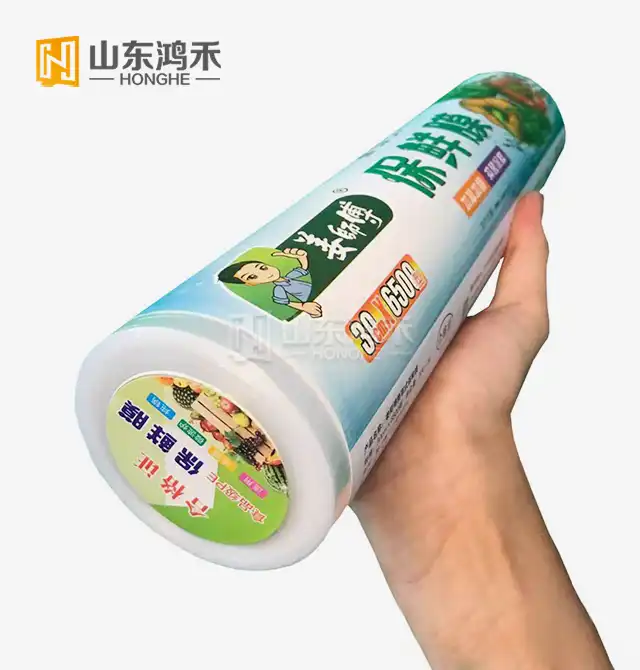
How to Choose the Best PE Food Cling Film Supplier for Bulk Industrial Needs?
Manufacturing Capacity and Consistency Assurance
Supply chains that work depend on suppliers who have shown they can meet demand and keep quality standards. Shandong Honghe Plastics Co., Ltd. has been in business since 2017 and uses advanced extrusion equipment and standard workshop procedures to make sure that every batch is the same. Because we are close to Qingdao port, export processes run smoothly, which cuts down on lead times for foreign customers. When warehouse supervisors look at possible suppliers, they should check how much they can produce, how well they handle their inventory, and how well they plan for changes in demand that come with seasonal food packing needs.
When choosing a supplier, you need to look at more than just the initial price. You also need to look at the total cost of ownership. Operational effectiveness is affected by many things, such as the number of defects, the accuracy of the orders, and the dependability of the deliveries. To support just-in-time delivery schedules, we keep a lot of inventory on hand because we know that stock-outs cause expensive production delays for high-volume packaging operations. This promise to keep inventory on hand and clear lines of communication make the relationship stable, which is what operations managers need when they are making plans for output and keeping track of working capital.
Customization Capabilities for Diverse Applications
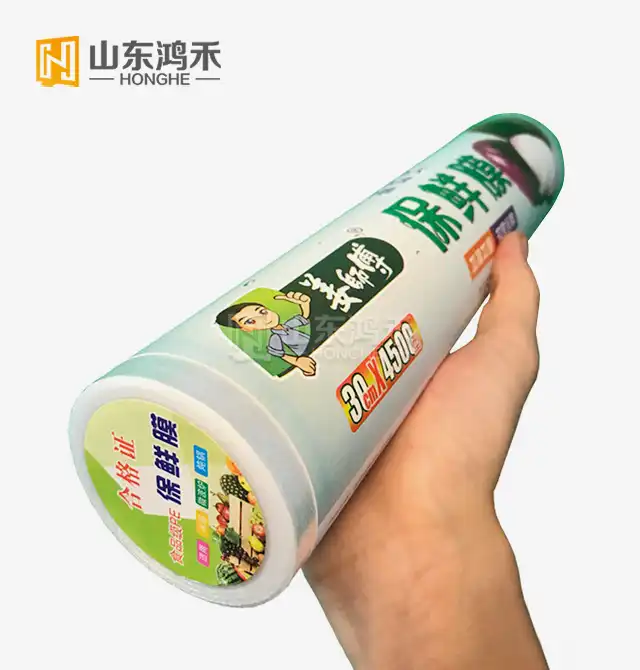
Standardised requirements are rarely met by industrial packing needs. Our PE Food Cling Film customisation services can handle different width needs (300–500mm), lengths (300–1500m per roll), and core diameters (38mm or 76mm) to work with a range of filling tools and application methods. This adaptability is especially helpful for businesses that have more than one packing line or that deal with different types of products that need different ways to be wrapped. Purchasing managers can save time and energy by working with a single supplier that can meet all of their needs instead of managing multiple relationships with different vendors.
Quality Testing Through Sample Programs
Hands-on review of the material is the first step in making a smart buying choice. We offer a free sample service so that procurement teams can test our products thoroughly before placing large orders. This way of lowering the risk lets you check the quality of the cling properties, the dispensing characteristics, and how well they work with existing equipment. Before being used on a large scale, samples should be tested in real-life situations, such as changing temperatures, coming into contact with real food products, and being integrated with automated packaging machines, to make sure that the performance claims are true and to find any problems that might come up.
Practical Applications and Use Cases in Industrial Food Packaging
Automated Packaging Line Integration
PE Food Cling Film made for these uses has special slip additives that make it easier to run through fast machines without getting stuck or breaking. During the wrapping cycles, the material must keep the same tension while tightly fitting around irregularly shaped products. Our formulations meet these mechanical needs, allowing throughput rates that can't be matched by manual wrapping while maintaining seal integrity that keeps items from getting contaminated during handling and distribution.
Fresh Produce and Meat Department Applications
When it comes to wrapping different kinds of food to keep them cool, supermarket chains and central kitchens have their own problems. Anti-fog masterbatches that we use in our film formulations stop condensation from building up, which makes it hard to see products in display cases, which is a major factor that affects people's decisions to buy. The film's high clarity and gloss make it look better and keep things clean by blocking cross-contamination. When used to wrap protein goods, the material's puncture resistance means that sharp bones and edges can't break the seal, which keeps food safe throughout the cold chain.
Catering and Food Service Operations
Catering businesses in restaurants and other places need flexible wrapping options for a range of storage needs. The film's ability to stick to ceramic, glass, and stainless steel surfaces and be easily torn makes cooking tasks easier, like locking prep containers or covering dough while it rises. The material is clear in microwaves, so you can warm food without taking it out of the package. This cuts down on handling and improves food safety. In high-pressure commercial kitchens where speed and cleanliness are still very important, these operational conveniences save time and make things run more smoothly.
Future Trends and Innovations in PE Food Cling Film for Industrial Packaging
Sustainable Material Development
Environmental concerns are becoming more and more important in industrial packaging decisions. Researchers are looking into bio-based PE Food Cling Film made from green feedstocks as a way to lower carbon footprints without lowering efficiency. These new materials can still be recycled using the systems that are already in place, and they also help companies meet their sustainability goals. Procurement managers who keep an eye on changes in regulations should work with providers who are investing in new materials and technologies to make sure that supply chains can keep up with changing environmental rules.
Enhanced Functional Coatings
Antimicrobial surface treatments are a big step forward in the science of keeping food safe. The coatings stop germs from growing on the film's surface, which adds to its safety during long storage times. In the same way, freshness indicator technologies built into package papers let people see how good a product is all the way through the distribution chain. Even though these new ideas cost a lot right now, they will become more popular as production costs go down. This is because quality-conscious industrial buyers want to stand out from the competition by making sure food is safer.
Market Evolution and Demand Drivers
The need for high-performance food packing films is growing around the world. This is because cold chain infrastructure investments are making people want products to stay fresh longer. As tighter rules about plasticiser content are put in place around the world, the move away from PVC products speeds up. This change opens up possibilities for providers who can offer options that are compliant and come with strong certification and regular quality. By taking the initiative to make material transitions ahead of time, industrial buyers can gain a competitive edge and lower their future compliance risks.
Conclusion
When choosing the right PE Food Cling Film for industrial packaging needs, you have to think about technical specs, supplier reliability, and total cost. This material is very useful because it has been shown to work well in a wide range of situations, from automatic production lines to manual food service jobs. It also meets strict safety standards that keep both goods and customers safe. The switch from old PVC materials to polyethylene-based replacements is a smart way to control risk that fits with changing regulations and environmental goals. When procurement professionals take the time to learn about these material traits and their suppliers' abilities, they set their companies up for long-term supply chain security and operational excellence.
FAQ
Q1: Is PE Food Cling Film Safe for Direct Food Contact?
A: If PE Food Cling Film is made to meet food-grade standards, it is safe to touch any kind of food directly. There are no harmful plasticisers or BPA compounds in the material that could get into food. Our goods have been approved by the FDA and meet the requirements of EU Regulation 10/2011. This means they can be used to safely wrap fatty foods, acidic foods, and temperature-sensitive items without worrying about chemical transfer.
Q2: How Does Polyethylene Film Compare to PVC in Cost and Performance?
A: Even though polyethylene film may cost a little more per metre at first, it is worth it in the long run because it is safer, can be recycled, and works better with temperatures. Small price differences are reasonable because they get rid of health risks related to plasticisers and make it easier to follow the rules. Performance traits like being resistant to punctures and being flexible in cold temperatures can often cut down on material waste, which can cancel out differences in unit cost through higher operational efficiency.
Q3: Can Film Specifications Be Customized for Specific Applications?
A: We allow full customisation across thickness ranges (8–20 microns), width options (300–500mm), and roll lengths (300–1500m) to meet the needs of a wide range of tools and applications. For large volume orders, custom formulations can be made to meet specific performance needs, such as better anti-fog properties or specific cling properties. Together with procurement managers, our expert team finds the best specs that meet both performance and cost goals.
Partner with Shandong Honghe Plastics Co., Ltd. for Reliable PE Food Cling Film Supply
If a purchasing manager is looking for a reliable supplier of PE Food Cling Film, Shandong Honghe Plastics Co., Ltd. can help. Our factory uses cutting-edge production technology and strict quality controls. We are committed to excellence, as shown by our ISO, FDA, CE, BSCI, and WCA certificates. We know how important stable supply chains are for businesses in the manufacturing sector, so we keep a lot of stock on hand and offer flexible shipping times that work with your production plans.
Our focus on the customer means that we offer free samples, customisation services that are suited to your unique needs, and responsive help 24 hours a day, 7 days a week for technical questions and planning logistics. Whether your company uses automated packaging lines that need special film properties or is looking for flexible solutions for a wide range of manual tasks, our technical team can help you choose the best material.
Get in touch with tony@sdhhsl.com right away to talk about your industrial packaging needs with skilled experts who know how to prioritise B2B purchasing. You can get examples of our film to see for yourself how good it is, or you can set up a meeting to talk about how we can make it fit your needs. You can find out more about our products and why top food processors, grocery chains, and transportation companies choose sdhhsl.com as their PE Food Cling Film manufacturer by going there.
References
1. Smith, J. & Anderson, K. (2022). Food Packaging Materials: Safety and Performance Standards. International Food Safety Publishing.
2. European Food Safety Authority. (2021). Guidelines on Plastic Materials for Food Contact Applications. EU Scientific Committee Report.
3. Martinez, R. (2023). Cold Chain Logistics and Packaging Technologies. Industrial Supply Chain Journal, Volume 15.
4. Thompson, L. et al. (2021). Comparative Analysis of Polymer Films in Food Preservation. Journal of Food Engineering Research, 89(3), 245-267.
5. National Food Processors Association. (2023). Best Practices for Industrial Food Packaging Procurement. NFPA Technical Bulletin Series.
6. Chen, W. & Roberts, P. (2022). Sustainable Packaging Materials: Market Trends and Innovations. Global Packaging Industry Report, Annual Edition.