


_1750233969309.png)
Machine Grade cling film represents a crucial advancement in industrial packaging technology, specifically engineered for automated wrapping systems across diverse manufacturing and distribution sectors. This specialized stretch film offers superior performance characteristics compared to hand-applied alternatives, delivering enhanced load stability, cost efficiency, and operational reliability for businesses handling large-volume packaging requirements. Understanding the technical specifications, application benefits, and procurement strategies for machine grade films enables industrial enterprises to optimize their packaging operations while reducing material waste and labor costs.
What Is Machine Grade Cling Film and Why It Matters in Industry
Machine grade cling film is a specialty packaging material made particularly for automated packing equipment, typically from linearly distributed polyethylene (LLDPE) or LDPE, or low resins. This industrial-grade film outperforms traditional hand-wrapping materials in terms of tensile strength, thickness uniformity, and flexibility.
Core Material Properties and Composition
The improved polymer composition in industrial grade films guarantees exceptional mechanical performance in high-speed automated applications. These films often have increased puncture resistance, higher transparency for item visibility, and constant cling properties that keep loads intact over storage and transit cycles. These films, which are made of high-quality PVC and used in a variety of applications, offer excellent moisture and contaminant barriers.
Industrial Applications and Market Significance
Machine grade cling film plays a vital role across multiple industrial sectors, commonly utilized in food packaging, refrigeration, foodservice, and residential settings. The automated application process reduces labor requirements while increasing packaging consistency and speed. Food processing facilities rely on these films for maintaining product freshness and meeting stringent hygiene standards. Logistics companies utilize machine grade films for pallet stabilization, ensuring secure load containment during transportation and warehousing operations. Selecting the appropriate Machine Grade cling film is therefore fundamental to optimizing efficiency and security in these diverse applications.
Understanding Technical Specifications and Usage Guidelines
Technical standards for machines grade cling film include a variety of characteristics that have a direct influence on performance in industrial applications. Thickness variations generally vary between 12 and 30 millimeters with each standard providing significant benefits for particular application needs.
Thickness Variants and Material Selection
Film thickness has a direct impact on puncture resistance, load holding effect, and material cost factors. Lighter range films (12-17 μ) perform in bulk, light-weight application where cost efficiency is critical. Medium gauge choices (18-23 microns) provide adequate durability for normal industrial loads. Heavy-duty variations (24-30 microns) provide optimal protection for lumpy or sharp-edged items that need increased puncture resistance.
Machine Parameter Optimization
Proper machine design guarantees excellent film performance while avoiding operational disturbances. Important factors include pre- stretching ratios, film strain settings, spin speed, and gap percentages. Pre-stretch capacities generally vary between 200% and 300%, enabling operators to optimize film output while ensuring proper load containment. Tension control systems minimize film breaking while maintaining constant wrap tightness across a variety of load combinations.
Performance Comparison with Hand Stretch Films
Machine grade films provide more uniformity than hand-applied equivalents, reducing variability among individuals in application procedures. Automated methods provide consistent pre-stretch ratios, overlap patterns, and appropriate tension distributions. These benefits lead to lower film use, increased load security, and faster packing. When switching from manual to robotic stretch wrapping systems, labor costs may be reduced by 50-70%.
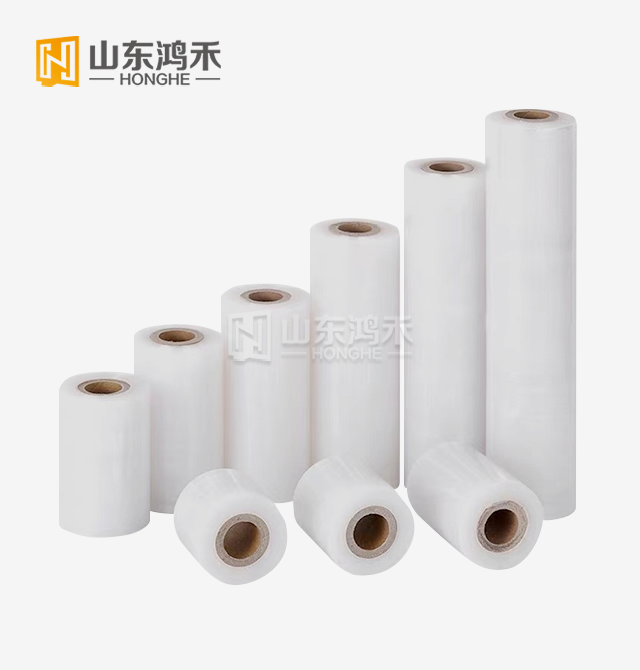
Comparing Machine Grade Cling Film Options for Industrial Procurement
Procurement professionals must evaluate multiple factors when selecting machine grade cling film solutions, including material composition, supplier capabilities, and long-term cost implications. Understanding the distinctions between available Machine Grade cling film options enables informed decision-making that aligns with operational requirements and budget constraints.
Material Options and Environmental Considerations
Traditional LLDPE films have known performance features, established supply chains, and competitive price structures. Biodegradable solutions provide environmental benefits but need careful consideration for efficiency trade-offs and economic considerations. Recycled content films provide a mix between environmental goals and operational needs, albeit availability may vary depending on geography and supplier capabilities.
Supplier Evaluation and Quality Assurance
Successful procurement strategies prioritize collaborations with recognized suppliers that maintain consistent quality standards and dependable delivery capabilities. ISO certifications, food-grade compliance, and specific to the industry approvals guarantee that products are suitable for their intended purposes. Supplier liquidity, technical support skills, and geographic coverage all have an impact on the long-term health of partnerships.
How to Choose and Procure the Right Machine Grade Cling Film
Selecting proper machine grade cling wrap requires a thorough examination of usage guidelines, operational restrictions, and performance expectations. Successful procurement strategies strike a balance between current demands and long-term operational goals, while being cost competitive.
Application-Specific Selection Criteria
Load variables such as product weight, length, surface roughness, and storage circumstances have a considerable impact on film selection options. Sharp-edged items need increased puncture resistance, whilst temperature-sensitive applications necessitate films that remain flexible under fluctuating temperatures conditions. Fully customisable solutions based on customer specifications offer maximum performance for individual application needs.
Procurement Strategy Development
Effective procurement strategies prioritize supplier diversity, volume leverage, and achievement of monitoring systems. Bulk purchase strategies can provide considerable cost savings while maintaining supplier continuity. Establishing performance standards and quality indicators allows for objective supplier assessment and ongoing improvement programs. Sample assessment programs allow for testing under real-world situations before making large-scale purchases.
Shandong Honghe Plastics Co.,Ltd. - Your Trusted Industrial Film Partner
Shandong Honghe Plastics Co., Ltd. stands as a leading manufacturer of high-quality machine grade cling film solutions, established in 2017 with a focused commitment to serving industrial packaging requirements. Our core product, Machine Grade cling film, is engineered to meet stringent performance demands. Located in Shandong Province's Liuguanzhuang Town, our strategic positioning near Qingdao Port ensures convenient transportation and logistics support for domestic and international customers.
Manufacturing Capabilities and Quality Assurance
Our modern manufacturing equipment and structured workshop facilities use cutting-edge production technology to produce PE/PVC adhesive films, disposable mittens, and stretch film goods. Rigorous quality control procedures guarantee that all goods satisfy worldwide standards, which are backed by extensive certifications such as ISO, CE, and FDA clearance. Additional BSCI as well as WCA certifications indicate our dedication to social responsibility for workplace excellence.
Product Portfolio and Customization Services
The machine level cling film options include a wide range of qualities designed to meet particular industrial needs. High-quality films provide exceptional performance in packaging foods, refrigeration, and logistical applications. Customers may check product appropriateness before placing orders for manufacture by receiving complimentary samples. ODM and OEM services cater to individual specification needs, resulting in optimal results for specialized applications.
Service Excellence and Customer Support
Technical consulting, logistical management, and fast after-sales service are all part of our comprehensive client support. Our 24-hour service dedication guarantees a prompt response to customer questions and technical assistance requests. Competitive price structures, paired with various delivery choices, meet different client needs across numerous market groups. Large inventory levels and quick delivery capabilities reduce supply chain interruptions while meeting just-in-time production needs.
Conclusion
Machine grade cling film represents an essential component of modern industrial packaging systems, offering superior performance, cost efficiency, and operational reliability compared to manual alternatives. Understanding technical specifications, application requirements, and procurement strategies enables businesses to optimize their packaging operations while reducing costs and improving product protection. The transition to automated stretch wrapping systems delivers measurable benefits including reduced labor requirements, improved packaging consistency, and enhanced load security. Successful implementation requires careful supplier selection, appropriate equipment configuration, and ongoing performance monitoring to maximize return on investment and operational efficiency.
FAQ
Q1: What are the main differences between machine grade and hand stretch films?
A: Machine grade films have better uniformity, more pre-stretch possibilities (200-300% vs. 15-20% to hand films), and enhanced cling qualities for automated equipment. They provide superior load containment wit less materials while removing variation among people in application procedures.
Q2: How do I determine the right film thickness for my application?
A: Film thickness is chosen based on load weight, goods, and protection needs. Light gauges films (12-17 microns) are suitable for typical loads, medium gauge (18-22 microns) for moderate protection, and heavy gauge (24 to 30 microns) for optimum puncture resistance in difficult situations.
Q3: What certifications should I look for in food-grade machine cling film?
A: Required certifications include FDA clearance for food handling, ISO quality guidelines, and any regional compliance certificates. Films used in the packaging of foods must adhere to precise migration restrictions and safety criteria to assure the safety of the product and regulatory compliance.
Partner with Shandong Honghe Plastics Co.,Ltd. for Superior Machine Grade Cling Film Solutions
Discover whether our premium machinery grade cling film technologies may improve your industrial packaging processes while lowering costs and increasing efficiency. As a reputable machine class cling film supplier, we provide completely customisable solutions that are suited to your exact needs, supported by thorough technical support and dependable delivery. To guarantee that you find the right products for your needs, our professional staff provides gratis samples as well as extensive technical discussions. Contact them email tony@sdhhsl.com to discuss what you require for packaging and explore bulk pricing options. For more information about our products and technical resources, please visit sdhhsl.com.
References
1. Industrial Packaging Association. "Machine Grade Stretch Film Performance Standards and Testing Protocols." International Packaging Technology Review, 2023.
2. Thompson, R.K. and Martinez, S.J. "Automated Stretch Wrapping Systems: Efficiency Analysis and Cost-Benefit Evaluation." Journal of Industrial Packaging Engineering, Vol. 45, 2023.
3. European Food Safety Authority. "Guidelines for Food Contact Materials: Plastic Films and Wrapping Applications." EFSA Technical Report, 2023.
4. Chen, L. and Wilson, D.R. "Polymer Science in Industrial Packaging: LLDPE Film Properties and Applications." Materials Science Quarterly, Issue 3, 2023.
5. Global Packaging Research Institute. "Market Analysis: Machine Grade Stretch Films in Industrial Applications." Industry Trends Report, 2023.
6. American Society for Testing and Materials. "Standard Test Methods for Plastic Film Properties in Industrial Packaging Applications." ASTM Standards Publication D5458-23, 2023.