


_1750233969309.png)
Why Importers Prefer PVC Cling Film from China
More and more, importers around the world choose PVC Cling Film For Food Wrapping from China because of its low prices, advanced production skills, and strict adherence to international food safety standards. Chinese companies have put a lot of money into production technology that ensures uniform quality while keeping costs low through economies of scale. Being close to Qingdao and other major ports makes logistics go quickly, and trusted providers offer a range of customization choices, such as different thicknesses, sizes, and even branding. Because of this strategic edge and certifications like FDA, ISO, and LFGB, Chinese suppliers are the best choice for B2B buyers who want to find reliable, low-cost food wrapping options.
Understanding PVC Cling Film for Food Wrapping
Choosing the right food wrapping material has a direct effect on how fresh the food stays and how much it costs to run a restaurant, food processing, or store business. PVC Cling Film For Food Wrapping is a unique answer that was made to solve problems with keeping food fresh.
What Makes PVC Cling Film Unique?
Polyvinyl chloride is mixed with non-toxic plasticizers like DOA or DOTP to create PVC Cling Film For Food Wrapping. This mix makes a "memory effect" that lets the film stick to itself without having to be heat sealed. This makes wrapping easier in a variety of food service settings. PVC film, unlike other types of polyethylene, lets limited amounts of oxygen through at rates between 150 and 400 g/m²/24h. This helps fresh foods keep their bright red color by supporting the formation of oxymyoglobin. The material has a high tensile strength (15–30 MPa) and a very high elongation at break (150%–400%), which means it can stretch tightly over uneven forms without tearing. These technical standards fix real problems in food packing, like stopping juice from leaking out of meat displays in grocery stores and freezing food without burning it in cold storage that stays between -60°C and 40°C.
Food Safety Standards and Certifications
Compliance is still a must for things that come into touch with food. EU Regulation 10/2011 and FDA 21 CFR 175.300 are just two of the strict international rules that good PVC Cling Film For Food Wrapping has to follow. These guidelines say that Vinyl Chloride Monomer residues must stay below 1 mg/kg and total migration must not be more than 10 mg/dm² when tested with substances that look like food. Gas chromatography tests are done by reputable makers to make sure that VCM levels stay below 1 ppm or can't be detected. The low haze (usually less than 1.5%) and high gloss surface of the material make it easier to see products in stores. Anti-fog technology stops condensation from forming, which would otherwise help bacteria grow when the temperature changes from cold storage to room temperature for display.
Why China is the Leading Supplier of PVC Cling Film for Food Wrapping?
China is the world's biggest market for food wrapping film because it has made smart investments in production facilities and improving its supply chain. Since setting up production hubs near major export routes, Chinese companies have consistently provided value that meets the most important buying needs of buyers from other countries.
Cost-Effective Manufacturing Without Quality Compromise
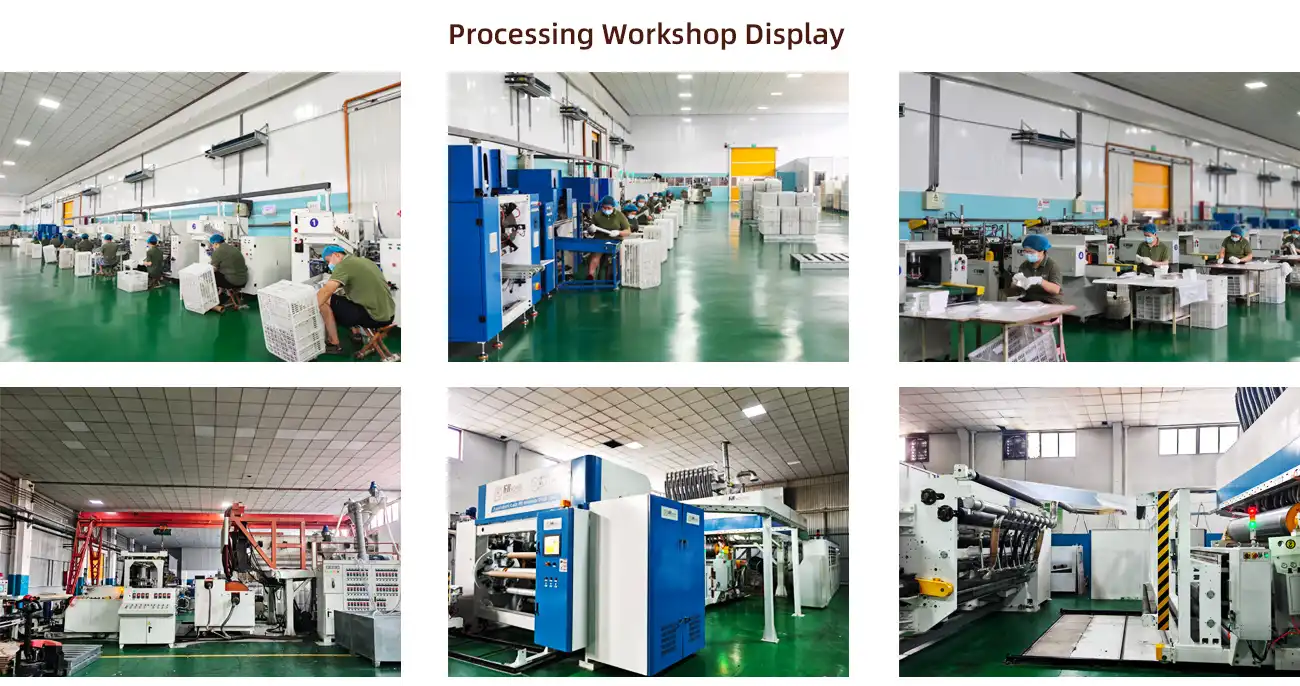
Because many factories are located in places like Shandong Province, there are economies of scale that make prices more affordable. Companies like Shandong Honghe Plastics Co., Ltd., which was formed in 2017, run standard workshops with high-tech production lines that keep the quality of their work uniform while keeping costs low. Because it is close to Qingdao Port, this location advantage lowers shipping costs and speeds up delivery times for foreign shipments. Chinese suppliers can keep their prices low even when you take into account the costs of foreign shipping, customs taxes, and quality control testing because they have streamlined their operations and increased their ability to produce in quantities.
Advanced Production Technology and Quality Control
Modern factories producing PVC Cling Film For Food Wrapping use rigorous quality control methods that meet or exceed international standards. Physical performance metrics including tensile strength, puncture resistance, and anti-fog properties are continuously monitored on production lines for PVC Cling Film For Food Wrapping. Batch sampling by manufacturers using standardized test methods ensures PVC Cling Film For Food Wrapping withstands automatic wrapping machines exceeding 60 packs per minute without jamming or seal failure.
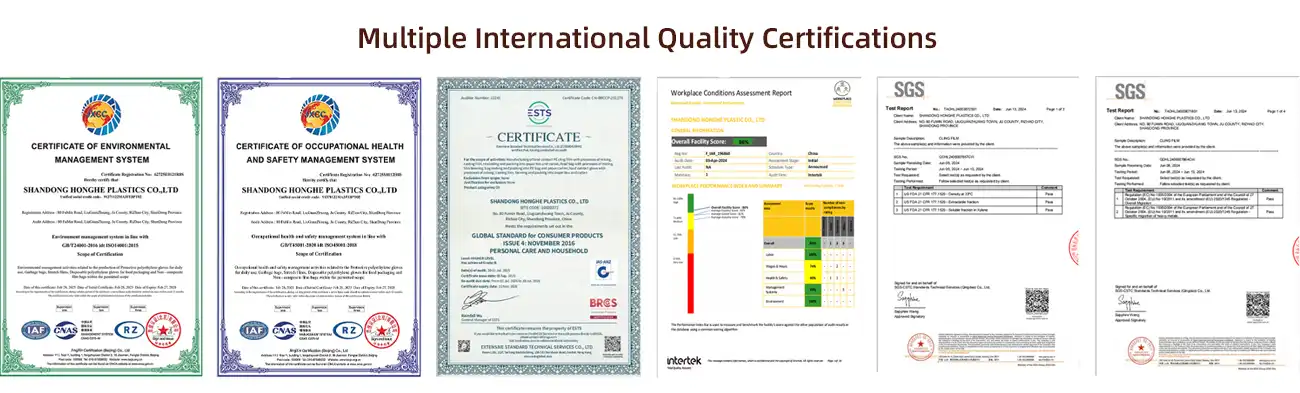
Temperature stability testing verifies PVC Cling Film For Food Wrapping integrity in cold chain environments, while migration analysis ensures food safety compliance. This quality commitment enables facilities to maintain multiple certifications including ISO, CE, FDA, BSCI, and WCA credentials, providing procurement managers with verifiable documentation for regulatory audits of PVC Cling Film For Food Wrapping.
Flexible Customization for Diverse Applications
Chinese sellers are great at meeting the unique needs of a wide range of businesses. Purchasing managers can give accurate measures of roll widths, lengths, and thicknesses to match automatic dispensing equipment or places where people wrap things by hand. With custom printing choices, you can put your logo and product information right on the film, which helps you reach your marketing goals while keeping it useful. This freedom includes the way the goods are packed; suppliers offer different box sizes and carton counts that work with the way warehouses store things and handle inventory. Chinese manufacturers are very appealing to businesses that want to grow or try new product lines because they can change the minimum order quantities based on relationship growth and order frequency.
Comparing PVC Cling Film with Alternative Food Wrapping Solutions
Knowing the important differences between products helps purchasing teams make smart choices that meet practical needs and stay within budget. Each wrapping method has its own set of speed traits that make it best for certain tasks.
PVC vs. Polyethylene (PE) Cling Film
Both of these fabrics can be used to wrap food, but they do so in very different ways. Because it is made with plasticizers, PVC Cling Film For Food Wrapping has better self-adhesion qualities, so you don't need any extra tools to make secure seals. The material sticks naturally to smooth surfaces like glass, metal, and plastic containers, which makes storing food easier. PE film is safe for food, but it needs to be stretched or heated to seal properly, and it doesn't work well on surfaces that don't have pores.
Because it lets air through easily, PVC Cling Film For Food Wrapping is great for displaying red meat where color retention is important to customers who are deciding what to buy. On the other hand, PE's smaller permeability makes it better for uses that need tighter moisture barriers, like storing cheese. When it comes to cost, PVC Cling Film For Food Wrapping is usually a better choice for high-volume operations because it needs a smaller thickness to be as strong, which means that less material is used per wrapped unit.
Specialized Applications and Material Selection
In certain food service situations, the film needs to have certain qualities. The stiffness and static cling of PVC Cling Film For Food Wrapping keep high-speed machines from getting stuck in automated central kitchens that process hundreds of meals an hour. This keeps production running smoothly. Commercial catering businesses that wrap gastronorm pans with bone-in proteins benefit from PVC's ability to fight punctures and stretch to fit odd forms.
Distribution centers that handle high-respiration foods like mushrooms depend on the open structure of PVC Cling Film For Food Wrapping to allow enough gas exchange. This keeps slime from building up and keeps food fresh longer while it's being shipped in cold temperatures. Biodegradable alternatives get a lot of attention for environmental concerns, but they are very expensive right now, and they might not have the track record of performance that risk-averse supply chain managers need for mission-critical applications involving expensive, perishable inventory.
Key Factors Importers Consider When Buying PVC Cling Film from China
For foreign procurement to go smoothly, possible sellers must be carefully checked against standards that guarantee consistent quality, compliance with rules, and practical dependability.
Verification of Certifications and Test Reports
Smart buying managers ask for a lot of paperwork before they agree to work with a supplier. Valid food-grade licenses, such as those that include FDA approval and LFGB compliance, should have serial numbers, dates of issue, and dates for renewal. Objective proof that a product is safe comes from test results from approved labs that confirm general migration limits, VCM residue analysis, and heavy metal content. Suppliers should easily give records of analysis for every batch of production. This way, if quality problems happen later, they can be tracked back to the suppliers. During plant checks, procurement teams make sure that testing equipment is regularly calibrated and that quality control staff follow written procedures. When filling out government forms in target markets or answering customer questions about material safety, this paperwork becomes very important.
Evaluating Supplier Reliability and Communication
For PVC Cling Film For Food Wrapping partnerships to last, they need more than just low prices. When managers talk to PVC Cling Film For Food Wrapping suppliers for the first time, they check responsiveness by seeing if technical questions get detailed answers backed by specifications instead of vague promises. Since PVC Cling Film For Food Wrapping samples are free, they can be tested in-house under real conditions to verify compatibility with existing equipment and processes.
Verifying PVC Cling Film For Food Wrapping production capacities through facility tours or third-party audits ensures suppliers can handle large orders without quality degradation. Established manufacturers maintain adequate raw material and finished goods inventory of PVC Cling Film For Food Wrapping to minimize lead times and handle urgent reorders during demand spikes. Clear communication about shipping schedules, production timelines, and potential delays builds trust essential for managing complex international logistics of PVC Cling Film For Food Wrapping.
Understanding Pricing Structures and MOQs
When negotiating prices, it helps to know how total costs are affected by volume, customization, and payment terms. Minimum order numbers are based on how efficiently the production process can work. Larger orders can unlock better per-unit prices by saving money on materials and lowering setup costs. When makers weigh the cost of tools against the value of an order, customization that involves specific sizes, printing, or packing arrangements may cause MOQs to go up.
Letters of credit, trade assurance programs, or delayed payments based on production goals are all ways to arrange payments that lower financial risk for both parties. Expert importers ask for thorough quotes that break down the costs of materials, labor, packaging, and shipping into different categories. This lets them accurately compare costs between sellers and find places where they can save money. Volume commitment deals that cover multiple orders often get providers better pricing and let them see more clearly how their production plans are going, which makes their operations run more smoothly.
Best Practices for Using PVC Cling Film in Food Wrapping
To get the most out of food wrapping materials in terms of performance and safety, they need to be handled and stored correctly throughout the supply chain.
Optimizing Wrapping Techniques for Different Foods
To get the best results in food preserving, different types of food need different methods. When wrapping red meat cuts, workers should gently stretch the film across the surface to make full contact. They shouldn't put too much stress on the film, though, because that could squash the product or make it pull back. The film's ability to let oxygen through works best when it's covered completely, leaving no air spaces that would speed up oxidation.
For ready-to-eat foods in gastronorm containers, overlapping the film ends and tucking them under makes a strong seal that stays in place during travel and refrigeration. To keep things from drying out, double-wrap them or make sure the film covers all the areas that will be visible. Teaching cooking staff regular ways to wrap food cuts down on waste while also making seals more reliable, which keeps food fresh until it's eaten.
Storage Conditions and Handling Protocols
When films are stored correctly, their purity and performance traits are kept. Rolls should be kept in their original package until they are used. They should also be kept in cool, dry places away from direct sunlight, which can break down plasticizers and make the rolls less sticky. Extreme temperatures change how film behaves. For example, when it's too hot, rolls of film stick together, and when it's too cold, they become less flexible.
When putting rolls on machines, workers should make sure the cutting blades are still sharp so that the edges are clean and won't tear easily when the rolls are used. When working with film, it's important to keep your hands and work areas clean because oils, flour, and other leftovers can make it hard for the film to stick. Cleaning the dispenser bars and changing worn parts as part of regular equipment maintenance keeps the film from bunching up or breaking while it's being dispensed.
Conclusion
People from other countries prefer to buy PVC Cling Film For Food Wrapping from China because it is cheaper, better quality, and easier to work with in the supply chain. China has a well-established production infrastructure that is backed up by strict quality control systems and a wide range of foreign certifications. This ensures steady performance that meets strict food safety standards. Competitive prices due to economies of scale, the ability to customize to meet different operating needs, and the ability to save time and money by shipping through major export ports all add up to a lot of value for procurement managers. As the needs for food packing around the world change, Chinese companies keep putting money into technology and regulatory systems that keep them at the top of the market and help their importing partners succeed.
FAQ
Is PVC cling film safe for direct food contact?
PVC Cling Film For Food Wrapping that meets the standards set by FDA 21 CFR 175.300 and EU Regulation 10/2011 is safe for close touch with food. These rules say that Vinyl Chloride Monomer residues must be less than 1 mg/kg and that total movement limits must not be higher than 10 mg/dm². Reliable makers use plasticizers that don't contain DEHP and do strict tests to make sure they follow the rules. Before accepting sellers for food contact applications, procurement managers should ask for certificates of analysis and reports from third-party labs that confirm safety standards.
What certifications should importers request?
For U.S. markets, FDA permission is necessary, and LFGB compliance is needed for European distribution. ISO quality management system recognition is also necessary. More certificates, like BSCI and WCA, show that the manufacturing process is responsible, which is something that corporate social responsibility policies are asking for more and more. Importers should use databases maintained by the granting group to make sure the certificates are real and that they cover the exact grades of products being bought, not just general facility certifications.
Can PVC cling film be customized for specific requirements?
Chinese makers often offer customization options such as different thicknesses (usually 8–15 microns), roll widths that fit specific dispensers, specific lengths that cut down on the number of times they need to be changed, and printed logos for easy exposure in stores. Customized packaging can be made to fit warehouse systems, and minimum order numbers can be worked out based on past relationships and yearly volume commitments.
Partner with Shandong Honghe Plastics for Your Food Wrapping Needs
Getting reliable PVC Cling Film For Food Wrapping from a reputable maker makes the buying process easier and makes sure that the quality stays the same. Shandong Honghe Plastics Co., Ltd. has modern factories close to Qingdao Port that are certified by ISO, CE, and FDA to meet food safety standards around the world. Our factory keeps a lot of stock on hand so that we can send quickly, and we can also make changes to meet your unique thickness, size, and packaging needs. You can check how well they work with your operations with free samples before placing an order. Our knowledgeable team is here to help you every step of the way, whether you need food-grade film for a restaurant business, a store display, or industrial food processing. Get in touch with tony@sdhhsl.com to talk about your needs with an experienced PVC Cling Film For Food Wrapping seller dedicated to providing cost-effective solutions that improve the performance of your supply chain.
References
1. Smith, J. and Chen, L. (2022). Global Food Packaging Materials: Trends and Safety Standards. International Food Safety Journal, Volume 18, Issue 3.
2. European Food Safety Authority (2021). Guidelines on Plastic Materials in Contact with Food: Compliance and Testing Protocols. EFSA Technical Report Series.
3. Wang, H. (2023). Manufacturing Excellence in Chinese Plastics Industry: Quality Control and Export Performance. Asian Journal of Industrial Engineering, Volume 12.
4. Thompson, R. (2022). Comparative Analysis of Food Wrapping Films: Performance Characteristics and Applications. Packaging Technology Review, Volume 45, Issue 2.
5. International Trade Centre (2023). China's Role in Global Plastics Supply Chains: Market Analysis and Procurement Strategies. ITC Research Publications.
6. Martinez, A. and Yuki, T. (2021). Food Preservation Technologies: Material Science and Shelf Life Extension Methods. Journal of Applied Food Science, Volume 29, Issue 4.