


_1750233969309.png)
PVC Cling Film Roll vs Sheet: Which Is Better?
Procurement managers have to make a realistic choice when looking at different types of PVC Cling Film Roll for industrial packing. When you need to wrap a lot of items at once, PVC Cling Film Roll is usually the best choice because it can be used with automatic packing lines and can be wrapped continuously. When speed and consistency are important, like in meat processing and business catering, rolls are the most cost-effective way to do things on a big scale. Sheets, on the other hand, are used for specific tasks where controlling portions and precise packing are important. Your choice will eventually rely on the size of your operations, the type of application you have, and whether your workflow is based on human or automatic processes.
Understanding PVC Cling Film: Roll vs Sheet
What Defines PVC Cling Film in B2B Applications?
Polyvinyl Chloride resin and compatible plasticizers like adipates (DEHA/DOA) are mixed to make PVC Cling Film Roll, a special kind of food-grade packing material that is flexible and sticks to itself. Unlike other polyethylene materials, this one is better at recovering its shape and keeping things clear. It solves important problems in the industry by controlling air flow to keep meat from turning brown and reducing food waste by keeping food fresh longer. During cold-chain logistics, the film forms a seal that keeps air out but keeps fresh foods, especially red meats and fowl, fresh by controlling how much wetness is retained and stopping cross-contamination.
Material Properties That Impact Commercial Performance
Physical and chemical factors that directly affect purchasing choices are balanced by the technology design. The film is usually 8 to 15 microns thick, and it can stretch over irregular food forms without breaking because its tensile strength and elongation at break are both over 200%. The high Oxygen Transmission Rate (OTR) of 15,000 to 20,000 cc/m²/24h keeps the bright red oxymyoglobin bloom that is wanted, stopping the browning that happens with films that don't let oxygen through. High gloss and low haze levels (below 2%) make sure that products look their best in cold display cases.
Roll vs Sheet: Fundamental Format Differences
Rolls come in continuous lengths of 300 to 1,500 meters and are made for high-throughput settings where wrapping that doesn't stop is key to efficiency. They work perfectly with automatic wrapping machines made by companies like Omori and Ulma, which needs exact control of the winding tension and static electricity. Sheets are already cut to standard sizes, usually 30x30 cm or 40x60 cm, so they can be used right away without the need for special tools. Sheets are easier to use in low-volume settings or specialized uses that need exact portions, but in business settings, they cost more per unit and process more slowly than roll formats.
Critical Dimensions for Selecting PVC Cling Film Products
Thickness, Size, and Clarity Specifications
Choosing the right specifications for PVC Cling Film Roll directly affects operational efficiency and product protection. Thicker PVC Cling Film Roll (12-15 microns) provides greater puncture resistance, essential when covering bone-in meats or items with sharp edges in walk-in coolers. Thinner 8-10 micron PVC Cling Film Roll options offer better flexibility and conformability for delicate items like baked goods or pre-made salads. Clear PVC Cling Film Roll predominates in food service applications where product visibility is desired, while printed versions aid brand recognition and regulatory compliance communication, particularly valuable for grocery chains and distributors handling diverse product lines.
Food Safety Certifications and Regulatory Compliance
Following FDA CFR 21 175.300 and EU Regulation No 10/2011 are basic rules that must be followed for things that come into touch with food. To make sure chemicals are safe, these guidelines require strict testing of how plasticizers like DEHA move into food simulants. The tests focus on the Overall Migration Limit (OML) and Specific Migration Limit (SML). When reviewing suppliers, purchasing managers should look for ISO, CE, and FDA certifications along with BSCI and WCA qualifications. As quality assurance teams become more worried, modern production has moved away from dangerous phthalates like DEHP and toward adipates that meet strict global food contact safety regulations.
Environmental Considerations in Format Selection
Sustainability promises are becoming more and more important in North American and European markets when it comes to buying things. Roll forms usually have better environmental profiles because they produce less trash in packing per linear meter and take up less space during shipping because they are denser. Sheet forms use more cardboard for interleaving and outer cartons, which adds to the total amount of packing trash. Good providers now make rolls with polymeric plasticizers that make them last longer and keep working well at temperatures as low as -30°C. When stored properly, UV light doesn't cause yellowing or degradation, and high-quality products stay intact for 12 to 24 months in controlled warehouse settings.
Comparing Performance and Practicality: Roll vs Sheet
Operational Efficiency in High-Volume Environments
Businesses need packing options that boost output while reducing the amount of work that needs to be done. PVC Cling Film Roll works great for processing fresh meat and chicken in stores and central kitchens, where it keeps work from stopping while it's being wrapped. Rolls are essential for high-volume food businesses, especially hotels and quick-service restaurants with large cold storage stocks because they stick better to stainless steel Gastronorm pans and ceramic bowls. Automated fruit and vegetable packaging lines use roll formats to reach speeds of more than 60 packages per minute. The anti-fogging properties of the rolls stop condensation droplets from forming when the products go from packing temperature to cold storage, so they stay visible throughout the distribution chain.
Precision Applications Where Sheets Provide Value
Sheet forms are useful in situations where exact amount control and little material waste are needed. Medical and lab facilities like sheets because they keep samples safe and protect equipment, and the standard sizes make sure that the right steps are always taken. Sheets can be used right away, so small service businesses or food processing businesses with a variety of low-volume products can benefit without having to buy serving equipment. The pre-cut structure gets rid of the problems with blocking and changing the unwinding force that can happen with rolls. This makes them more reliable for situations where packing is only a small part of the overall process.
Storage, Shelf Life, and Handling Protocols
To keep the purity of a product, it needs to be stored in a certain way that keeps its performance qualities and extends its shelf life. To keep rolls from telescoping and blocking, they should be kept vertically in climate-controlled buildings that keep the temperature between 15 and 25°C and the relative humidity below 60%. Too much glue stops the machine from working, and not enough tack makes the seal less reliable and raises the rate of rejection. Fisheyes, which are made up of unmelted resin particles, are visual flaws that make the material less strong and clearer. Uneven thickness within +/- 1 micron limits stops uneven stretching and snapping during automated wrapping processes, which has a direct effect on goals for operational dependability and reducing waste.
Procurement Insights: Choosing the Best PVC Cling Film for Your Business
Cost Analysis and Bulk Purchasing Strategies
When a business buys something, the total cost of ownership is more important than the unit price alone. When buying more than 500 kg of rolls every month, roll formats are 30-45% cheaper per meter than sheet formats. Minimum order numbers for rolls start at 1,000 kg and for sheets at 500 kg. Committing to bigger volumes is rewarded with discounts that rise as the volume increases. When comparing formats, supply chain managers should figure out cost-per-wrap measures that take into account labor allocation, material waste rates, and equipment amortization. Rolls give better return on investment (ROI) for businesses that wrap more than 200 items every day, while sheets may be more cost-effective for businesses that wrap less than 50 items every day and can't afford to buy delivery equipment.
Evaluating Supplier Credibility and Supply Chain Reliability
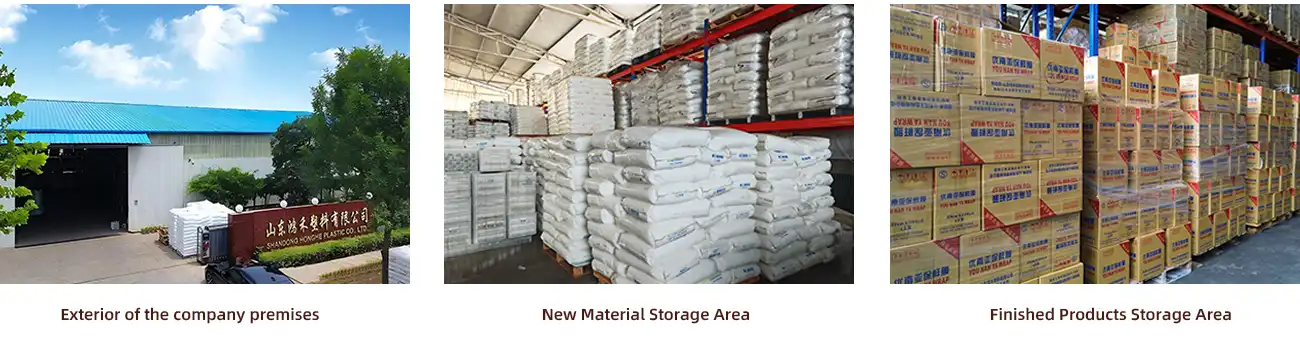
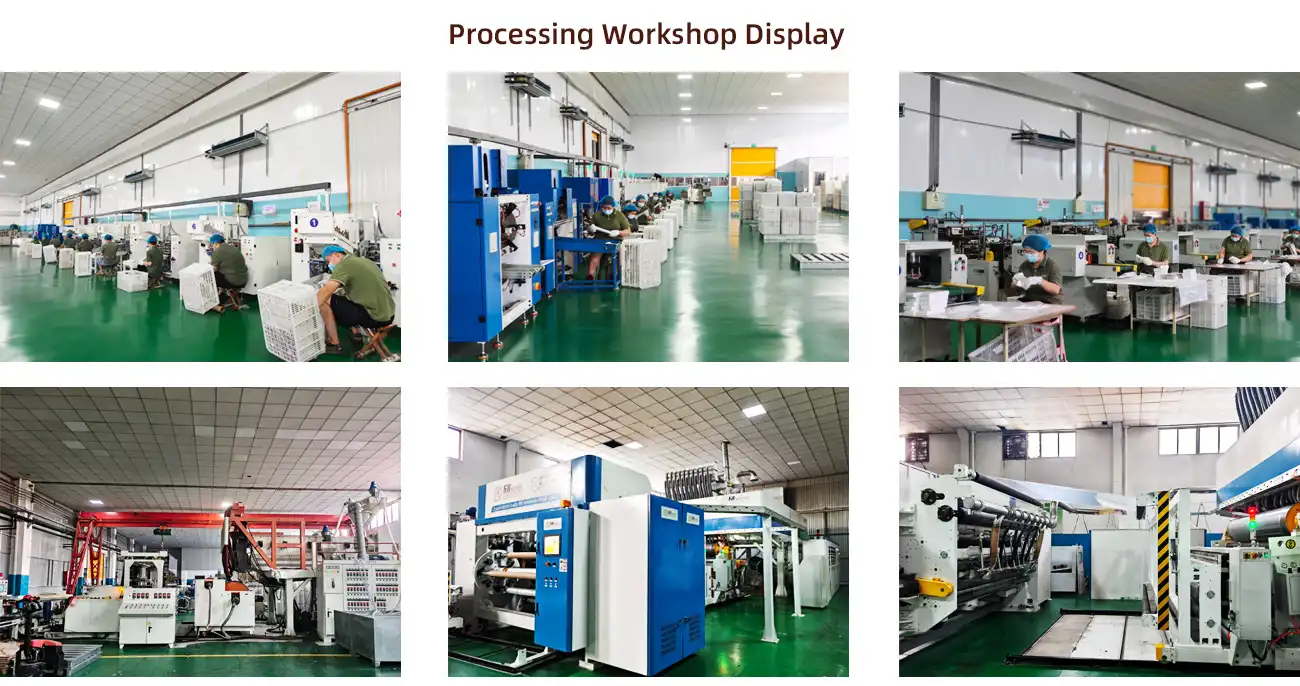
To build long-term relationships with dependable providers, you need to do a lot of research on a lot of different performance aspects. Certifications are a basic form of guarantee, but practical skills are what really show if providers can meet tight shipping deadlines and inventory needs. Lead times and freight prices are affected by how close a factory is to big ports like Qingdao. This is especially important for North American buyers who use just-in-time inventory systems. Suppliers who offer 24-hour customer service after the sale, open return policies, and quick sample delivery show that they care about their customers, which lowers the risk of buying. Modern production tools and organized workshops show that the company can consistently produce high-quality goods and can grow to meet rising demand as relationships strengthen.
Customization and Value-Added Services
OEM and ODM manufacturing skills let brands stand out by offering customized printing services that put product information, care directions, and legal requirements right on the packaging. Custom thickness specs, width setups, and core diameter choices make sure that the product works well with current tools and workflows. When you want to customize something, most suppliers require 30-45 days of wait time and a minimum order quantity of 3,000 kg. However, the investment pays off in a busy market. Sample supply lets you test the quality in real-world operations before making large purchases. This lowers the risk of performance problems that could throw off production plans and hurt relationships with suppliers.
Practical Recommendations and Decision Support for Commercial Buyers
Aligning Format Choice with Industry Requirements
Different industries have different package needs that are best met by certain film types. Fresh meat producers can use roll forms made from high-quality PVC Cling Film Roll that stops metmyoglobin from forming and keeps the colors looking good. Large-scale caterers that serve hotels and institutions put a high value on rolls because they don't tear easily when covering containers with sharp edges. Rolls are used by supermarket companies with a wide range of products to package deli items, baked goods, and ready-to-eat foods in-house, so the presentation is the same in all of their sites. Sheets are often preferred by medical and lab institutions that handle sample storage because they are accurate and easy to keep track of in controlled environments.
Regulatory Compliance and Sustainability Trends
Recent changes to policies in the US and EU put more emphasis on sustainable packing options and the ideas behind the cycle economy. Purchasing managers are under more and more pressure to find things that are safe for food and don't hurt the earth. Adipate plasticizers are used in PVC formulas to make them comply with FDA and EU migration limits without affecting the performance qualities. Suppliers who show they are committed to sustainable buying by having verified licenses and open supply chain practices become partners that buyers want to work with. New developments in bio-based chemicals and polymeric plasticizers offer better sustainability profiles, but most of these products won't be widely available for another two to three years.
Emerging Technologies and Future Outlook
Digital printing now makes it possible to print small runs of custom graphics on PVC Cling Film Rolls. This can help with marketing campaigns and holiday branding without having to pay a lot of money for setup or buy a lot of rolls at once. Antimicrobial additives added to film formulations keep germs from growing on surfaces that come into touch with the film, which extends its shelf life. This is especially useful for products that are sent through long distribution routes. Modern production methods make the thickness more uniform and lower the number of defects, which makes the product more compatible with fast automatic equipment. These new technologies have made cling film more useful than just a way to hold things. They have turned packing into active preservation systems that improve product quality and cut down on waste.
Conclusion
If you want to choose between PVC Cling Film Roll and sheet forms, you need to carefully think about your working scale, application type, and long-term business goals. Rolls have clear benefits in high-volume business settings where cost-effectiveness, continuous wrapping, and the ability to work with automated equipment are important factors in purchasing choices. Sheets are used for specific tasks that need accuracy, control over portions, and easy handling without removing infrastructure. When procurement managers find good suppliers with a wide range of certifications, the ability to customize products, and a stable supply chain, they can form partnerships that provide long-term benefits that go beyond the initial buy price.
FAQ
Is PVC Cling Film Roll safe for direct food contact in meat processing?
When plasticizers don't move too far, PVC Cling Film Roll made to FDA CFR 21 175.300 and EU Regulation No 10/2011 standards is safe to touch food directly. To make sure they meet food safety standards, modern formulas don't use dangerous phthalates but instead use adipates like DEHA. The material lets a lot of air through, which makes it perfect for fresh red meat because it keeps the meat from turning brown and keeps germs out.
What operational advantages do rolls offer compared to sheets?
Rolls have a continuous length that keeps materials from having to be changed often. This cuts down on work costs and speeds up high-volume processes. They work perfectly with automatic wrapping machines, which lets them wrap more than 60 items per minute. When monthly usage goes over 500 kg, the format costs 30-45% less per meter than sheets, making rolls the most cost-effective choice for large-scale business uses.
How should we handle cling film to maximize shelf life?
Rolls should be stored upright in climate-controlled buildings that stay between 15 and 25°C and have a relative humidity below 60%. Stay out of direct sunlight, which breaks down things and turns them yellow. When stored in these settings for 12 to 24 months, high-quality products with the right stabilizers keep their performance properties. Sheets need to be stored in the same way, with care taken to keep wetness from getting into the cardboard interleaving and destroying the material.
Partner with Shandong Honghe Plastics for Superior PVC Cling Film Solutions
Shandong Honghe Plastics Co., Ltd. delivers reliable PVC Cling Film Roll solutions backed by comprehensive certifications including ISO, CE, FDA, BSCI, and WCA credentials. Located near Qingdao port with advanced production equipment and standardized workshops, we ensure stable supply and on-time delivery that meets demanding B2B procurement requirements. Our customization capabilities support OEM and ODM manufacturing with free samples available upon request, allowing you to verify quality under actual operating conditions before committing to bulk orders. As an established PVC Cling Film Roll manufacturer since 2017, we provide competitive pricing, ample inventory, and 24-hour after-sales service that builds lasting partnerships. Contact tony@sdhhsl.com today to discuss your specific packaging needs and discover how our premium-grade PVC solutions enhance operational efficiency across food packaging, cold storage, and commercial catering applications.
References
1. Robertson, Gordon L. Food Packaging: Principles and Practice, 3rd Edition. CRC Press, 2012.
2. Marsh, Kenneth and Betty Bugusu. "Food Packaging—Roles, Materials, and Environmental Issues." Journal of Food Science, Vol. 72, No. 3, 2007.
3. Yam, Kit L. The Wiley Encyclopedia of Packaging Technology, 3rd Edition. John Wiley & Sons, 2009.
4. Selke, Susan E.M., John D. Culter, and Ruben J. Hernandez. Plastics Packaging: Properties, Processing, Applications, and Regulations, 3rd Edition. Hanser Publications, 2015.
5. European Food Safety Authority. "Scientific Opinion on the Safety Evaluation of Plasticisers for Food Contact Materials." EFSA Journal, 2015.
6. Giles, Harold F., John R. Wagner, and Eldridge M. Mount. Extrusion: The Definitive Processing Guide and Handbook, 2nd Edition. William Andrew Publishing, 2014.