


_1750233969309.png)
Machine Grade vs Hand Wrap Cling Film: Key Differences
It is very important to know the difference between Machine Grade cling film and hand wrap cling film when choosing packing materials for commercial use. Machine Grade cling film is made to work with high-speed automatic wrapping machines like those found in food processing plants, grocery distribution centers, and logistics warehouses. It keeps working well even when it's under a lot of mechanical stress. Hand wrap types, on the other hand, are designed to be used by hand. They are flexible for smaller-scale operations but don't have the accuracy and sturdiness needed for automated systems. This basic difference goes beyond how the film is applied and includes how the material is made, how well it performs, and how cost-effective it is. Picking between these two film types is a strategic buying decision that has a direct effect on business productivity and bottom-line results.
Understanding Machine Grade and Hand Wrap Cling Films
Core Material Composition
The way these films are put together shows what they were meant to do. Machine Grade cling film versions are made with improved resin mixes, usually high-quality PVC or polyolefin, that are designed to handle the changes in temperature and stress caused by automatic machinery. The exact thickness control of these films, which is usually between 10 and 14 microns, and the gauge difference is kept below 5% to make sure that the sealing is even during the heating and cutting stages.
Even though hand wrap films are also made of PVC or polyethylene, they focus more on being easy to grip and stretch by hand than on being mechanically consistent. Different amounts of slip additives are in the material. Machine Grade cling film requires certain friction coefficients to slide easily through rollers while keeping its inner-layer cling, while manual films need a higher surface tack to stick right away when they are applied by hand.
Operational Design Differences
High-throughput packaging settings depend on Machine Grade cling film to keep things running smoothly. People often use these films in places like food packing, refrigeration, food service, and centralized processing, where speed and regularity are important for making money. The film is wound with a lot more strain around bigger cores, which are usually longer than 1500 meters.
This reduces the number of times that automatic wrappers have to change the film. Hand wrap options come in shorter rolls, usually 300 to 500 meters, that are made to be easier to handle. This means that workers can carry and hand out film without getting tired. When figuring out the total cost of ownership, this difference is important. Machine Grade cling film costs more per unit, but its longer run times and lower work needs often make them more cost-effective in high-volume situations.
Key Performance Differences: Machine Grade vs Hand Wrap Cling Film
Tensile Strength and Elasticity
Performance measures make it clear which of these product groups is which. According to ASTM D882 testing guidelines, Machine Grade cling films have very high stretch at break, usually reaching 200 to 400%. This feature lets the film stretch tightly over a variety of product forms while keeping a "drum-tight" tension that keeps it from coming loose during shipping.
The material's memory lets it return to its original shape after being stretched. This creates safe load stability, which lowers reports of product damage. Hand wrap films are strong enough to be used by hand—they can usually stretch 150 to 250%—but how well they work depends a lot on how the film is applied and how fast it is applied. When wrapping things by hand, uneven stress can lead to loose packaging that doesn't cover the product well or too much film use that drives up costs.
Compatibility and Efficiency Gains
Automated packing systems need films with certain properties. Machine Grade cling films can be fully customized to meet the needs of each client and are set for specific types of equipment like Ishida, Digi, Ulma, and Omori weigh-wrappers. The film can survive strong mechanical forces like high-speed tension, fast heating-cutting cycles, and elevator stretching mechanisms that would break or jam regular hand wrap films.
These traits of flexibility directly lead to better operations. When used on the right tools, Machine Grade cling film can handle more than 30 packages per minute with little downtime. Hand-wrapping, on the other hand, only handles 5 to 10 packages per minute per person. The difference in labor costs gets big as operations get bigger. For businesses with steady, high-volume demand, Machine Grade cling film is the most cost-effective option.
Environmental and Food Safety Considerations
Regulatory Compliance Requirements
Food safety standards have strict rules about the things that can come into touch with food. Machine Grade cling films used in food preparation usually have FDA 21 CFR licenses or meet EU Regulation 10/2011 requirements, which make sure that plasticizers and additives don't get into food products in amounts that are above what is safe. In some situations, standard PVC formulations may spread plasticizers, which makes this compliance even more important when packing fatty foods.
These problems can be fixed with specialized versions that use polymeric non-migratory plasticizers or polyethylene materials. These versions keep the mechanical performance though. Hand wrap films made for homes might not go through the same strict migration tests, which means they can't be used for business food packaging where regulatory paperwork is needed during health checks or supply chain reports.
Sustainability Initiatives
As companies try to meet customer demands and live up to their business responsibility promises, environmental concerns are becoming more and more important in their buying choices. Traditional cling films are made from plastics that come from petroleum, but suppliers have been coming up with new materials and environmentally friendly options because of demand. Now there are biodegradable Machine Grade cling films on the market that are made with green materials or are made for industrial composting. These options may not work quite as well as regular films, though.
Procurement workers have to find a mix between environmental concerns and realistic needs. They have to make sure that eco-friendly choices still meet the necessary standards for tensile strength, sealing temperature compatibility, and shelf life protection. How the waste is thrown away is also important. Places that have access to plastic recycling infrastructure can choose film grades that can be recycled, while places that don't have access to such infrastructure might choose thinner gauges to reduce the amount of waste that ends up in landfills.
Procurement Insights: Selecting and Sourcing Cling Film
Supplier Evaluation Criteria
Getting cling film effectively depends on building relationships with trusted suppliers. Before choosing a producer of Machine Grade cling film, you should carefully look at their production skills and quality control systems. Suppliers who have ISO certifications, CE approvals, and BSCI or WCA qualifications show that they are dedicated to fair manufacturing and consistent quality. Another important differentiator is the ability to tailor films to specific machines.
Suppliers should offer expert advice to match film properties with equipment specs, which will avoid costly operating interruptions. Samples are available for free from reputable sources, which lets procurement teams test the film on-site before placing large orders. This confirms that the film works well in real production circumstances. During this part of testing, the quality of the seal, optical clarity, uniformity of cling, and ability to work with current wrapping tools are usually checked.
Cost Analysis and Bulk Purchasing
To compare prices between Machine Grade cling film and hand wrap choices, you need to look at more than just the unit price. Machine Grade cling film costs more per kilogram, but they save money in the long run because they require less work, can be packaged faster, and waste less material because they can be precisely controlled in thickness. Buying in bulk can save you money, especially for businesses with stable demand trends that can commit to bigger orders.
When procurement managers talk to sellers, they should be clear about lead times, minimum order amounts, payment terms, and how logistics will work. Facilities near major ports benefit from having suppliers that are carefully placed for efficient distribution. For example, makers close to transportation hubs can offer cheap freight rates and reliable delivery schedules. A big part of the market is made up of shipping and packing companies that need stable supplies. This means that suppliers' inventory levels and production options are very important when evaluating them.
Practical Guidance: How to Choose Between Machine Grade and Hand Wrap Cling Film
Operational Assessment
Before you can choose the right film type, you need to be honest about the operating factors. Machine Grade cling film works well in automated large-scale operations where the amount of packing makes it worth buying wrapping equipment and where consistent quality directly affects customer happiness. Machine Grade cling film is most useful for industrial businesses, catering businesses, food processing plants, supermarket chains, and medical facilities with centralized packing processes.
Buying and supply chain managers who put practical efficiency first and can figure out the return on investment from automating packing are common in these types of businesses. Hand wrap cling film is still a good choice for businesses that need to package different things at different times, have a lot of small-batch products, or have multiple packing sites that are spread out and need to be flexible more than fast.
Decision Framework
Structured review factors are helpful for people who work in procurement. Machine Grade cling films work best in places where speed and consistency are important, but the cost of the initial tools can be a problem for smaller businesses. When packaging more than 100 units per day, automation is usually the better choice when you weigh the initial cost of capital against the continued cost saves. Hand wrap options require less initial investment and are more flexible, but they come with higher changeable costs like more work hours and the chance of material waste from not applying them correctly every time. Choosing the right film is often based on food safety rules.
Facilities that package ready-to-eat foods or items that need to be stored in a modified atmosphere must focus on films with the right approvals and barrier qualities. To find the best time to switch from manual to automated packing, procurement teams that care about costs should run simulations of different projected volume ranges. These simulations should take into account equipment wear and tear, labor rates, material costs, and waste percentages.

Conclusion
There are big differences between Machine Grade cling film and hand wrap cling films that go beyond how they are applied. These differences include how the materials are made, how well they work, how well they comply with regulations, and how much they cost. For high-volume automated processes, Machine Grade cling film offers better stability, speed, and load safety. Hand wrap films, on the other hand, give you more options for manual packing situations.
Buying choices should take into account the size of the business, the infrastructure needed for tools, the need for food safety, and the goal of being environmentally friendly. To make a good choice, you need to look at the qualifications of the seller, test the product on-site, and figure out the total cost of ownership, which is more than just the unit price. As environmental rules get stricter and packing technology changes, working with knowledgeable providers becomes more important to stay ahead of the competition.
FAQ
Can machine grade cling film be used manually if needed?
Machine Grade cling film is designed to be used with automatic machines and doesn't work well when applied by hand, even though it is technically possible. Because of the way the film slips, it's hard to control by hand, and the high-tension winding on big cores makes it hard to work comfortably. When applied by hand, there is often too much waste and uneven covering. Businesses that need to manually wrap things sometimes should keep a separate stock of hand wraps.
How do I determine the correct film thickness for my application?
The thickness you choose relies on the weight of the product, the specs of the wrapping machine, and how stable the load needs to be. 10–12 micron films may be enough for lighter items like veggies, while 12–14 micron gauges are better for heavy items like meat trays or food with sharp ends. Before buying in bulk, check with the maker of your equipment to see what they suggest and ask your Machine Grade cling film supplier to test a sample to make sure it works well.
Do biodegradable machine grade films match conventional film performance?
Biodegradable versions have come a long way, but they may have a few small differences. Some bio-based films have similar tensile strength and elasticity, but they need to be sealed at different temperatures or stored in different ways. Performance differences usually show up in places with high temperatures or where things need to last a long time. Before switching from regular films to biodegradable ones in production setups, they need to be tested in real-world situations.
Partner with Shandong Honghe Plastics for Your Packaging Solutions
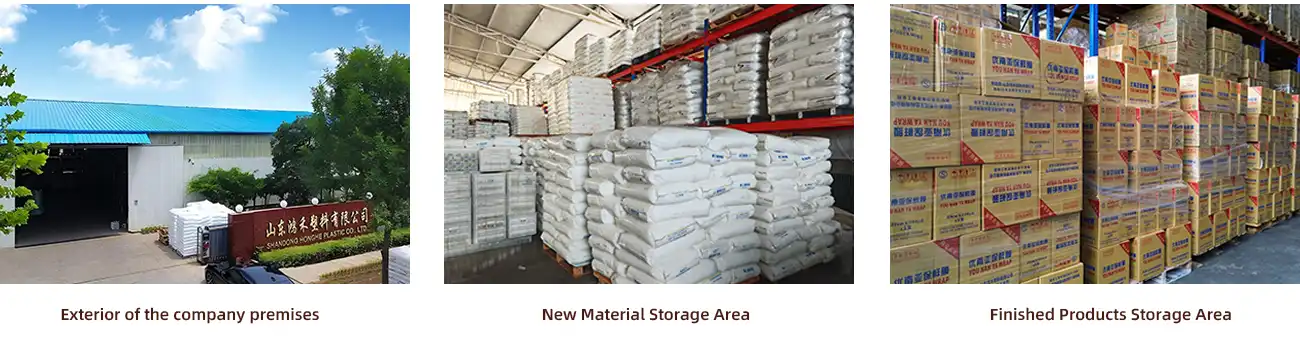
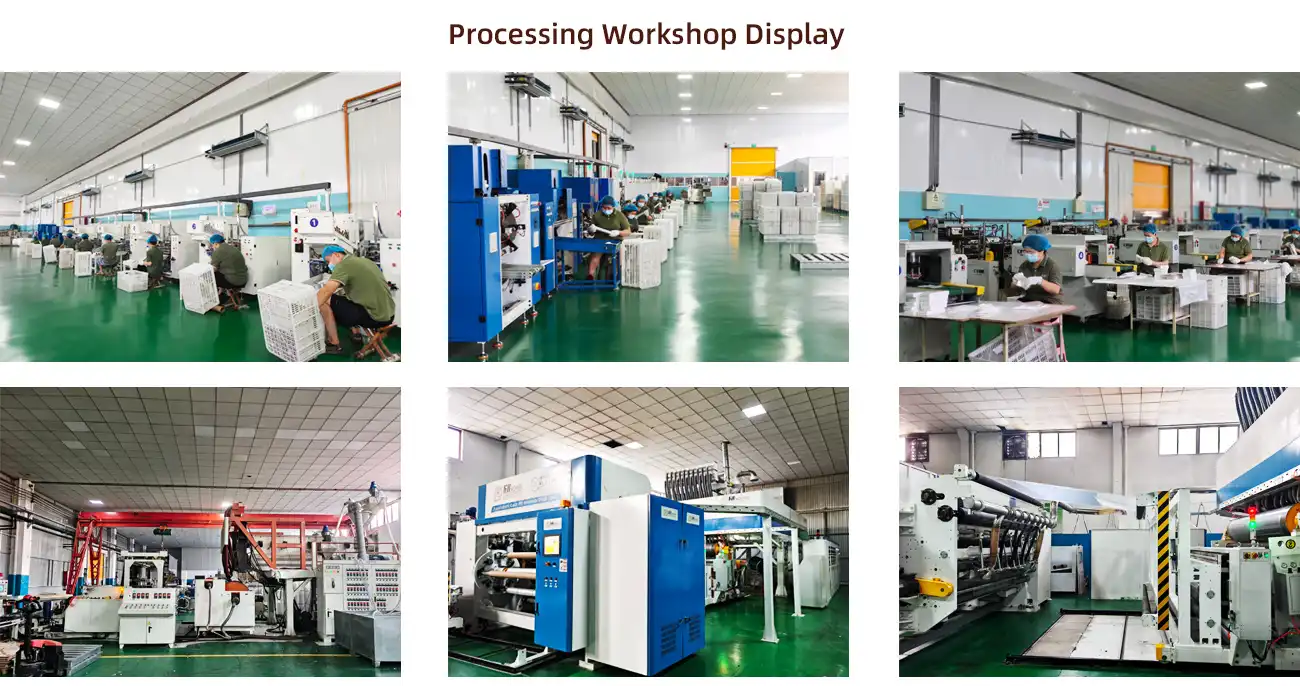
Shandong Honghe Plastics Co., Ltd. makes high-quality Machine Grade cling film that is designed to work with a wide range of automatic wrapping systems used in supermarkets, food processing, and transportation. Since we started in 2017, we've put a lot of high-tech production equipment in our building near the port of Qingdao. This equipment gives us exact control over the thickness of our films, better resistance to punctures, and consistent runnability on high-speed packing lines.
With ISO, CE, and FDA certifications, our goods meet international quality standards. This helps buying managers and supply chain workers worry less about food safety and following the rules. We offer fully customizable film specs that are made to fit your equipment and application needs. We also offer free samples for on-site validation and cheap bulk pricing that makes the most of your packaging dollars. Email our technical team at tony@sdhhsl.com to talk about your specific needs and find out how working with an expert Machine Grade cling film provider can help your business run more smoothly and protect your products.
References
1. Johnson, M. & Williams, R. (2021). Industrial Packaging Materials: Performance Standards and Selection Criteria. Food Processing Technology Institute Press.
2. American Society for Testing and Materials. (2022). ASTM D882-18: Standard Test Method for Tensile Properties of Thin Plastic Sheeting. ASTM International Standards.
3. European Commission. (2021). Regulation (EU) No 10/2011: Plastic Materials and Articles Intended to Contact Food. Official Journal of the European Union.
4. Thompson, L. (2020). "Automated vs Manual Packaging: Cost-Benefit Analysis for Food Processing Operations." Journal of Supply Chain Management, 45(3), 112-129.
5. Peterson, K. & Anderson, D. (2023). Sustainable Packaging Solutions: Environmental Impact Assessment of Film Technologies. International Packaging Research Consortium.
6. United States Food and Drug Administration. (2022). Code of Federal Regulations Title 21: Food Contact Substances. U.S. Government Publishing Office.