


_1750233969309.png)
PVC Plastic Wrap: A Complete Guide for Food Packaging Buyers
When looking for effective ways to package foods that go bad quickly, it's important to know the technical details and real-world uses of different materials. PVC Plastic Wrap is a special kind of food contact film made to help corporate buyers, catering businesses, and supermarket groups with important food preservation issues. This guide helps buying managers make choices that are cost-effective, legal, and operationally efficient in today's competitive B2B market by explaining the ins and outs of plasticized polyvinyl chloride films.
Understanding PVC Plastic Wrap: Properties and Benefits
What Distinguishes PVC Film in Commercial Applications?
Certain ingredients, usually adipate-based plasticizers like DEHA or DOA, are added to plasticized polyvinyl chloride film to make it very flexible and stick to itself. Through molecular engineering, a material is made that is very different from polyethylene options. The special makeup of the film makes it stick better without using heat binding tools, which directly lowers costs in places where a lot of packages need to be sent out. Made from long-lasting PVC, these films keep working well even when they are stored at controlled temperatures or displayed in stores.
Optical Clarity and Product Presentation Advantages
At store checkpoints, consumers' choices about what to buy are directly affected by how clear the cling film is. Premium versions have haze levels below 1.5% and gloss levels above 90 gloss units, which makes sure that packed goods look good throughout the marketing process. This clarity is especially helpful for grocery stores that sell fresh meat and vegetables because buyers judge the quality of what they see. The high tensile yield strength of the material lets it spread tightly over uneven surfaces while keeping its visual integrity. This solves the problem of packaging that is fogged or wrinkled and makes it hard to see the product inside.
Barrier Performance and Shelf Life Extension
The managed oxygen transfer rate, which is usually between 10,000 and 16,000 cc/m³/24h, helps keep fresh meat fresh in a biological way. This amount of permeability makes it easier for oxygen to reach myoglobin, which keeps the cherry-red color that people associate with freshness and stops metmyoglobin from turning brown too soon. At the same time, the balanced water vapor transfer rate controls the amount of wetness, stopping both drying out and too much condensation, which speeds up the spoilage process. Businesses that process food benefit from longer shelf lives, which lowers waste-related costs that have a big effect on cold-chain transportation profits.
Regulatory Compliance and Safety Standards
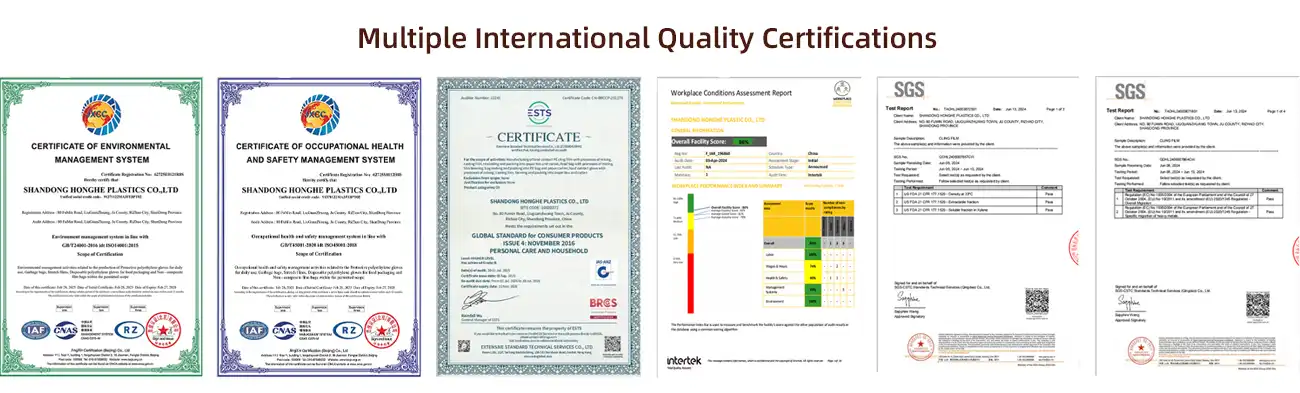
Certified food-grade versions follow FDA 21 CFR 175.300 rules in the US and EU Regulation No 10/2011 rules around the world. These certifications show that the general migration limits and individual migration limits for plasticizers stay within safe limits when they are used as designed. Purchasing managers who are in charge of vetting suppliers should check independent testing records that show suppliers meet food contact standards. Customers can choose from different customization options, such as thickness requirements, roll sizes, and anti-fog treatments. All of these options are made using quality systems that have been approved by ISO standards.
Applications and Industry Use Cases of PVC Plastic Wrap
Fresh Protein Packaging in Retail Environments
Automated wrapping systems in store meat areas depend on films that can be used at high speeds without tearing or puncturing. The material's flexibility lets it fit around bone protrusions and uneven cuts, and it seals tightly around styrofoam and PET boxes to keep air out. Case studies from major grocery chains show that switching from films that don't work as well to the right PVC Plastic Wrap versions can cut shrink losses by 15 to 20 percent. This application is the most popular one among B2B buyers who want solid supply relationships and uniform quality standards.
High-Respiration Produce and Prepared Foods
Mushrooms, broccoli, and leafy greens produce a lot of respiration heat and ethylene gas while they are being stored. If there isn't enough gas exchange, these foods will break down faster. The film's structure lets air pass through it, which stops anaerobic bacteria from growing and controls the temperature inside, giving these hard-to-sell products longer shelf lives. This material is used by central kitchens that serve catering businesses to cover ready-made items in a variety of containers, such as stainless steel gastronorm pans and ceramic serving dishes. Because it can be used for food packing, refrigeration, food service, and at home, this flexibility makes it easier for logistics and packaging companies to keep track of their supplies.
Industrial Food Processing Applications
Packaging materials that work well with current tools and follow strict safety rules are needed by food processing companies that do large production runs. The superior cling makes it easy to cover quickly during the prep stages. This keeps production batches from getting dirty and keeps smells from spreading in shared refrigerator spaces. Operations managers like the increased efficiency because workers don't have to spend as much time dealing with films that don't stick well or need to be applied more than once or with extra security methods. To keep production plans running smoothly, it's important to make bulk purchases from sellers who offer enough inventory and on-time delivery.
How to Choose the Right PVC Plastic Wrap for Your Business?
Thickness Specifications and Performance Matching
Film gauge usually falls between 9 and 18 microns. Thickner versions offer better puncture protection for bone-in things or items with sharp edges. Thinner films lower the cost of materials per package, but they need to be carefully matched to the needs of the application to avoid failure rates that cancel out the savings. Before committing to big orders, procurement managers should try sample materials of all the products they want to buy in a controlled environment. Reliable makers offer free sample services that make this validation process possible without putting your money at risk. This lets you compare mechanical stress performance directly in real-world working conditions.
Certification Requirements and Documentation
Checking compliance documents should include more than just simple food contact approvals. It should also include transfer testing that is specific to the application that is being planned. Products that come into touch with high-fat foods need low-migration formulas to stop lipophilic plasticizers from moving. Medical and lab facilities that need to buy clean packages need to make sure that the biocompatibility and particle contamination levels are confirmed further. When supply chain managers form long-term partnerships with suppliers, they should check their quality management systems to make sure that batch tracking and sample keeping plans are in place in case the government starts to look into the company.
Cost-Effectiveness Analysis for Bulk Purchasing
The way wholesale prices are set depends a lot on how much you buy, with real discounts usually starting at pallet amounts. The total cost of ownership should be included in the estimate. This includes freight, the cost of keeping goods, and the waste that could happen if the film fails or goes bad. Standardizing on flexible specs that can be used in a wide range of situations is good for logistics and packing companies that have many clients. This cuts down on the number of SKUs that are needed. Talking about payment plans, consignment inventory arrangements, and volume commitment rates that match the level of trust in demand forecasts are all part of negotiating good terms.
Environmental Considerations and Alternative Materials
As interest in sustainable sourcing grows, traits that make something recyclable and its environmental effects over its whole life cycle are studied. Many city recycling systems have trouble with standard PVC formulations, but some makers now make bio-attributed or phthalate-free options that solve these problems. Polyethylene films can be used instead, but they have different performance qualities that mean equipment and process changes are needed. Corporate responsibility goals are becoming more and more important in buying choices. Companies have to balance their environmental impact with the needs of their operations and their budgets.
Procurement Strategies for PVC Plastic Wrap in B2B Markets
Supplier Qualification and Credibility Verification
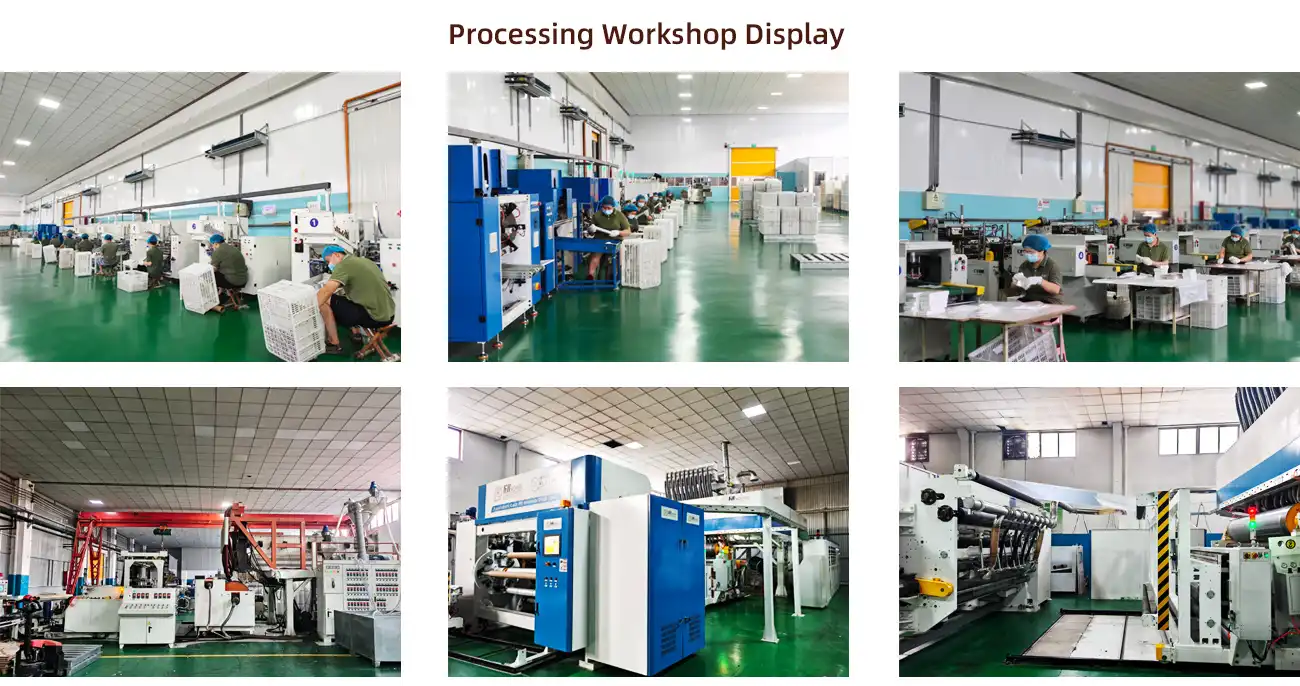
Finding reliable PVC Plastic Wrap suppliers takes more than just looking at price quotes. You need to examine production capabilities, quality consistency, and business stability for PVC Plastic Wrap. Factory audits should verify advanced production equipment operation, standardized workshop organization, and rigorous quality control measures for PVC Plastic Wrap. Certifications including BSCI and WCA demonstrate commitment to social compliance and working conditions, reducing supply chain risk for companies with corporate governance requirements. Logistics costs and transport reliability for international PVC Plastic Wrap purchases are influenced by proximity to major shipping infrastructure, such as facilities near Qingdao port.
Strategic Sourcing for the US Market
American buyers give more weight to providers who can show they know how to follow FDA rules and keep enough inventory to meet just-in-time shipping standards. During the early stages of a relationship, it helps to build trust by responding quickly to questions about specifications and having flexible return and swap policies. There are many ways to communicate, and industry trade shows, business-to-business sites, and direct sales relationships are just a few of them. Going to a trade show lets you look at materials in person and build relationships with other people, while digital platforms let you compare more suppliers and find clear prices.
Custom Printing and Branding Opportunities
Custom printed films make store branding stronger and help prove the authenticity of a product in places where faking is a problem. There are big differences between sellers when it comes to the minimum order numbers for printing. Some offer cheap runs that start with small quantities. During the bidding process, it should be made clear what kind of artwork is needed, how colors should match, and what kind of register tolerances are okay for the job. When operations managers are in charge of marketing campaigns, they need suppliers with reliable wait times and staging options that make sure that material supply and marketing launch dates are in sync.
Building Long-Term Supply Partnerships
Stable supply partnerships offer more than just transactional price. They allow for preferred allocation during shortages that affect the whole industry, joint problem-solving when application problems appear, and investment in custom solutions that meet the specific needs of operations. Purchasing managers should set clear rules for communication, regular review schedules for the business, and shared performance measures that keep track of delivery accuracy, quality consistency, and response. These actions change relationships with suppliers from buying and selling things to smart partnerships that help a business gain a competitive edge.
Best Practices: Using and Storing PVC Plastic Wrap
Effective Application Techniques for Different Food Types
The right way to seal PVC Plastic Wrap depends on the goods and the purpose of the package. Stretching PVC Plastic Wrap during application activates its cling properties and eliminates excess air that accelerates spoilage. Overlapping the edges by approximately one inch maintains seal integrity during handling and temperature fluctuations. For high-moisture products, allowing slight PVC Plastic Wrap contact with product sides prevents condensation buildup between the package and wrap. Training warehouse managers and line workers in these PVC Plastic Wrap techniques reduces waste and ensures consistent packaging quality across all applications.
Storage Conditions and Shelf Life Management
Film rolls can be kept on the shelf for 12 to 24 months if they are kept between 15°C and 25°C and out of direct sunlight and heat sources. Extreme temperatures hurt performance. For example, heat makes plasticizers leak out, which makes surfaces oily and lowers grip, while cold makes things more fragile and likely to crack. The temperature and humidity in warehouses should stay the same, and roll storage should be set up so that it's easy for items to be rotated first-in, first-out. When purchasing managers are in charge of bulk orders, they should make sure that shipping times are in line with usage rates. This way, there won't be too much inventory on hand, which could cause quality to decline over time.
Contamination Prevention and Handling Protocols
Cross-contamination risks that threaten food safety can be avoided by keeping the area clean while film is being used. Guards should be built into dispensing systems so that products don't touch roll surfaces, and workers should wash their hands before touching film. Between uses, rolls that are only partly used should be kept away from dust and splashes that could make them dirty. Companies that handle food and use HACCP should include handling films in their critical control point documentation. They should also have clear routines and activities to make sure they are followed consistently.
Environmental Impact and Recycling Considerations
As companies make more promises to being environmentally friendly, the environmental impact of packaging materials becomes a bigger factor in their purchasing choices. Many places still don't have enough mechanical recycling equipment for PVC Plastic Wrap, but some suppliers have take-back programs or work with specialized recyclers to help with the process. When performance allows, reducing the thickness of the film lowers the amount of material used per package. This leads to measured waste reduction in high-volume processes. Instead of just looking at how recyclable something is, environmental options should be judged based on their whole life cycle, including the energy used to make it, the effects on transportation, and the ways it can be thrown away at the end of its useful life.
Conclusion
To choose the right PVC Plastic Wrap for food packaging, you have to balance technical performance, regulatory compliance, cost-effectiveness, and environmental considerations. The unique properties of plasticized PVC Plastic Wrap make them valuable for preserving fresh proteins, high-respiration produce, and ready-to-eat foods where alternative materials fall short. Successful PVC Plastic Wrap sourcing strategies focus on supplier qualification, comprehensive testing protocols, and long-term partnerships rather than transactional purchasing. As sustainability expectations evolve, buyers must continuously evaluate PVC Plastic Wrap against emerging alternatives while maintaining food safety and quality standards. This comprehensive knowledge empowers procurement managers, supply chain leaders, and operations executives to make informed decisions balancing short-term operational needs with long-term business objectives.
FAQ
How does this material differ from polyethylene cling film?
Molecular structure and the behavioral traits that come from it are what make them different. These films made of polyvinyl chloride stick to themselves much better than other films, so you don't always need heat binding tools. Because it lets more air through, it's perfect for packing fresh meat, where keeping the color depends on controlling gas exchange. Polyethylene options let less air through, which makes them better for storing frozen foods or things that don't need to breathe. There are also big differences in clarity and stretch recovery. For store display, PVC Plastic Wrap versions usually have better optical qualities.
What safety considerations apply to food contact applications?
Certified food-grade versions go through a lot of movement testing to make sure that the plasticizers and chemicals stay within the legal limits while they are being used. Buyers should ask for proof that the product meets FDA 21 CFR 175.300 or similar foreign standards. Lipophilic plasticizers can move into fatty foods, so low-migration formulas are needed when they come into direct touch with pure fats or oils. Standard varieties shouldn't be heated in a microwave, especially when cooking foods high in fat, because they move around more quickly at high temperatures. These safety issues can be solved by checking the supplier's licensing and asking for testing records that are specific to each batch.
How can buyers verify supplier quality consistency?
Manufacturers with a good reputation keep quality management systems that are written down and include batch tracking, retention sample programs, and statistical process control monitoring. By asking for certificates of analysis for particular production lots, you can check the results of migration tests, thickness consistency, and mechanical qualities. Regular checking of accepted materials by a third party ensures ongoing compliance. Audits of supplier facilities should look at methods for inspecting finished goods, programs for maintaining equipment, and ways to make sure that raw materials are safe to use. Long-term relationships with clear quality paperwork are more reliable than buying on the spot from sources you can't trust.
Partner with Shandong Honghe Plastics Co.,Ltd. for Certified Packaging Solutions
When procurement teams need trusted cling film suppliers, they should work with makers who can show that they can produce the film and have a full portfolio of certifications. Shandong Honghe Plastics Co.,Ltd. was founded in 2017 and has modern production facilities close to the Qingdao port. The city's transportation system makes it easy for the company to handle supplies. Our methods for quality management keep their ISO, CE, and FDA certifications, and BSCI and WCA validations show that they meet social compliance standards.
We can customize based on what the customer wants, from the width to the size of the roll, and we offer a free sample service for application proof testing. A large inventory provides a steady supply that meets the needs of just-in-time shipping, and cheap pricing systems allow for buying in bulk. Get in touch with tony@sdhhsl.com to talk to our technical team about your unique needs, ask for product samples, or get full quotes for your sourcing review. Find out how our OEM and ODM services, along with our 24-hour after-sales service, help long-term relationship success.
References
1. Marsh, K., & Bugusu, B. (2007). Food Packaging—Roles, Materials, and Environmental Issues. Journal of Food Science, 72(3), R39-R55.
2. Robertson, G.L. (2016). Food Packaging: Principles and Practice (3rd Edition). CRC Press, Boca Raton, Florida.
3. Yam, K.L., Takhistov, P.T., & Miltz, J. (2005). Intelligent Packaging: Concepts and Applications. Journal of Food Science, 70(1), R1-R10.
4. Siracusa, V., Rocculi, P., Romani, S., & Rosa, M.D. (2008). Biodegradable Polymers for Food Packaging: A Review. Trends in Food Science & Technology, 19(12), 634-643.
5. Coles, R., McDowell, D., & Kirwan, M.J. (2003). Food Packaging Technology. Blackwell Publishing, Oxford, United Kingdom.
6. Han, J.H. (2005). Innovations in Food Packaging. Academic Press, London, United Kingdom.