



Microwave Safe Cling Wrap Uses in Food Storage and Reheating Safety
Selecting the right Cling Wrap For Microwave is a critical decision for procurement managers overseeing food processing facilities, commercial kitchens, and catering operations. Microwave-safe cling wrap serves as a protective barrier during reheating cycles, preventing splatter contamination while preserving moisture content and ensuring food safety compliance. This specialized film differs significantly from standard packaging materials through its superior thermal stability, controlled migration properties, and adherence to FDA 21 CFR 177.1520 standards. Understanding these technical distinctions empowers purchasing professionals to source products that reduce operational risks, enhance workflow efficiency, and meet stringent regulatory requirements in industrial food environments.
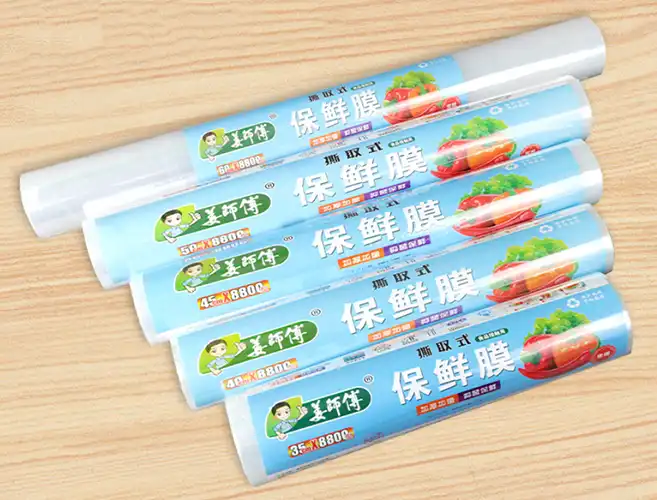
Understanding Microwave Safe Cling Wrap: Composition and Safety Standards
Material Composition and Thermal Performance
Low-density polyethylene (LDPE) or polyvinylidene chloride (PVDC) are used to make professional-grade microwave wraps because they are good at resisting dielectric heating. Commercial food-grade polyethylene films stay structurally sound at temperatures ranging from -40°C to 120°C, while household PVC films may contain harmful plasticizers like DEHP. This thermal stability stops the terrible things that happen with cheap products, like melting, shrinking, or chemical breakdown when they are heated up again.
Because of the way its molecules are structured, LDPE can withstand temperatures above 110°C, which means it can be used in standard microwave applications in business settings. Modern PVDC formulations raise this temperature limit to around 140°C, which allows for the high-temperature steam production that happens when standard pans are heated up. These materials are safe for microwaves because they are made without using plasticizers. Instead, they depend on polymer chain design to give them the flexibility and stickiness they need.
Regulatory Compliance and Safety Certifications
Teams that buy things must make sure that the sellers they work with meet international standards for food-contact materials. Shandong Honghe Plastics Co., Ltd.'s goods are certified by FDA, CE, and ISO 9001:2015, which means they meet safety standards in both the US and Europe. These certificates show that the overall migration limits (OML) were met under simulated-use testing conditions. This keeps food products from getting contaminated by substances that were added without purpose (NIAS).
Food simulants like ethanol for watery foods, acetic acid for acidic foods, and olive oil for fatty foods are used in the testing procedures to look at movement. Chemical leaching during heat processing is the biggest safety issue in business-to-business food operations. This strict testing process takes care of it. Facilities that buy approved products keep up with health standards for their customers and protect themselves from harm.
Functional Advantages in Commercial Applications
Controlled steam retention is how microwave-safe films work. They create a headspace atmosphere that speeds up heat spread while keeping the surface from drying out. When you open a good product, the water vapor transfer rate (WVTR) is just right. It keeps the moisture in and lets the air out at the same time. This stops the dangerous ballooning effect that can cause steam burns.
Surface tension engineering, not solvent-based adhesives, gives better cling properties. Seals airtight on stainless steel containers, ceramic dishes, and polypropylene gastronorm pans without leaving behind any residue thanks to this mechanical adhesion. Through ASTM D1922 testing, puncture resistance makes sure that the film can handle coming into touch with bone-in proteins and sharp container edges. This is important for keeping germs from spreading in busy kitchens.
Benefits and Practical Uses of Microwave Safe Cling Wrap in Food Storage and Reheating
Operational Efficiency in Commercial Kitchens
Quality Cling Wrap For Microwave makes it easier to reheat food, which is very helpful for businesses that handle a lot of it. When covering parts of a cooked meal to serve later, the film gets rid of the need to move the food between containers for storage and warming. This single-vessel method cuts down on labor costs, cross-contamination chances, and the amount of dishes that need to be washed. These are all measurable efficiency gains that have a direct effect on operational budgets.
The kitchen staff can see what's inside without breaking the protective seal because food-grade polyethylene is completely clear. During busy times, when speed and accuracy are key to keeping customers happy, this visibility becomes very important. Controlled steam reheating keeps the best texture in batch-cooked sauces, meats, and side foods, instead of the dry "skin" that forms when microwaves are left open.
Hygiene and Cross-Contamination Prevention
Institutional food safety rules require strong walls to stop the spread of germs. During defrosting processes, microwave-safe wrap keeps the surfaces of raw ingredients and ready-to-eat foods physically separate. More and more, health departments see film barriers as important control points in HACCP plans. This is especially true for operations that help vulnerable people in nursing homes and healthcare centers. Shandong Honghe Plastics Co., Ltd. makes food-grade PE films with smooth, non-porous surfaces that keep bacteria from sticking to them. The material doesn't let liquids through, so it doesn't get dirty when it's stacked, and its design keeps the seal intact while it's being handled. The main thing that procurement managers worry about is keeping things clean during long work shifts without sacrificing ease.
Step-by-Step Application Best Practices
When you use a product correctly, it works better and safer at the same time. When putting film over food containers to heat them up in the microwave, leave about 2 to 3 cm of space above the food. This space lets steam expand without touching hot food surfaces, which is especially important for things with a lot of sugar or fat that can boil above water's point of no return.
You can let air flow by folding back one corner about 2 to 3 cm or making small holes in it with a fork. These vents let controlled pressure out, which stops dangerous steam buildup that can bend or break the seal on the container. Do not let the wrap touch the food directly while the microwave is running. Instead, use the bottom of the container to hold the film's sides in place, making a tent-like shape. After reheating, be careful. When steam is trapped under the wrap, it can reach temperatures of more than 100°C and can burn badly if it is let out in the wrong way. Start peeling back the film from the corner with the vents. This will keep the steam away from your face and hands. All people who work with food should be taught this set of rules for how to do things properly as part of their training.
Selecting the Best Microwave Safe Cling Wrap for B2B Procurement
Critical Specification Parameters
Decisions about what to buy should be based on verified technical specs, not just the name of the brand. For commercial use, the best thickness is between 8 and 12 microns. Thinner films tear easily when they are stressed, while too much thickness lowers their cling properties and makes the material cost more than it needs to. Claims that something is "microwave safe" are not enough for certification paperwork. It needs to include specific temperature ranges. Ask the supplier to provide proof of the results of heat resistance tests, which are usually done at 140°C for 15 to 30 minutes. Less than 5% shrinkage, no melting, and maintained transparency are all examples of acceptable performance. These are objective criteria that allow comparisons between different suppliers.
The film's elongation at break specs show how well it can stretch over odd-shaped containers without breaking. Commercial-grade goods should be able to stretch at least 400%, which means they should be able to cover deep gastronorm pans and service vessels with odd shapes. This freedom cuts down on material waste because workers can cover items on the first try without having to use more than one piece.
Comparative Analysis of Material Options
Polyethylene-based wraps like Cling Wrap For Microwave are cheaper and work well for reheating vegetables, making side meals, and other uses that don't require high temperatures. These films work consistently in most industrial microwaves that use 900 to 1200 watts. This means they can be used in high-volume operations that value cost-effectiveness over high performance. PVDC formulations offer better barrier properties, better cling properties, and higher heat resistance that are needed for tough applications. When there are a lot of fatty proteins, long reheating cycles, or storage-to-microwave workflows that last several days, investing in PVDC products pays off in a big way: less food waste and better quality products. These films also keep smells better, so flavors don't get transferred when food is kept in the same fridge.
Shandong Honghe Plastics Co., Ltd. uses food-grade PE/PVC materials in our product line, which is the best mix of performance and cost-effectiveness. With width options ranging from 30cm to 45cm and length options ranging from 300m to 1500m per roll, we can meet the needs of a wide range of businesses, including caterers, food processing plants, and institutional kitchens.
Bulk Purchasing Considerations and Dispenser Systems
Strategies for buying in bulk have a big effect on how much each unit costs, but procurement managers have to weigh price benefits against the amount of space they need to store items and how quickly they sell. For medium-volume operations, standard industrial rolls with 300–500 meters of length work well. For big institutional kitchens, rolls with 1000–1500 meters of length offer economies of scale. Figure out monthly consumption rates to avoid having too much inventory that takes up valuable storage space or gets close to the end of its useful life.
Dispenser systems make it easier to control portions and cut down on waste in busy kitchens. With slide-cutter boxes, you can operate them with just one hand, which speeds up work during busy times. Pre-measured dispenser units take the guesswork out of the process, making sure even covering and avoiding the wasteful use of too much material that can happen with hand tearing. When compared to uncontrolled dispensing, these systems usually cut film use by 15-20%, which saves money over the course of an annual procurement cycle.
Environmental factors are becoming more and more important in institutional buying decisions. Traditional plastic films are still the standard because they work well, but new recyclable options should be looked at by businesses that have to be environmentally friendly. Some performance qualities are lost with these next-generation materials, but they meet the needs of growing government regulations and business environmental goals in the foodservice industry.
Procurement and Logistics: Buying Microwave Safe Cling Wrap at Scale
Wholesale Sourcing Channels and Direct Supplier Relationships
For buyers who buy a lot, building relationships with manufacturers instead of middlemen like distributors can save them a lot of money. Direct sourcing gets rid of text layers and gives you more control over customizing specifications and setting delivery dates. The fact that Shandong Honghe Plastics Co., Ltd. is close to Qingdao Port makes it easier to buy things from other countries. This makes container shipping faster and more reliable.
Getting a sample to test before placing a big order lowers the risk of procurement. Good providers offer free models that show the real production requirements, not just idealized versions of them. When you test examples in real-life situations that include your specific container types, microwave equipment, and everyday food items, you can see performance characteristics that aren't shown on the specification sheets. This real-world proof keeps you from making mistakes that will cost a lot of money when you scale up to bulk buying deals.
When buyers combine multiple product groups with a single seller, they have a lot more negotiating power. For example, businesses that need both cling wrap and disposable gloves can set up bundled agreements that give them better prices on all of their products. This kind of smart buying is possible because our company sells a wide range of products, such as PE/PVC cling film, TPE/CPE/PE gloves, and stretch film.
Pricing Benchmarks and Budget Optimization
The price of commercial-grade microwave wrap depends a lot on the type of material used, the thickness, and the level of approval. When bought in bulk, standard LDPE films cost between $0.012 and $0.018 per linear meter, while premium PVDC films cost between $0.025 and $0.035 per meter. These numbers are based on orders of 1000 kg or more that were made directly with the manufacturer. If you buy in smaller amounts through marketing methods, the cost per unit may be 30 to 50 percent higher.
To figure out real cost-efficiency, you have to look at both purchase prices and waste rates. More often than not, cheaper films that tear easily or don't cover enough may actually make operations more expensive than slightly more expensive films that work better. Keep an eye on measures like pieces per roll, first-attempt coverage rates, and staff time needs to create complete cost models that help buyers make smart choices.
Terms of payment and minimum order quantities have a big effect on managing cash flow. Manufacturers usually ask for 30% down payments and the remaining 70% when the order ships for the first order. After building relationships with suppliers, terms change to net-30 or net-60. Minimum orders usually start at 500 to 1000 kilograms, but suppliers who are flexible can accept smaller amounts at different prices for trial partnerships.
Logistics Considerations and Supply Chain Reliability
When shipping Cling Wrap For Microwave across seasonal climate zones, temperature-controlled transport is a must. While polyethylene films can be used in a wide range of temperatures, storing them above 40°C for a long time during transport can change how well they stick to rolls. For packages going along the tropical route or during the summer delivery windows, choose climate-controlled crates to keep the quality of the goods safe all along the supply chain.
Lead times depend on how complicated the order is and how the production schedule is set up. Standard stock sizes and specifications usually ship within 7–10 business days. Customized width, thickness, or printing needs can add 15–25 days to the time frame. Keeping a backup stock on hand keeps operations running smoothly during times of high demand, when manufacturers may need to extend delivery windows due to limited capacity.
As a result of keeping a large amount of common specifications in stock at our facility, we can quickly fill urgent replenishment orders. This large inventory, along with our standardized workshop operations and high-tech production tools, ensures the supply consistency that purchasing managers need so that kitchen operations don't stop. International customers can get help at any time with customer service that is open 24 hours a day, seven days a week.
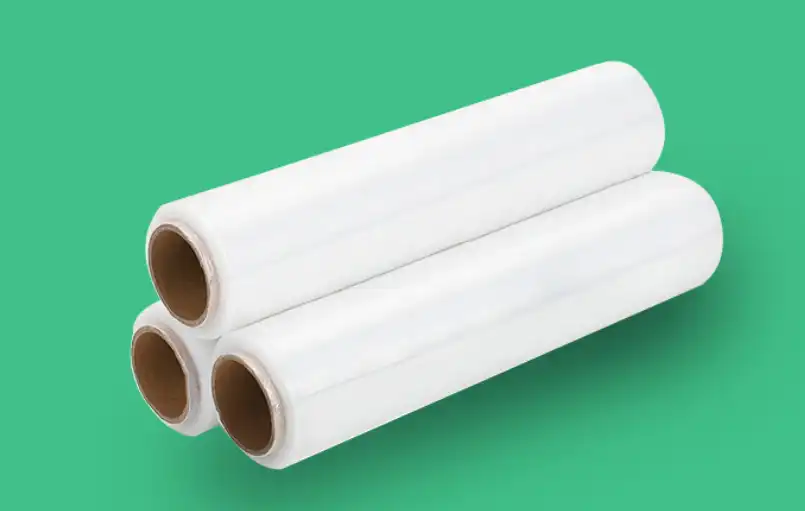
Addressing Common Concerns and Risks in Microwave Cling Wrap Use
Preventing Melting and Material Failure
Three things come together to cause film to melt: too much microwave power, direct food contact, and long cooking times. When commercial microwaves with more than 1200 watts of power are used, they heat up areas very quickly, especially when they are set to combination mode with convection or grill elements. Surface temperatures can reach 150–180°C when wrap comes into contact with high-fat foods like bacon or high-sugar foods like caramelized sauces. This is higher than the melting point of regular polyethylene.
Mitigation strategies focus on the right way to use materials and the right way to use them. The suspended tent design keeps the film above the food surfaces, and lower power settings (70–80% maximum) during long warming processes keep temperature peaks from happening. When working with high-risk food types on a regular basis, using PVDC films that can handle higher temperatures gives you the extra safety you need without changing how you do things.
Staff training programs should stress how to spot warning signs that something is being used incorrectly. Visible shrinking, surface warping, or changes in the glossy look that happen during heating are signs that failure limits are getting close. Cutting off the power and taking the food out of the microwave right away stops it from melting all the way through and stops chemicals from moving into the food. Training protocols that are written down show that care was taken during health inspections and liability investigations.
Regulatory Compliance Verification
When buying from other businesses, fake certification documents are a big risk. Suppliers who aren't honest may show fake FDA or CE markings without actually passing tests. As part of the verification process, test report numbers with dates, lab names, and the exact test methods used should be asked for. Compare these details with the issuing agencies when the order value is high enough to warrant the investigation.
When supplier documentation seems sketchy, third-party testing services offer an independent check. Laboratories that are certified by ISO 17025 can do migration analysis, thermal stability testing, and material makeup proof for a few hundred dollars each. This is a small price to pay compared to the risk that could come from selling goods that don't meet standards. When doing business with foreign sellers you don't know much about, this investment becomes even more sensible.
At Shandong Honghe Plastics Co., Ltd., our certificates include full BSCI and WCA facility checks as well as FDA and CE compliance for each product. These credentials are real third-party verifications, not just self-declared compliance statements. Transparent paperwork gives procurement professionals more trust, which helps them do their job of keeping safety standards high throughout institutional supply lines.
Alternative Material Comparisons
Aluminum foil is a tempting choice because it is better at resisting heat and keeping things out, but it can't be used in microwaves, so it can't be used for warming. Microwave energy can't get through foil because it returns it. This damages equipment through arcing and makes fires more likely. Because of this basic difference, industrial reheating processes can't work without microwave-safe plastic films.
Silicone lids and stretch covers are examples of reusable options that cut down on the use of single-use materials. These products are good for certain uses, like covering mixing bowls while they're being stored in the fridge or keeping food safe while it's defrosting in the microwave, but they can't be shaped to fit irregularly shaped containers or gastronorm pans. Because silicone covers cost more to buy at first ($8–$15 per cover), they need to be used more often to be cost-effective compared to disposable film.
More and more, buying choices are based on how something will affect the environment. Traditional polyethylene films are still the most popular because they work well, but biodegradable alternatives made from PLA or modified starch-based polymers are getting better all the time. At the moment, these materials don't have as much heat resistance or cling, but they might work for businesses that care a lot about being environmentally friendly. Every so often, look at new technologies because advances in material science are slowly closing performance gaps.
Conclusion
Microwave-safe cling wrap like Cling Wrap For Microwave is an important part of business food operations that balance cost management, operational effectiveness, and safety compliance. Professionals in procurement have to deal with a lot of different specifications and tell the difference between good and great products by checking certifications and doing real-world tests. Whether normal polyethylene or high-end PVDC formulations are chosen, they have a direct effect on the quality of the food, the safety of the staff, and the compliance with regulations in all culinary settings.
Strategic partnerships between suppliers and makers that offer customization options, reliable logistics, and full technical support give businesses benefits that go beyond just comparing prices. As the pressure on institutional food operations to balance efficiency, safety, and sustainability grows, it becomes more important than ever to choose materials based on technical knowledge rather than marketing claims.
FAQ
Q1: Can standard plastic wrap be safely used in commercial microwaves?
A: Standard home plastic wraps often have plasticizers in them that can't be used in a business microwave at high temperatures. For professional use, films must be certified for use in foodservice settings, showing that they follow FDA 21 CFR 177.1520 and meet specific temperature tolerance requirements. When businesses use materials that aren't certified, they run the risk of chemicals migrating, equipment breaking down from melting, and possibly breaking the rules set by the health department. Teams in charge of buying things should make sure that sellers give full test reports that prove microwaves are safe for business use.
Q2: What thickness specification works best for heavy-duty commercial applications?
A: The best performance for tough commercial settings comes from films that are 10 to 12 microns thick. These films can handle puncture resistance needed for bone-in proteins and sharp container edges while still having good cling properties. Thinner films (less than 8 microns) tear easily when they are being used, which wastes more materials and makes workers more frustrated. Too much thickness above 15 microns makes it harder to shape and costs more without giving you any extra performance. Match the thickness requirements to your specific operational needs. For example, 8–9 micron films may work well in lighter-duty applications with pre-portioned items and cost less.
Q3: How should purchasing managers evaluate new suppliers?
A: Ask for full samples of the product along with full certification paperwork that includes test dates, lab names, and the exact standards that were tried. Do side-by-side operational tests with your real tools, containers, and food to compare suggested goods to current specifications. Instead of just looking at per-meter prices, figure out the real per-use costs that include waste rates. Check production capacity and inventory depth to make sure there is a steady supply even when demand changes with the seasons. Before signing a volume agreement, make sure there are clear rules for how to talk about things like order handling, quality issues, and the availability of technical help.
Partner with a Trusted Microwave Cling Wrap Manufacturer
Shandong Honghe Plastics Co., Ltd. offers complete solutions for purchasing managers looking for trustworthy film goods that are approved to be safe for microwaves. Our PE/PVC cling wrap is made for food and meets strict safety standards. It can also be customized to fit your specific needs. With ISO 9001:2015, FDA, and CE certifications, as well as BSCI and WCA facility checks, we give procurement workers the clear paperwork they need.
We are close to Qingdao Port and have advanced production facilities. We keep a large inventory so that we can quickly fill urgent orders and offer open design for unique uses. Our expert team is available to help with any part of the buying process, from evaluating the first sample to managing the supply chain afterward. Email us at tony@sdhhsl.com to get free samples and talk about how our Cling Wrap For Microwave supply services can help your food business be more efficient and follow safety rules.
References
1. Chen, L., & Zhang, W. (2021). Food Contact Materials: Safety Assessment and Regulatory Frameworks in Commercial Food Processing. Journal of Food Safety and Quality Control, 15(3), 134-152.
2. Industrial Food Equipment Standards Committee. (2020). Best Practices for Microwave-Safe Materials in Commercial Kitchen Operations. National Restaurant Association Educational Foundation.
3. Martinez, R. D., Thompson, K. J., & Lee, S. H. (2022). Migration Analysis of Polyethylene Films Under Thermal Stress Conditions: Implications for Foodservice Applications. Packaging Technology and Science, 35(8), 621-638.
4. Peterson, A. M. (2019). Procurement Strategies for High-Volume Foodservice Operations: Materials Selection and Supplier Management. Cornell Hospitality Quarterly, 60(2), 187-203.
5. United States Food and Drug Administration. (2021). Food Contact Substances: Materials Used in Microwave-Safe Applications. FDA Compliance Policy Guide Section 545.450.
6. Williams, J., & Kumar, P. (2023). Thermal Stability and Performance Characteristics of Commercial Food Wrapping Films. International Journal of Food Engineering, 19(1), 45-67.