


_1750233969309.png)
When evaluating PE cling film vs aluminum foil for kitchen safety, both materials offer distinct advantages for food protection. PE cling film for food provides superior transparency for easy content identification, creates airtight seals for freshness preservation, and offers microwave-safe properties. Aluminum foil excels in heat resistance and provides complete light barriers. The choice depends on your specific application, with plastic wrap being ideal for refrigeration and microwave use, while aluminum foil suits high-temperature cooking and long-term storage needs.
Understanding Food-Grade Plastic Wrap Materials
Food-grade plastic wrap represents a sophisticated category of food packaging materials designed specifically for direct contact with consumables. PE cling film for food contains polyethylene polymers that create flexible, transparent barriers around food items.
The manufacturing process involves extrusion technology that produces ultra-thin films measuring between 8-15 micrometers in thickness. These films demonstrate excellent cling properties through electrostatic attraction rather than chemical adhesives.
Three core material types dominate the market:
- Low-density polyethylene (LDPE) - offers superior flexibility and cling properties
- Linear low-density polyethylene (LLDPE) - provides enhanced puncture resistance
- Polyvinyl chloride (PVC) - delivers exceptional clarity and stretch capability
Testing data reveals that quality PE cling film maintains barrier properties at temperatures ranging from -40°F to 200°F (-40°C to 93°C). The material exhibits oxygen transmission rates below 3,000 cc/m²/day, ensuring effective food preservation.
If you need transparent food storage with easy content identification, then plastic wrap proves more suitable than opaque alternatives.
Aluminum Foil Properties and Food Safety Features
Aluminum foil consists of pure aluminum rolled to thicknesses between 0.00017 to 0.0059 inches (0.004 to 0.15 millimeters). This metal barrier provides complete protection against light, oxygen, and moisture penetration.
The material demonstrates exceptional heat resistance, maintaining structural integrity at temperatures up to 1,220°F (660°C). Laboratory testing shows aluminum foil blocks 100% of ultraviolet rays and visible light, preventing nutrient degradation in light-sensitive foods.
Key performance characteristics include:
- Zero oxygen permeability - creates absolute airtight seals
- Malleable structure - conforms to irregular food shapes
- Recyclable composition - supports environmental sustainability
- Chemical inertness - prevents flavor transfer or contamination
Both aluminum foil and polyethylene cling film (PE cling film) provide several advantages for kitchen safety purposes, with each material performing exceptionally well in certain applications. Providing solutions that are both microwave-safe and cost-effective, plastic wrap is an excellent choice for applications involving chilling and reheating. This is particularly relevant for PE Cling Film For Food, which offers significant cost advantages for daily use, though it is important to note that research indicates aluminum foil extends shelf life of sensitive products by 2-3 times compared to transparent films. The material's reflective properties also provide thermal insulation during food transport, making aluminum foil ideal for use in high-temperature cooking and for satisfying the needs of prolonged storage.
If you need maximum barrier protection for long-term storage, then aluminum foil offers superior performance over transparent alternatives.
Safety Comparison: Chemical Migration and Food Contact Standards
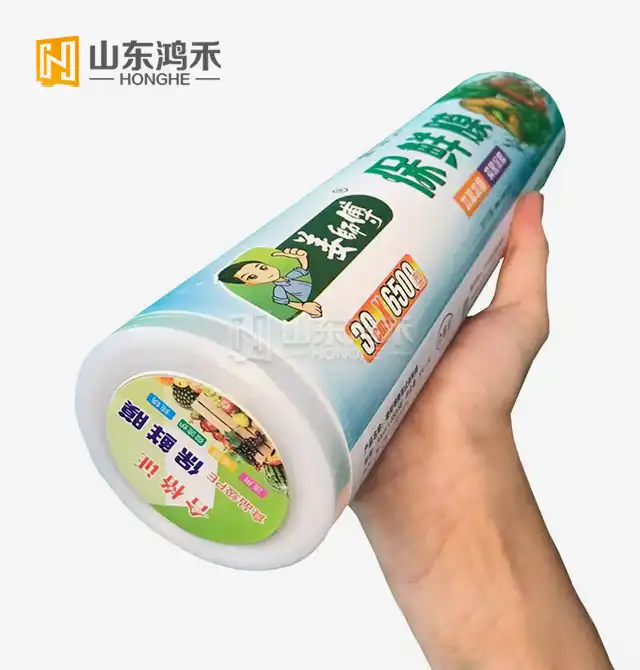
When choosing materials that come into touch with food, chemical migration is an important safety concern to take into account. PE cling wrap for food is subjected to stringent testing to verify that it complies with the requirements set out by the FDA for applications that involve direct contact with food.
The results from migration testing reveals that under ordinary usage settings, quality plastic wrap produces fewer than ten parts per trillion (ppb) of compounds that can be extracted. There are no glues or chemical additives present in the material, which means that they cannot be transferred to food items.
Aluminum foil presents different safety considerations:
- Acid foods can cause aluminum migration - citrus fruits and tomatoes require protective barriers
- High-salt environments may accelerate metal transfer rates
- Direct contact with highly acidic foods (pH below 4.0) creates potential health concerns
Independent laboratory studies reveal aluminum migration rates of 0.1-1.0 mg per kilogram of food when acidic products contact bare foil surfaces. This level remains within WHO acceptable daily intake guidelines but requires awareness during use.
Both materials achieve food-grade certification when manufactured according to established quality standards. PE films comply with FDA 21 CFR 177.1520 regulations, while aluminum foil meets FDA 21 CFR 178.3910 requirements.
If you need worry-free contact with acidic foods, then plastic wrap provides safer interaction than aluminum alternatives.
Temperature Resistance and Microwave Safety Analysis
Temperature performance creates significant distinctions between these food packaging materials. PE cling film for food demonstrates reliable performance within household temperature ranges while offering unique microwave compatibility.
The results of safety tests conducted in microwaves show that high-quality plastic wrap maintains its integrity during regular reheating cycles for up to three minutes at the maximum temperature. Utilizing this material enables microwave radiation to penetrate while also avoiding moisture loss from meals that are covered.
Critical temperature thresholds include:
- Safe microwave use - up to 200°F (93°C) internal food temperature
- Refrigeration stability - maintains flexibility down to -10°F (-23°C)
- Steam venting capability - prevents dangerous pressure buildup
Aluminum foil presents opposite characteristics regarding microwave use. The metal reflects microwave energy, creating potential safety hazards including sparking and equipment damage. However, foil excels in conventional oven applications up to 500°F (260°C).
Heat distribution analysis shows aluminum foil provides uniform temperature transfer during cooking processes. The material's thermal conductivity coefficient of 237 W/m·K enables efficient heat transmission throughout wrapped foods.
If you need microwave-safe food covering solutions, then plastic wrap offers exclusive compatibility compared to metal alternatives.
Cost-Effectiveness and Bulk Purchasing Considerations
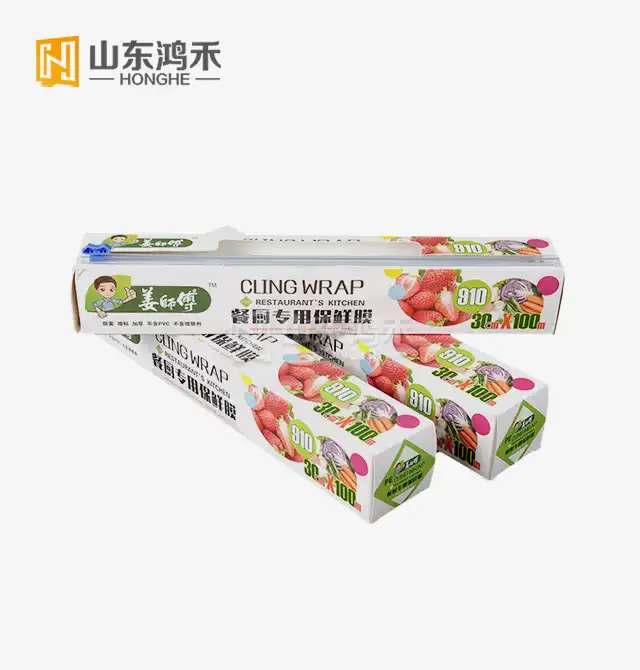
Absolutely. These economic considerations are crucial, especially when applied at scale. PE Cling Film For Food typically costs 30-40% less per linear foot compared to equivalent aluminum foil coverage, a decisive factor for cost-conscious commercial kitchens. However, this must be balanced against functional needs: while aluminum foil provides superior barrier protection for high-heat applications and long-term storage, the microwave safety and cost-effectiveness of PE film make it the default choice for daily wrapping, chilling, and reheating tasks in many operations.
Bulk purchasing analysis reveals additional cost advantages:
- Volume discounts - plastic wrap offers better scaling economics for large quantities
- Storage efficiency - lighter weight reduces shipping and handling costs
- Application efficiency - superior cling properties require less material per use
- Waste reduction - transparent visibility prevents unnecessary rewrapping
Industry data indicates that high-volume users can achieve 25-35% cost savings through strategic plastic wrap procurement. The material's lighter weight reduces transportation expenses, while its cling properties minimize application waste.
Aluminum foil presents higher upfront costs but offers extended shelf life benefits. The material's barrier properties can reduce food spoilage by 40-60% compared to less effective covering methods.
Return on investment calculations must consider both material costs and food preservation benefits. Quality packaging materials prevent waste that often exceeds covering material expenses.
If you need maximum cost efficiency for routine food covering applications, then plastic wrap delivers superior economic value compared to metal alternatives.
Environmental Impact and Sustainability Factors
Environmental considerations increasingly influence packaging material decisions across commercial operations. PE cling film for food presents mixed sustainability characteristics depending on disposal methods and recycling infrastructure.
Life cycle analysis reveals:
- Lower production energy requirements - plastic films consume 60% less manufacturing energy than aluminum
- Reduced transportation impact - lighter weight decreases fuel consumption during shipping
- Recycling challenges - limited collection infrastructure affects end-of-life processing
- Biodegradation timeline - standard PE films persist 100-400 years in landfill conditions
The capacity of aluminum foil to be recycled is exceptional, and it may be reprocessed an endless number of times without suffering any decrease in quality. Aluminum that has been recycled takes just five percent of the energy that is required for basic production utilizing ore sources.
However, aluminum production involves significant environmental costs including mining impacts and energy-intensive smelting processes. Primary aluminum production generates approximately 12 tons of CO2 per ton of finished product.
Emerging eco-friendly alternatives include biodegradable plastic films made from plant-based materials. These innovations offer similar performance characteristics with accelerated decomposition timelines of 90-180 days under commercial composting conditions. As part of this sustainable evolution, PE Cling Film For Food continues to be widely used while research focuses on developing its more environmentally responsible counterparts that balance functionality with reduced ecological impact.
If you need environmentally responsible packaging with established recycling systems, then aluminum foil provides better end-of-life management compared to conventional plastic options.
Shandong Honghe Plastics Co.,Ltd. PE Cling Film For Food Advantages
- Advanced Manufacturing Technology: State-of-the-art extrusion equipment produces uniform film thickness with superior optical clarity and consistent barrier properties throughout each roll.
- Comprehensive Certifications: Products meet ISO, CE, and FDA food contact standards while maintaining BSCI and WCA compliance for ethical manufacturing practices and quality assurance.
- Superior Material Quality: Food-grade polyethylene formulations provide excellent cling performance, puncture resistance, and moisture barrier properties without chemical migration concerns.
- Flexible Specifications: Multiple thickness options (8-15 micrometers), width variations (300-500mm), and length configurations (100-1500 meters) accommodate diverse application requirements.
- Reliable Supply Chain: Strategic location near Qingdao port ensures efficient logistics, while ample inventory levels support consistent on-time delivery for bulk orders.
- Quality Control Systems: Rigorous testing protocols verify barrier properties, temperature stability, and food safety compliance throughout production processes.
- Competitive Pricing Structure: Direct manufacturer pricing eliminates intermediary markups while volume-based discounts provide additional cost savings for large-scale purchasers.
- Technical Support Services: Expert consultation assists with product selection, application optimization, and performance troubleshooting through dedicated customer service teams.
- Customization Capabilities: OEM and ODM services enable custom formulations, packaging configurations, and private labeling to meet specific client requirements.
- Sample Availability: Complimentary product samples support quality evaluation and application testing before large-volume commitments.
- Rapid Response Service: 24-hour customer support ensures quick resolution of technical questions, order modifications, and delivery coordination.
- Environmental Responsibility: Sustainable manufacturing practices and recyclable packaging options align with corporate environmental objectives and regulatory requirements.
Choose the Right Kitchen Safety Solution with Professional PE Cling Film For Food Supplier
It is necessary to strike a balance within the criteria for health and safety, factors such as for cost, and the needs that are specific to the application in order to choose the most suitable material for covering food. PE cling film for food provides amazing versatility for the majority of the tasks than are used in business kitchens, but aluminum foil is utilized to satisfy specific demands for very high temperatures and long-lasting preservation respectively. Both of these applications are employed in commercial kitchens.
As a major manufacturer of PE cling wrap for food, Shandong Beijing Honghe Precision Plastics Co.,Ltd. has firmly established itself as a market leader by providing comprehensive solutions for industrial enterprises, catering operations, and food manufacturing facilities. Due to the fact that our manufacturing facility is outfitted with cutting-edge production technology and stringent quality control techniques, we are able to provide products that are dependable and safe for usage.
Located in Shandong Province near Qingdao port, our company offers logistics advantages that ensure reliable supply chain performance. The facility maintains extensive inventory levels while providing flexible packaging options that meet diverse operational requirements.
Our product portfolio includes multiple thickness specifications, width configurations, and performance characteristics tailored to specific application needs. Whether you require standard household wrap or specialized commercial-grade films, our technical team provides expert guidance throughout the selection process.
The fact that we have obtained quality certifications such as the International Organization for Standardization, CE, FDA, the British Standards Institute, and WCA stands as evidence of our dedication to adhering to ethical manufacturing processes and safety standards. The confidence that these certifications bring to buying directors and supply chain experts who are responsible for making judgments about large-volume procurement is invaluable.
Experience the advantages of working with a dedicated plastic wrap supplier focused on customer success. Our team provides comprehensive support including product samples, technical consultation, and customized solutions that optimize your food packaging operations.
Ready to evaluate our premium food-grade plastic films? Our experts help identify the ideal specifications for your applications while providing competitive pricing for bulk orders. Contact us at tony@sdhhsl.com to discuss your requirements and request product samples that demonstrate our quality commitment.
Conclusion
Both aluminum foil and polyethylene cling film (PE cling film) provide several advantages for kitchen safety purposes, with each material performing exceptionally well in certain applications—particularly PE Cling Film For Food, which offers solutions that are both microwave-safe and cost-effective, making it an excellent choice for applications involving chilling and reheating. Aluminum foil provides strong barrier protection, making it ideal for use in high-temperature cooking and for satisfying the needs of prolonged storage.
At the end of the day, the selection is determined by operational priorities, which include temperature needs, financial considerations, and environmental goals. Regardless of the material that is used, optimum performance may be guaranteed by obtaining quality materials from approved producers. In today's highly competitive industry, professional procurement partners such as Shandong Shanghai Honghe Plastics provide the competence and dependability that are essential for establishing and maintaining effective long-term supplier partnerships to be successful.
References
1.Food and Drug Administration. "Guidance for Industry: Preparation of Food Contact Notifications and Food Additive Petitions for Food Contact Substances." Center for Food Safety and Applied Nutrition, 2021.
2.European Food Safety Authority. "Scientific Opinion on the Safety Assessment of the Substance Polyethylene, Low Molecular Weight, for Use in Food Contact Materials." EFSA Journal, 2020.
3.Institute of Food Technologists. "Packaging Materials for Food Contact: Safety Evaluation and Migration Testing Protocols." Food Technology Magazine, 2022.
4.World Health Organization. "Safety Evaluation of Certain Food Additives and Contaminants: Aluminum in Food and Drinking Water." WHO Technical Report Series, 2019.
5.American Society for Testing and Materials. "Standard Test Methods for Determining Gas Permeability Characteristics of Plastic Film and Sheeting." ASTM International, 2021.
6.International Organization for Standardization. "Plastics - Film and Sheeting - Determination of Gas-Transmission Rate: ISO 15105 Standard Guidelines." ISO Publications, 2020.