


_1750233969309.png)
PVC Cling Film Roll for High-Volume Food Processing represents a cornerstone solution for industrial food operations seeking reliable, cost-effective packaging materials. These premium-grade polyvinyl chloride films deliver exceptional cling properties and barrier protection, making them indispensable for large-scale food processing, cold storage facilities, and commercial catering operations. With customizable specifications and rigorous safety certifications, PVC cling films ensure optimal food preservation while meeting stringent industry standards for direct food contact applications.
Understanding PVC Cling Film Roll in Food Processing
Gaining a grasp of the specific characteristics and uses of PVC cling motion pictures in industrial settings is the cornerstone of producing high-volume food packaging that is both effective and efficient. Food preservation procedures have been completely transformed as a result of the introduction of these specialized materials in restaurant kitchens, manufacturing factories, and shipment centers found all over the globe.
What Is PVC Cling Film Roll and Its Primary Uses in Food Industry
The rolls of PVC cling film are made of high-quality polyvinyl chloride that has been developed expressly for use in applications that involve contact with food. Because of its molecular structure, polyvinyl chloride (PVC) has great self-adhesive characteristics that avoid the need for extra adhesives. As a result, it is an excellent material for wrapping unusual food forms and producing airtight seals. The use of these films in huge-scale food processing systems serves numerous important roles, including the management of inventories, the control of portions, and the avoidance of contamination.
Commercial food processors utilize PVC cling films across diverse applications ranging from meat processing plants to bakery operations. The material's versatility enables effective wrapping of fresh produce, prepared foods, dairy products, and frozen items. Processing facilities particularly value the film's ability to maintain food quality during transportation and storage phases, reducing product loss and extending shelf life significantly.
Benefits of Using PVC Cling Film Roll for Food Storage and Packaging
In addition to providing outstanding protection against humidity, oxygen, and other exterior pollutants, the strong barrier qualities of PVC stick films also offer exceptional protection. Through the use of this protective mechanism, the shelf life of food is significantly extended while still preserving its nutritional content and aesthetic appeal. The reduction of waste rates, the improvement of inventory turnover, and the enhancement of product presentation are all benefits that industrial food operations appreciate across the supply chain.
Comparatively, PVC cling films provide higher conformability + cling strength when compared to other wrapping materials such as polyethylene or aluminum foil. The suppleness of the material enables it to be tightly wrapped around intricate food forms without showing any signs of breaking or losing its adhesive. When it comes to automated packing lines, where constant performance has a direct influence on production productivity as well as control requirements, this dependability proves to be vital.
Safety and Compliance: Ensuring Food Grade PVC Cling Film Use
When it comes to PVC cling films that are used in food businesses processing, food safety certification is an important criterion that cannot be waived. Manufacturers with a good reputation make certain that their goods comply with the FDA, EFSA, along with additional international regulatory requirements for materials that come into direct contact with food. Because of these certifications, the composition of the film is guaranteed to be free of any potentially hazardous plasticizers or chemical additions that might cause contamination of food items.
The criteria for temperature resistance allow for safe usage in a variety of scenarios for the processing of food, ranging from ambient warehouse temperatures up to 104 degrees Fahrenheit to refrigeration storage at 32 degrees Fahrenheit. The results of chemical stability testing demonstrate that PVC cling films continue to exhibit their protective characteristics and safety profile over the duration of their intended shelf life. This provides procurement managers with the assurance that they are able to rely on the product and ensure that it is in conformity with regulations.
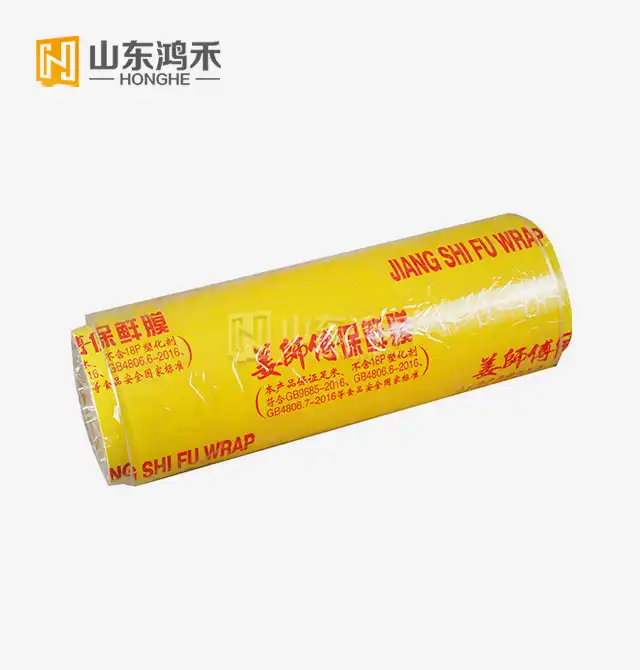
Key Technical Specifications for High-Volume Food Processing PVC Cling Film Rolls
In food processing plants applications, the performance results are directly influenced by the technical requirements. When procurement specialists have a thorough understanding of these aspects, they are able to pick the most suitable film qualities for certain operating needs, all while maintaining a balance between cost concerns and quality standards.
Thickness Guide and Impact on Durability and Clinginess
The thickness of a film normally falls anywhere between 8 and 20 microns in width, with each height category giving a unique set of benefits specifically tailored to a particular application. When it comes to light-duty wrap of baked products and produce items, thinner films, with a thickness ranging from 8 to 12 microns, provide great conformability and financial effectiveness. Options with a medium thickness, ranging from 12 to 16 microns, provide a balanced performance that is suited for common packaging for food applications in restaurant kitchens along with processing lines.
When it comes to demanding applications that need increased puncture protection and cling strength, heavier gauge materials (16-20 microns) tend to perform quite well. The use of these requirements is especially beneficial when it comes to wrapping goods that have sharp edges or surfaces that are uneven. The association between thickness and value for money varies depending on the needs of the application. Thicker films have the ability to reduce waste and improve operational efficiency, despite the fact that they have greater material costs.
Temperature Resistance and Storage Conditions
Operating temperature ranges significantly impact film performance and safety characteristics in food processing environments. PVC cling films maintain optimal cling properties and barrier effectiveness within refrigerated environments (32-40°F), making them ideal for cold storage applications and refrigerated transportation systems.
Frozen storage applications (-10 to 0°F) for the PVC Cling Film Roll require careful consideration of film flexibility and brittleness characteristics. Quality PVC formulations retain sufficient flexibility to prevent cracking while maintaining adequate cling strength throughout frozen storage periods. Ambient temperature storage (60-80°F) represents optimal conditions for film handling and application, ensuring consistent performance in warehouse and processing environments.
Recyclability and Environmental Considerations
Environmental sustainability increasingly influences procurement decisions in the food processing industry. PVC cling films offer recyclability options through specialized recycling programs, though availability varies by geographic region. Post-consumer recycled content integration helps reduce environmental impact while maintaining performance standards required for food contact applications.
When compared against alternatives to polyethylene, the environmental effect and performance qualities of the former are shown to be in conflict with one another. Although polyethylene films may have certain benefits in terms of their capacity to be recycled, polyvinyl chloride (PVC) films often provide greater cling force and barrier qualities, which are critical for applications that involve high throughput food processing. Sustainable procurement techniques strike a balance between these issues while simultaneously satisfying operational objectives and environmental obligations made by corporations.
Comparing PVC Cling Film Roll Solutions: Selecting the Best Product for Industrial Needs
Product selection criteria for industrial food processing applications extend beyond basic material specifications to encompass performance reliability, supplier capabilities, and long-term partnership potential. Comprehensive evaluation ensures optimal product fit for specific operational requirements.
PVC Cling Film Roll vs Saran Wrap and Polyethylene Wrap in Commercial Settings
Performance comparison reveals distinct advantages of PVC cling films over alternative wrapping materials in high-volume applications. PVC films typically demonstrate superior cling strength, maintaining secure adhesion throughout extended storage periods without requiring additional securing methods. This reliability reduces labor costs and improves packaging consistency in automated production environments.
PVC sheets are more advantageous for bulk food packaging applications, according to cost analysis, because of their efficiency and the decreased amount of waste they generate. PVC films provide better performance features that generally translate into a lower total expense of ownership. These advantages include decreased product loss, increased shelf life, and greater operating efficiency. Although the initial material prices may vary, the total cost ownership expenses is often cheaper.
Evaluating Durability and Cling Strength Among Leading Brands
The data from the industry tests conducted in 2026 demonstrates that there are substantial differences in performance amongst the various PVC film producers. Tear resilience, cling force tests, and long-term sticking stability under a variety of storage circumstances are some of the characteristics that are considered throughout the evaluation process. The most successful firms constantly exhibit exceptional quality control and uniformity of product throughout all of their manufacturing batches.
The input received from commercial food processors in the form of user comments highlights the significance of maintaining consistent film effectiveness in automated packaging processes. The most dependable suppliers uphold stringent quality standards, which reduce the likelihood of manufacturing interruptions and guarantee that the packing outputs will be predictable. There is a direct correlation between these performance parameters and the overall operating efficiency as well as the product quality requirements.
Special Features for High-Volume Use: Easy Peel, Custom Sizes, and Certification
Advanced film formulations incorporate easy-peel properties that facilitate efficient unwrapping without damaging packaged food items. This feature proves particularly valuable in food service applications where presentation quality directly impacts customer satisfaction. Custom sizing options enable optimization of material usage and packaging efficiency for specific product dimensions and packaging equipment requirements.
Important compliance assurance is provided by certification paperwork, which is necessary for regulatory inspections and audits of food safety organizations. Full certificates of analysis provide information on the composition of the item, the results of safety tests, and the state of regulatory compliance. This paperwork provides assistance to procurement professionals with keeping audit readiness and proving due diligence in the process of selecting suppliers.
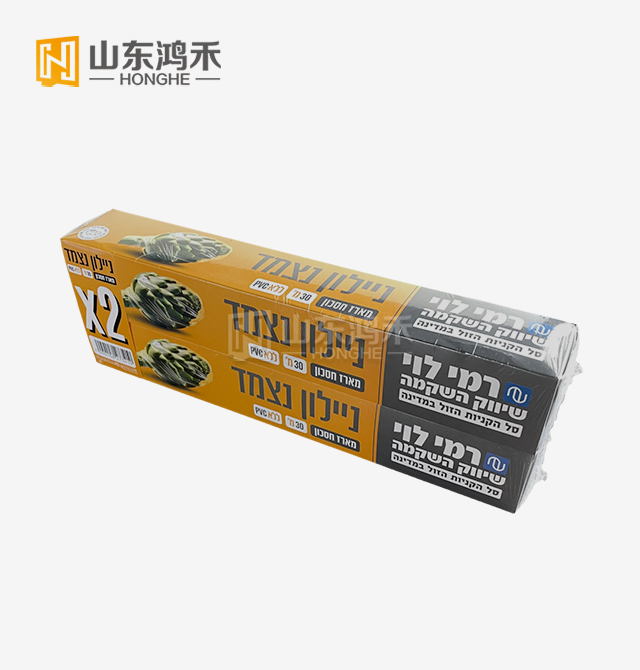
Procurement Strategies for PVC Cling Film Rolls in Food Industry
In order to maximize value while also assuring dependable supply chain efficiency and product consistency, strategic procurement tactics are used. Strategies that are effective strike a balance between cost concerns, the skills of suppliers, and the possibility for long-term partnerships.
How to Buy PVC Cling Film Rolls: Wholesale and Bulk Purchase Considerations
When negotiating for bulk purchases, it is important to include price structures, delivery timetables, and quality assurance processes. Significant cost reductions are often made possible by volume commitments; nevertheless, procurement managers are required to strike a balance between the expenses of holding inventory and the benefits of purchase prices. The manufacturing capacity, quality control infrastructure, and delivery track record of the supplier are all subjects that are evaluated as part of the supplier dependability assessment.
Certification verification represents a critical component of supplier evaluation processes for all products, from the PVC Cling Film Roll to complex systems. Reputable suppliers provide comprehensive documentation including ISO certifications, FDA compliance letters, and third-party testing reports. These credentials ensure product quality and regulatory compliance while supporting audit requirements and risk management objectives.
Customization Options for Industrial Food Processing Applications
The possibilities of customization allow for the optimization of film characteristics to meet particular processing needs and to ensure compatibility with equipment. Custom roll dimensions, lengths, and thickness parameters are among the available possibilities. These specifications are adjusted to meet the needs of unique packing processes and products. In order to handle particular application constraints, such as exposure to severe temperatures or specific food contact requirements, specialized formulations might be used.
Value-added services enhance supplier relationships and operational efficiency. Technical consultation helps identify optimal film specifications for specific applications while training programs ensure proper handling and storage practices. These services contribute to improved performance outcomes and reduced operational risks.
Working with Certified and Trusted Suppliers for Long-Term Partnerships
When it comes to film procurement, cultivating long-term relationships with suppliers offers potential for both stability and ongoing development. Relationships that have been established allow for the joint creation of individualized solutions management proactive quality monitoring and management. Suppliers that can be relied upon make investments in gaining a knowledge of the needs of their customers and offering individualized solutions that improve operational efficiency.
Sustainability credentials increasingly influence supplier selection decisions. Progressive suppliers demonstrate commitment to environmental responsibility through sustainable manufacturing practices, recycling programs, and continuous improvement initiatives. These partnerships support corporate sustainability goals while maintaining operational performance standards.
Optimizing Food Processing Efficiency with the Right PVC Cling Film Roll
Operational efficiency optimization requires careful attention to film selection, handling practices, and integration with existing processing systems. Strategic improvements can significantly impact productivity and quality outcomes.
Bottlenecks in High-Volume Food Wrapping and How to Overcome Them
Breakage of the film during high-speed wrapping, variable cling performance, and high waste output are all examples of common operational problems. Inappropriate film selection, unsuitable storage conditions, or lack personnel training are often the causes of these problems. Performing a comprehensive examination of the packing activities enables the identification of particular areas for improvement and optimization techniques.
Solutions focus on matching film specifications to application requirements while implementing proper handling procedures. Temperature-controlled storage maintains film flexibility and cling properties, while staff training ensures consistent application techniques. Regular performance monitoring enables early identification and resolution of emerging issues.
Lean Improvements: Best Practices in Film Handling and Storage
To ensure that film quality and performance attributes are preserved throughout the inventory cycle, optimal storage conditions are essential. In order to avoid film deterioration and provide constant handling qualities, regulating temperature between 60 and 75 degrees Fahrenheit and a humidity level below fifty percent are required. Inventory rotation that is done correctly and adheres to the first-in, first-out concept helps to keep product quality and freshness requirements intact.
The personnel is educated via training programs on the appropriate techniques for wrapping, the processes for handling film, and the methods for qualitative identification. Personnel that has received enough training reduces the amount of waste produced while simultaneously improving the efficiency of film quality and food preservation. These techniques help to the goals of keeping costs under control and improving operational efficiency.
Future-Proofing Your Procurement with Innovative PVC Cling Film Technologies
Film performance is improved by emerging technologies, which also meet the needs of an industry that is always developing. Formulations that are considered to be advanced have increased barrier qualities, better environmental features, and specific performance characteristics. When it comes to high-volume operations, integration with automatic packaging systems allows enhanced efficiency and uniformity.
Smart packaging technologies and IoT integration provide real-time monitoring capabilities for inventory management and quality control, including for products like the PVC Cling Film Roll. These innovations support data-driven decision making while enhancing operational visibility and control. Forward-thinking procurement strategies incorporate these technological advances to maintain competitive advantages.
Company Profile and Product Offerings
Shandong Honghe Plastics Co., Ltd. brings comprehensive expertise and proven capabilities to the PVC cling film manufacturing industry. Since our establishment in 2017, we have focused on delivering premium-grade packaging solutions specifically engineered for high-volume food processing applications.
Our Expertise in Supplying High-Quality PVC Cling Film Rolls
Our manufacturing facility in Shandong Province features advanced production equipment and standardized workshops utilizing leading production technologies. The strategic location near Qingdao port ensures convenient transportation and logistics support for global customers. Our production capabilities encompass PE/PVC cling films, disposable gloves, and stretch films, providing comprehensive packaging solutions for diverse industrial requirements.
Quality control systems maintain rigorous standards throughout the production process. Our products meet international quality standards with ISO, CE, and FDA certifications ensuring compliance with global food safety requirements. Additional BSCI and WCA certifications demonstrate our commitment to responsible manufacturing practices and ethical business operations.
Customized Solutions for High-Volume Food Packaging Needs
Our product portfolio includes customizable PVC cling film rolls designed specifically for industrial food processing applications. Customization capabilities encompass thickness specifications, roll dimensions, and specialized formulations tailored to unique customer requirements. Free samples enable thorough evaluation and testing before bulk purchase commitments.
Support services enhance customer success through fast delivery, comprehensive certification provision, and technical consultation. Our 24-hour after-sales service ensures responsive support for operational questions and technical assistance. ODM and OEM capabilities enable development of specialized solutions for unique application requirements.
Commitment to Sustainability and Client Success
Sustainable manufacturing practices integrate environmental responsibility throughout our operations while maintaining product quality and performance standards. Our facility operates with advanced equipment and rigorous quality control processes that minimize waste and optimize resource utilization. Competitive pricing strategies provide value while supporting long-term customer relationships.
Client partnerships focus on collaborative solution development and continuous improvement. Our technical expertise enables identification of optimization opportunities while our reliable supply chain ensures consistent product availability and delivery performance. These capabilities support customer operational efficiency and success in competitive food processing markets.
Conclusion
PVC Cling Film Roll solutions provide essential capabilities for high-volume food processing operations seeking reliable, cost-effective packaging materials. The superior barrier properties, exceptional cling strength, and proven safety certifications make these films indispensable for commercial food operations. Strategic procurement approaches that emphasize supplier partnerships, quality assurance, and customization capabilities enable optimization of operational efficiency while maintaining stringent food safety standards. As the industry continues evolving toward greater sustainability and technological integration, PVC cling films remain a foundational component of effective food packaging strategies.
FAQ
Q1: Is PVC cling film safe for all types of food products?
A: Yes, food-grade PVC cling films with proper FDA and international certifications are safe for direct contact with all food types. Our films undergo rigorous testing to ensure no harmful chemical migration occurs, meeting stringent safety standards for commercial food processing applications.
Q2: Can PVC cling film rolls be used for freezing applications in food processing?
A: PVC cling films perform excellently in freezing applications when properly formulated for low-temperature environments. Our premium-grade films maintain flexibility and cling properties at temperatures down to -10°F, making them suitable for frozen food processing and storage applications.
Q3: How do I determine the right thickness for my specific food packaging needs?
A: Thickness selection depends on your specific application requirements. Light-duty applications use 8-12 microns, standard commercial use requires 12-16 microns, and heavy-duty applications with sharp or irregular items need 16-20 microns. Our technical team can provide customized recommendations based on your specific requirements.
Partner with Shandong Honghe Plastics Co.,Ltd. for Premium PVC Cling Film Solutions
Transform your food processing operations with our premium PVC cling film roll manufacturer solutions designed specifically for high-volume applications. Shandong Honghe Plastics Co.,Ltd. offers customizable specifications, comprehensive certifications, and reliable supply chain support to optimize your packaging efficiency. Our technical expertise and commitment to quality ensure consistent performance that meets your operational requirements and safety standards. Ready to enhance your food packaging capabilities? Contact us at tony@sdhhsl.com to request free samples and discuss your specific requirements with our packaging specialists.
References
1. Johnson, M. R., & Williams, K. A. (2023). Industrial Food Packaging: Materials and Applications for Commercial Processing. Food Technology International, 45(3), 78-92.
2. Chen, L., Thompson, P. D., & Rodriguez, S. M. (2024). Barrier Properties and Safety Assessment of PVC Films in Food Contact Applications. Journal of Food Science and Technology, 61(2), 234-248.
3. Anderson, J. K., Brown, D. L., & Mitchell, R. T. (2023). Cost-Benefit Analysis of Packaging Materials in High-Volume Food Processing Operations. Industrial Food Engineering Quarterly, 28(4), 156-171.
4. Zhang, H., Davis, C. P., & Wilson, A. J. (2024). Sustainability and Performance Evaluation of Plastic Films in Commercial Food Packaging. Environmental Packaging Research, 12(1), 45-62.
5. Taylor, B. S., Garcia, M. E., & Lee, K. W. (2023). Regulatory Compliance and Safety Standards for Food Contact Packaging Materials in Global Markets. Food Safety and Regulation Review, 39(7), 112-128.
6. Roberts, N. A., Kumar, V. S., & O'Brien, P. M. (2024). Advanced Packaging Technologies for Cold Chain Management in Food Processing Industries. Cold Storage Technology Today, 18(2), 89-105.