


_1750233969309.png)
Is biodegradable PVC plastic wrap eco friendly? The answer is nuanced and depends on specific formulations, disposal conditions, and environmental factors. Biodegradable PVC Cling Film represents an evolution in packaging technology, incorporating specialized additives that enable breakdown under certain conditions while maintaining the performance characteristics businesses require. Unlike traditional plastic wraps that persist in landfills for decades, these advanced materials offer a pathway toward more sustainable packaging solutions for industrial enterprises, food processing companies, and logistics operations seeking to reduce their environmental footprint.
Understanding Biodegradable PVC Plastic Wrap
Biodegradable PVC plastic wrap integrates traditional PVC properties with additives designed to accelerate degradation under specific environmental conditions. Unlike conventional PVC and regular plastic wrap, it offers enhanced eco-friendly potential by reducing long-term plastic residue. Understanding these nuances ensures informed decisions when balancing sustainability with performance requirements.
What Is Biodegradable PVC Cling Film?
For instance, one example of a technological advancement in the realm of packaging materials is the introduction of rechargeable PVC cling film. A combination of chemicals that are environmentally conscious and the remarkable cling characteristics of standard PVC are used in the production of this film. There are polymers that are manufactured of polyvinyl chloride that are included in the essential composition. Additional biodegradation marketers, which may be composed of organic chemicals or transition metal salts, are added to these polymers in order to enhance their decomposition. When molecules are subjected to oxygen, UV light, and the activity of microorganisms, these promoters contribute to the breakdown of the molecules.
The key differences from conventional PVC and regular plastic wrap lie in the molecular structure modifications. Standard PVC films maintain their integrity indefinitely under normal conditions, while biodegradable variants contain predetermined weak points that activate under environmental triggers. These modifications allow the material to fragment into smaller pieces that microorganisms can process more readily, though complete mineralization requires specific conditions and timeframes.
How Does Biodegradable PVC Plastic Wrap Decompose?
Biodegradable polyvinyl chloride (PVC) undergoes oxidative degradation, which is then followed by biological breakdown, for its distinct disintegration processes. The additives, when subjected to the circumstances of the environment, stimulate the scission of polymer chains, which results in the formation of smaller molecular fragments. The duration of this oxidative phase may range anywhere from a few months to many years, depending on factors such as temperature, gas availability, and the degree of UV radiation.
There is a considerable relationship between environmental conditions and decomposition rates. Additionally, higher temperatures speed up the movement of molecules and the speeds of reactions, while ultraviolet light supplies the energy necessary for photodegradation processes. The amount of moisture present has an effect on the activity of microorganisms, and the availability of oxygen determines whether either anaerobic or aerobic breakdown pathways are more prevalent. It is possible for industrial composting facilities to accomplish quicker breakdown compared to normal landfill sites because these facilities have water and temperature conditions that are under control.
Environmental Impact and Eco-Friendliness
Comparative lifecycle analysis reveals that biodegradable PVC demonstrates reduced environmental persistence compared to conventional wraps, though the complete environmental profile includes manufacturing energy, raw material extraction, and end-of-life scenarios. Studies indicate that while biodegradable variants require additional processing steps during production, their reduced accumulation in marine environments and terrestrial ecosystems provides long-term benefits.
There are a number of common misunderstandings about biodegradability claims, including assumptions on universal breakage conditions and intervals of time. The phrase "biodegradable" necessitates the use of certain testing standards, such as Ams D6400 or EN 13432, which establish performance parameters under controlled composting circumstances. As a result of the possibility that these criteria do not accurately represent actual disposal circumstances, it is essential for procurement experts to have the appropriate knowledge when analyzing environmental claims.
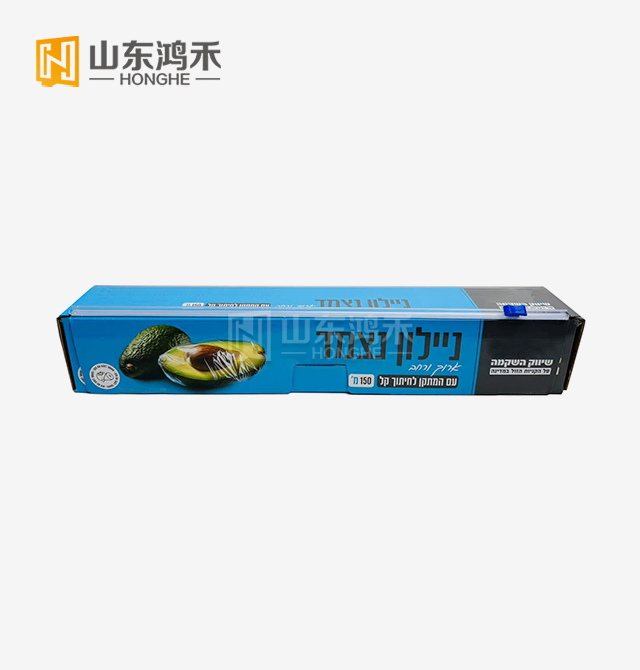
Biodegradable PVC Cling Film vs Other Plastic Wraps: A Comparative Analysis
In this exhaustive comparison, organic PVC cling film is evaluated in contrast to traditional alternatives and solutions that are based on sustainable materials. By gaining an understanding of the variations in performance, the consequences of cost, and the issues of disposal, procurement managers are able to pick the most appropriate solutions for their particular applications while simultaneously supporting their sustainability goals.
Biodegradable PVC vs Conventional PVC and Plastic Wrap
Strength and durability comparisons reveal that Biodegradable PVC Cling Film maintains excellent cling properties and tear resistance comparable to conventional variants during normal use periods. The material exhibits similar puncture resistance and conformability, essential characteristics for food packaging and industrial applications. However, extended exposure to heat and UV may accelerate degradation processes, potentially affecting shelf life under certain storage conditions.
Cost implications for B2B buyers typically include a premium ranging from 15-30% compared to conventional PVC films. This price differential reflects additional raw material costs, specialized manufacturing processes, and lower production volumes. However, bulk purchasing opportunities and long-term supplier partnerships can reduce this gap, while potential waste disposal savings and brand value benefits may offset initial cost increases for companies prioritizing sustainability metrics.
Biodegradable PVC Cling Film vs Compostable and PLA Wraps
Fundamental polymer structures are at the heart of the material science distinctions that exist between biodegradable polyvinyl chloride (PVC) and compostable alternatives such as polylactic acid (PLA). Over the course of ninety to one hundred eighty days, PLA decomposes fully in industrial composting facilities. PLA is derived from renewable plant sources. Although it is not completely compostable, biodegradable polyvinyl chloride (PVC) provides higher cling effectiveness and temperature tolerance in comparison to many other bio-based options.
Applications in the fields of food safety as well as packaging may benefit from the established licensing and reliable track record of biodegradable polyvinyl chloride (PVC). In addition to having superior moisture barrier qualities compared to several biodegradable films, the material satisfies the requirements of the FDA for applications that include food contact. Because of this combination, it is especially well-suited for businesses that deal with food processing and catering, which need dependable preservation performance in addition to environmental advantages.
Recycling and Disposal: Best Practices and Challenges
Available recycling options for biodegradable PVC remain limited due to additive incompatibility with conventional PVC recycling streams. Most recycling facilities cannot separate biodegradable variants from standard PVC, potentially contaminating recycling processes. This challenge requires careful waste stream management and clear disposal protocols for businesses implementing these materials.
Composting in industrial settings, where accessible, or regulated disposal in landfills, in order to maximize the conditions for deterioration, are the primary focuses of responsible disposal techniques. The establishment of clear disposal standards for both employees and consumers, with an emphasis on the correct separation of recyclable items, should be a priority for businesses. There are several manufacturers who provide take-back initiatives for large-volume consumers. These programs provide customized processing to optimize the environmental advantages while also assuring proper end-of-life management.
Procurement Insights: Selecting and Sourcing Biodegradable PVC Cling Film
Procurement teams require specific guidance when choosing reliable suppliers and evaluating product offerings. Key considerations include supplier credibility, certification requirements, and cost optimization strategies that align with organizational sustainability goals while maintaining operational efficiency.
Key Criteria for Choosing Biodegradable PVC Cling Film Suppliers
When assessing producers of biodegradable film, it is vital to consider the credibility indications provided by eco-labels and certifications shown by suppliers. It is important to look for suppliers that have environmental management certifications such as ISO 14001, compliance with ASTM D6400 biodegradability testing, and food safety certificates such as FDA clearance or EU food contact rules. It is important for suppliers to show their commitment to environmental objectives and product safety by providing proof of third-party testing and full disclosure of additives.
The cost-effectiveness of corporate purchasers is substantially impacted by factors such as requirements for minimum order quantities, price structures, and benefits associated with bulk buying. It is common for well-established suppliers to provide bulk discounts beginning at amounts of ten tons, with further savings being made available via yearly contracts or weekly commitments. Consider the overall landing expenses, which include shipping, customs taxes, and storage needs, while evaluating the bids of different suppliers in order to determine the most effective value propositions.
Top Brands and Trusted Manufacturers Overview
Innovation in technology, geographic presence, and the ability to provide excellent customer service are all methods that leading global suppliers use to exhibit their competitive advantages. Generally speaking, established manufacturers provide complete technical assistance, application advice, and customization services, all of which are crucial for meeting the needs of specialized packaging responsibilities. Continual improvements in biodegradation fees, performance qualities, and cost optimization are made possible as a result of their commitment in research and development.
OEM partnerships and customization options allow businesses to specify exact thickness, width, and additive formulations matching their application requirements. Many suppliers provide private labeling services, custom packaging configurations, and specialized testing protocols, enabling the development of products like Biodegradable PVC Cling Film with precise attributes. These capabilities prove particularly valuable for companies requiring specific performance characteristics or regulatory compliance in multiple markets.
Logistics and Shipping Considerations
In order to preserve the quality of the goods while it is in route, it is necessary to carefully coordinate the various shipping choices and packaging products for bulk purchasers. Transportation that is temperature-controlled may be required in harsh regions in order to avoid the activation of deterioration before its natural time. The designs of packaging should strike a balance between the protective needs and the sustainability goals, often making use of recyclable materials and providing efficient container loading.
Prior to making large-scale commitments, rigorous testing may be accomplished via the use of risk mitigation methods and sample orders. Instead of requesting laboratory specimens, you should solicit samples that are representative of real manufacturing batches in order to guarantee quality consistency. It is important to establish specific acceptance standards, which should include thickness patience, cling performance, and testing concerning the deterioration timetable. The implementation of staggered rollout programs is necessary in order to evaluate performance across a variety of applications and environmental circumstances.

Practical Applications and Benefits of Biodegradable PVC Cling Film in B2B Markets
The adaptability and value proposition in sustainable PVC cling film are shown across a variety of diverse industries via the use of a variety of industrial applications. Business organizations are able to analyze implementation prospects while simultaneously supporting corporate sustainability objectives when they have a thorough understanding of particular use cases, performance indicators, and cost efficiency.
Use Cases Across Industries
It is possible that applications in the dining service and consumer products sectors could gain benefit from the elevated temperature cling capabilities as well as moisture barrier properties of biodegradable polyethylene vinyl chloride (PVC). Companies that provide catering services make use of these films for the purpose of keeping food, limiting portion sizes, and presenting items in circumstances when visibility of items as well as the ongoing survival of freshness are of the highest significance. Because of the material's conformability, it is an ideal option for wrapping unique shapes and making airtight seals that extend shelf life while simultaneously communicating a message about recycling and sustainability.
Among the many applications that may be found for industrial packaging, some examples include secure packaging for components, operations involving bundling, and protection from the elements during transient periods. The material's robustness during use phases gives a benefit to logistics companies that handle packaging waste across several locations. This benefit is especially advantageous when the substance's end-of-life deterioration is enhanced. Cold cellars, in particular, are able to enjoy the advantages of temperature uniformity and constant performance attributes, both of that are essential for maintaining the quality of the product.
Performance Highlights and Compliance
Based on the findings of tests conducted on the material's ability to and durability, it has been determined that biodegradable polyvinyl chloride (PVC) maintains a level of performance that is comparable to that offered by traditional alternatives over any regular use time. It is typical for the material to have a tensile strength that falls anywhere between 20 and 35 MPa, and its extension at breaking is above 200 percent. The reliability of the handling and carrying out performance is ensured by this circumstance. It is necessary to seek clearance from the Food and Drug Administration (FDA) under the regulations of 21 CFR 175.105 to surfaces that come into contact with food in order to meet with food safety criteria. Additionally, in order to gain access on the European market, it is necessary to comply with EU rules.
There is a specific amount of assistance that is provided to businesses in order to assist them in accomplishing their sustainability objectives. The proven reduction in waste and the rise in environmental effect are the means by which this particular aid is provided. Businesses that make use of biodegradable films are in a position to quantify the advantages provided by the use of these films. Completing lifecycle assessments, making improvements to trash audits, and proving progress toward their goal of sending nothing to existing landfills are all ways in which this may be achieved. In addition to providing assistance for activities pertaining to environmental stewardship, these measures additionally give support for the obligations pertaining to social, leadership, and environmental (ESG) reporting. As an additional benefit, these approaches help improve communications with stakeholders.
Cost Efficiency and Long-Term Value
A total price of ownership analysis came to the conclusion that even if initially paid prices are greater than those of standard choices, the operational benefits and disposing savings may ultimately pay for the higher upfront costs. This is the conclusion that was reached. The reduction of management of waste charges, the development of consumer trust in brands, and the potential advantages of regulatory compliance are all ways in which forward-thinking businesses have the potential to produce positive returns on investment.
Return on investment through waste reduction manifests through decreased disposal costs, improved operational efficiency, and enhanced brand differentiation in environmentally conscious markets—particularly when adopting alternatives such as Biodegradable PVC Cling Film. Companies serving sustainability-focused customers often achieve premium pricing or improved customer loyalty through demonstrated environmental commitment, creating additional value beyond direct cost considerations.
Company Introduction & Product and Service Information
The competence that our company has in the field of recyclable Upvc cling film is a representation of both our commitment to mindful of the environment innovation and our extensive experience in providing services to business-to-business clients in both Europe and the USA. We offer all-encompassing solutions that find the right balance between ecological consciousness and the performance criteria that are essential for the everyday operations of current organizations.
About Our Company and Expertise
It was in the year 2017 that Shandong Honghe Technical Plastics Company Ltd. was created as a firm that specialized in the manufacturing of PE/PVC sticky film, stretch plastic films, and disposable mittens. The organization focuses a strong emphasis on innovation that is responsible to the environment. Because of our advantageous position in Shandong Province, which is in close proximity to Qingdao Port, they are able to provide our clients all over the globe logistics and transportation help that is both smooth and efficient. Our forward-thinking manufacturing facilities and standardised workshops make use of the latest cutting-edge technology in order to effectively meet the ever-increasing demand for ecologically friendly packaging solutions.
Our expertise in catering to the requirements of business-to-business procurement in both Europe and the United States encompasses a wide range of sectors, including food processing, shipping, and industrial packaging. When it comes to buying choices in highly competitive business contexts, we have a thorough understanding of the specific criteria that are imposed by foreign markets. These requirements include complying with regulations, standards of excellence, and sustainability goals.
Our Biodegradable PVC Cling Film Solutions
In addition, our product criteria include the use of premium-grade Upvc that has been fortified with biodegradable compounds that have been selected with deliberate attention. While allowing for environmental degradation, these compounds preserve their effectiveness without compromising it. The fact that we have received certifications from the FDA, Environmental Protection Agency, and ISO, in addition to certifications through the BSCI and the WCA organizations, demonstrates that we are committed to producing products that are of high quality and adhere to ethical manufacturing practices. With the assistance of our customized capabilities, we are able to meet the precise requirements of our clients with respect to the thickness, breadth, additive works of art, and package designs.
We support eco-friendly production through optimized manufacturing processes, waste reduction initiatives, and continuous improvement programs. Our customer support approach includes technical consultation, application guidance, and ongoing partnership development to ensure optimal results across diverse applications and market conditions.
How We Support Your Sustainable Procurement Goals
For the goal of maximizing the efficiency of your transition for recyclable box solutions, consulting services include technical assistance, an assessment of the impact that such ideas will have overall sustainability, and planning for the implementation of the solutions. It is feasible for us to carry out comprehensive testing and evaluation prior to establishing large-scale commitments, which we do in responses to demand for free samples. With the support of our supply chain logistics, we ensure that your operations will have reliable delivery schedules and that you will have control over your goods in line with their requirements.
Post-sale support includes features such as performance monitoring, cooperation on ongoing improvement, and customer assistance that is available around the clock. The partnership strategy that we take places an emphasis on long-term partnerships that develop in tandem with your sustainability goals and the expansion of your company. We do this by delivering continuous value by means of innovation and excellence in operation.
Conclusion
Biodegradable PVC plastic wrap offers a balanced approach to sustainable packaging, combining proven performance characteristics with enhanced environmental benefits. Biodegradable PVC Cling Film represents meaningful progress toward reducing plastic waste persistence in natural environments, though it is not a perfect solution. Success depends on proper supplier selection, appropriate applications, and responsible disposal practices.
Additionally, continuous research is boosting biodegradation rates and extending application options, which are both contributing to the continued evolution of the technology. When procurement experts are looking for sustainable solutions that do not compromise operational needs, bio PVC cling film offers a feasible choice that supports corporate environmental goals while retaining the dependability that is vital for the success of a firm.
FAQ
Is biodegradable PVC cling film safe for food packaging?
A: Yes, biodegradable PVC cling film maintains the same food safety standards as conventional PVC films. Products meeting FDA 21 CFR 175.105 requirements are approved for direct food contact. The biodegradation additives are specifically selected for food safety compatibility and do not migrate into food products under normal use conditions.
How should biodegradable PVC cling film be disposed of correctly?
A: Optimal disposal depends on local waste management infrastructure. Industrial composting facilities provide the best degradation conditions, though availability varies by region. If composting is unavailable, disposal in regular waste streams allows for landfill degradation, though at slower rates than controlled composting environments.
What certifications should I look for when sourcing biodegradable PVC wrap?
A: Essential certifications include ASTM D6400 or EN 13432 for biodegradability standards, FDA approval for food contact applications, and ISO 14001 for environmental management systems. Additionally, look for third-party testing documentation and supplier certifications such as BSCI or equivalent social compliance standards.
Partner with Shandong Honghe Plastics for Sustainable Packaging Solutions
Your packaging processes will be completely transformed with the help of our quality biodegradable Vinyl chloride cling film solutions. In our capacity as a reliable manufacturer with considerable expertise in environmentally responsible packaging, we provide goods that may be customized to fit your unique needs while also contributing to the achievement of environmental goals. For the purpose of establishing long-term relationships, our complete service strategy includes providing free samples, providing technical guidance, and providing dependable supply chain support.
Contact us at tony@sdhhsl.com to discuss your biodegradable PVC cling film requirements and explore customization options tailored to your business needs. Visit sdhhsl.com for detailed product specifications and additional information about our sustainable packaging solutions.
References
1. Environmental Science & Technology Journal. "Biodegradation of Modified PVC Films in Marine and Terrestrial Environments." American Chemical Society Publications, 2023.
2. Packaging Technology International. "Comparative Lifecycle Assessment of Biodegradable Plastic Films." Industrial Packaging Research Institute, 2022.
3. Journal of Applied Polymer Science. "Mechanisms of Additive-Enhanced Biodegradation in PVC Films." Wiley Polymer Science Publications, 2023.
4. Food Packaging and Shelf Life Research Quarterly. "Safety Assessment of Biodegradable PVC Contact Materials." Food Science International, 2022.
5. Waste Management and Environmental Impact Studies. "Industrial Composting Performance of Modified Plastic Films." Environmental Research Publications, 2023.
6. Sustainable Packaging Magazine. "B2B Market Trends in Biodegradable Packaging Materials." Packaging Industry Association, 2023.