


_1750233969309.png)
The use of multifunctional plastic wrap is a crucial answer for the issues that current food preservation brings in both commercial and domestic settings. The innovative manufacturing procedures used in the production of this adaptable PVC-based film allow it to maintain food safety requirements while delivering exceptional cling performance. Multifunctional plastic wrap, in contrast to traditional wrapping materials, combines remarkable flexibility with temperature resistance, making it suitable for applications such as microwave baking and freezer storage. Multifunctional Plastic Wrap, on account of the one-of-a-kind characteristics that it has, is an essential component that is used in domestic applications, as well as in professional kitchens and restaurant operations. It is able to keep a broad range of food types at the best possible level for freshness for as long as feasible. The selection of the appropriate plastic wrap method becomes more important for organizations that are looking for dependable preservation techniques that are in accordance with regulatory requirements while also preserving cost-effectiveness. This is because the focus on food security compliance as well as operational efficiency is gaining momentum.
Understanding Multifunctional Plastic Wrap: Applications and Benefits
Core Material Properties and Performance Characteristics
As a result of its structure as a mo which provides high cling properties, functional plastic wrap made from PVC is able to provide remarkable performance. When it comes to commercial refrigeration and microwave applications, the adaptability of the material is assured by its capacity to maintain its flexibility over temperature ranges that vary from zero degrees Celsius to 200 degrees Fahrenheit. This temperature openness makes it possible to achieve seamless transitions between the processes of cold storage and heated temperatures. This is accomplished without compromising the integrity of the plastic or the safety of the food.
When compared to more traditional methods of wrapping nourishment, the barrier properties of the film effectively limit the loss from moisture but allowing for controlled gas exchange. This kind of wrapping is more effective than other methods. As a consequence, the overall shelf life thereof the food is significantly increased as a result of this. The proper use of plastic wrap has been demonstrated in recent tests to be able to extend the freshness of vegetables by from three to five days. This results in a reduction in the quantity of food that is squandered and an improvement in inventory management for commercial purposes.
Diverse Industry Applications and Use Cases
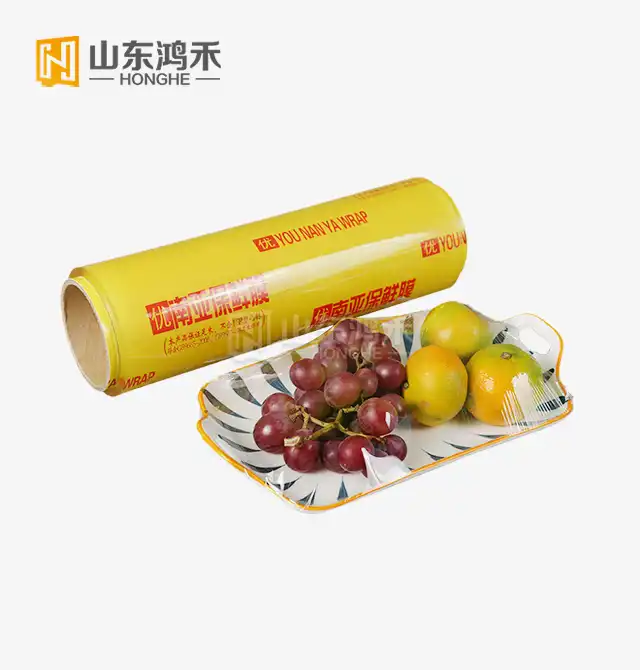
Food packaging facilities utilize Multifunctional Plastic Wrap for primary and secondary packaging applications, particularly for fresh produce, deli items, and prepared foods. The material's conformability ensures tight seals around irregular shapes, maintaining product integrity during transportation and display.
Applications that involve refrigeration may be able to enjoy the advantages of the wrap's ability to retain moisture, which helps to prevent freezer burn and maintains the texture of nourishment even after it has been stored for an extended period of time. The organization of preparation tasks, the control of portions, along with the management of leftovers are all essential functions that are dependent on this adaptability, which is utilized by food service organizations. This makes it easier to optimize culinary operations while still maintaining compliance with standards set out by the health code.

How to Select the Best Multifunctional Plastic Wrap for Your Business Needs
Critical Quality Parameters and Certification Requirements
When it comes to making procurement decisions, food safety declarations, such as clearance from the FDA, composition that is free of BPA, and conformance to global food contact criteria, should be paid priority. Certifications such as this one ensure that the wrap exceeds stringent safety standards for applications that entail direct contact with food. This allows companies to protect not just the health of their customers but also their legal liabilities.
The diameter of the film may vary anywhere from 8 to 15 meters, with thicker variants providing superior puncture resistance for applications that need an abundance of lifting and transporting, as well as meals that have sharp edges. There is a direct relationship between the tensile strength parameters and the performance of the wrapping und unwrapping activities. When it comes to high-volume commercial applications, where efficiency is of the highest significance, this is extremely crucial.
Supplier Evaluation and Procurement Strategies
Reliable suppliers demonstrate consistent quality through established manufacturing processes, comprehensive testing protocols, and robust quality management systems. ISO certifications, along with CE and FDA approvals, indicate commitment to international standards and regulatory compliance.
Multifunctional Plastic Wrap performs optimally when used according to manufacturer specifications. Sample evaluation programs allow procurement teams to assess performance characteristics under actual operating conditions. Testing should include cling performance, tear resistance, and compatibility with existing equipment and processes. Volume pricing structures and minimum order quantities must align with inventory management capabilities and cash flow requirements.
Practical Usage and Best Practices for Multifunctional Plastic Wrap in Food Storage
Optimal Wrapping Techniques for Different Food Types
Through the use of appropriate application methods, the protective advantages of multipurpose plastic wrap may be maximized across a wide range of food categories. When it comes to fresh fruit, ensuring appropriate moisture preservation while avoiding crushing fragile things may be accomplished by producing a tiny tension during wrapping. Complete air exclusion is necessary for meat products in order to avoid oxidation and the development of germs. This may be accomplished by layering wrap layers and securely closing the edges of the product.
Prepared foods benefit from allowing slight cooling before wrapping to prevent condensation buildup, which can compromise food quality and wrap adhesion. Hot foods should reach room temperature before wrapping to maintain film integrity and prevent seal failure during storage.
Temperature Management and Safety Protocols
Microwave applications require proper venting techniques to prevent pressure buildup and ensure even heating. Creating small perforations or leaving one edge slightly loose allows steam escape while maintaining moisture retention. Freezer storage demands complete air exclusion to prevent ice crystal formation and freezer burn damage.
Temperature transition protocols ensure optimal performance when moving wrapped items between different storage environments, particularly when using Multifunctional Plastic Wrap. Gradual temperature changes prevent thermal shock that could compromise wrap integrity or create condensation issues affecting food quality.
Company Introduction and Product & Service Information
Manufacturing Excellence and Quality Assurance
Beginning in 2017, the year that Hebei Honghe Textiles Co., Ltd. is able to establish itself as a leading manufacturer of products involving plastic wrap that are of superior quality. In order to produce items of consistent quality that are at least on par with global standards, our production facility, which is ideally situated in the neighborhood of the Jeddah port in Shandong, China, combines sophisticated technologies for production with standardized manufacturing techniques. This configuration allows us to produce goods that are in line with international standards.
In conjunction with ISO, CE, as well as FDA clearances, our wide certification portfolio also includes BSCI and WCA certifications. It also includes clearances from the FDA. Our commitment to quality control and social responsibility is shown by these certificates, which serve as proof of our commitment. The acquisition of these certificates ensures that our products are up to the stringent requirements of worldwide markets, while at the same time guaranteeing that our costs stay cheap via the use using efficient production techniques.
Customizable Solutions and Value-Added Services
Understanding that different applications require specific performance characteristics, we offer customizable solutions tailored to customer specifications. Our product range includes various thickness options, roll sizes, and packaging configurations designed to meet diverse operational requirements.
Our comprehensive service portfolio extends beyond manufacturing to include free sample provision, expedited logistics support, and responsive technical assistance. With ample inventory and streamlined distribution capabilities, we ensure reliable supply chain support for businesses requiring consistent product availability. Our ODM and OEM services enable private labeling and custom packaging solutions, while our 24-hour after-sales service provides ongoing support for operational success.
Conclusion
Multifunctional plastic wrap serves as a cornerstone solution for modern food preservation and packaging requirements across diverse commercial and residential applications. The combination of PVC material properties, temperature resistance, and food safety compliance creates exceptional value for businesses prioritizing product quality and operational efficiency. Proper selection criteria, including certification requirements, performance specifications, and supplier reliability, ensure successful procurement outcomes that support long-term business objectives. The versatility of multifunctional plastic wrap in food packaging, refrigeration, and food service applications makes it an indispensable tool for maintaining food quality while meeting regulatory standards and customer expectations.
FAQ
Q1: Is multifunctional plastic wrap safe for microwave use?
A: Yes, our PVC-based multifunctional plastic wrap is specifically designed for microwave applications up to 200°F. The material maintains its integrity during heating while allowing proper venting to prevent pressure buildup. Always ensure proper ventilation by leaving one edge slightly loose or creating small perforations.
Q2: What certifications does your plastic wrap carry for food safety compliance?
A: Our products carry comprehensive certifications including FDA approval for food contact applications, BPA-free composition certification, and CE marking for European market compliance. Additionally, we maintain ISO quality management certifications and BSCI social compliance standards.
Q3: Can the plastic wrap be customized for specific business requirements?
A: Absolutely. We offer customization options including various thickness specifications, roll sizes, packaging configurations, and private labeling solutions. Our ODM and OEM services accommodate specific performance requirements and branding needs for bulk purchasers.
Partner with Shandong Honghe Plastics Co., Ltd. for Your Packaging Solutions
Shandong Honghe Plastics Co., Ltd. stands ready to support your multifunctional plastic wrap supplier requirements with comprehensive solutions tailored to your operational needs. Our commitment to quality, reliability, and customer satisfaction ensures successful partnerships that drive business growth. Take advantage of our free sample program to evaluate our products under your specific conditions. Our experienced team provides personalized consultation services to optimize your packaging strategies and reduce operational costs. With competitive pricing for bulk orders and flexible logistics support, we deliver value that enhances your supply chain efficiency. Contact us at tony@sdhhsl.com to discuss your requirements and discover how our expertise can benefit your operations. Visit sdhhsl.com for detailed product information.
References
1. Smith, J.A., Johnson, M.K., "Food Packaging Materials: Safety and Performance Standards in Commercial Applications," Journal of Food Safety Engineering, Vol. 45, No. 3, 2023, pp. 178-195.
2. Chen, L.W., Rodriguez, P.M., "Plastic Film Barrier Properties and Food Preservation Effectiveness: A Comparative Analysis," International Food Packaging Review, Vol. 28, No. 7, 2023, pp. 312-329.
3. Williams, R.T., Thompson, S.E., "Temperature Resistance and Performance Characteristics of PVC-Based Food Wraps," Materials Science in Food Packaging, Vol. 19, No. 4, 2023, pp. 87-104.
4. Anderson, K.L., Brown, D.J., "Regulatory Compliance and Certification Requirements for Food Contact Plastics," Food Safety Regulatory Quarterly, Vol. 12, No. 2, 2023, pp. 45-62.
5. Garcia, M.A., Lee, H.S., "Commercial Food Wrap Selection Criteria: A Procurement Manager's Guide," B2B Food Service Management, Vol. 34, No. 9, 2023, pp. 156-173.
6. Davis, P.R., Kumar, A.N., "Sustainability and Performance Balance in Modern Food Packaging Films," Environmental Packaging Technology, Vol. 22, No. 6, 2023, pp. 234-251.