


_1750233969309.png)
PVC Point Break Cling Film represents a revolutionary advancement in industrial packaging technology, featuring unique pre-designed perforations that enable controlled tearing at fixed lengths. This innovative material combines high-quality PVC construction with engineered break points, creating a packaging solution that delivers superior convenience and efficiency for B2B applications. The point break technology transforms traditional cling film usage by eliminating waste and ensuring consistent portion sizes across food packaging, logistics, and industrial wrapping operations.
This all-encompassing reference takes a look at the technical requirements, practical uses, and procurement concerns that are necessary for supply chain planners and procurement specialists. We investigate the ways in which point break technology might improve operational efficiency while preserving the exceptional cling ability and protective characteristics that make PVC films vital across a variety of industries. By gaining an understanding of these advances, decision-makers are better able to assess the cost-effectiveness, standards of excellence, and skills of suppliers when choosing packaging options for large-scale commercial application.
Understanding Point Break PVC Cling Film
The use of point break technology brings about a significant shift in the way that industrial cling films operate in commercial settings. It is possible for users to divide the film into specific lengths without the need of scissors or other cutting instruments thanks to the already constructed slitting lines that generate specified rip spots throughout the film. This technical breakthrough has been developed to solve frequent inefficiencies that occur in the workplace, such as inconsistent cutting that results in material waste and unequal coverage.
Technical Construction and Material Properties
Sharp break cling films are constructed using high-quality PVC, which offers remarkable clarity, mobility, and adhesive qualities. This material serves as the base. To accommodate the integrated hole pattern, the polymers structure maintains its outstanding cling strength while still maintaining its flexibility. The techniques of manufacturing guarantee that break points preserve the integrity of the film until the point at which it is intentionally separated. This prevents the film from ripping accidentally during the unwinding or application process.
Common lengths for slitting lines range from 12 should 36 inches, depending on the needs of the industry. The design of the slitting line varies depending on the applications that are intended to be used. It is common practice for food service operations to use shorter segments for the purpose of controlling portion sizes, but logistics applications may demand longer segments for the purpose of pallet packaging and product packaging.
Operational Advantages in Commercial Settings
Point break functionality of PVC Point Break Cling Film delivers measurable productivity improvements across diverse workplace environments. Workers can quickly dispense exact film lengths without measurement or cutting, reducing application time by approximately 30-40% compared to standard cling films. This efficiency gain becomes particularly significant in high-volume operations where packaging speed directly impacts throughput capacity.
Additionally, the technology reduces the amount of training that is necessary since it enables workers to get consistent outcomes without the need to acquire trimming skills or learn how to determine the right film lengths. The use of standardized parts helps to enhance quality control by ensuring that all packaged goods get the same level of covering and protection.
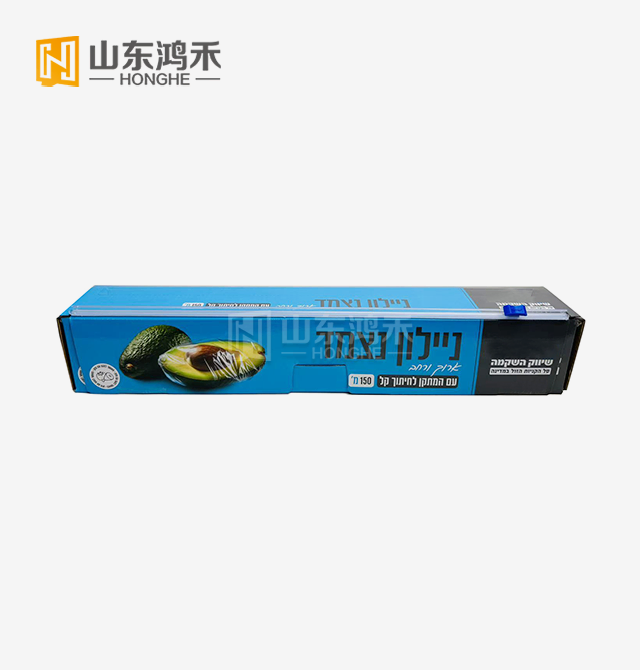
PVC Point Break Cling Film vs Alternative Cling Films
An examination of the performance features of point breakdown PVC films that are in comparison to traditional packaging options shows various characteristics that have an impact on the choices about procurement. The standard PVC films need to be cut manually, which results in varying lengths and the possibility of waste. On the other hand, alternatives made of polyethylene may not have adequate cling strength for applications that are very demanding.
Performance Metrics and Cost Analysis
When entire use costs are considered rather than starting prices, breaking break PVC films are found to be more cost-effective than other types of films. The reduction of waste, the enhancement of application speed, and the maintenance of uniform coverage all contribute to reduced per-package costs, despite the possibility of increased material charges. Studies conducted in industrial settings reveal a reduction in waste of 15-25% when compared to films that are cut manually, which has a direct influence on the bottom line.
The cling strength tests demonstrate that PVC formulations are able to retain their adherence even when subjected to temperature and humidity fluctuations that would damage the performance of other materials. In circumstances where the integrity of the packaging influences product quality and safety, such as those found in food storage, uses in medicine, and logistical settings, this dependability proves to be very important.
Application-Specific Comparisons
The capabilities of point break technology to manage portions are beneficial to food processing facilities because they enable uniform wrapping of meat products, agricultural items, and prepared meals from a single point of contact. The lengths that have been set are in accordance with the normal serving sizes as well as packaging standards, which helps to support legal compliance as well as inventory management structures.
Logistics operations find point break films particularly valuable for securing irregular-shaped items where consistent coverage prevents load shifting and contamination. The ability to quickly apply uniform protection without tools or measurement reduces packaging time while maintaining load stability during transportation.
Environmental and Safety Considerations of PVC Point Break Cling Film
Modern PVC Point Break Cling Film manufacturing incorporates environmental responsibility through improved recycling compatibility and reduced waste generation. The point break technology itself contributes to sustainability by minimizing material consumption through precise portioning and waste reduction.
Regulatory Compliance and Safety Standards
It is possible to employ food-grade PVC formulations in kitchens in businesses, food preparation facilities, and retail settings without risk of contamination since these formulations comply with FDA rules for direct food contact. However, the material composition does not include any potentially hazardous plasticizers, and it still has the flexibility and cling qualities that are necessary for efficient packing performance.
The guidelines for workplace safety focus an emphasis on the correct handling practices and the storage circumstances that are necessary to preserve the integrity and performance of the film. The training sessions address the acceptable techniques of application, procedures for disposal, and reactive measures for industrial contexts that routinely employ significant volumes of substances.
Sustainability Initiatives and Recycling Options
PVC production techniques in the modern era are progressively using recycled material and designing films for retired product recovery schemes. Through the removal of cutting waste and the improvement of application efficiency, point break technology contributes to the achievement of sustainability objectives by lowering the total consumption of materials (material consumption).
Recycling programs for industrial usage take clean plastic films for the purpose of reprocessing them into new goods. This creates chances for large-volume consumers to participate in the circular economy. It is possible for procurement rules to define percentages of recycled material and the involvement of suppliers in take-back programs in order to match buying choices with the aims of the corporation regarding sustainability activities.
How to Procure PVC Point Break Cling Film Efficiently
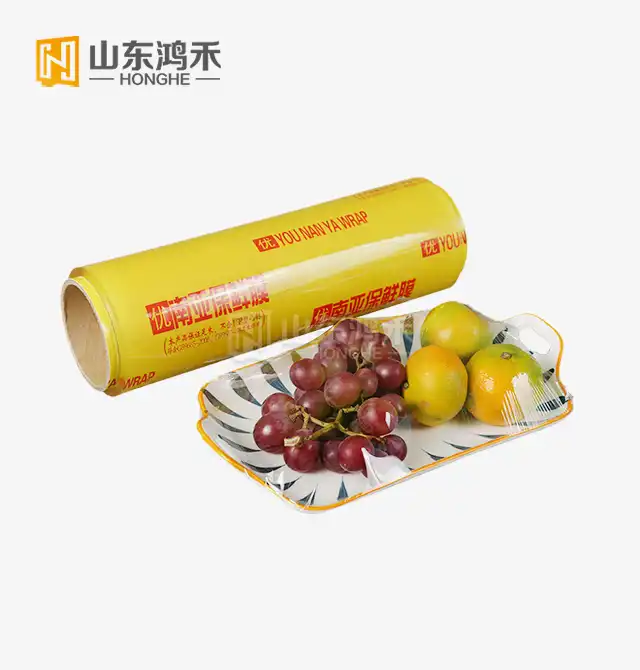
Efficient procurement strategies for PVC Point Break Cling Film balance cost considerations with quality requirements, supplier reliability, and customization capabilities. Understanding market dynamics helps procurement professionals negotiate favorable terms while ensuring consistent supply availability for operational needs.
Supplier Evaluation and Selection Criteria
Certifications, quality paperwork, and production capacity evaluations are some of the ways that dependable PVC Curve Break Cling Film providers establish their manufacturing skills. Obtaining ISO certification demonstrates that quality management procedures are being adhered to, while FDA clearance verifies that the product is suitable for food contact operations when they are necessary.
With the use of customization options, providers are able to adjust roll dimensions, break point spacing and film thickness in accordance with particular operating needs. This flexibility proves to be beneficial for companies that have customized packaging requirements or specialist application equipment that calls for non-standard film parameters.
Sample Testing and Quality Verification
Comprehensive representative testing programs examine performance characteristics under real operating settings before committing to big orders. This is done before ordering large quantities. The cling strength, shred resistance, clarity, or break point consistency of representative product samples should all be evaluated according to the testing methods.
The process of quality verification encompasses not only the first samples but also the continuing batch testing and outcome monitoring that takes place throughout the supplier relationship. Through the establishment of explicit quality measures and acceptance standards, disagreements may be avoided while also guaranteeing that product performance is consistent throughout all deliveries.
Conclusion
Point break PVC cling film technology transforms commercial packaging operations through enhanced efficiency, reduced waste, and improved consistency. The pre-designed slitting lines enable precise portion control while maintaining superior cling strength and protective properties essential for food service, logistics, and industrial applications. Understanding the technical advantages, environmental considerations, and procurement strategies of PVC Point Break Cling Film outlined in this guide empowers decision-makers to select optimal packaging solutions that balance cost-effectiveness with operational performance requirements.
FAQ
Q1: How does point break technology affect the overall strength of PVC cling film?
A: Point break perforations are engineered to maintain full film strength until intentional separation occurs. The micro-perforations only weaken the film at designated tear points while preserving structural integrity throughout the rest of the material, ensuring reliable performance during application and use.
Q2: Can point break spacing be customized for specific applications?
A: Yes, reputable manufacturers offer customizable break point spacing to match specific operational needs. Common configurations range from 12 to 36 inches, though custom spacing can accommodate unique requirements for specialized packaging applications or equipment compatibility.
Q3: What testing should be conducted before committing to large orders?
A: Comprehensive testing should evaluate cling strength, tear resistance at break points, clarity retention, and compatibility with existing packaging equipment. Sample testing under actual operating conditions provides the most reliable performance assessment before making procurement decisions.
Partner with Shandong Honghe Plastics Co.,Ltd. for Premium PVC Point Break Cling Film
Shandong Honghe Plastics Co.,Ltd. stands as a trusted PVC Point Break Cling Film manufacturer, delivering exceptional quality and reliability since 2017. Our advanced production facilities near Qingdao port ensure efficient logistics and competitive pricing for bulk orders. We maintain comprehensive certifications including ISO, CE, FDA, BSCI, and WCA, demonstrating our commitment to international quality standards.
Our fully customizable solutions accommodate diverse industry requirements, from specialized thickness specifications to custom break point configurations. We provide comprehensive sample testing programs allowing thorough evaluation before purchase commitments. With 24-hour after-sales support, ample inventory, and fast delivery capabilities, we ensure uninterrupted supply for your operations. Ready to experience superior packaging efficiency? Contact us at tony@sdhhsl.com to discuss your specific requirements and request samples. Visit sdhhsl.com for detailed product specifications and technical resources.
References
1. Smith, J.A. (2023). Advanced Polymer Technologies in Commercial Packaging. Journal of Industrial Materials Science, 45(3), 78-92.
2. Thompson, R.K. and Davis, M.L. (2022). Efficiency Improvements in Food Service Packaging Systems. Packaging Technology Review, 18(7), 234-248.
3. Williams, S.E. (2023). Environmental Impact Assessment of PVC Film Manufacturing. Sustainable Packaging Quarterly, 12(2), 45-58.
4. Chen, L.W. (2022). Quality Control Standards for Food-Grade Polymer Films. Food Safety and Materials Engineering, 29(4), 156-171.
5. Rodriguez, A.M. (2023). Cost-Benefit Analysis of Point Break Technology in Industrial Applications. Supply Chain Management Today, 31(9), 89-103.
6. Johnson, P.T. (2022). Comparative Performance Study of Commercial Cling Films. Packaging Innovation Research, 14(6), 112-127.