



PVC Food Wrapping Film: Benefits, Uses, and Buying Guide for Buyers
PVC food wrapping film https://www.sdhhsl.com/pvc-cling-film/pvc-food-wrapping-filmis a thin, flexible plastic film that clings to trays, bowls, and food without glue or heat sealing. Buyers choose it for clarity, stretch, and cling, which help supermarkets, restaurants, food processors, and distributors protect food and keep products visible. The right choice depends on food type, storage temperature, wrapping equipment, and compliance papers. This guide covers benefits, uses, material comparisons, specifications, and supplier checks so you can order with fewer surprises. I also explain how Shandong Honghe Plastics Co.,Ltd. supports bulk buyers in the United States.
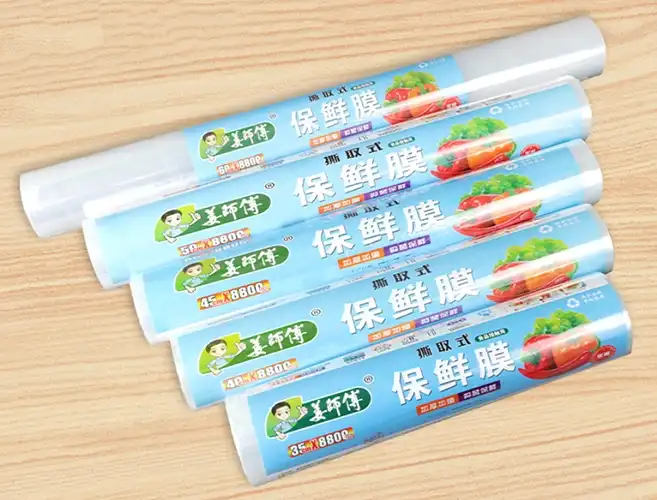
What PVC Food Wrapping Film Is, and Where It Wins and Falls Short?
First, let me talk about what's inside. Making small changes to the recipe can have a big effect on how your film works.
How PVC Cling Film Is Made?
Here is the first step in making PVC food wrapping film, which is also known as PVC food wrapping film. PVC is stiff by itself. How clear it is, how well it holds up to heat, and how fast it ages are all affected by other ingredients and stabilizers. The plasticizers make it soft and sticky. After that, a thin sheet is cut to the right width and wound around cores. It is important that the rope has tension. For the layers to stay in place, there needs to be enough stress. This is what a robot does wrong when it does it wrong. "PVC" doesn't mean that something is safe for food contact by itself; the parts that make it up and the rules for making it do.
Benefits Buyers Notice
The fact that it's clear is a plus. The thing can be looked at without having to be opened. You don't need tape to stick PVC food wrapping film to the edge of a bowl or tray. It can take on strange shapes if it can stretch. Red meat stays fresh because PVC food wrapping film lets air pass through it. Oxygen changes myoglobin into oxymyoglobin. Oxymyoglobin is bright red and makes people think of something being new. When the grades aren't foggy as much, it's easier to see signs and food in cold cases.
Limits You Should Plan For
A PVC food wrapping film box is not strong. Put foods that go bad quickly away for a long time. PVC food wrapping film might work better for this. To make plasticizers work better, you should check foods that are hot, heavy, or have been stored for a long time. If you want to use the microwave, read the directions carefully and don't put the wrap on the food. Do not heat it if the package tells you not to. Also, recycling rules vary from city to city, so make sure you know the rules before you tell people you are eco-friendly.
Common Uses of PVC Food Wrapping Film
The film is mostly shown in these places: homes, shops, and business kitchens.
Food Packaging and Retail Display
PVC food wrapping film is used to cover meat trays, chicken, fruit, veggies, baked goods, and deli foods in grocery shops. Prints on meat must be clear, stick well, and not tear easily. Lots of the time, produce apps need anti-fog features because cold cases make water droplets form. The core size, width, and rolling force must all be just right for these rolls to be helpful. You can wrap trays by hand or with a machine. You should test the film on your own trays and tools before you place a full order. Not all films can be used on all trays. Some might tear or wrinkle when put on a different type.
Refrigeration and Foodservice Operations
Hotel, restaurant, catering team, and main kitchens use wrap to protect ready-made food, prep cases, and trays kept in walk-in coolers. That's why the staff likes long rolls, films that don't move on the first pass, and films that are easy to cut. Every second saved adds up over the course of a shift. Each problem should be dealt with on its own, though. The film needs to be able to handle different temperatures and conditions when it's put in the fridge. It should also be able to hold warm food and heat it up in the microwave. You should look at the data sheet for each one and test the one you want to use the most.
Household Use and Smaller Rolls
A lot of people put leftovers in the fridge, cover bowls, or wrap sandwiches to keep them safe. Retail brands and distributors that sell to people in their own homes need their own labels, retail cartons, and smaller roll sizes. Our goods are changed to fit their needs. Print out some test strips of the film and see how well it sticks to paper, glass, and plastic while you plan your home line. How well the film sticks depends on what kind of surface it is. Before you print the box, make sure that the microwave text plays by the rules in your area.
PVC Film Compared With Other Wraps, Plus the Specs to Check
When you compare, you should look at more than just the price per roll.
PVC Versus PE Cling Film
PE cling film is often used to wrap things at home and in some places that serve food. A lot of PVC food wrapping film is clear and sticks well on its own. Many PE wraps, on the other hand, use chemicals that make them stick less, though. PE is sometimes picked over PVC because it doesn't react badly with plasticizers like PVC does. Because of this, they use it for high-fat foods or to follow work rules. Tests aren't always easy for them. Both can be used on trays that will be kept at the same temperature. Then, compare the cling, sharpness, tear behavior, and time it takes to work on each tray.
PVC Versus PVDC and Compostable Films
This film can be used for longer because it keeps air and water out better. But it needs to be done in a different way and might cost more. You can store red meat and other new foods that need to air out in PVC food wrapping film for a short time. People who care about the environment are interested in films that can be broken down, like PLA or cellulose films. Find out how far they can take trash, how clean they are, if they are licensed, and if there are composting sites near your customers' homes. The data sheet doesn't mean anything until you test the film on your screen.
Specifications to Request
Check the technical data sheet to see how thick, long, heavy, how many boxes it holds, what shape it is, and how wide it is. Finally, look at the performance values. These include the maximum temperature, stretch, cling force, tensile strength, tear resistance, undoing force, clarity, anti-fog behavior, and tear resistance. It's not always better to have a film that is too thick. It might make light plates less adjustable and raise the price per box. When you load big meat trays and light vegetable trays, you need to make sure the gauge is right for the load. Find out how much each wrapped gift really costs by comparing the price of the roll and how much space it has.
Compliance, Supplier Checks, and Buying Mistakes
I see documentation as part of the product because it helps keep your business safe.
Food Safety Papers to Collect
Title 21, Parts 174 to 178 of the Code of Federal Regulations tell the FDA how to handle things that are added to food but are not part of it. Ask each company if their film meets the needs. Also, ask if they have migration test results that are specific to the kind of food you need to keep safe and the temperature you need to keep it at. It is important to get lot numbers, research papers, and records of the quality system, like HACCP controls. By law (EU) No. 10/2011, plastics that come into contact with food can only move 10 mg per square decimeter if you sell them in Europe. If you save some from each lot, you can compare samples from different lots.
How to Evaluate a Supplier
Make your own list of things, like the type of food, the width and length of the film, how much you need each month, how you want to seal it, and what your private label needs are. Next, ask the supplier if they put the goods in boxes, check them, cut them, shape them, and so on. Each batch is no longer the same after these steps. Check out more than just the price per unit. Check out the shipping costs, the minimum order quantity, the wait time, and how claims are handled.
Get some samples, put them through your line, and write down the specs that everyone agrees on. People who buy things have different needs. For chains, the most important things are how well the dispenser fits and how well the roll fits. For buyers, it's about how to use containers and restock. And when it comes to processors, it's about long-term supply and machine compatibility.
Buying Mistakes to Avoid
When most people buy rolls, they think they'll save money. However, waste, broken trays, and slow packing cause them to spend more. Is there paper that says otherwise? If not, you might think that all PVC food wrapping film is safe for food contact. People also choose the wrong core size or thickness, don't pay attention to the heat in the warehouse that can damage rolls, or believe what people say about the environment without seeing proof. It costs the most to skip tries because lab numbers don't always show how a film will work on your tray and machine. Before you sign off on written instructions, make sure you know how much each wrapped package costs. Also, keep sample items for later use.
Why Buyers Choose Shandong Honghe Plastics Co.,Ltd.
Here's how our business meets your needs now that you know what to look for.
Company Background
Shandong Honghe Plastics Co.,Ltd. was set up in 2017. Cling film and stretch film are made from TPE, CPE, and PE. Gloves that are thrown away are made of PE and PVC. It is in the town of Liuguanzhuang in Shandong Province that we have our factory. Because it's close to Qingdao Port, it's easy to ship and move things. On a normal day, we use high-tech tools and have strict quality control to make things. Our products have been approved by ISO, CE, and FDA. The company has also been given the green light by BSCI and WCA. You should ask for the papers for the things you want to buy so that your team can look them over.
Product Features
Our PVC food wrapping film is made from good PVC. It's great for people who serve food, use it around the house, or package food to keep it cold. Because the specs are different for each customer, you can talk about the best thickness, size, and wrapping for how you plan to wrap the item. Your quality team can use our free sample service to check the cling, clarity, and tray performance before you place a large order. Most buying teams get samples, try them out, and then decide whether to buy or not. Let us know about your trays and how cold they are kept, and we'll help you find a good match.
Supply and Service
As important as good film is a steady supply. There are many goods in stock at the open business. We ship fast and can help with moving things around. We offer low-cost ODM and OEM services for private label programs, and we're here for you 24 hours a day, seven days a week after the sale. If there are problems on the line, make sure they are fixed quickly before they stop production. This will help warehouse managers avoid running out of stock. To learn more, go to sdhhsl.com.
Conclusion
People still use PVC food wrapping film to keep food cold, package it, and make things around the house. In order for it to keep fresh meat safe, it needs to be clear, stick well, stretch, and let air pass through. Because the package isn't very strong, it's important to test and clearly label foods that are hot, sticky, microwaved, or have been stored for a long time. It is clear that the best material will depend on the food, the tools, the length of time you need the film to last, and your commitment to being eco-friendly. The roll's price stays the same no matter how thick, wide, sticky, or crooked the package being wrapped is. There is more proof of performance and compliance when there is sample trials, paperwork, migration test results, and traceability that are all tied to the FDA. These tests can help people find a film that keeps food safe and does its job well.
FAQ
Q1: Is PVC food wrapping film safe for food?
A: It might be when the exact recipe meets the rules in your market about food contact. This is about FDA rules for food chemicals in the US. Ask your provider to give you a statement of compliance and movement test results for the food, temperature, and type of film you need.
Q2: Can I use it in the microwave?
A: When it says "okay" on the label. Food safety groups say to take the food out of the wrap and make sure there are holes in the top so the steam can escape. When cooking with fatty foods and high heat, be extra careful. Try before you say you'll use the microwave.
Q3: Is PVC film better than PE film for fresh meat?
A: Fresh meat stays bright red because PVC food wrapping film lets a lot of air through. It also sticks well. PE can be used for more than just softeners. Take a look at both of them.
Q4: Do you offer samples and custom sizes?
A: Yes. Folks at Shandong Honghe Plastics Co.,Ltd. let buyers try things out for free and can change things to suit their needs. Please email tony@sdhhsl.com with the type of food, the size of the film, and how much you need.
Request PVC Food Wrapping Film Samples From Shandong Honghe Plastics Co.,Ltd.
Shandong Honghe Plastics Co.,Ltd., a company close to Qingdao Port, produces PVC food wrapping film. They have ISO, CE, and FDA certifications, as well as customer service that is open 24 hours a day. On top of that, they do OEM and ODM work. If you email tony@sdhhsl.com with the type of food, film size, and monthly amount, we'll send you a free sample of our high-quality PVC food wrapping film.
References
1. Code of Federal Regulations, Title 21, Parts 174–178 (Indirect Food Additives), U.S. Food and Drug Administration, 2023.
2. Commission Regulation (EU) No 10/2011 on Plastic Materials and Articles Intended to Come into Contact with Food, Official Journal of the European Union, 2011.
3. Food Packaging: Principles and Practice, Third Edition, Gordon L. Robertson, CRC Press, 2012.
4. Plastic Films in Food Packaging: Materials, Technology and Applications, Sina Ebnesajjad (Ed.), William Andrew, 2013.
5. Current Research in Meat Color, Mancini and Hunt, Meat Science, 2005.
6. AMSA Meat Color Measurement Guidelines, American Meat Science Association, 2012.