



PVC Food Wrapping Film for Meat Packaging Solutions
PVC food wrapping film https://www.sdhhsl.com/pvc-cling-film/pvc-food-wrapping-filmsticks to trays but lets air flow through. It is clear and can be cut to fit. It lets air pass through, which keeps the color of fresh red meat bright on the shelf, and its stretch makes it easier to wrap by hand or machine. The best choice depends on the thickness, how well it sticks, how resistant it is to tears, the temperature at which it will be stored, and the documents that will be touching food. This guide explains how the film works, how it compares to PE and PVDC, and how to test samples before ordering a lot of it. I also talk about how Shandong Honghe Plastics Co.,Ltd. helps both small and large businesses.
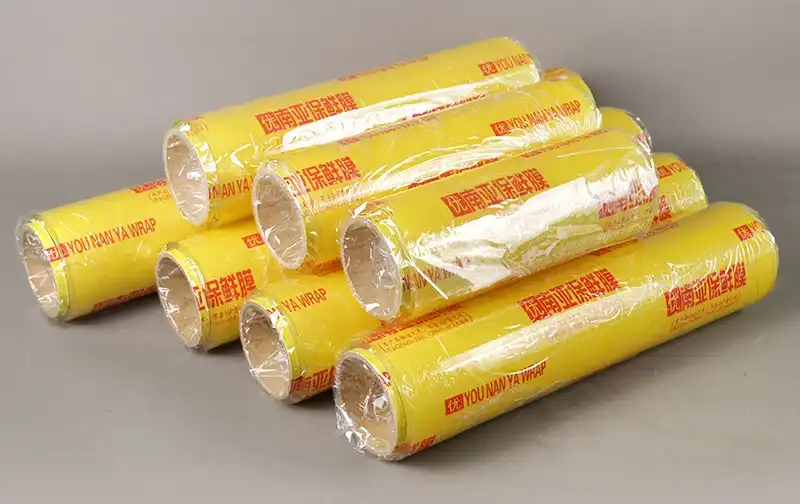
Why Meat Packaging Requires the Right PVC Food Wrapping Film?
What Is PVC Food Wrapping Film for Meat Packaging?
PVC food wrapping film is clear and bendable. It is made from polyvinyl chloride resin and approved additives. Plasticizers make the film soft, stretchy, and able to stick to itself. This means that meat and trays can be put inside it without having to be heated and sealed. People use it to cover trays, single servings, and ready-to-eat foods in grocery stores, butcher shops, meat processing plants, and commercial kitchens. Because it fits so tightly, the cooler doesn't lose too much water, smells, or get handled too much. Our film is made from high-quality PVC and can be used at home, to package food, to keep food cold, and in food service. Still, I never tell people that any PVC film will do. Read technical and legal documents before you choose to touch the meat directly, freeze it, or store it for a long time. What happens depends on the resin, the additives, the process, and the thickness.
Key Performance Requirements for Meat Packaging Film
While some movies focus on just one thing, good meat films keep a lot of other things in check. Cling wrap keeps the package shut, and stretch wrap lets people wrap quickly with little waste. Clear skies and little fog let shoppers see color, cut, and trim. When cutting meat with bones, poultry, or sharp tray edges, it's important that the food doesn't get punctured. It's also important that oxygen can pass through. A study in Meat Science says that when oxygen hits myoglobin, it changes into oxymyoglobin. This is the bright red color that shoppers think of when they think of fresh food. Most PVC cling films won't work with high-barrier or modified-atmosphere packs, so pick the film based on how long you want it to last. Last, make sure it works with your line's dispensers, heated cutters, and automatic wrappers. A film might look great on paper, but it might tear or wrinkle on some machines.
PVC Food Wrapping Film Thickness and Temperature Range Guide
PVC food wrapping film: Choose the thickness based on how heavy the item is, the shape of the tray, any sharp edges, how long it will be stored, and how it will be wrapped. Lighter film works best with small, smooth pieces. Because they are stronger, heavy or medium grades are better for standard trays, bone-in cuts, poultry, and big packs. The temperature needs to be checked by itself. There are five different situations: putting it away in the fridge, moving it in the fridge, using the freezer, handling it at room temperature, and heating it. On the technical data sheet, it should say what range is fine for each one. It's not enough to think that PVC cling film will work in ovens, microwaves, direct heat, or deep freezers when you want to buy it. Get proof in writing and take a test in the real world. Talk to our team about the different thickness and size choices. They will also make sure that the specs fit your cooler, line, and products.
Safety, Production, and Material Comparison for Meat Film
Is PVC Food Wrapping Film Safe for Meat Packaging?
Because the formula must follow the rules of the market it's made for and be used in a certain way. Part 177 of Title 21 of the Code of Federal Regulations tells the FDA how to watch over things that come into contact with food in the US. Rule 10/2011 tells people in Europe what they can and cannot do with food and plastic. People who want to buy something should ask for a food-contact declaration, migration test results, technical specifications, and the ability to keep track of each batch because plasticizers can get into fatty foods. Make sure that the papers talk about meat or fatty foods, how long the food should be exposed, and how cold it should be kept. Quotes that start with "food safe" don't say much. Hanzhong Honghe Plastics Co., Ltd. is certified by ISO, CE, and FDA. We can talk about the papers that will help you get better grades and get hired.
How PVC Food Wrapping Film Is Made and Quality-Controlled
They mix PVC resin with approved additives before they make a thin film. The mix is then pushed through a die or laminated. Next, they choose the width, thickness, clarity, how sticky it is to the surface, and how it is wound. As part of a good quality check, the uniform thickness, roll length, clarity, haze, cling, tensile strength, puncture resistance, smell, core size, and the condition of the package are all things that are looked at. It's just as important for B2B buyers that the next batch is the same as the first one.
There is less supply risk when batches can be tracked, inspection standards are set, packing is ready to ship, and labels are correct. The factory is in Liuguanzhuang Town, which is in Shandong Province and not far from Qingdao Port. Standard workshops with high-tech tools and strict quality control are run by the company. Before making a lot of them, you should check to see how the samples match up with the real meat trays, wrappers, and room temperature.
PVC Food Wrapping Film vs. PE and PVDC: Which Is Better for Meat?
For different things, they work well. People who work in supermarkets and butcher shops often use PVC for hand-wrapping and cold trays because it is clear, sticks well, stretches well, and lets colors stand out. It depends on the grade and how things work where you live, but PE can be used in freezers for certain tasks, formulation preferences, or recycling goals.
More oxygen can't get through PVDC, which is helpful when you need to keep the moisture level steady or make the food last longer. A low-oxygen pack, on the other hand, turns fresh meat purple-red until air reaches the top. This makes it useful in a number of store settings. Don't just compare the price per roll; also look at the total cost per usable package. This takes into account things like waste, speed of wrapping, compliance, and goals for sustainability. You can also choose PE cling film, which we can talk to you about.
Matching Film to Applications, Suppliers, and Buying Steps
Selecting PVC Food Wrapping Film for Different Meat Packaging Applications
The boxes for fresh beef, pork, and lamb need to be clear, stick to things, not tear easily, and be able to handle being kept in the cooler. PVC food wrapping film meets these requirements for fresh meat packaging.
Cuts that go through bones need extra strength so they don't tear, and chicken needs to be tested in wet places where there are sharp bones. People also wonder how the fat changes the smell, taste, how well the surface sticks, and how easy it is to open when meat is processed or sliced. Grocery stores care about how things look, how quickly they are wrapped, how cleanly they are cut, and how consistent the rolls are. It is important for restaurants and central kitchens to have rolls that are easy to handle, come in useful sizes, and can be kept safely in coolers. Our film can be used in homes too, which means that one supplier can handle lines for stores, restaurants, and homes. Tell us what kind of meat and tray style you want, and we'll help you choose before you taste them.
How to Choose a Dependable PVC Food Wrapping Film Supplier
First, write down the width, length, thickness, core size, equipment, storage conditions, target market, expected volume, and private-label needs of your film. Next, find out if the company makes, sells, or distributes things. Check to see how much it can make, how well it can be tracked, and how much experience it has exporting. Look at quotes that use the same Incoterms and describe the same things. Find out how much it costs per square meter or per package that needs to be wrapped, taking into account the waste and the changes in rolls. Make sure you know the minimum order quantity (MOQ), lead time, sample policy, OEM capabilities, payment terms, and how to get in touch with customer service after the sale. Honghe Plastics Co., Ltd. has been making PE and PVC cling film since 2017. They have a lot of stock on hand, help with shipping and logistics, and offer customer service 24 hours a day, 7 days a week after the sale.
From Sample Testing to Bulk Procurement: A Practical Buying Process
If the steps are clear, you're less likely to buy the wrong film. The first thing you should do is make a technical brief that lists the type of meat, the size of the tray, the wrapping tools, the storage conditions, the documents that are needed, the amount that is expected, and the delivery dates. Second, get samples, data sheets, and proof that the suppliers you choose follow the rules. Make a short list of these suppliers. Third, test the samples with real-life machines and goods. Check to see how quickly the film can be wrapped, how well it looks, and how well it works after being stored. Fourth, write down the tolerances that are okay, the steps for inspection, the artwork that will be used for packing, how to handle claims, and the terms of delivery. If you want to know how consistent each batch is after the first one, keep track of waste, broken items, failed packages, complaints, and how much rubbish you have. For your team to try them out before deciding to buy in bulk, our company gives them away for free.
Customization and Final Selection for Wholesale Buyers
Why a Technical and Customizable Supplier Can Add More Value?
An IT supplier does more than just send out paper rolls. PVC food wrapping film: Choose the thickness based on how heavy the item is, the shape of the tray, any sharp edges, how long it will be stored, and how it will be wrapped. Lighter film works best with small, smooth pieces. Because they are stronger, heavy or medium grades are better for standard trays, bone-in cuts, poultry, and big packs. The temperature needs to be checked by itself. There are five different situations: putting it away in the fridge, moving it in the fridge, using the freezer, handling it at room temperature, and heating it.
On the technical data sheet, it should say what range is fine for each one. It's not enough to think that PVC cling film will work in ovens, microwaves, direct heat, or deep freezers when you want to buy it. Get proof in writing and take a test in the real world. Talk to our team about the different thickness and size choices. They will also make sure that the specs fit your cooler, line, and products. Custom widths can help cut down on trimming waste, and longer rolls can make it easier to switch between rolls. Cores that are the right size and shape can be used in dispensers and store equipment.
It is possible for distributors to make their own brand and make sure that all of their products look the same in every market. Because our factory does both ODM and OEM work, we can change the specs to meet your needs. It's also important to communicate quickly, make sure documents are correct, be consistent from the sample to the production, and plan for delivery. It's not enough to just look at the roll's price. You should also consider how much less waste there is, how stable the performance is, how reliable the supply is, and how much less a package costs overall.
Final Selection Checklist for PVC Food Wrapping Film for Meat Packaging
Before you give the film the go-ahead, you should look at three things: how well it works, how legal it is, and how strong the supplier is. Look at the thickness, cling, stretch, clarity, resistance to punctures, and how well it fits with your wrapping tools to see how well it works. Claims about coolers or freezers should be backed up by facts, not guesses.
When it comes to rules, make sure the papers cover the recipe itself, the temperature, the contact time, and any meat or fatty foods that came into contact with it. Before you buy something, make sure you know the minimum order quantity (MOQ), lead time, batch traceability, export packing, and whether you can use your own label. Write a sample approval process and clear quality terms at the end of the order. Take these steps to keep repeat wholesale and international orders safe. They also give your buying team a record that they can use in the future.
Why Buyers Choose Shandong Honghe Plastics Co.,Ltd.
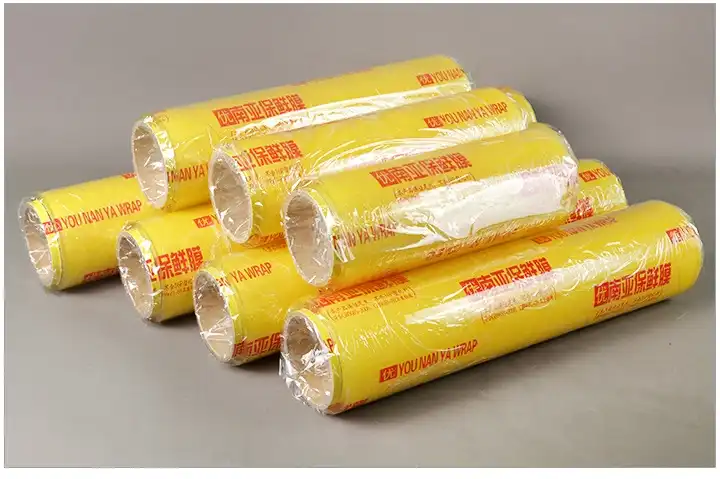
Our PVC food wrapping film is made from high-quality PVC and can be used at home, to store food, to keep food cold, and for food service. They can be changed to fit your line, and you can try them out for free to see how good they are. ISO, CE, FDA, BSCI, and WCA have all given the company their trust. Shipping is easy because we're close to Qingdao Port, and we keep a lot of stock on hand to make sure you get it quickly. We also offer good deals on large orders and are open 24 hours a day, seven days a week for customer service. Buying managers often worry about the safety of the product, how much it costs, how long it will last, and whether they can change the specifications. Those worries are taken care of by these strengths.
Conclusion
Film that is made for that product, that equipment, and that storage plan is the best way to package meat. PVC food wrapping film is clear, sticks well, stretches, and lets air pass through. This helps fresh red meat keep its bright color. Other things make PE and PVDC film better, like the fact that you can put them in the freezer and that they last longer. Users need proof that it can be used with food, information on migration, and temperature limits that work for them because safety depends on the exact formulation. Everyday performance depends on how thick it is, how well it fits the machine, and how resistant it is to holes. When production is consistent, results stay the same from batch to batch. There is less risk when there is a structured process of briefing, sampling, testing, and approval before the bulk orders are made. After that, clear supplier terms, customization, and OEM options help keep costs and waste low.
FAQ
Can PVC food wrapping film touch meat directly?
Yes, but only if the formula is legal for your use and market. For a food-contact declaration, migration test results that include meat or fatty foods, contact time, and temperature are some things you should ask for.
How do I choose the right thickness?
The food should fit inside, and the wrap should go around the edges of the tray and around bone-in cuts. Check out two or three grades on real trays and machines. Then, count how many holes they made and how much film they used.
Is PVC film suitable for freezer or microwave use?
Don't think that. Before you can use standard cling film, you need to get written confirmation of the temperature range it can handle. After that, you have to test it yourself. First, take a look at the tech sheet.
Do you offer free samples?
Yes. Shandong Honghe Plastics Co., Ltd. lets people try out the film for free before they place a big order.
Request a PVC Food Wrapping Film Solution for Your Meat Packaging Operation
Want to know where to get PVC food wrapping film for packing meat? We offer free samples of high-quality PVC film at Shandong Honghe Plastics Co., Ltd., and we can also make films exactly the way you want them. They do OEM and ODM work as well. Email tony@sdhhsl.com with the type of meat, tray format, film size, thickness, and monthly volume to get a plan that works for you.
References
1. Meat Science, 2005: "Current Research in Meat Color," Mancini and Hunt.
2. Annual Review of Food Science and Technology, 2013: "Myoglobin Chemistry and Meat Color," Suman and Joseph.
3. Journal of Food Science, 2007: "Food Packaging—Roles, Materials, and Environmental Issues," Marsh and Bugusu.
4. Code of Federal Regulations, Title 21, Part 177 (Indirect Food Additives: Polymers), U.S. Food and Drug Administration, 2024.
5. Official Journal of the European Union, 2011: Commission Regulation (EU) No 10/2011 on plastic materials and articles intended to come into contact with food.
6. CRC Press, 2012: Food Packaging: Principles and Practice, Third Edition, Robertson.