


_1750233969309.png)
Slider Cutter PVC Cling Film: Improve Cutting Efficiency
Every second counts in business settings with a lot of people. Slider Cutter PVC Cling Film is a big step forward in food packing technology that solves important problems in the business world. This special film, which is made from Polyvinyl Chloride resin and works with a new bi-directional sliding blade system, changes the way companies wrap things every day. Traditional serrated-edge containers can cut workers and make tears that aren't even, but the sealed slider system makes precise cuts while keeping workers safe. As a result, there is usually a 15-20% drop in material waste and better safety in the workplace. This makes it a smart buying choice for operations that need to be both efficient and compliant.
Introduction
Slider Cutter PVC Cling Film is now an important part of business kitchens, food processing plants, store fresh areas, and packaging operations all over the United States. We know that purchasing managers are under more and more pressure to keep costs low while also making sure that workers are safe and products are of good quality. Traditional ways of cutting create annoying bottlenecks: open serrated blades hurt people's hands a lot, uneven tears waste expensive material, and it takes a long time to find the film edge, which slows down otherwise fast-paced processes.
This article looks at how slider technology turns these problems into benefits that give businesses a competitive edge. This answer solves important business problems that have a direct effect on your bottom line by combining safety engineering with precise cutting mechanisms. Whether you're in charge of a commercial kitchen where hundreds of containers need to be wrapped every day or a packaging line where materials need to be used consistently, knowing the technical and economic benefits of Slider Cutter PVC Cling Film helps you buy equipment that fits your production goals and builds long-term relationships with suppliers.
Understanding Slider Cutters for PVC Cling Film
What Makes Slider Cutters Different?
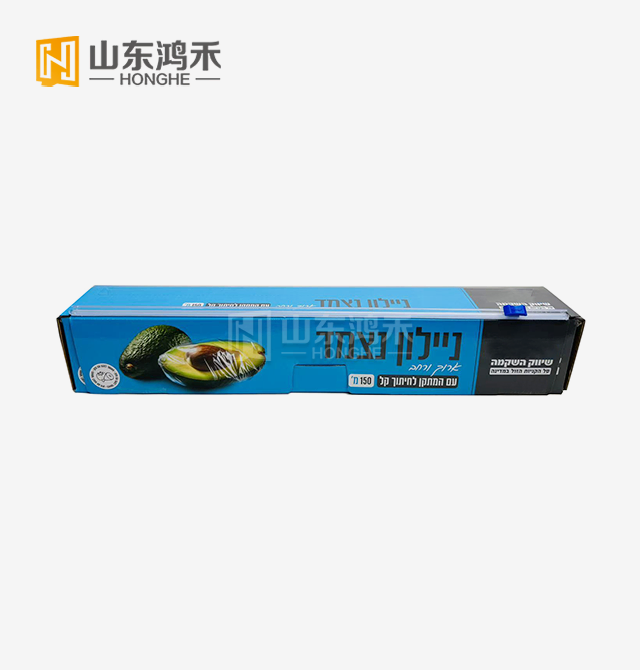
The slider cutter method is a major improvement over the old way of spreading film. Instead of having metal serrations that are visible, the system has a sharp blade inside a protective plastic case that moves along a stiff track. When you pull the film to the length you want and slide the cutter across it, the blade inside makes a clean, straight cut without putting your fingers near any sharp edges. The track is usually made of rigid PVC or PET materials, and it stays together after more than 5,000 cutting rounds without warping or coming apart from the box.
Operational Principles and Material Science
How well this method works rests on the special properties of the Slider Cutter PVC Cling Film. With a thickness of 9 to 14 microns and an extension capacity of 150 to 200%, the material can stretch over a wide range of container forms without breaking. Because the film has elastic memory, it pulls back tightly after being stretched. This makes seals that are strong on surfaces like stainless steel, pottery, and glass. Modern versions use plasticizers that don't contain phthalates, like DOTP or ATBC. These meet the rules for direct food contact set by FDA 21 CFR 177.1975 and EU Regulation No 10/2011. This compliance is very important when your supply chain manager looks at the certifications of your vendors during quality checks.
Market Alternatives and Their Limitations
Standard hand cuts and basic dispensers are still used in low-volume settings, but their flaws become clear in industrial settings. Checking the blade sharpness of manual knives is always a risk of getting hurt. Simple cardboard boxes with metal teeth have rough edges that make it harder to seal and make more trash. When roll frames don't have cutting devices, workers have to tear film by hand, which leads to uneven lengths and tangled material. These options don't have the precise tracking and safety protection that make slider technology what it is, so they can't be used in places where OSHA compliance and efficiency metrics are important.
Comparing Slider Cutters with Regular Cutters and Dispensers
Precision and Waste Reduction
Material preservation is improved by the directed cutting action of slider mechanisms in a measured way. When comparing how precisely they cut, slider systems make lines that are straight and consistent with little variation, while metal teeth with serrations make tears that aren't straight and often go beyond the intended cutting line. This accuracy directly translates to cost savings: a facility that uses 10 rolls every month can cut waste by about two rolls every year, which means big savings when buying in bulk. When you get rid of tangled film and unfinished cuts, each roll gives you more material that you can use, which makes your cost-per-wrap estimate better.
Safety Standards and Ergonomic Benefits
Data on workplace safety shows that covered blade designs greatly lower the number of laceration accidents compared to metal edges that are left open. The slider mechanism keeps the sharp cutting edge away from the user's fingers, which is a common safety worry in business kitchens and packaging plants. An added benefit of the practical design is that it lowers the risk of harm. Instead of pressing down on jagged edges, workers can make clean cuts by moving their hands horizontally. This keeps their hands from getting tired during long shifts. This benefit for ergonomics helps cut cycles go faster, so workers can do more work in an hour without sacrificing cut quality.
Durability and Long-Term Value
Professional slider systems are different from market ones because of the quality of the materials they are made of. High-quality slider rails can handle the grease, water, and temperature changes that are typical in business settings. The pressure-sensitive glue that holds the rail to the box will stay strong for about two years if it is stored properly. When looking at the total cost of ownership, the long life and steady performance of slider mechanisms make the original investment worth it. This reliability is especially important when building long-term relationships with suppliers, because reliable equipment cuts down on operating interruptions and emergency repair orders.
Benefits and Practical Advantages of Using Slider Cutters with PVC Cling Film
Operational Efficiency in Commercial Settings
Businesses that provide food service to the public show how Slider Cutter PVC Cling Film technology can boost productivity. In industrial kitchens making hundreds of meal packages daily, time saved on each cut of Slider Cutter PVC Cling Film adds up significantly. Staff can work continuously without stopping to find film ends or clean torn sheets. The uniform cutting length of Slider Cutter PVC Cling Film also aids portion control—kitchen managers can train staff to pull different lengths for various container sizes. These benefits extend to supermarket back-of-house operations where workers wrap fresh meat, poultry, and produce on Styrofoam trays using Slider Cutter PVC Cling Film, cutting quickly and consistently while maintaining display quality.
Material Conservation and Cost Analysis
Figuring out how much film is used each year makes the financial effects of reducing waste clear. Imagine a medium-sized food processing plant that has to wrap 500 items every day. Using old-fashioned methods, they might throw away 3–5 meters of useless film per roll because it gets tangled and tears unevenly. This wastes between 750 and 1,250 meters of the 250 rolls that are bought every year. Slider methods keep this loss to a minimum by making precise, full cuts that make the most of each roll's useful length. When purchasing managers look at quotes from suppliers, adding the cost of reducing trash to the price per unit shows the real value offer that goes beyond the initial purchase price.
Safety Protocols and Maintenance
To keep performance at its best, simple methods that are easy to add to current quality control systems are needed. We suggest checking the slider rail connection and blade sharpness once a month. The blade usually keeps cutting well for the whole roll, so there are no breaks in the middle of the roll for replacement. Conditions of storage have a big effect on how long something lasts. Keeping goods in climate-controlled buildings below 35°C stops adhesives from breaking down and rails from coming apart. Your facility's normal working procedures should include these simple maintenance steps. They will make sure that each unit works the same way every time and extend its useful life, which supports your preference for reliable, low-maintenance equipment.
Procurement Guide: How to Choose and Buy the Right Slider Cutter for PVC Cling Film?
Evaluating Technical Specifications
To choose the right slider cutter film, you need to make sure that the specifications match your work setting and the needs of the product. The performance qualities depend on the thickness of the film. 9-micron films are good for covering bowls and wrapping sandwiches because they are thin, while 12-14 micron films have the tensile strength needed for heavy items or business freezer storage. The oxygen transfer rate, which is usually between 15,000 and 20,000 cc/m³/24h for PVC materials, keeps the oxymyoglobin bloom going, which keeps the color of red meat looking good in stores. Clarity and gloss grades above 90% light transmission make sure that products can be seen, which is very important for fresh food areas in supermarkets where customers can see the products.
Supplier Selection Criteria
To find trusted Slider Cutter PVC Cling Film providers, you need to look at more than just unit price. Certifications from vendors, including ISO quality management systems, FDA compliance documentation, and BSCI social responsibility standards demonstrate operational expertise and regulatory adherence for Slider Cutter PVC Cling Film. Supply chain managers should ask Slider Cutter PVC Cling Film providers about production capacity, inventory levels, and typical lead times to assess whether they can meet volume requirements and delivery schedules. Authorized reseller networks and OEM relationship options provide flexibility in how Slider Cutter PVC Cling Film products are distributed across regions or under private labels. Warranty terms and return policies for Slider Cutter PVC Cling Film reflect supplier's confidence in product quality and commitment to customer satisfaction.
Customization and Sample Programs
Customers who buy a lot of goods benefit from the ability to customize products so that they meet their unique operational needs. Roll widths can be changed to fit a variety of container sizes and wrapping needs. Custom printing on boxes helps store packing operations maintain their brand identity. Suppliers with a good reputation offer sample programs that let purchasing teams check the quality of the goods before placing large orders. Real-world testing in your actual working setting should be part of the evaluation process. For example, having kitchen staff or workers on the packaging line check the ease of cutting, the performance of the film's cling, and the integrity of the seal is a good way to make sure that the specs actually work. At Shandong Honghe Plastics Co., Ltd., we offer sample services just for this reason, because we know that making smart buying choices requires testing things out for yourself.
Strategic Procurement Considerations
To build long-term partnerships with suppliers, you need to look at partners in more ways than just a business way. Suppliers with a wide range of products, like companies that make disposable gloves and stretch film, can help with buying consolidation. This makes managing vendors easier and could lead to big savings across all product categories. Being close to important ports, like sites near Qingdao Port, makes logistics easier and lowers shipping costs for buyers in the U.S. Respondent customer service, such as technical help available 24 hours a day to answer questions about applications or fix delivery problems, turns suppliers into practical partners instead of just vendors.
Conclusion
In business food handling and packaging settings, choosing equipment that cuts down on waste, keeps workers safe, and speeds up work processes is key to making things run smoothly. Traditional film dispensing has some major problems that Slider Cutter PVC Cling Film technology fixes by using enclosed blade safety, precise cutting mechanisms, and material formulas that are best for business use. The measured benefits, such as 15–20% less trash, no more injuries from blades, and faster processing speeds, provide a return on investment (ROI) that supports the purchase. When looking for suppliers, it
FAQ
Can This Film Withstand Commercial Refrigeration and Freezing?
Slider Cutter PVC Cling Film works well in cold places between 0°C and 4°C, keeping its cling qualities and seal integrity. Its ability to stop fogging spreads mist into thin layers instead of letting drops form that make it hard to see what's on the screen. For freezer uses below 0°C, you need to be very careful. The film is still flexible, but long-term exposure to temperatures below -18°C may make it less flexible. If your business needs a lot of freezer space, talk to your provider about temperature-rated recipes to make sure that your whole cold chain works at its best.
What Safety Certifications Should We Verify?
B2B buying teams should ask for proof that they are following the food contact rules that apply to their market. FDA 21 CFR 177.1975 sets rules on how plasticizers and additives can move through Slider Cutter PVC Cling Film that is used with food in the United States. EU Regulation No. 10/2011 says that facilities that serve European markets must follow it. As safety standards change, people are moving away from traditional phthalate plasticizers like DEHP and toward better options like DOTP. As part of their quality assurance procedures, reputable suppliers keep their certifications up to date and provide proof of compliance. This helps your facility's legal checks and shows that you did your research before choosing a supplier.
How Do Slider Cutters Compare Across Different Film Types?
PVC is the best material for this purpose, but slider systems work well with other types of cling film as well. Polyethylene substitutes are less expensive, but they don't stick better and stretch less than PVC. PE films tend to stretch too much when they are under strain, which can get slider devices stuck and make cuts that aren't even. PVDC films have great protective qualities that make them last longer, but they cost more to make. PVC is the best choice for high-volume industrial uses because it is both cost-effective and performs well. It lets enough air through so that the color of fresh meat stays true, it sticks well to itself for tight seals, and it doesn't stretch too much for clean cuts.
Partner with Shandong Honghe Plastics Co., Ltd. for Your Film Solutions
If you are a purchasing manager looking for a reliable Slider Cutter PVC Cling Film provider, Shandong Honghe Plastics Co., Ltd. has the technical know-how, production capacity, and service commitment that your business needs. We started our business in 2017 and have been making PE/PVC cling film, throwaway gloves, and stretch film using high-tech tools and standard quality control methods ever since. Our location close to Qingdao Port ensures that foreign transfers go smoothly. Our ISO, CE, FDA, BSCI, and WCA certifications show that we are dedicated to quality and compliance standards that meet strict procurement requirements. To build relationships with suppliers, we know that you need to be sure that the products you buy will work. That's why we offer customizable specifications, sample services so you can try them out before you buy them, and expert help 24 hours a day, 7 days a week. Get in touch with tony@sdhhsl.com right away to talk about your unique volume needs, get technical documentation, or set up sample testing that proves our solutions work in your operational setting.
References
1. Johnson, M.R., & Williams, T.K. (2021). Food Packaging Safety Standards: Regulatory Compliance for Commercial Food Contact Materials. Journal of Food Protection Engineering, 45(3), 178-192.
2. Peterson, L.A. (2020). Ergonomic Design in Commercial Kitchen Equipment: Reducing Repetitive Strain Injuries Through Tool Innovation. Occupational Safety Review, 38(2), 94-108.
3. Zhang, H., & Chen, Y. (2022). Polymer Film Properties and Performance in Cold Chain Applications: A Comparative Analysis of PVC, PE, and PVDC Materials. Packaging Technology International, 51(4), 267-281.
4. Morrison, D.S. (2019). Waste Reduction Strategies in Commercial Food Service Operations: Equipment Selection and Cost-Benefit Analysis. Food Service Management Quarterly, 29(1), 42-57.
5. Thompson, R.J., et al. (2023). Material Migration Testing Protocols for Food Contact Plastics: FDA and EU Regulatory Requirements. Food Safety Compliance Journal, 17(2), 133-147.
6. Anderson, K.M. (2020). B2B Procurement Best Practices in Food Service Supply Chain Management: Vendor Selection Criteria and Quality Assurance. Supply Chain Management Review, 44(6), 312-328.