



Storing Vegetables With PVC Wrap: Tips & Tricks
Keeping veggies in the right way can completely change how you run your food service business, cut down on waste, and increase profits. If you use PVC Food Wrapping Film the right way, it works well to keep vegetables fresh while still meeting strict food safety standards. This high-performance film makes a barrier that keeps moisture in, stops cross-contamination, and extends shelf life. These are all very important things for purchasing managers and supply chain workers who are in charge of large produce stockpiles. Companies that know how to make the best use of this packing material can cut down on the cost of food going bad and make sure that the quality stays the same throughout the delivery chain.
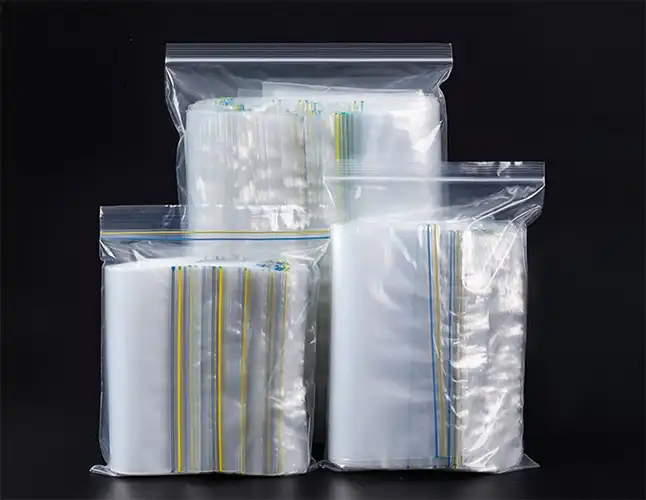
Understanding PVC Food Wrapping Film for Vegetable Storage
What Makes PVC Food Wrap Ideal for Vegetables?
The chemical structure of PVC Food Wrapping Film makes it stand out in the business world when it comes to keeping food fresh. This flexible material is made from high-quality PVC and has certain adipate-based plasticizers that give it the flexibility and cling qualities needed for professional food packaging. The film's adjusted oxygen transfer rate—usually between 15,000 and 20,000 cc/m³/24h—makes a breathing space that stops anaerobic spoilage and keeps the quality of the food. It's different from barrier films that can choke veggies and make them go bad faster because it has controlled permeability.
The film's excellent visual qualities, such as its high gloss and low haze, make sure that the product can be seen throughout the cold chain. Procurement pros like that this clarity lets them check the quality without having to open it, which cuts down on handling time and the chance of contamination. The material's high elongation at break rates above 200% makes it flexible enough to form tight, consistent rings around a wide range of veggie shapes and sizes.
Safety Standards and Compliance Requirements
Food safety certificates are important factors that can't be changed when making B2B purchasing choices. Quality PVC Food Wrapping Films meet the strict requirements set by FDA CFR 21 175.300 and EU Regulation No 10/2011. These rules say that the plasticizer can't move too much when it comes in touch with wet, salty, or low-fat food. These rules make sure that the film is safe for direct touch with food throughout the whole distribution process.
Shandong Honghe Plastics Co.,Ltd.'s production sites have ISO, CE, and FDA certifications. They also meet the requirements for BSCI and WCA, which proves that our manufacturing methods are good. These licenses give managers of the supply chain the proof they need for quality assurance processes and regulatory checks. We make sure that every roll meets international safety standards before it gets to your building by using strict testing methods that address concerns about chemical migration.
How PVC Film Preserves Vegetable Quality?
Controlling three important factors is what it takes to keep vegetables fresh: keeping the wetness in, letting gases flow, and keeping contamination from spreading. PVC Food Wrapping Film does a great job of meeting all of these needs thanks to its designed water vapor transfer rate (WVTR), which keeps things from drying out without making condensation, which helps bacteria grow. This feature that keeps fog from forming is especially useful in cold places where temperature changes often cause water to pool on film surfaces.
The naturally sticky nature of the film makes hermetic seals without the need for extra adhesives. This lowers worries about chemical exposure while making sure items stay sealed during travel and handling. This ability to stick to itself is very useful in automated packaging lines where fast processes need reliable results. According to supply chain managers, veggies that are properly wrapped keep their texture, color, and nutritional value for a much longer time than vegetables that are not wrapped. This directly affects customer happiness and cuts down on costly returns.
Best Practices for Storing Vegetables Using PVC Wrap
Preparing Vegetables Before Wrapping
The success of keeping depends on how well you prepare before you wrap. Cleaning vegetables well gets rid of dirt, trash, and bugs on the surface that make food go bad faster. However, cleaning is the important step that many processes skip. Mold and germs can grow easily when there is too much surface wetness trapped under the wrapping film. Before you wrap veggies, let them dry completely in the air or use professional salad spinners for leafy greens.
During the packing process, temperature is very important. When you wrap veggies that are at room temperature and then put them in the fridge right away, condensation doesn't form as much inside the package. Operations managers should set rules to make sure that veggies are at the right temperature before they are wrapped. This is especially important when preparing vegetables that are still warm from being picked in the field.
Wrapping Techniques for Different Vegetable Types
To get the best results from the film, different veggies need different ways to be wrapped. Loosely wrapping leafy greens keeps the moisture in without squeezing the delicate leaves. The PVC Food Wrapping Film's stretchy memory lets it gently wrap around greens, spinach, and lettuce without damaging them, while still providing the barrier needed to keep them fresh for longer.
Root veggies and firm fruits and vegetables like peppers, celery, and carrots need to be wrapped more tightly so that there aren't any air gaps where oxidation can happen. When you apply the film, slightly stretch it to make it stick to the surface. This creates a second skin effect that keeps moisture in and stops drying. High-respiration veggies, like mushrooms, need extra care. The open structure of good PVC Food Wrapping Film lets enough gas exchange happen, letting CO2 escape and O2 enter, which keeps the slimy breakdown that happens with barrier films.
Cruciferous veggies, like broccoli, cauliflower, and cabbage, do better when they are partially wrapped, which means that some of the cut surfaces are covered but some are left open so the vegetables can continue to breathe. This balanced method increases the shelf life without creating anaerobic conditions that make smells bad.
Optimal Storage Conditions and Temperature Management
At temperatures ranging from -20°C to 40°C, PVC Food Wrapping Film works very well, making it useful for many cold chain uses. Most wrapped veggies do best when stored in the fridge between 1°C and 4°C, which slows down enzyme activity and bacteria growth by a large amount. Purchasing managers should make sure that storage facilities keep temperatures stable, since changes in temperature can hurt the performance of films and speed up the spoiling process.
A regional food seller used standard PVC Food Wrapping Film procedures for all of their vegetables, which combined the right way to wrap them with the best way to keep them cool. Within three months, they saw a 23% drop in the amount of food that was wasted and an increase of 2.3 days in the usual shelf life. These changes directly led to lower dumping costs and more sales possibilities, showing that using the right wrapping methods has an effect on making money. The producer said that teaching staff how to wrap films properly was just as important as the quality of the films themselves.
PVC Food Wrapping Film Compared to Alternative Wrapping Solutions
Performance Characteristics of Different Film Types
Knowing the important differences between things helps buying pros choose the best suppliers. Polyethylene (PE) films are cheaper than PVC Food Wrapping Films, but they don't stick to things as well or stretch as much. PE usually needs motorized cutters or dispensers, but PVC's self-cling features let you use it by hand without any special tools, which is helpful in places where flexible packing is used.
Stretch films made for wrapping pallets don't stick well enough to individually wrap vegetables, and they don't always have food-contact licenses. PVDC films are very good at keeping things out, but they are also very expensive, so they can't be used for regular veggie storage. PVC Food Wrapping Film is the best choice for businesses that make a wide range of vegetables because it has a good performance-to-cost ratio.
Breathability and Moisture Control Advantages
Controlled oxygen penetration of PVC Food Wrapping Films solves one of the most important problems in food packaging: keeping the careful balance between keeping food from drying out and keeping it from becoming anaerobic. Standard barrier films that totally stop gas exchange make places where veggies use up oxygen and store CO2, which leads to fermentation and bad tastes. The designed openness of PVC stops this breakdown while still protecting well against outside contamination.
This ability to breathe is especially helpful for veggies with red veins and other colors that can be seen. The specific oxygen transfer qualities help keep the item's good looks, which is a big part of why people buy things. Purchasing managers at supermarkets know that how attractively fruits and vegetables are displayed has a direct effect on how quickly they sell. For this reason, film clarity and flexibility are important selection factors.
Environmental Considerations and Sustainable Alternatives
Concerns about sustainability are playing a bigger role in the food packaging industry's buying choices. Traditional PVC Food Wrapping Film is criticized because it is hard to recycle and get rid of when it's no longer useful. As a result, forward-thinking companies have made PVC formulas that are easier to recycle and are looking into bio-based plasticizers that are better for the earth. If operations managers want to find a mix between performance needs and the company's sustainability goals, they should ask possible suppliers for specific paperwork on their environmental impact.
However, the creation of biodegradable options like PLA-based films and compostable wraps is a positive sign, even though these materials aren't yet as good as PVC in all situations. Professionals in charge of buying things should look at these options for certain uses, but they should also know that PVC Food Wrapping Film is still the best choice for tough business uses that need proven performance and compliance with regulations.
Bulk Procurement and Sourcing of PVC Food Wrapping Films
Essential Supplier Selection Criteria
To choose the right provider, you need to look at more than just unit price. The basis is certification verification; sellers must show up-to-date proof of FDA, ISO, and other regional compliance. Ask for proof of analysis for the most recent production batches to prove that the transfer testing meets all the standards that apply. As licenses need to be renewed, supply chain managers should set up procedures for regular re-verification.
Your business continuity is directly affected by how much you can produce and how much supplies you have on hand. Suppliers who keep a lot of stock on hand can adapt to changes in demand without having to wait longer for orders to arrive. Because it is close to Qingdao port, Shandong Honghe Plastics Co.,Ltd. that has logistical benefits that help foreign clients get their packages faster and for less money. Access to transportation facilities should be taken into account when figuring out the total cost of different providers.
Customization Options and Specifications
Solutions that can be changed to fit unique needs are helpful for businesses. Different types of vegetables and handling needs can be met by PVC Food Wrapping Film thicknesses ranging from 8 microns to 15 microns. Thinner gauges are best for sensitive items and wrapping by hand, while heavier gauges can handle the stress of high-speed automated packing equipment. There are different specs that purchasing managers should try out to find the best width for their needs.
Customizing the width and length of rolls cuts down on waste and makes handling more efficient. Standard widths of 30 cm, 45 cm, and 60 cm work for most uses, but unique widths make the best use of material for certain types of equipment. Core width standards make sure that they can be used with current dispenser systems, so there is no need for expensive adaptations. Well-known manufacturers give free samples so that purchasing teams can check how well the products work before placing big orders.
Pricing Strategies and Contract Negotiation
Volume-based pricing structures lower unit costs by a large amount when a bigger pledge is made. Professionals in procurement should look at how things are used to figure out the best order sizes that combine the costs of keeping inventory with big savings. Annual contracts with set delivery dates keep prices stable and guarantee a steady supply, which is very important for businesses that can predict demand trends.
Terms of payment have a big effect on managing cash flow. You can have more financial freedom by negotiating longer payment terms or progress billing models that work with your business's cycles. Good suppliers know that long-term benefits from partnerships based on equal gain are greater than short-term benefits from transactions. When negotiating with suppliers, operations managers should be clear about expected volume and delivery times. This will allow suppliers to come up with designs that really meet the needs of your business.
Conclusion
Learning how to store vegetables properly using PVC Food Wrapping Film has real benefits for all food service businesses, from cutting down on waste to making market booths last longer. The designed qualities of the material—its controlled breathability, superior cling, and visual clarity—solve basic preservation problems and meet strict safety standards. When purchasing managers follow the right steps for packing, only work with approved suppliers, and make sure the specs are just right for their needs, they gain a competitive edge by getting better products and lower costs for spoilage. The money spent on good film and training for staff pays off by cutting down on waste, increasing shelf life, and making customers happier all along the supply chain.
FAQ
Is PVC Food Wrapping Film Recyclable?
Because it contains plasticizers and has been in touch with food, PVC Food Wrapping Film is hard to recycle. In some places, there are specialized recycling programs, but they are still not as well developed as the facilities for recovering PET or HDPE. More and more, high-end makers are making formulas with better end-of-life profiles. If procurement managers are worried about how to get rid of trash, they should ask their suppliers about take-back programs or call their local waste management facilities to find out what recycling options are available. Documenting the right way to get rid of waste helps companies meet their green reporting standards.
How Does PVC Compare to PE Film for Freshness Retention?
PVC Food Wrapping Films are better at keeping wetness in and sticking to things than PE films, which has a direct effect on how fresh vegetables stay. The controlled oxygen transfer stops anaerobic spoilage and keeps the produce looking good, which is especially important for color-sensitive foods. PE films usually need mechanical help to seal properly, but PVC Food Wrapping Films can be reliably applied by hand because they stick to themselves. Food delivery networks have tested both PVC and PE wrapping options for vegetables and found that PVC wraps typically have longer shelf lives.
What Safety Standards Apply to Food Contact Films?
Different markets have different rules about what needs to be followed. For U.S. markets, FDA CFR 21 175.300 is usually used, and for European markets, EU Regulation No 10/2011 is used. These rules set limits on how far plasticizers and additives can move when they come into touch with different kinds of food. Suppliers should show proof of compliance through certificates from well-known testing labs. The people in charge of operations have to keep records that prove the films they buy meet the standards needed for their specific markets and uses.
Partner With a Trusted PVC Food Wrapping Film Manufacturer
Shijiazhuang Honghe Plastics Co., Ltd. offers the quality and dependability that food service businesses need. Since 2017, our cutting-edge production plants have produced approved PVC Food Wrapping Films that meet international standards, including ISO, CE, and FDA certifications. Our location near the Qingdao port makes it easy for us to handle transportation and deliver quickly to meet your supply chain needs. We know that procurement managers need providers who can offer cheap prices, reliable quality, and quick service.
Our team can make solutions that are specific to your needs for storing vegetables, with different thicknesses, roll sizes, and packing layouts available. Use our free sample service to make sure that our products will work for your business before you place large orders. The relationship approach that sets true PVC Food Wrapping Film providers apart from transactional vendors is shown by our 24-hour technical advice and after-sales support services. You can talk about your needs, ask for product specs, or set up sample packages by emailing tony@sdhhsl.com.
References
1. Robertson, G.L. (2016). Food Packaging: Principles and Practice (3rd ed.). CRC Press, Taylor & Francis Group.
2. Marsh, K. & Bugusu, B. (2007). Food Packaging—Roles, Materials, and Environmental Issues. Journal of Food Science, 72(3), R39-R55.
3. Coles, R., McDowell, D. & Kirwan, M.J. (2003). Food Packaging Technology. Blackwell Publishing Ltd., Oxford.
4. Han, J.H. (2014). Innovations in Food Packaging (2nd ed.). Academic Press, Elsevier.
5. Yam, K.L. (2009). The Wiley Encyclopedia of Packaging Technology (3rd ed.). John Wiley & Sons, Inc.
6. Brody, A.L. & Marsh, K.S. (1997). Encyclopedia of Packaging Technology (2nd ed.). John Wiley & Sons, Inc., New York.