



Top Benefits of Easy To Cut PVC Cling Film for Food Industry
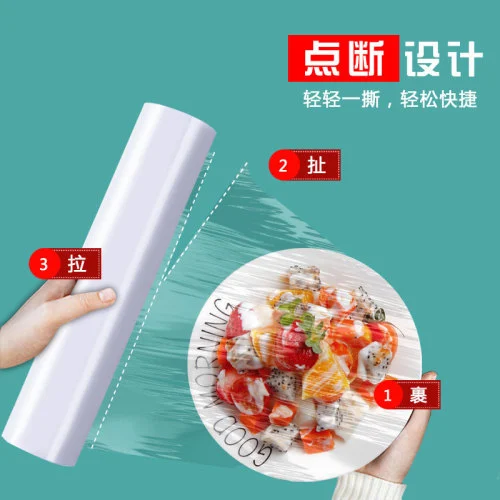
Easy To Cut PVC Cling Film completely changes how the food industry works by combining great cling performance with easy dispensing. This directly fixes long-standing inefficiencies in commercial kitchens, supermarket fresh food centers, and cold chain logistics. This special PVC mix has the right amount of plasticisers and precisely engineered cutting mechanisms to stop film from getting tangled, cut down on material waste by about 15–20%, and speed up the wrapping process. This saves money on labour costs and makes sure that high-volume procurement environments follow food safety rules better.
Understanding Global B2B Procurement Trends
Digital Transformation Reshapes Packaging Supply Chains
The global B2B buying scene is changing in big ways because of how technologies are working together and how transparent people expect things to be. Purchasing managers want to see inventory in real time, have automated reordering systems, and see how well suppliers are doing. Companies that use procurement software say that cycle times go down by 30 to 40 percent. This lets them respond more quickly to changes in the market and production needs.
For food-contact packaging materials like PVC cling film, this change means that buyers now give more weight to suppliers who offer digital access to documentation, such as downloads of certifications, batch tracking, and the ability to request samples online. In our field, procurement experts are moving away from transactional relationships with makers and toward strategic partnerships with those who show they are ready for new technologies and can keep the supply chain running smoothly. Using blockchain to check the accuracy of things is becoming more popular, especially for things that need to be FDA-compliant or food-grade certified.
Supply Chain Resilience Takes Center Stage
Recent problems around the world have changed the way supply chain managers evaluate suppliers for Easy To Cut PVC Cling Film for good. Geographic diversity, inventory buffer strategies, and multi-source contingency planning are now all things that buyers think about when making choices. Industry research shows that supply stability is the most important thing for 68% of procurement professionals when choosing vendors for packaging materials.
The market for cling film is being affected directly by this trend. Buyers look for manufacturers with strong production capabilities, reliable sources of raw materials, and well-established logistics networks. Being able to keep enough stock on hand while also letting customers choose the amount they want to buy has become a competitive advantage. Food processing companies look for providers that can increase delivery volumes during busy times of the year without lowering quality standards or wait times.
Best Practices for Efficient B2B Procurement
Strategic Supplier Relationship Management
Building long-term relationships with reliable packing providers has many benefits for the business that go beyond lowering unit costs. Structured supplier relationship management protocols help procurement teams get deliveries done 22 to 25 percent more often and have fewer quality disputes. Regular reviews of performance, collaborative demand forecasting, and open lines of communication are all part of the method.
When looking for PVC food wrap solutions, good relationship management means asking for technical data sheets up front, doing facility audits when possible, and negotiating framework agreements that can adapt to changing order volumes. Suppliers who assign dedicated account representatives and keep supply chain managers up to date on material availability or changes to regulations that affect food-contact plastics are good for business.
Workflow Automation and Purchase Optimization
Automating repetitive chores while keeping strategic control is a big part of how efficiently buying works today. Using basic stock levels to automatically create buy orders can cut the work of administration by 35–40%. When you connect a catalogue management system straight to business resource planning software, you can match specifications more quickly and make fewer mistakes when placing an order.
For items that are used a lot, like cling film rolls in commercial kitchens or supermarket wrapping stations, automation makes sure that they keep running without any help from a person. Bulk buyers have more power when they combine orders for packaging materials from different sites into one order. This lets them negotiate big discounts while keeping the specifications the same. These methods help keep costs down without sacrificing the quality control needed for materials used in food that meet international safety standards.
Navigating Supplier Selection and Risk Management
Comprehensive Supplier Evaluation Frameworks
To choose the right provider of packing materials like Easy To Cut PVC Cling Film, you need to do more than just compare prices. The ability to produce, quality control systems, certification portfolios, and financial security should all be looked at by procurement managers. A structured scoring method usually looks at things like whether the company is ISO certified, the results of a third-party audit, customer references, and its technical support capabilities.
When judging cling film makers in particular, making sure they follow food-contact regulations becomes very important. Suppliers with a good reputation give Declarations of Compliance that list specific rules, such as FDA 21 CFR 175.300 or EU Regulation No 10/2011. Documentation from migration testing that says plasticisers stay within safe limits makes the claim more believable. Buyers should ask for certificates from well-known labs like SGS or Intertek to make sure that promises about non-phthalate formulas and the safety of the material as a whole are true.
Mitigating Supply Chain Disruptions
Strategies for managing risk need to take into account all kinds of problems that could happen, from not having enough raw materials to transportation being late. Scenario planning exercises help procurement teams get ready for what might go wrong. For example, they can find other suppliers, change their inventory policies, and set up protocols for buffer stocks. Geographic risk assessment looks at things like how easy it is to get to ports, the rules and regulations in the area, and the stability of the political situation.
When companies buy from makers close to big logistics hubs, they get shorter lead times and lower freight costs. Being close to ports like Qingdao is good for foreign buyers because it speeds up the process of turning over containers and makes customs steps easier. Having relationships with both primary and backup suppliers, also known as dual-sourcing, protects against unexpected capacity constraints and promotes competitive pricing through smart negotiation.
Leveraging Technology in B2B Procurement
Data Analytics Drives Smarter Purchasing Decisions
Advanced analytics tools turn raw procurement data into information that can be used. When supply chain managers use spend analysis tools, they can find ways to cut costs, keep an eye on price trends, and compare the performance of their suppliers to industry standards. Real-time dashboards that show product turnover rates, order accuracy measures, and shipping performance make it possible to make decisions ahead of time instead of having to fix problems after they happen.
Quality assurance is another area where technology can be used. Digital documentation systems make test results for each batch available right away, so they can be tracked from production to distribution. This makes people more confident in materials that need to be very specific, like food-grade PVC film, and makes auditing easier. Buying managers like it when suppliers offer online portals for tracking orders, managing invoices, and finding specifications. This cuts down on the number of emails and administrative work that needs to be done.
Integrated Solutions Enhance Operational Efficiency
When buying tools and supplier systems work together, they make it easy for both sides to share information. Electronic data exchange standards make it easy to send, receive, and notify of shipments of buy orders. This integration speeds up order processing and cuts down on mistakes made when entering data by hand. Suppliers can see predicted demand on collaborative platforms, which helps them plan production better and allocate inventory more efficiently.
Digital tools also make the process of evaluating samples easier. Using online request forms makes it easier to get test materials for quality checks, which is an important step for procurement teams that follow rational decision-making rules. Quick turnaround on samples and access to detailed product specifications through digital channels speed up the process of qualifying new suppliers or product variants that are tailored to specific operational needs.
Enhancing Sustainability and Corporate Responsibility
Eco-Conscious Procurement Gains Momentum
Corporate promises to the environment are having a bigger impact on how packaging materials like Easy To Cut PVC Cling Film are chosen. Buyers in the food business look for suppliers that are environmentally responsible because of rules and customer standards. Traditional PVC manufacturing is being looked at more closely, but improvements in production speed and recycling programs are making the material more environmentally friendly. During the vendor qualification process, procurement managers now ask for lifecycle assessments and environmental policies from suppliers.
About 30% of all plastic packaging used in the world comes from the food industry. This means that there are big chances to make sustainability improvements. People who want to buy eco-friendly options should look at providers who offer films made from recycled materials, bio-based plasticisers, or take part in recycling programs. Being open about the energy sources used in manufacturing, how waste is handled, and carbon footprint reports helps buying teams make sure that the materials they choose are in line with the company's environmental goals.
Compliance and Ethical Sourcing Standards
Ethical sourcing includes more than just caring about the environment. It also includes things like worker safety, labour practices, and the impact on the community. Third-party certifications, like BSCI and WCA, show that a supplier follows social responsibility standards. More and more, procurement professionals are adding these criteria to supplier scorecards because they know that the risks to their reputation can be greater than the savings they can get from suppliers with questionable business practices.
Compliance risk is lower for companies that do business in places with strict rules, like the US and the EU, when they work with approved makers. Maintaining up-to-date certificates shows that a supplier is dedicated to ongoing growth and careful regulatory tracking. As rules about food-contact materials change, this extra care becomes even more valuable, as suppliers take on the work of changing formulas and testing again instead of making customers deal with the hassles of compliance.
Driving ROI Through Strategic Procurement Decisions
Cost Optimization Without Quality Compromise
To get the best purchase return on investment, you need to find a balance between low prices, quality guarantee, and reliable service. Volume-based discount systems encourage buying in bulk, and long-term contracts keep prices stable when the prices of raw materials change. Smart buyers don't just look at per-unit prices; they also look at the total cost of ownership, which includes things like trash rates, changes in labour efficiency, and quality failure costs.
The economics of getting cling film are a great example of this principle. A product that is priced 8% less but makes 20% more waste because it doesn't cut well ends up costing more in the long run. Products designed to be easy to dispensing cut down on the time it takes to wrap, which saves time and money in high-throughput settings. Commercial kitchens that wrap hundreds of containers every day can be more productive when the films they use don't get tangled or need to be cut more than once.
Supplier Innovation as Competitive Advantage
Forward-thinking procurement plans see providers as partners in innovation rather than just sellers of goods. Collaboration allows people to work together to create unique solutions that solve specific practical problems. When suppliers put money into research and development (R&D), they come up with new formulations, packaging designs, and application technologies that can help their customers stand out in the market.
The move toward Easy To Cut PVC Cling Film technology is an example of innovation driven by suppliers. Material engineering and dispenser design helped makers make real value for end users by fixing problems that users had with older films. When procurement teams work with suppliers' expert staff, they can get early access to new products and ideas, which could lead to exclusive supply deals or better prices when the products first come out.
Conclusion
Businesses in the food industry can see clear operational and financial benefits from strategically purchasing high-performance cling film solutions. Purchasing professionals lower risk and optimise total cost of ownership by using digital procurement tools, structured supplier evaluation frameworks, and prioritising partnerships with manufacturers that show consistent quality and supply reliability. Easy To Cut PVC Cling Film is the kind of product that comes from new ideas and solves real problems in the workplace, like cutting down on waste, making workers more efficient, and meeting the high safety standards needed in food-contact settings. As the way buying is done moves more toward strategic teamwork, suppliers with technical know-how, the ability to make changes, and certified quality systems will be in high demand as partners.
FAQ
Q1: What distinguishes Easy To Cut PVC Cling Film from standard PVC wraps?
A: Easy To Cut PVC Cling Film has specially designed plasticisers and tensile properties that let you make clean, straight cuts without the film stretching or torn in strange ways. Many versions have built-in slide-cutter dispensers or perforated tear lines that get rid of the safety risks of having metal blades that are out in the open. Compared to regular films, this one's special design cuts the time it takes to apply by 10 to 15 seconds per application. This is especially helpful in high-volume business settings where wrap cycles happen hundreds of times every day.
Q2: Can PVC cling film be safely used with all food types?
A: If you follow the directions, PVC cling film made to meet FDA and EU food-contact standards is safe for most uses. It works great for fresh food, baked goods, and things that need to be kept cold. But you shouldn't touch foods that are high in fat directly while they're being heated in the microwave, because high temperatures and oils can speed up the movement of plasticisers. Reputable manufacturers give clear instructions on how to use their products and test data that shows they meet the Specific Migration Limits set by government authorities.
Q3: How do bulk purchasers verify supplier quality and compliance?
A: Professional buying practices include asking for Declarations of Compliance that list specific regulations, test reports from a third-party lab from a reputable company like SGS or Intertek, and up-to-date certification paperwork such as ISO and food-safety exams. Before committing to large orders, trying samples lets you make sure of the physical features, how they unwind, and how well they work in real-world situations. Site visits or virtual tours of the facility give people more confidence in the systems for quality management and production.
Partner with Shandong Honghe Plastics Co.,Ltd. for Superior Cling Film Solutions
Shijiazhuang Honghe Plastics Co., Ltd. is ready to help you reach your procurement goals by providing you with the best Easy To Cut PVC Cling Film, which is made to strict international standards. We started our business in 2017 and have since put in place strict quality control measures and modern production technology at our buildings near Qingdao port. This has helped us get ISO, FDA, CE, BSCI, and WCA certifications. For food packaging, refrigeration, and food service, our customisable PVC film specifications meet a range of needs for thickness, width, and roll length. If procurement managers are looking for a trusted Easy To Cut PVC Cling Film provider, they can ask for free samples to check the quality. Talk to our team at tony@sdhhsl.com to talk about your number needs and find out how our low prices, large selection, and commitment to 24-hour service can help your business.
References
1. Smith, J.R., & Thompson, M.L. (2022). Modern B2B Procurement Strategies for Industrial Supply Chains. Industrial Press Publishing.
2. Chen, W.K. (2021). "Performance Characteristics of PVC Food Packaging Films: A Comparative Analysis." Journal of Food Packaging Technology, 15(3), 287-304.
3. Global Food Safety Initiative. (2023). Packaging Material Safety Standards and Compliance Guidelines. GFSI Publications.
4. Anderson, P.T., & Rodriguez, C.M. (2022). "Digital Transformation in B2B Procurement: Efficiency Metrics and ROI Analysis." Supply Chain Management Review, 28(2), 45-62.
5. European Commission. (2021). Regulation on Plastic Materials Intended for Food Contact: Technical Guidance Document. EU Publications Office.
6. Williams, D.S. (2023). "Sustainability Trends in Food Industry Packaging Procurement." Packaging World Industry Report, 41(7), 112-128.