



Complete Guide to Transparent PE Cling Film for Food Packaging Industry
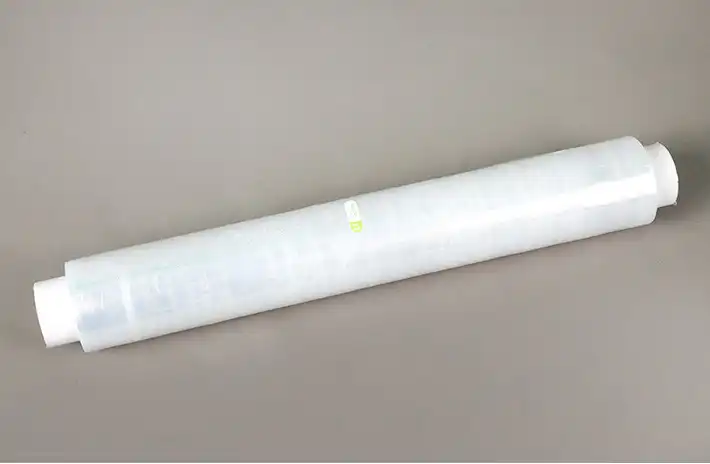
Low-Density Polyethylene (LDPE) or Linear Low-Density Polyethylene (LLDPE) is mostly used to make Transparent PE Cling Film, which is a huge step forward in food-grade packaging. Transparent PE Cling Films don't contain any harmful plasticisers or heavy metals, unlike traditional PVC options. This makes them the best choice for industrial and business uses where food will be directly touching the film. This detailed guide covers important buying factors that purchasing managers should think about when looking at food-safe packing options that meet regulations and are also cost-effective and efficient.
Understanding Modern B2B Procurement Challenges in Food Packaging
Supply Chain Disruptions Impact Material Availability
The food packaging business is dealing with supply chain instability that has never been seen before. This has a direct effect on how they buy things. Global resin shortages, shipping delays, and changing costs for raw materials make it very hard for operations managers to keep inventory levels stable. When your production line needs dependable Transparent PE Cling Film supplies every day, even a delay of 48 hours can cause you to miss deliveries and have trouble with customers. According to new industry data, 67% of food processing businesses had trouble getting enough packing materials in 2023. This meant that many of them had to keep more safety stock on hand and expand their supply networks.
Regulatory Compliance Demands Increase Complexity
Purchasing managers have to deal with rules and regulations that are getting harder to understand. Materials that come into touch with food must meet strict safety standards. The FDA's 21 CFR 177.1520 regulation and the EU's Regulation 10/2011 set specific migration limits for materials used in packaging that come into contact with food. When wrapping high-fat foods like cheese, butter, or prepared meats, Transparent PE Cling Film is better than PVC alternatives because it doesn't let the plasticiser move around. Your quality assurance team needs suppliers who keep detailed records of compliance through third-party testing, rather than just relying on what the manufacturer says.
Cost Optimization Without Sacrificing Performance
Supply chain managers always have to deal with the problem of how to balance tight budgets with high quality standards. The full cost of ownership is higher than the price of a single roll. It includes things like how often rolls break, how well they work with other machines, how much labour they require, and how well they keep products from going to waste. A Transparent PE Cling Film that seems cheap but tears easily on automated wrapping machines actually raises costs by causing downtime, wasting materials, and needing more workers. Smart people who buy things look at performance measures like tensile strength, elongation percentages, and adhesion qualities along with price to find the best deal.
Leveraging Technology to Streamline Procurement Processes
Digital Platforms Enable Transparent Supplier Evaluation
Purchasing teams now use modern technology to change how they evaluate and choose package sources. E-procurement tools use standard data forms to let you compare technical specs, certifications, and prices from different providers. Advanced platforms have quality management tools that keep an eye on supplier performance measures like the percentage of on-time deliveries, the percentage of defects, and the supplier's ability to respond to technical questions. This data-driven approach replaces subjective selection of vendors with objective performance evidence. This way, factory warehouse supervisors can use measurable business outcomes to support their supplier decisions.
Automated Reordering Prevents Stock Disruptions
Using inventory management systems with automated reorder triggers will help your business keep the right amount of stock on hand without using up too much working capital. Smart buying software keeps an eye on how much Transparent PE Cling Film is being used, notices changes that happen with the seasons, and sends out purchase orders when inventory levels hit certain levels. For users who process hundreds of rolls every month, this technology is especially helpful because it saves them time and prevents mistakes that can happen when counting rolls by hand. Integration with supplier systems lets you see the progress of orders, production plans, and shipping dates in real time.
Data Analytics Optimize Specification Selection
Procurement analytics show trends of usage that help buyers make better choices about Transparent PE Cling Film specs. An analysis might show that your facility uses Transparent PE Cling Film with a width of 30 cm for 80% of the jobs it does, even though it keeps four different widths in stock. Standardising on two main specifications makes inventory simpler, improves pricing based on volume, and makes warehouse management easier. In the same way, keeping track of the thickness needs of different production lines finds chances to combine SKUs without affecting the integrity of the packaging.
Strategies for Building Sustainable Supplier Relationships
Certification Verification Establishes Trust Foundation
Verification of certificates and safety paperwork is the first step in building long-term relationships with suppliers. Manufacturers who care about quality keep their ISO 9001 quality management systems, ISO 22000 food safety management certifications, and facility-level certifications like BSCI or WCA audits up to date. During the qualification process, asking for copies of the supplier's most recent FDA certification letters, migration testing reports, and material safety data sheets shows that they are committed to being open and honest. When manufacturers are willing to provide detailed paperwork, they usually use better quality standards throughout the whole production process.
Sample Testing Validates Performance Claims
Structured sample testing protocols are an important part of making smart B2B purchasing decisions because they allow for hands-on evaluation. Ask for sample rolls that meet the requirements you want and test them on your tools in real-world situations. Check for key performance signs like unwind tension, binding to common container materials (like stainless steel, glass, and ceramic), ability to mould to odd forms, and clarity after storage. Specification sheets can't fully show how well something works in the real world until it's tested with real food items in a fridge. This empirical method lowers the chance that full-scale sales will be affected by costly specification mistakes.
Communication Responsiveness Indicates Operational Reliability
How responsive a supplier is during the inquiry and sampling phase is often a good indicator of how good their service will be in the future. Companies that give technical help 24 hours a day, specialised account management, and quick sample return show that they have the systems in place to support long-term relationships. Check to see how well providers answer your scientific questions about the make-up of materials, how they are manufactured, and how they check for quality. Answers that are detailed and show knowledge show that you care about your customers' success and aren't just interested in making sales.
Optimizing Cost Without Compromising Quality
Total Cost of Ownership Analysis Reveals True Value
Smart buying managers don't just compare prices per roll when they look at packing materials; they also look at the total cost of ownership (TCO). The TCO method takes into account the costs of acquisition, the efficiency of use, the amount of waste, machine compatibility, and storage needs. The economic value of a Transparent PE Cling Film that costs 15% more but has a 20% higher yield due to better tear resistance and 30% faster application speeds is higher. To find real ways to save money, figure out how much it costs per wrapped package instead of how much it costs per roll.
By making bulk purchases with dependable providers, you can get discounts based on quantities and make sure you always have a supply. When you commit to quarterly or yearly volume goals, you can often unlock tiered pricing structures that lower prices by 8–15% compared to buying on the spot. These deals are good for everyone involved because they protect your budget from market volatility and give the buyer peace of mind about the price. Structure agreements with flexible clauses that let you change the details as your business needs change.
Customization Eliminates Waste and Improves Efficiency
When standard package measurements don't work for your needs, they can waste a lot of space. Custom specs for width, length, and thickness make the best use of materials and improve operating efficiency. Transparent PE Cling Film can be made in exact sizes to fit your tools and containers. This means that you don't have to waste material on goods that don't fit all needs. Customisation includes core sizes (38mm or 76mm) that work with your dispensing equipment, roll lengths that balance how often you need to replace the rolls with how much space you have for storage, and thickness specifications that are based on your protection needs.
Material Composition and Performance Characteristics
Polyethylene Advantages Over PVC Alternatives
Transparent PE Cling Films offer important safety and performance benefits that meet the needs of modern food packaging. The chemical structure of the material makes it naturally flexible, and it doesn't have any plasticisers that can get into food, which is a problem when the food is fatty, because lipophilic compounds are easy to move. Transparent PE Cling Film is very clear, with haze levels below 3%. This makes it easy for customers to see the product when they're shopping, and it also keeps the visual clarity that grocery chains and food service businesses need.
The material is very flexible and can be used in a wide range of temperatures, from -60°C for freezer storage to +110°C for limited reheating. Because it is stable at low temperatures, it can be used all the way through the cold chain, from the initial processing to distribution and finally to consumer handling. Transparent PE Cling Film doesn't create harmful dioxins when it burns like PVC does. Instead, it burns cleanly and can be recycled normally, which addresses the environmental concerns that are becoming more important to business purchasing policies.
Technical Specifications Drive Application Performance
Knowing about technical parameters helps people who buy things match the properties of Transparent PE Cling Film to the needs of operations. The Transparent PE Cling Film can stretch around products without tearing when it's pulled by automated packaging equipment. Its elongation at break ranges from 150 to 400% in both machine direction (MD) and transverse direction (TD). Tensile strength requirements of at least 15 MPa make sure the Transparent PE Cling Film stays together while it is being stored and handled. These mechanical features have a direct effect on how well products are protected and how efficiently they are made.
Another important thing to think about is the features of permeability. Optimised oxygen transmission rates (OTR) and water vapour transmission rates (WVTR) keep moisture in while also stopping condensation. Fresh food uses benefit from specific porosity that lets air flow while stopping the building of ethylene gas, which speeds up the spoilage process. Premium versions contain anti-fog additives that keep the view clear even when the temperature changes during storage and show in a refrigerator. This stops the formation of condensation drops that make it hard to see the product.
Application-Specific Solutions Across Food Sectors
Automated Packaging Line Integration
Transparent PE Cling Film that is designed to work with machines and give consistent performance is needed in high-speed production settings. Food processing plants that use automatic tray wrapping machines need slip qualities that are very precise so that the machines don't get stuck and the seal stays intact. The Transparent PE Cling Film has to release easily at production speeds, fit the shape of the tray without tearing, and form airtight seals that stop leaks and cross-contamination. Specifications for machine-grade materials usually include specific static coefficients and surface treatments that make them work best with your specific models of equipment.
Hand-roll formats are useful for commercial kitchens and catering businesses because they are easy to use and dispensing. Restaurant buyers look for Transparent PE Cling Films that are easy to unroll, cut cleanly without serrated edges, and stick reliably to different types of containers. Being able to cut any length to fit the needs of the job cuts down on waste and makes it possible to use containers of different sizes that are common in food service settings. This flexibility is especially useful when standardisation isn't possible because of different food items and ways of offering them.
Cold Chain and Fresh Produce Protection
Logistics companies that handle refrigerated distribution need wrapping materials that keep the quality of the goods during long travel rounds. Transparent PE Cling Film keeps fresh food from losing water, getting contaminated, or transferring smells while still letting it breathe at a controlled rate. The material's unique permeability stops anaerobic fermentation, which is what goes bad food, so fruits and veggies shipped across national distances stay fresh longer. Your bottom line is directly affected by this performance because it leads to less shrinkage and better quality products at the destination.
Quality Assurance and Testing Protocols
Migration Testing Ensures Food Safety Compliance
Strict quality control starts with full transfer testing using standard food substitutes. Manufacturers should show they follow the rules by trying their products in ethanol, acetic acid, and olive oil that look like different kinds of food. These tests make sure that the Overall Migration Limits (OML) and Specific Migration Limits (SML) stay within the limits set by the FDA and international standards. Instead of relying on old certificates or claims that can't be proven, get up-to-date test reports from accredited laboratories.
Physical Property Verification Confirms Specifications
Accuracy in measurements and regularity in physical properties have a direct effect on how well operations run and how much they cost. To get accurate roll length estimates and consistent performance, thickness readings must be accurate to within ±1 micron. Uniform width keeps dispensing equipment from having problems and makes sure that coverage is always the same. Adhesion testing, which measures peel strength in grams per 25 mm width, makes sure the Transparent PE Cling Film sticks well enough without making it hard to unroll or leaving behind dust on containers.
Puncture resistance is tested with darts, which is especially important when wrapping meats with bones or containers with sharp edges. This test mimics the stress of real-life handling and finds Transparent PE Cling Films that are likely to tear when they are used normally. In anti-fogging performance testing, Transparent PE Cling Film samples are put in hot and cold environments and their ability to keep their optical clarity without forming water droplets that blur the view is measured. With these objective measures, performance data that can be measured takes the place of subjective judgements.
Conclusion
To find the best Transparent PE Cling Film supplier, you have to weigh a lot of things, such as supply reliability, technical performance, regulatory compliance, and cost-effectiveness. Transparent PE Cling Film made from high-quality LDPE or LLDPE handles the important safety issues about plasticiser migration while meeting the mechanical needs of current food packing uses. A good strategy for buying things includes carefully choosing which suppliers to work with, trying samples in real-world situations, and looking at the total cost of ownership, which is more than just comparing prices. When your procurement team works with a qualified manufacturer, you gain a competitive edge through stable product quality, a steady supply of products, and quick technical help that is tailored to your specific business needs.
FAQ
Q1: What Makes Polyethylene Cling Film Safer Than PVC Options?
A: PVC films usually have phthalate plasticisers in them, which mess with hormones and can get into food, which is especially bad for foods that are high in fat. Transparent PE Cling Film's natural molecular structure makes it flexible without these dangerous additives. It's a safe option that can be recycled over and over again. This difference in composition gets rid of toxicological concerns while keeping the performance characteristics needed for food packaging. This makes Transparent PE Cling Film the best choice for food processors and retailers who care about health.
Q2: Can Polyethylene Film Perform in Microwave Applications?
A: Transparent PE Cling Film is still usually safe to use for warming in the microwave at temperatures up to about 110°C. When the food is being heated, users should keep the Transparent PE Cling Film away from areas that have a lot of sugar or fat because these areas can go above the material's melting point. Making holes for air flow before using a microwave keeps pressure from building up and makes sure that the heating is safe. Because it can handle some heat, Transparent PE Cling Film can be used in many places in the food service supply chain for both cold storage and limited reheating.
Q3: How Do I Verify I'm Purchasing Polyethylene Rather Than PVC Film?
A: The effective "burn test" is used by professionals to identify things in the field. When set on fire, Transparent PE Cling Film gives off a yellow flame, an odour like paraffin wax, and molten material that drips. PVC has a green-edged flame because it contains chlorine. It goes out on its own when it is taken away from a flame source and gives off a sharp, bitter smell. Asking your supplier for paperwork on the materials' composition and third-party testing reports gives you official proof to back up your buying choices and proof that you're following the rules.
Partner with a Trusted Transparent PE Cling Film Manufacturer
Shandong Honghe Plastics Co., Ltd. gives your food package business the quality, safety, and service excellence it needs. Since we started in 2017, we've spent a lot of money on high-tech production tools and standardised production processes to make sure that the quality of our products always meets the requirements for ISO, CE, and FDA certification. Our position near the Qingdao port makes it easier to get your order to you quickly. We also have a lot of stock and offer helpful customer service 24 hours a day, seven days a week.
We know that you care more about how the product actually works than about what the company says it can do. You can use our sample service to see how well our Transparent PE Cling Film works in your real-world setting before you decide to buy a lot of it. Customisation options let you choose the exact width, length, and thickness you need, which makes the best use of materials and increases working efficiency. Our technical team works with you to find the best specifications, whether you need Transparent PE Cling Film for automated packaging lines or for commercial kitchens where it needs to be applied by hand. To find out why leading food processors, supermarket chains, and logistics companies choose Shandong Honghe Plastics as their preferred Transparent PE Cling Film supplier, email tony@sdhhsl.com and ask for technical specifications, certification paperwork, or sample rolls.
References
1. Smith, J. L., & Anderson, M. K. (2022). Food Packaging Materials: Testing Methods and Safety Evaluation. Academic Publishing House.
2. European Commission. (2021). Regulation on Plastic Materials and Articles Intended to Contact Food: Implementation Guidelines. Official Journal of the European Union.
3. Robertson, G. L. (2023). Food Packaging: Principles and Practice (4th ed.). Industrial Press.
4. American Society for Testing and Materials. (2022). Standard Test Methods for Physical Properties of Plastic Film Used in Food Packaging. ASTM International Standards.
5. Zhang, H., & Williams, R. T. (2023). "Comparative Analysis of Migration Characteristics in Polyethylene versus PVC Cling Films." Journal of Food Safety and Packaging Technology, 45(3), 287-304.
6. Institute of Packaging Professionals. (2022). Best Practices for B2B Procurement of Food Contact Packaging Materials. IPP Technical Bulletin Series.