



What Is PE Food Cling Film Used for in Commercial Applications Today
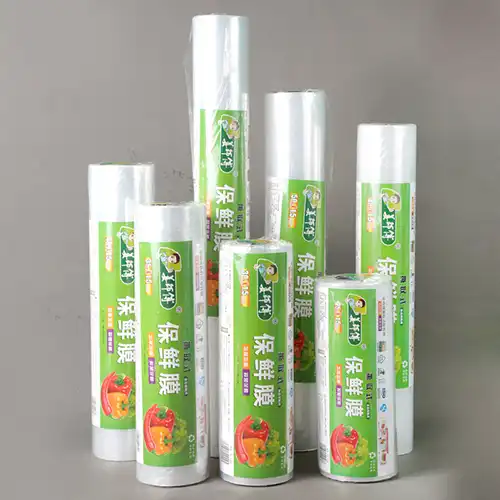
Today, PE Food Cling Film is an important way to package food because it is made from safe polyethylene resin and doesn't contain any harmful plasticisers. Its main uses are in industrial food processing, fresh food displays in supermarkets, cold chain logistics, dining, and kitchens in public buildings. In contrast to other PVC options, this material meets strict FDA and EU food contact standards and lets you choose the exact thickness and width. The PE Food Cling Film's breathable barrier qualities keep air and moisture out, which extends the shelf life. This makes it essential for businesses that want to prioritise product safety, cost-effectiveness, and regulatory compliance in high-volume packing operations.
Understanding the Global B2B Procurement Landscape
The way that food packaging materials are bought has changed a lot in the last few years. Sustainability rules, digital change, and changing prices of raw materials have made the job of supply chain managers more difficult than ever before. An study of the industry shows that more than 65% of procurement teams have started using e-procurement tools to make things more clear and speed up the decision-making process. This change affects how businesses get important things like PE Food Cling Films.
Digital Transformation Reshaping Sourcing Strategies
More and more, procurement professionals use digital channels to compare suppliers, check specifications, and keep track of orders. The old way of doing trade shows has changed into a hybrid method that combines online research with planned face-to-face interactions. Better than ever, B2B platforms now make it easier to ask for samples, check certifications, and negotiate bulk prices. This change is good for operations managers who need PE Food Cling Film suppliers they can trust to show proof of compliance and stable supplies through clear digital interfaces.
Sustainability Demands Driving Material Selection
Environmental factors now play a role in purchasing decisions at the highest levels of an organization. A lot of grocery stores and food makers have promised to get rid of wrapping materials that can't be recycled. PE Food Cling Films are clearly better in this case because, unlike PVC alternatives, they have Resin Identification Code 4, which means they can be recycled indefinitely. This ability to be recycled fits with companies' efforts to be more environmentally friendly, and it still provides the protection that businesses need. When looking at packaging film providers, purchasing managers want more and more detailed lifecycle studies and environmental approvals from a third party.
Geopolitical Factors and Cost Volatility
Changing oil prices have a direct effect on the cost of polyethylene resin, which makes pricing unclear for buying teams that have to stick to strict budgets. Supply chain managers who are good at their jobs now build relationships with makers who offer ways to keep prices stable and open contract terms. A strategic goal now is to be able to get consistent price through volume agreements. Supply chain diversification strategies also encourage buying from manufacturers who have good systems for keeping track of their inventory and who are located near major ports for easy shipping.
Key Challenges in Industrial Procurement and How to Overcome Them
When trying to find PE Food Cling Films, procurement managers keep running into the same problems. The most important thing is still how reliable your suppliers are—missed orders or inconsistent quality can stop production lines and hurt your relationships with customers. Changes in lead times make this problem worse, especially when dealing with makers in other countries. Another problem is that checking for compliance is hard because food safety rules are always changing in different places.
Ensuring Supplier Reliability Through Systematic Evaluation
Procurement teams can make data-driven choices by keeping track of seller scorecards that show how often deliveries are made on time, how often quality issues are reported, and how quickly suppliers respond to messages. Asking for facility certifications like ISO 9001, FDA registration, and BSCI audits is a good way to show that the factory meets standards. Warehouse supervisors can make sure that PE Food Cling Film specifications meet operational needs for puncture resistance, cling performance, and dispensing characteristics by using sampling protocols before bulk orders are placed. With these organised methods, you're less likely to have to work with unreliable suppliers who can't keep up quality standards as production goes up.
Managing Lead Times and Inventory Buffers
Unpredictable lead times mess up just-in-time stocking tactics that try to keep storage costs as low as possible. More and more, operations managers are negotiating minimum stock agreements with suppliers who keep standard specifications in stock. This plan strikes a balance between the cost of keeping stock and the chance of running out. Logistics benefits, like faster replenishment cycles, come from suppliers that are close to major shipping hubs like Qingdao port. Setting up clear lines of communication and automatic order tracking systems also helps cut down on delays by letting people solve problems before they happen with shipments.
Navigating Compliance Across Multiple Jurisdictions
Food contact laws are very different from one market to the next, which makes it hard for companies that do business around the world to stay in line. For PE Food Cling Films to be sold in the US, they have to meet FDA 21 CFR 177.1520 standards for polyethylene food contact surfaces. In Europe, they have to follow EU Regulation 10/2011. Purchasing managers should work with makers that keep their certifications up to date across a number of regulatory systems and can provide thorough migration test results. This paperwork is very important during audits and backs up marketing claims to customers further down the line about how safe the product is.
Innovative Procurement Solutions for Enhanced Efficiency
The way industrial buyers find and handle food packing materials has changed a lot since technology became popular. With cloud-based procurement tools, buying managers can now use unified dashboards to compare what different suppliers have to offer, check on the progress of orders, and look at spending trends. These tools make the buying process more efficient while also making administration easier.
Automated Workflows Reducing Administrative Overhead
Modern procurement software automates tasks that are done over and over again, such as creating purchase orders, routing approvals, and matching invoices. This system saves dozens of hours a month and cuts down on mistakes made by people when it comes to high-volume products like PE Food Cling Films. Automatic reorder events based on product levels make sure there is a steady supply without having to keep an eye on things by hand. Integration with supplier systems lets you see production plans and package tracking in real time, which lets you handle exceptions before they happen. These technological advances allow procurement teams to focus on building long-term relationships with suppliers instead of just doing paperwork.
Data Analytics Driving Better Sourcing Decisions
Advanced analytics platforms put together buying history to show spending patterns, price changes, and metrics for measuring how well suppliers are doing. Procurement managers use these insights to get better volume discounts and find ways to save money by standardising specifications. Predictive analytics can predict changes in demand, which lets you place more accurate orders that keep you from running out of stock or having too much inventory. When looking at PE Food Cling Film providers, comparing the total cost of ownership (price, defect rate, and transportation costs) using data helps make objective decisions that go beyond just comparing unit prices.
Blockchain for Supply Chain Traceability
New blockchain implementations make food packaging supply chains more open than ever before. This technology makes permanent records of where materials come from, information about each manufacturing batch, and changes of ownership throughout the delivery network. Even though it's still new to the flexible film business, blockchain acceptance could make it easier to keep track of legal paperwork and food safety. Manufacturers who are looking into these new technologies are positioning themselves as innovation partners for companies that have strict quality assurance needs.
Best Practices to Build Long-Term Supplier Relationships
Sustainable procurement strategies know that dealing with suppliers in a way that is focused on transactions and prices can lead to long-term risks. The best procurement companies spend money on supplier relationship management programs that help companies work together, grow, and solve problems together. This method works especially well for important products like PE Food Cling Films, where consistent quality and a reliable supply chain have a direct effect on how the business runs.
Continuous Communication and Transparency
Buying managers and seller account teams should talk to each other on a regular basis so that trust grows and problems can be found early. Business reviews every three months are a good time to talk about success metrics, future changes in demand, and ways to make things better. Being clear about how much of a product is expected to be needed helps producers better plan their production capacity and raw material purchases. This openness is good for both buyers and sellers; buyers get more supply security, and sellers can make their production more efficient. Sharing product roadmaps and new application requirements with suppliers lets them give feedback on material innovations that could meet those needs.
Joint Value Creation Through Collaborative Innovation
The best supplier partnerships are more than just a buyer-seller relationship; they also include relationships where both parties work together to develop new products. When food processors add new lines of products that need special wrapping, involving PE Food Cling Film providers early on in the development process often leads to better results. Suppliers can suggest the best film sizes, suggest additive packages for better performance, or make special formulas that meet specific needs. This partnership shortens the time it takes to get a product to market and makes sure that the packing requirements match the production capabilities. Before a full-scale rollout, joint testing protocols make sure that performance works in real-world settings.
Performance Monitoring and Continuous Improvement
Setting up structured methods for measuring success keeps relationships with suppliers focused on improving all the time. As examples of key performance measures, the percentage of on-time deliveries, the percentage of quality acceptances, the speed with which technical questions are answered, and the ability to accommodate pressing orders are just a few. By reviewing these measures on a regular basis, you can find places to improve and recognise great work. Leading manufacturers like being held accountable and use customer feedback to improve how they do things inside the company. This focus on performance sets off a positive feedback loop in which everyone works together to achieve operational excellence.
How to Align Procurement Strategies with Business Objectives?
Strategic procurement goes beyond tactical purchasing to give a business a competitive edge. When operations managers make decisions about where to get materials that are in line with the company's goals for cost leadership, quality differentiation, and sustainability, the business succeeds. This alignment needs knowing how the choice of packing material affects how a product is positioned, how efficiently operations run, and the image of the brand.
Conducting Comprehensive Spend Analysis
Figuring out how much you spend on all the materials you use to package food is the first step in making smart decisions. Spend analysis shows chances to combine purchases, make specifications more consistent, and cut down on unnecessary suppliers. Due to decentralised procurement across facilities, many businesses find that they have to buy the same PE Food Cling Films from different suppliers at different prices. When you spend all of this money with your preferred suppliers, you can get volume discounts and make quality management easier. When you look at how much you spend by application type, you can also see where premium specifications go beyond what is needed for performance, which can help you save money by optimising the specifications in the right way.
Categorizing Suppliers by Strategic Importance
You don't have to invest the same amount of time and money in every supplier. Materials are put into groups by strategic sourcing methods based on supply risk and business impact. PE Food Cling Films are usually in the "leverage" or "strategic" quadrants because they are used a lot and have a big effect on food safety. These types of materials support working together, making long-term agreements, and planning ahead for capacity needs. By creating tiered supplier plans, buying resources can be directed to the areas where they add the most value. Strategic sellers get to talk to customers first, see demand early on, and have chances to be a part of new projects.
Managing Procurement Risk Aligned with Business Risk
Supply chain vulnerabilities are becoming a bigger part of enterprise risk management frameworks. Procurement teams look for possible problems, like not having enough raw materials or trade limits caused by politics, and come up with ways to fix them. For important packaging materials, this could mean finding backup sources in different parts of the world, keeping strategic inventory buffers, or getting flexible contract terms that let you change the amount. Overall supply chain risk is lower when suppliers show they have good business succession planning and are financially stable. Portfolios of certifications, such as WCA and BSCI reports, show that a business is reliable and operates in an honest way.
Conclusion
PE Food Cling Film is being used in more and more commercial situations as companies focus on safety, sustainability, and efficiency. This flexible material can be used for a wide range of purposes, from displaying fresh food in supermarkets to managing the cold chain in factories. It meets strict regulatory standards and important packing needs. To get a reliable supply at a price that is competitive, good procurement strategies use technology, a methodical evaluation of suppliers, and working together with suppliers. PE Food Cling Films are set up for long-term growth thanks to the move toward reusable materials and clear supply lines. Companies that work with strategic suppliers and make sure that the materials they buy are in line with their overall business goals will stay ahead of the competition in their markets.
FAQ
Q1: What distinguishes food-grade polyethylene film from household versions?
A: For better puncture resistance during automated wrapping operations, commercial-grade specifications usually have a heavier gauge construction ranging from 10 to 20 microns. For high-speed production lines and machines that wrap trays, industrial versions come in wider roll formats of 300 to 500 mm. They go through stricter quality control tests to make sure that the thickness and cling performance stay the same throughout the whole production run. Material certificates include full migration testing and the paperwork needed for legal compliance that is needed for institutions to approve purchases.
Q2: Can this material withstand freezer storage temperatures?
A: Good PE Food Cling Films stay strong and flexible at temperatures as low as -60°C, which means they can be used to package frozen food and store it in cold places. The material stops freezer burn by making a good barrier against moisture that keeps food from drying out too quickly during long storage periods. When temperatures drop below freezing, some alternatives become brittle. But PE Food Cling Films that are made correctly can still resist punctures and unwind properly, even in very cold places.
Q3: How does breathability affect food preservation?
A: Controlling the rates at which oxygen and water move through the air creates the best conditions for different kinds of food. Moderate gas permeability lets fresh food breathe while keeping it from getting anaerobic, which speeds up the spoilage process. By controlling the air inside covered packages, the balanced barrier qualities make them last longer on the shelf. This ability to let air pass through sets PE Food Cling Films apart from materials that are fully impermeable and can cause condensation and help germs grow in some situations.
Partner with Shandong Honghe Plastics Co.,Ltd. for Reliable PE Food Cling Film Supply
Shandong Honghe Plastics Co.,Ltd. is a reliable PE Food Cling Film source that purchasing managers can find. Our plant, which opened in 2017 near the port of Qingdao, has modern extrusion equipment and strict quality control systems that keep ISO, FDA, and CE certifications. We specialise in custom sizes and shapes from 8 to 12 microns thick, in widths of 300 to 500 mm, and roll lengths of up to 1500 meters to meet your needs. Our large inventory ensures quick shipping times, and our cheap pricing models reward customers who buy in bulk. You can try our quality for free with our sample services, and then use our ODM and OEM options to get custom packaging solutions. Get in touch with tony@sdhhsl.com right away to talk about your unique needs with our expert team and find out how working with an experienced PE Food Cling Film manufacturer can make your supply chain more reliable.
References
1. Johnson, M. & Williams, R. (2022). Food Packaging Technology: Principles and Applications in Modern Food Safety. Academic Press Publishing.
2. National Food Safety Standards Committee (2021). Guidelines for Food Contact Materials: Polyethylene Film Specifications and Testing Protocols. Government Printing Office.
3. Thompson, D. (2023). Sustainable Packaging Solutions in the Food Industry: Material Selection and Lifecycle Assessment. Environmental Science Quarterly, 45(3), 234-256.
4. Peterson, L. & Garcia, S. (2022). Cold Chain Management: Packaging Materials for Temperature-Controlled Logistics. International Journal of Food Distribution, 18(2), 112-134.
5. Anderson, K. (2023). B2B Procurement Strategies for Food Service Operations: Supplier Evaluation and Risk Management. Commercial Food Equipment Journal, 31(4), 78-95.
6. Chen, W. & Liu, H. (2021). Polyethylene Film Manufacturing: Process Optimization and Quality Control in Industrial Production. Polymer Processing Technology Review, 27(1), 45-67.