


_1750233969309.png)
Top Uses of PVC Plastic Wrap in Food Packaging Industry
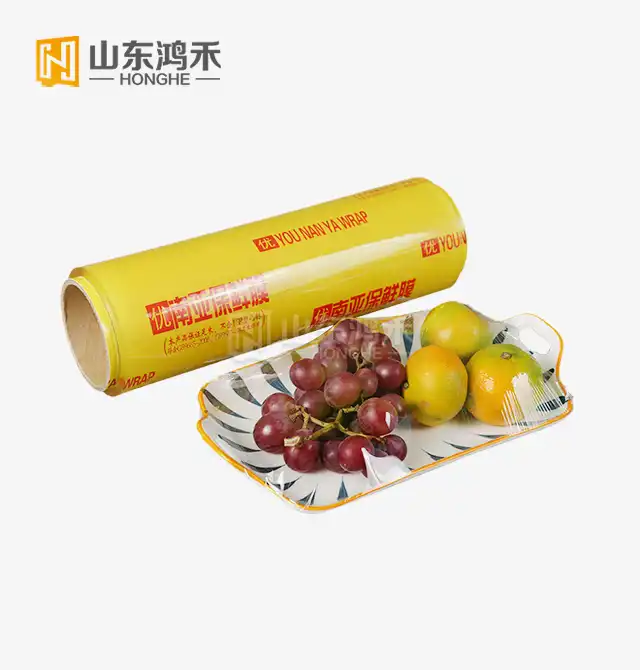
The food wrapping industry has come to rely on PVC Plastic Wrap to solve important operating problems faced by catering businesses, supermarket chains, and food preparation plants. This particular PVC Plastic Wrap has great oxygen permeability to keep the look of fresh proteins, great cling qualities that mean you don't have to use heat to seal, and great optical clarity that makes products look better on store shelves. The material's unique ability to breathe keeps moisture from building up and extends shelf life, making it the best choice for large-scale businesses that need stable, cost-effective ways to keep food fresh.
Understanding PVC Plastic Wrap and Its Role in Food Packaging
When it comes to food packing, materials need to be able to balance performance with practical needs. The tailored makeup of polyvinyl chloride resin and food-grade plasticizers like DOA or DEHA makes PVC Plastic Wrap stand out. It makes a flexible material with great sealing properties.
Manufacturing Excellence and Material Properties
From working with clients in the food preparation industry, we know that the choice of materials has a direct effect on how efficiently operations run. This film is made from long-lasting PVC and has the best clarity in the business, with haze levels below 1.5% and gloss levels above 90 GU. These visual qualities are very important in stores where seeing products is what makes people decide to buy them. The material has a high tensile yield strength, which means it can stretch tightly over different-shaped containers and keep its shape during automatic wrapping processes without falling or tearing.
Performance Comparison with Alternative Films
It's important for sourcing managers to understand the technical differences between packing materials they're looking at. PVC Plastic Wrap has much better static cling than polyethylene options, and it doesn't need glue or heat to work. The substance sticks easily to surfaces that don't absorb water, like plastic buckets, ceramic bowls, and stainless steel trays. This quality of sticking to itself cuts down on work costs in central kitchens and food businesses that serve a lot of people quickly. PVC Plastic Wrap is different from PE films because they let about 10,000 to 16,000 cc/m² of oxygen through every 24 hours. This makes them perfect for uses that need to swap gases while still keeping out outside contaminants.
Regulatory Compliance and Safety Standards
Food safety approvals are the basis for buying things in our business. Quality PVC Plastic Wrap is approved by the FDA for direct touch with food and meets the standards for food-grade materials set by the European Union. These approvals make sure that the film doesn't have any dangerous chemicals on it that could get into packaged foods when they are kept in regular refrigeration. Working with ISO, CE, and FDA-certified suppliers lowers compliance risks and ensures uniform quality across big orders, which is something that supply chain managers like.
Top Uses of PVC Plastic Wrap in the Food Packaging Industry
Because PVC Plastic Wrap is so flexible, it can be used in a wide range of food service industries. Knowing these specific uses helps buying workers match the specs of materials to the needs of operations, which saves money and keeps products safe.
Fresh Protein and Meat Display Packaging
PVC Plastic Wrap is used by supermarket meat sections to keep fresh beef, pork, and chicken looking good. The film's high oxygen permeability is important for biochemistry because it lets oxygen from the air pass through the package and keep myoglobin in its red, oxygenated state instead of turning brown, metmyoglobin. When compared to films with low permeability, this lets red foods stay fresh for several days longer. The material's elastic recovery qualities help automated wrapping machines in big meat processing plants make tight seals on a variety of tray sizes without having to be adjusted by hand. When clarity and cling are used together, they make tamper-evident packaging that gives customers peace of mind and keeps products from going bad too quickly.
High-Respiration Produce and Vegetable Storage
Different veggies breathe at different rates, which makes packaging fresh food very difficult. Mushrooms, broccoli, leafy greens, and hydroponic lettuces all make ethylene gas and wetness, which can speed up the rotting process if they get stuck in films that don't let air pass through them. The controlled water vapor transfer rate of PVC Plastic Wrap lets plants breathe naturally while stopping the anaerobic conditions that help bacteria grow and slime to form. This material is used to package pre-portioned veggies at distribution centers that serve supermarket chains. This keeps the cold chain intact during shipping. Because the film is clear, quality checks can be done without opening, which cuts down on handling time and keeps the supply chain clean.
Commercial Catering and Foodservice Operations
There is always pressure on restaurant kitchens, hotel dining businesses, and public food service facilities to keep food from getting contaminated while also making prep work go as quickly as possible. PVC Plastic Wrap works best in these situations because it sticks better to different kinds of containers. Chefs like that the film can be tightly sealed over Gastronorm pans made of stainless steel, ceramic serving dishes, and mixing bowls without the need for clips or rubber bands. The odor-blocking features of the material keep flavors from moving from one thing to another in crowded walk-in refrigerators. Central kitchens that serve many sites like how the film can keep food fresh during short-term cold storage. This helps with batch cooking and meets health department standards for proper food covering.
Ready-to-Eat and Prepared Food Packaging
People are increasingly choosing grab-and-go meals, so the fast food market keeps growing. Manufacturers of single-serve sandwiches, salad bowls, and snack boxes can save money by using PVC Plastic Wrap, which can be used for food packing, refrigeration, food service, and home use. The material's gloss and brightness make products look better on fridge shelves, and its tight seal keeps food fresh and stops it from drying out. Food processors can add printed logos directly to the film to support marketing goals while keeping the film's useful performance thanks to customization choices based on customer needs. This ability to do two things at once lowers the cost of packaging by getting rid of the need for extra marking steps in high-speed production lines.
Bulk Food Storage and Distribution
Companies that handle the distribution of a lot of food rely on materials that can stand up to the stresses of palletizing and cold-chain shipping. Heavy-duty PVC Plastic Wrap types offer the puncture protection needed for industrial uses while still allowing air flow, which is important for shipping large amounts of food. Warehouse managers like the material because it keeps stacked bins in place without moving, which means less shifting of the load during transport. The film can handle a wide range of temperatures, so it works the same way whether it's in the freezer or on a loading dock. This gives North American distribution networks more operating freedom across a wide range of climate zones.
Advantages and Disadvantages of PVC Plastic Wrap in Food Packaging
To make smart choices about buying, you need to be honest about both the pros and cons. When these factors are weighed against specific operating needs, the best material selection for long-term relationships is made.
Core Material Advantages
The technical benefits of PVC Plastic Wrap directly address problems that buying managers in different parts of the food business have pointed out. When you combine high flexibility with shape memory, the film can tightly fit into irregularly shaped containers without losing its shape over time. This keeps the protected seals in place for as long as the products are on the shelf. A big benefit is that PVC Plastic Wrap is more cost-effective than custom barrier films with the same level of clarity, usually 15 to 25 percent less per unit. When you buy in bulk and use thousands of square feet each month, this price benefit becomes very important. A free sample service lets purchasing teams test the quality of a product on their own before placing a big order, which lowers the risk in the supply chain.
The material comes in different sizes, ranging from 8 to 20 microns, which lets it be optimized for specific uses. Lighter sizes are better for fragile items like pastries and leafy greens, while thicker films are better for sharp-edged containers and automatic wrapping machines in meat processing plants. Customization options go beyond thickness and include width measurements, core sizes, and printed patterns that meet brand identity needs without losing functionality.
Environmental and Operational Considerations
Responsible buying takes into account the practical problems that come with PVC Plastic Wrap. Plasticized polyvinyl chloride recycling infrastructure is still limited in most local systems. This makes it hard for groups that care about the environment to get rid of waste at the end of its useful life. Because the film has plasticizers in it, it needs to be carefully chosen for which uses it, especially when it comes into close touch with high-fat foods where migration could happen. Because of these restrictions, food preparation plants need clear rules on how to use them to make sure they follow safety rules.
Temperature sensitivity is a practical issue because the material works best between 35°F and 50°F, which is normal for cold storage. Extreme heat can make plasticizers leak out, and freezer temperatures may make them less sticky. When operations managers know these factors, they can match the specs of the materials to the real storage conditions. This keeps performance problems from happening that could damage food quality or cause more waste.
Procurement Considerations: Selecting and Buying PVC Plastic Wrap
When you strategically source packing materials, you need to look at more than just the unit price. Building ties with manufacturers who know what the food business needs makes the supply chain more stable and less likely to be interrupted.
Certification and Compliance Verification
Credentials of the provider are the first step in quality security. Procurement managers should make sure that possible partners have up-to-date ISO 9001 quality management certifications and food-specific certifications like BSCI and WCA compliance. These certificates show that the company is committed to using fair production methods and consistent quality control methods. Products that meet FDA standards for materials that come into contact with food and have CE marks to show that they are compatible with the European market give companies that do business with other countries or want to grow their markets the freedom they need.
Documentation openness tells the difference between trustworthy providers and dishonest ones. Ask for full scientific data sheets that list the rates of oxygen transfer, water vapor permeability, tensile strength, and elongation qualities. This information lets you directly compare suppliers and helps with internal testing methods that check the performance of materials against practical needs.
Supply Chain Reliability and Service Capabilities
On-time shipping and enough inventory are two things that set sellers who can support large-scale businesses apart. When factories are close to major ports, like those in Shandong province, near Qingdao, they can take advantage of efficient export handling and easy access to containers, which keeps shipments on time. A plant with a lot of stock shows that it can handle both regular orders and emergency needs during times of high seasonal demand that are common in food preparation.
Different business groups have different buying cycles, so flexible ordering choices are needed to suit them. Suppliers that offer both ODM and OEM services give companies that need unique requirements or branded packing options ways to make their products fit their needs. Technical help, which includes 24-hour after-sales service, makes sure that any application questions or quality issues that come up during the initial deployment phases are quickly resolved. This kind of quick communication helps build the trust that buying managers need for long-term partnerships instead of short-term relationships with vendors.
Cost-Value Analysis and Bulk Purchasing
Buying choices are based on price, but the true value is found by looking at the total cost of ownership. Better films with consistent gauge tolerance lose less material because of machine jams and bad seals. This makes up for slightly higher unit costs by making operations more efficient. Bulk purchase deals often allow for bulk discounts running from 8 to 15%, based on the number of items ordered and the length of the contract. This has a direct effect on the bottom line for businesses with stable, predictable demand patterns.
Ordering mistakes that cost a lot of money can be avoided by asking for samples before finishing the specs. Testing samples in real-life situations, like making sure they work with the tools, keeping the clarity during the shelf life, and making sure the seals work well in cold environments, verifies what the seller says and makes sure the materials are right. By doing this due diligence step, you can avoid the trouble and cost of moving suppliers in the middle of a deal because of poor performance.
Environmental Impact and Sustainability of PVC Plastic Wrap
As standards for business responsibility change, worries about sustainability have a bigger impact on procurement strategies. Being aware of both the problems that exist now and the new ways to fix them lets people make fair choices that protect the environment without sacrificing the needs of the business.
Current Environmental Challenges
Companies that keep track of trash diversion data should be worried about the problems that come with recycling plasticized PVC Plastic Wrap. Most public recycling programs don't take PVC Plastic Wrap because it could get mixed in with the PE and PET recycling lines. Because of this rule, most used wrap ends up in landfills, adding to the amount of packaging trash that authorities and consumer groups are looking at. Plasticizers make it harder to get rid of waste by burning it, so special facilities with the right pollution controls are needed to keep dangerous byproducts from escaping.
Sustainable Practices and Emerging Innovations
Responsible usage guidelines reduce the damage to the earth while keeping the usefulness of the packaging. By teaching people how to control their portions, training programs can cut down on the amount of material waste that comes from using too much PVC Plastic Wrap, which saves money and space. When you store film rolls properly, away from heat sources, they don't break down too quickly, which means you don't lose material that can be used. Some manufacturers now make bio-based plasticizers that make films work better while reducing their reliance on petroleum. These small changes to current supply lines make them more sustainable.
Researchers in the industry are still working on making products that are easier to recycle and closed-loop collection methods for businesses. If procurement teams are interested in sustainable sourcing trends, they should talk to sellers about their plans for eco-friendly options. This will put their companies in a position to use better materials as soon as they can be made commercially viable. This method looks to the future and finds a balance between short-term operational needs and long-term environmental duty.
Conclusion
For food packing businesses, PVC Plastic Wrap is still an important part of the infrastructure. It has special technical qualities that help with different types of food preservation problems. The material's high oxygen permeability keeps the look of the proteins, and its high cling strength means that extra fixing is not needed in high-volume settings. Procurement experts can make smart sourcing choices that combine cost-effectiveness, regulatory compliance, and operational performance when they know both the pros and cons of each option. Long-term relationships that work well are built on working with certified manufacturers who offer customization options, dependable supply lines, and quick technical support. When companies talk to their suppliers about new eco-friendly products, it helps them change their packing strategies while keeping the useful properties that make PVC Plastic Wrap an important part of modern food distribution systems.
FAQ
What makes PVC Plastic Wrap different from polyethylene films?
Molecular structure and the behavioral traits that come from it are what make them different. Plasticizers in PVC Plastic Wrap give it better flexibility and natural static cling without the need for glues. On the other hand, polyethylene films usually need to be stretched or heated to seal. The rate of oxygen transfer is very different. PVC Plastic Wrap allows controlled gas exchange, which is important for keeping the color of fresh meat, while PE has tighter barrier qualities that make it better for freezing foods and general storage.
Can this film be safely used in microwave applications?
Standard PVC Plastic Wrap shouldn't be used in the microwave because the plasticizer might move when the temperature gets high. This is especially true when it comes in touch with fatty foods. Users who need microwave-safe options should make that clear when they place their order so that they can get the right materials or specially made PVC Plastic Wrap options that can handle heat.
How should operations properly dispose of used PVC wrap?
The current best practice is to separate used film from other business trash so that it doesn't get into recyclables. Facilities that make a lot of plasticized PVC Plastic Wrap may want to look into industrial composting partnerships or waste-to-energy programs that know how to safely handle it. Talking to local trash management authorities makes sure that you follow regional dumping rules and has the least possible effect on the environment.
Partner with a Trusted PVC Plastic Wrap Supplier
Shandong Honghe Plastics Co., Ltd. is your one-stop shop for high-quality food packing options that are made to fit the needs of industrial buyers. Our company has been in business since 2017 and has state-of-the-art production facilities close to Qingdao port. We make high-quality PVC Plastic Wrap that meets strict international standards for food safety. Our ISO, CE, and FDA certifications show that we are dedicated to producing high-quality products, and our BSCI and WCA compliance shows that we always follow ethical production practices.
For purchasing managers to have a good relationship with a seller, they need more than just low prices. They also need reliable delivery, technical customization, and quick support. Our large collection and effective logistics network make sure that bulk orders are shipped on time, so your activities don't have to stop for any reason. Customization choices let you meet specific needs, such as changing the thickness or width or adding printed logos that helps your business stand out in the market. We encourage people who work in buying to ask for free samples to check the quality before making a promise. Get in touch with tony@sdhhsl.com to talk about your unique needs, look into volume pricing for PVC Plastic Wrap manufacturer partnerships, and find out how our 24-hour technical help makes your supply chain more reliable.
References
1. Robertson, G.L. (2016). Food Packaging: Principles and Practice (3rd Edition). CRC Press, Boca Raton.
2. Yam, K.L. (2009). The Wiley Encyclopedia of Packaging Technology (3rd Edition). John Wiley & Sons, Hoboken.
3. Marsh, K. & Bugusu, B. (2007). Food Packaging—Roles, Materials, and Environmental Issues. Journal of Food Science, 72(3), R39-R55.
4. Hanlon, J.F., Kelsey, R.J., & Forcinio, H.E. (1998). Handbook of Package Engineering (3rd Edition). Technomic Publishing Company, Lancaster.
5. Selke, S.E.M., Culter, J.D., & Hernandez, R.J. (2004). Plastics Packaging: Properties, Processing, Applications, and Regulations (2nd Edition). Hanser Publications, Munich.
6. Brody, A.L. & Marsh, K.S. (1997). The Wiley Encyclopedia of Packaging Technology (2nd Edition). John Wiley & Sons, New York.