


_1750233969309.png)
Slide lock plastic bags are primarily made from low-density polyethylene (LDPE) or high-density polyethylene (HDPE), both derived from petroleum-based polymers. These materials provide the flexibility, durability, and chemical resistance that make these bags perfect for food storage, industrial applications, and commercial packaging. The zipper mechanism typically uses polypropylene (PP) for enhanced strength and repeated opening capabilities. Understanding the composition helps purchasing managers make informed decisions about food-grade safety, environmental impact, and application suitability for their specific business needs.
What Are Slide Lock Plastic Bags?
Slide lock plastic shopping bags are a significant improvement in transportation and packaging alternatives that have completely changed the way in which companies across a variety of sectors manage their goods. These forward-thinking containers are equipped with a one-of-a-kind sliding closing mechanism that removes the need for conventional heat sealing of external fasteners. Instead, an airtight seal may be created by applying finger pressure throughout the track.
A basic design that contains two plastic rails that interlock with one another and are molded directly to the opening of the bag. The hermetic seal that is created by these rails when they are forced together prevents the contents from being exposed to air, moisture, and contamination respectively. This technique makes them substantially more user-friendly than typical heat-sealed bags, while at the same time retaining the excellent protective requirements that are necessary in professional settings.
Extrusion of polymer components is performed with precision throughout the manufacturing process. This ensures that the wall thickness is constant and that the barrier qualities are optimized. The bags are subjected to stringent quality testing in order to conform to requirements set out by the FDA for food contact and national safety certifications. Through the use of cutting-edge blown film technology, contemporary manufacturing facilities are able to produce bags that exhibit consistent strength distribution and dependable sealing performance throughout the course of thousands of opening and closing cycles.
It is possible to satisfy a wide range of applications with different versions, ranging from lightweight wraparound storage to substantial freezer bags that are able to tolerate temperatures below zero degrees. Generally speaking, thickness varies to 2 mil for applications that are quite simple to 4 mil for applications that are commercially demanding. There is a clear transparency that makes it simple to identify the content, and there are a variety of sizes that can fit anything from little components to substantial bulk products.
There are specialized variants that have write-on surfaces, colored tinting for organizing systems, that reinforced bottoms for standup applications. The adaptability goes beyond basic storage and includes these features. Customization possibilities, including as brand logos, safety recommendations, and product information that is directly printed on the surface of the bag, are made possible by technologies that have advanced through the production process.
Problems Solved and Market Needs
In contrast to slide lock technology, traditional storage systems provide substantial operational issues that are immediately addressed by the technology. As a result of the large initial investment, continuing maintenance expenses, and experienced operators that are required for heat sealing equipment, it is not practicable for many company situations. Particularly in food services applications, where portion control and the preservation of freshness are of utmost importance, the difficulty to quickly reopen sealed containers results in the waste of products and the unhappiness of customers.
Contamination risks plague industries handling sensitive materials, from pharmaceutical laboratories to food processing facilities. Standard storage containers often lack reliable sealing mechanisms, allowing moisture infiltration that compromises product integrity and extends spoilage timelines. The economic impact includes inventory losses, quality control failures, and potential regulatory violations that can severely damage business operations.
When the packing process requires many stages or specialized equipment, the efficiency of the labor force is negatively impacted. Instead of concentrating on the operations that are essential to production, workers spend an unnecessary amount of time handling complicated sealing processes. This inefficiency is multiplied across big enterprises, which results in significant hidden costs that have an effect on earnings and competitive positioning.
Supply chain logistics present additional complications when packages cannot withstand repeated handling during transportation and storage. Damaged seals lead to compromised products, customer complaints, and expensive replacement procedures. The lack of reliable closure systems particularly affects industries requiring frequent access to stored materials throughout extended periods.
Environmental considerations increasingly influence purchasing decisions as businesses seek sustainable packaging alternatives. Single-use options generate waste streams that contradict corporate responsibility goals, while reusable solutions like resealable bags support environmental stewardship initiatives. These concerns drive demand for packaging that balances performance requirements with ecological responsibility, creating opportunities for innovative manufacturers to differentiate their offerings through sustainable design approaches.
Core Features and Functionality Deep Dive
The sliding closure mechanism of Slide Lock Plastic Bags represents sophisticated engineering designed for repeated use without performance degradation. The interlocking rail system utilizes precisely molded ridges and grooves that mesh together under pressure, creating multiple contact points along the entire closure length. This distributed sealing approach prevents weak spots that could compromise bag integrity during handling or storage.
One of the most direct influences on performance characteristics across a variety of applications is the selection of materials. As a result of its exceptional flexibility and resilience to impact, LDPE is a good material for handling situations that include frequent handling and irregularly shaped contents. For applications that include solvents, acidic substances or other reactive compounds, high-density polyethylene (HDPE) is a crucial material because of its better chemical resistant and barrier qualities. The choice of polymer has an effect on the degrees of transparency, with certain formulations being designed for visibility that is as clear as crystal, while others favor strength above optical clarity.
Thinner gauges reduce material costs for lightest applications, while heavier constructions give greater resistance to punctures for demanding conditions. Thickness variations allow for exact application matching, in thinner gauges decreasing material costs for ultralight applications. In order to achieve higher overall performance, multi-layer designs blend many kinds of polymers, therefore capitalizing on the distinctive characteristics of each individual material. It is possible that these tailored films will include barrier layers that will limit the transfer of gases, UV stabilizers that will protect transparent contents, or antimicrobial compounds that will impede the development of germs.
The design of the closure track is flexible enough to accept a variety of sealing values and open forces, which enables manufacturers to make the user experience more optimal for certain applications. Those applications that deal with food service might benefit from designs that are simple to open and can accept wet or gloved hands. On the other hand, industrial applications may emphasize tamper-evident elements that show that illegal entry has been gained. Closures that are color-coded are a useful tool for organizing inventory systems. distinct colors are used to designate distinct product categories or expiry intervals from one another.
Through the use of automated systems that check thickness, sealant strength, and optical qualities in real time, advanced manufacturing procedures guarantee that the quality of the product remains constant during many production runs. By using this quality control strategy, it is possible to prevent faulty items from reaching consumers while yet preserving the tight tolerances that are necessary for an effective sealing performance. The use of statistical process control systems allows for the tracking of critical parameters, which in turn enables continuous improvement efforts that increase product dependability and customer satisfaction overall.
Manufacturing Technology and Materials Science
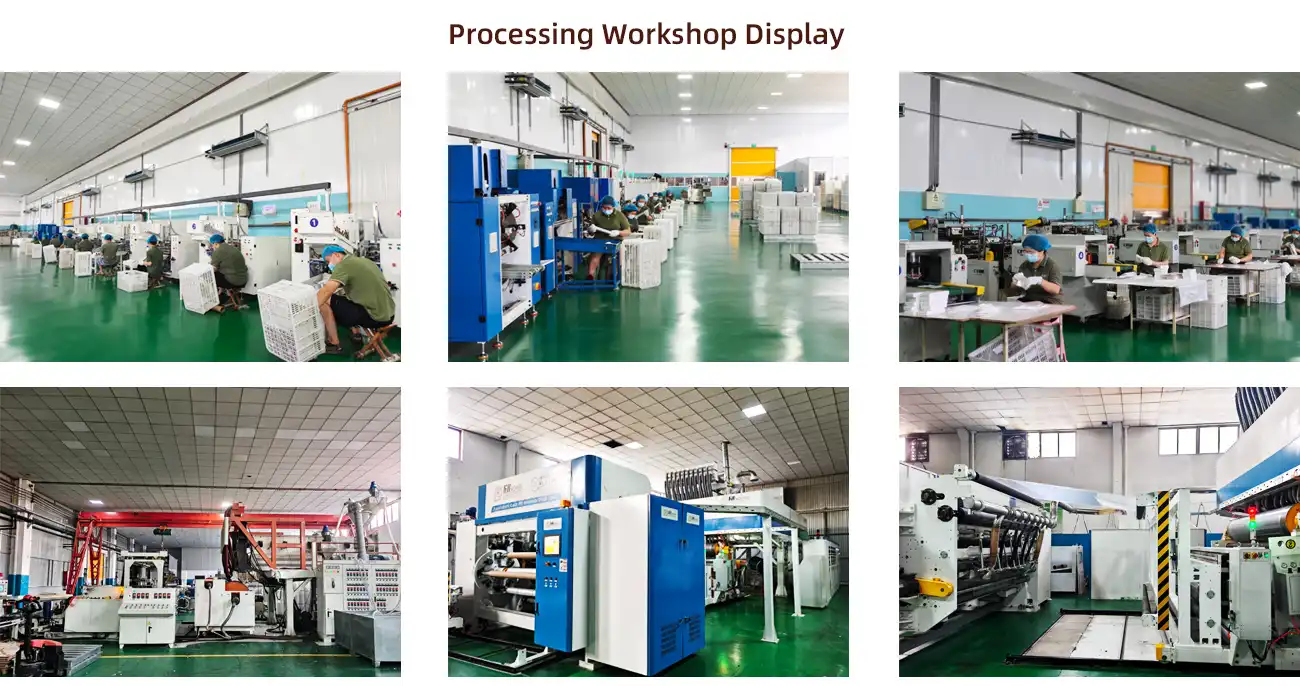
Through the use of carefully regulated heating and cooling procedures, contemporary extrusion technology is able to turn raw polymer grains into high-performance films. By combining many layers of materials at the same time, multi-layer co-extrusion systems are able to produce films with optimal characteristics that are not attainable using single-layer building methodologies. In order to obtain the appropriate thickness flatness and surface quality, it is necessary to make exact adjustments to the temperature characteristics, cooling rates, appropriate die gap settings.
Within the context of the development of the closure track, specialized tooling is used to shape the polymer while simultaneously preserving the correct molecular orientation. This procedure has a considerable influence on the strength and endurance of the seal, with poor formation resulting to untimely breakdowns or problematic closing operation. Advanced manufacturers make use of computer-controlled systems that continually check the parameters of the forming process. This helps to ensure that the track geometry remains consistent throughout the whole of the manufacturing run.
Multiple testing phases are included into quality assurance methods, beginning with the verification of raw materials and continuing through the certification of final products. The testing of seal strength involves measuring the force that is necessary to separate enclosed tracks, which ensures that the seal will work adequately under typical usage settings. When a film is exposed to sharp objects, the process of puncture resistance testing is used to assess its durability. Transparency measurements are used to check that optical quality criteria are met.
Additive systems enhance basic polymer properties for specialized applications. Anti-static formulations prevent dust attraction and electronic component damage in technology applications. Anti-fog treatments maintain visibility in refrigerated environments where condensation typically obscures contents. UV inhibitors protect both the bag material and contents from degradation during extended light exposure.
Research into polymers made from biomass and recyclable formulations is now being conducted since environmental concerns are driving the research. Despite the fact that they are maintaining performance criteria, businesses are investigating renewable feedstocks that minimize their reliance on petroleum and their carbon impact. In order to guarantee compatibility with the manufacturing equipment that is already in place and fulfillment of the end-use performance criteria, these innovations need to undergo comprehensive testing.
Key Advantages and Business Benefits
Cost-effectiveness emerges as the primary advantage driving widespread adoption across price-sensitive industries. The elimination of heat sealing equipment reduces capital expenditures while simplifying training requirements and maintenance procedures. Labor productivity increases when workers can quickly seal packages without waiting for equipment warm-up times or dealing with mechanical breakdowns that disrupt production schedules.
Versatility makes it possible to use a single product to solve many applications, which in turn reduces the complexity of inventory and the expense associated with procurement. Food storage, parts business, document safety, and sample quarantine are all features that can be accommodated by the exact same basic bag design; the only difference that is necessary is a change in size. The implementation of this standardization makes buying choices easier while also assuring that the performance of a wide variety of applications across the same facility is uniform.
Extended product life results from the superior barrier properties of Slide Lock Plastic Bags, which prevent moisture infiltration, oxidation, and contamination. Food items maintain freshness longer, reducing waste costs and improving customer satisfaction. Industrial components avoid corrosion and degradation that could compromise functionality or appearance, protecting valuable inventory investments.
Operational flexibility supports changing business needs without requiring significant process modifications. Seasonal volume fluctuations accommodate easily since no equipment capacity constraints limit throughput. New product introductions benefit from immediate packaging availability without custom tooling or long lead times that delay market entry.
Compliance advantages address increasingly stringent regulatory requirements across industries. FDA-approved materials ensure food contact safety, while certified manufacturing processes provide documentation supporting quality audits. Traceability capabilities enable lot tracking when quality issues arise, facilitating targeted recalls that minimize business disruption and liability exposure.
Limitations and Practical Considerations
Temperature limitations affect performance in extreme environments where conventional plastic materials lose flexibility or become brittle. High-temperature applications may require specialized formulations that increase material costs, while low-temperature scenarios might necessitate modified closure designs to maintain sealing effectiveness when polymers contract.
It is important to note that chemical compatibility varies greatly across the various kinds of polymers and additive systems. Strong solvents have the potential to produce swelling or dissolving, which might threaten the integrity of the bag. Additionally, some acids or bases may speed up the degradation process significantly. Choosing particular bag formulation for chemical storing applications requires careful consideration of compatibility criteria, which businesses must do before making their decision.
Size limitations constrain applications requiring very large capacity containers. Manufacturing equipment capabilities and material handling considerations limit practical bag dimensions, potentially necessitating multiple smaller containers instead of single large units. This multiplication can increase packaging costs and handling complexity for high-volume applications.
User training requirements ensure proper closure technique to achieve optimal sealing performance. Inadequate pressure application or incorrect finger positioning can create incomplete seals that allow contamination or moisture infiltration. Training programs must address proper handling techniques while emphasizing quality inspection procedures that identify defective closures before use.
In spite of the benefits of reusability, environmental concerns continue to exist since the final disposal of plastics still adds to the accumulation of waste streams. Even while recycling schemes accept a wide variety of bag materials, the possibility of contamination from food remains or chemical exposure has the potential to hinder recycling acceptance. In the process of choosing packaging solutions, businesses that are dedicated to achieving sustainability objectives need to strike a balance between performance needs and environmental effect concerns.
Competitive Analysis and Market Position
Traditional heat-sealed bags have lower starting prices, but they need large equipment expenditures and continuous maintenance charges, which cancel out the savings on materials. When the contents of a sealed container need only partial access, having to reopen the package results in waste. As a result, sealed packages are not ideal for numerous business scenarios that require frequent usage. In the event that the heat sealing equipment fails to operate properly or has to be cleaned between various kinds of products, the amount of labor that is required significantly increases.
Rigid containers provide superior protection but consume significantly more storage space when empty, increasing shipping costs and warehouse requirements. Weight penalties affect transportation expenses while limiting manual handling capabilities for larger sizes. The inability to conform to irregular shapes wastes space and may require additional protective packaging for odd-shaped items.
Vacuum packing technologies are able to attain higher barrier qualities; nevertheless, they need costly equipment and specialist training, which makes them inaccessible to smaller businesses. The inability to open or close packages without damaging the seal renders the advantages of reusability null and void, while also generating waste streams that are in direct opposition to the objectives of sustainability. The processing time is substantially longer as when compared with simple closure systems, which results in a reduction in the capabilities of throughput.
Twist-tie closures lack the sealing integrity required for moisture-sensitive applications while requiring separate fastening materials that increase component costs. Slide Lock Plastic Bags offer a superior alternative, as their tight closure mechanism prevents air circulation that accelerates spoilage, making them ideal for long-term storage. Manual handling time is also reduced, unlike the individual cutting and application procedures required for twist-ties.
Advanced barrier films incorporating metalized layers or specialized coatings provide enhanced protection but command premium pricing that limits widespread adoption. Complex manufacturing processes reduce availability while extending lead times for custom specifications. The improved barrier properties may exceed requirements for many applications, making them cost-ineffective solutions for price-sensitive markets.
Target Applications and Industry Solutions
Food processing operations benefit tremendously from airtight bags that preserve freshness while allowing easy access for portion control and quality inspection. Commercial kitchens utilize transparent plastic bags for ingredient storage, enabling quick identification while preventing contamination from external sources. The reusable nature supports sustainability initiatives while reducing packaging costs compared to single-use alternatives.
Medical and laboratory environments require contamination-free storage that maintains sterile conditions while providing convenient access to supplies and samples. BPA-free formulations ensure compatibility with sensitive medical devices and pharmaceutical preparations. Child-resistant designs protect hazardous materials while allowing authorized personnel easy access during emergency situations.
Heavy-duty plastic bags are used by manufacturing facilities for the purpose of organizing components and storing work-in-process. This helps to minimize damage while simultaneously preserving the efficiency of the production flow. The moisture-proof qualities safeguard delicate computer parts from humidity deterioration that might impact their operation or dependability, while the transparency makes handling inventory and quality control processes easier to carry out.
Retail operations leverage multipurpose storage bags for merchandise protection and customer packaging services. Travel storage applications accommodate personal items while meeting airline security requirements for liquid containers. The leak-proof design prevents damage to surrounding items while maintaining professional appearance standards.
Within the context of the shipping process, these bags are used by logistics organizations for the purpose of consolidating minor pieces and protecting documents. The capacity to endure repeated handling allows for the prevention of package failures, which might lead to the loss of inventory or results in complaints from customers. Additionally, the possibilities of custom printing allow for the branding of the firm while simultaneously giving tracking information and care instructions right on the surface of the box.
Conclusion
Slide lock plastic bags manufactured from high-quality polyethylene materials provide exceptional value for businesses requiring reliable, reusable packaging solutions. The combination of user-friendly operation, superior sealing performance, and cost-effective manufacturing makes them ideal for diverse applications across multiple industries. Understanding the material composition, manufacturing processes, and application considerations enables informed purchasing decisions that optimize both performance and economic outcomes.
Future developments will likely focus on enhanced sustainability through bio-based materials and improved recycling compatibility while maintaining the performance characteristics that drive current adoption. Smart packaging technologies may integrate sensor capabilities that monitor freshness or detect tampering, adding value for security-sensitive applications.
FAQ
Q1: Are slide lock plastic bags safe for storing food products long-term?
A: Yes, when manufactured from FDA-approved materials like LDPE or HDPE, these bags meet food contact safety standards. The airtight seal effectively preserves freshness and prevents contamination. However, storage duration depends on the specific food type and environmental conditions. Freezer-grade formulations withstand sub-zero temperatures without becoming brittle, making them suitable for extended frozen storage applications.
Q2: How many times can slide lock bags be opened and closed before the seal fails?
A: Quality slide lock bags withstand hundreds of open-close cycles when used properly. The actual number varies based on material thickness, closure design, and handling technique. Heavy-duty commercial grades typically exceed 500 cycles, while standard consumer versions provide reliable performance through 100-200 openings. Proper closure technique significantly impacts longevity.
Q3: What thickness should I choose for different applications?
A: Application requirements determine optimal thickness selection. Light-duty uses like document storage work well with 2-mil thickness, while food storage benefits from 3-mil construction. Heavy-duty industrial applications requiring puncture resistance need 4-mil or thicker materials. Consider content weight, handling frequency, and environmental conditions when selecting appropriate thickness levels.
Partner with Shandong Honghe Plastics for Premium Slide Lock Plastic Bags Solutions
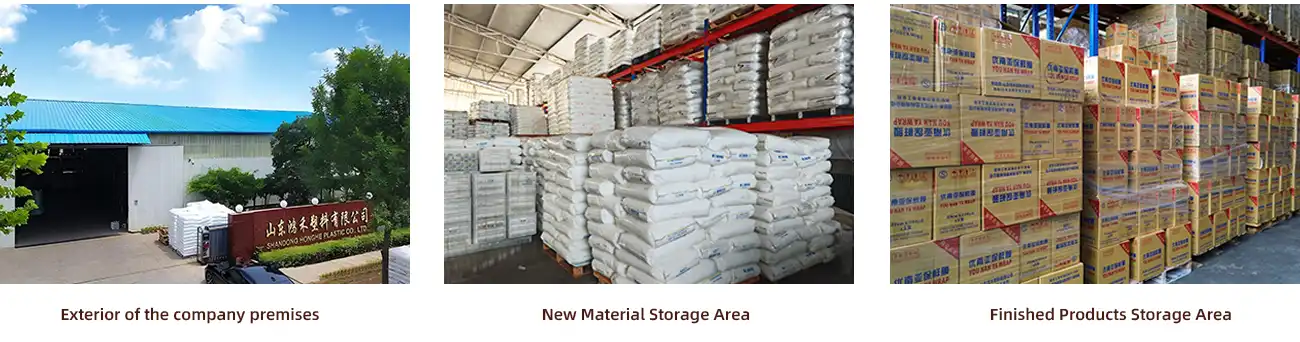
Shandong Honghe Composites Co., Ltd. is an excellent choice for companies who are looking for trusted collaborations with manufacturers of slide lock bagged goods since they provide amazing value. Our cutting-edge plant, which is located close to the port of Qingdao, guarantees seamless logistics while simultaneously preserving reasonable pricing via the use of efficient manufacturing techniques. Since the year 2017, we have worked hard to establish ourselves as a reliable supplier that consistently provides quality that is up to par with international standards.
Plastic bags with sliding locks that are FDA-approved and CE-certified are produced by our modern production capabilities. These bags are designed to meet the requirements of the most stringent applications in the food processing, medicinal, and industrial environments. Our dedication to our quality procedures is shown by our ISO accreditation, and our BSCI along with WCA certifications prove that we adhere to ethical manufacturing methods that are in line with the standards for corporate responsibility.
The comprehensive product range includes various thicknesses, sizes, and specialized formulations optimized for specific applications. Custom printing services enable brand recognition while providing essential product information directly on packaging surfaces. ODM and OEM capabilities support unique requirements that standard products cannot address, ensuring perfect fit for specialized applications.
Purchasing managers benefit from our substantial inventory capacity and rapid delivery capabilities that maintain production schedules without interruption. Competitive bulk pricing structures reward large-volume commitments while maintaining consistent quality across entire orders. Sample programs allow thorough evaluation before major purchases, reducing procurement risks and ensuring application suitability.
Expert technical support addresses complex application challenges while recommending optimal solutions that balance performance requirements against cost considerations. Our experienced team understands the unique demands facing different industries and provides guidance throughout the selection and implementation process. Ready to explore how our premium resealable bags can enhance your operations? Contact us at tony@sdhhsl.com to discuss your specific requirements and receive detailed product information.