


_1750233969309.png)
What Makes Cling Wrap Microwave-Safe?
Cling Wrap For Microwave is made from special polymers, mostly Low-Density Polyethylene (LDPE), Polyvinylidene Chloride (PVDC), or Polymethylpentene (PMP), that are made to withstand dielectric heating without breaking down or letting dangerous chemicals move through them. Normal plastic sheets can break down below 80°C, but microwave-safe versions can withstand temperatures between 110°C and 180°C. This eliminates important worries about Non-Intentionally Added Substances (NIAS) getting into food and mechanical failure during rapid steam expansion. This feature guards the quality of the food while meeting the safety standards needed by industrial and commercial food companies.
Understanding the Safety Concerns of Microwaving Cling Wrap
When using the wrong plastic films, microwave cooking comes with its own set of risks. A lot of buying managers get confused when companies say something is "Cling Wrap For Microwave" without providing any proof. When buying teams understand these problems, they can avoid making mistakes that cost a lot of money and protect the brand's image.
Material Reactions to Microwave Energy
Microwave energy affects different types of polymers in very different ways. Plasticizers like DEHP or DEHA are often found in standard PVC films. These chemicals can move into food when cooked, especially fatty foods like cheese or meat. Even though polyethylene films are more stable at high temperatures, basic PE formulas usually hit their heat deflection temperature around 110°C. PVDC-based films work better than other types because they keep their structure even at temperatures above 140°C. This difference means that when you make decisions about what to buy, you need to take into account the temperature ranges that will be used in your food processing or serving areas.
Chemical Migration Risks and Health Implications
The biggest safety worry is that chemicals can leak out during cooking cycles. Plasticizers and chemicals can get into food when plastic films are heated above their safe temperature range. It is known that phthalates, which were once used to make PVC, are bad for your health and are strictly regulated by FDA 21 CFR 177.1520 and EU Regulation No 10/2011. A very important quality standard is to meet the Overall Migration Limits (OML), which are usually less than 10 mg/dm² in artificial testing circumstances. At Shandong Honghe Plastics, we follow strict migration testing methods that are in line with ASTM D4754 and EN 1186 standards. This makes sure that every production batch meets international safety standards before it gets to your operations.
Regulatory Standards and Certification Requirements
Food safety officials around the world require certain signs of cooperation. When products are certified by the FDA, they meet U.S. standards for food handling, and when they are certified by the EFSA, they meet European standards. From choosing the materials to making the end product, our manufacturing methods include these regulatory frameworks. Our Shandong site has ISO, CE, and FDA certifications, which show that we are committed to meeting these foreign standards. Asking for proof of these licenses is a good idea for purchasing managers because it protects them legally and shows that your supply chain follows food safety rules in all markets.
Key Features That Make Cling Wrap Microwave-Safe
In order to find real Cling Wrap For Microwave films, you need to know about the technical differences between professional-grade goods and regular ones. These features have a direct effect on the safety of operations and the performance of the product in business settings.
Advanced Polymer Compositions
Advanced material formulas are used to make high-performance microwave films. LDPE is cheap and can handle some heat, so it can be used to reheat veggies and ready-made food. PVDC has better cling qualities, can handle higher temperatures, and protects against moisture and smells better than other materials. This makes it perfect for long-term keeping and reheating processes. Although it costs more, PMP is a high-end material that can withstand temperatures up to 180°C without melting. When procurement teams know about these differences in materials, they can match film specs with practical needs and price limits.
Thermal Stability Parameters
When buying from a business to business, technical details are very important. As a main measure of performance, heat deflection temperature is used. For microwave-safe films, values must be higher than the highest temperature your products can reach. Standard microwave heaters heat up to 120°C to 100°C on the inside, but foods that are high in sugar or fat can reach temperatures higher than these at touch points. Choosing films that are approved for 140°C or higher gives you the safety gaps you need. At Shandong Honghe Plastics, our production lines use heat resistance testing procedures that put samples through specific temperatures for 15 to 30 minutes. This makes sure that damage stays below 5% tolerance levels.
Essential Certifications and Compliance Markers
In addition to the composition of the material, safety claims are backed up by proper approval documents. On the package and specification sheets, look for clear microwave symbols that are paired with the highest temperature values. Referencing FDA 21 CFR 177.1520 or EU Regulation No 10/2011 as proof of compliance shows that regulatory testing is complete. Our goods come with all the paperwork needed to prove they are certified. This includes ISO quality management proof, CE marking for European markets, and FDA compliance for sales in the United States. This complete set of certifications makes your due diligence process easier and speeds up the approval process for purchases within your company.
Design Features Supporting Safe Usage
A lot of the safety of microwaves comes from the way they are built. Enough Water Vapor Transmission Rate (WVTR) keeps food from drying out too much while it's being reheated while still providing protection. Controlled Oxygen Transmission Rates (OTR) keep oxidation, which hurts food quality, to a minimum. Better self-adhesive qualities that rely on surface tension instead of solvent-based bonds get rid of the risk of chemical contamination. High extension at break—often more than 300%—makes sure that films can stretch over odd-shaped containers without breaking when steam pressure builds up. Professional-grade films are different from consumer films because of these tech factors, which provide the dependability needed in food businesses.
Choosing the Right Microwave-Safe Cling Wrap for B2B Procurement
Safety compliance isn't the only thing that goes into procurement choices; cost-effectiveness, supply stability, and vendor partnerships are also important. To get the best total cost of ownership from strategic buying, you have to look at a lot of things at once. Picking the right Cling Wrap For Microwave requires careful evaluation of the following factors.
Evaluating Supplier Capabilities and Reliability
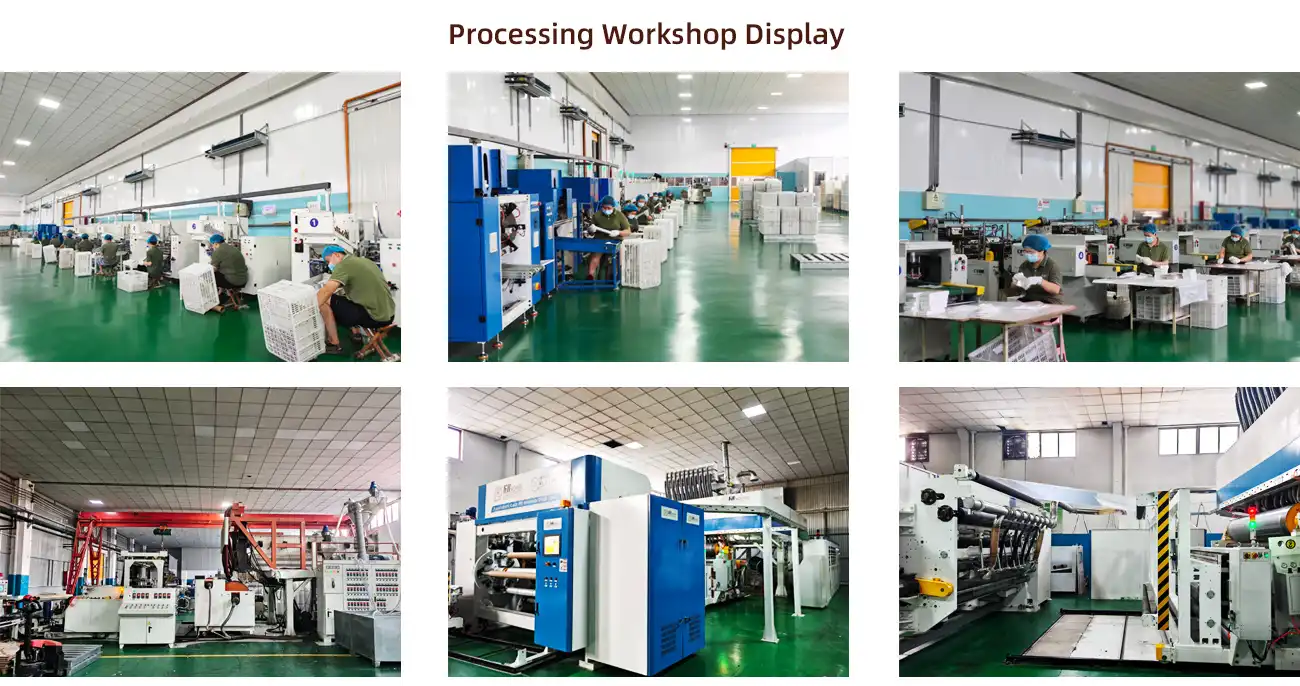
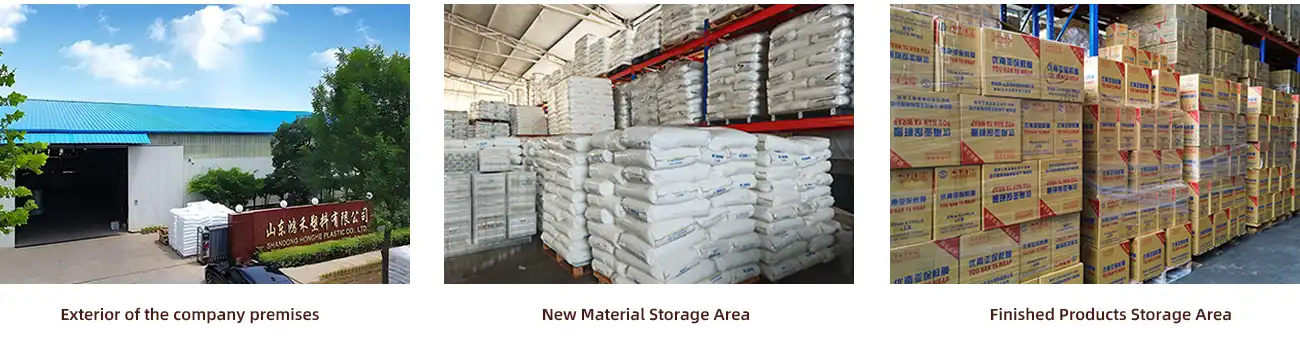
Choosing a supplier has a big effect on business consistency. Check the production ability of your providers to make sure they can meet your volume needs during busy times without lowering the quality. Our factory close to Qingdao Port uses high-tech production tools in regular workshops and keeps a lot of stock so that large orders can be filled quickly. Logistics for transportation are also important. Being close to major shipping paths cuts down on lead times and freight costs. Check that your providers follow ethical manufacturing practices (BSCI or WCA compliance) and quality management systems (ISO certification). This will help you keep your corporate responsibility promises.
Bulk Purchasing Strategies and Cost Optimization
When you buy in bulk, you can get big cost savings. By setting minimum order amounts that are in line with how much you normally consume, you can balance the costs of keeping supplies with lower unit prices. Talk about pricing systems that reward long-term agreements while still allowing for changes to specifications. Ask for specific cost estimates that include the types of materials used, differences in thickness, and different ways of packaging in order to find ways to save money. Shandong Honghe Plastics's sales team creates unique price plans for accounts that buy a lot of plastic. These plans include tiered savings and combined shipping that help your business make more money.
Emerging Sustainability Considerations
Environmental duty is becoming more and more important in purchasing decisions. BPA-free formulations address health issues and meet customer standards for clean labels. Looking into films with recycled materials or bio-based plastics can help companies reach their sustainability goals, but it's still important to carefully check how well they work. For some uses, switching to reusable silicone covers or glass lids can help some businesses cut down on their use of single-use plastic. To find a good balance between environmental goals, operational needs, and cost limits, you need to carefully look at your waste handling systems and use cases.
Quality Verification Through Sample Testing
Pre-purchase validation is an important part of rational buying methods. Ask for sample amounts that are closer to real production batches than specimens that were carefully made. Test the product in your own facility using real microwave ovens, common food items, and normal cooking processes. Look at actual performance factors such as how well it sticks, how easy it is to handle, and how the steam vents behave. Our customer service team is available 24 hours a day, 7 days a week. They organize sample shipments and give you technical information to support your evaluation processes. This way, you can make confident buying choices based on real-world data from your own facilities.
Best Practices for Using Cling Wrap in Microwave Applications
Using the right handling methods will increase safety and make Cling Wrap For Microwave products last longer. Common mistakes that hurt food safety and quality can be avoided by teaching staff the right way to use equipment.
Correct Covering Techniques
Leaving enough room between the film and the food surface stops them from touching directly, which can melt the film. Leave about 2 to 3 centimeters of space, especially when warming foods that are high in fat, like gravies, or high in sugar, like sweets, that get hotter than 100°C. Do not touch the inside of the microwave or the hot parts. Put some strain on the edges of the film around the rims of the containers but not so much that they can't release steam.
Steam Management and Venting Procedures
Controlled opening keeps good moisture in while stopping dangerous pressure buildup. You can either fold back one corner of the film covering or make small holes in it to let the steam escape. By doing this, the extreme growing effect that can happen when covers are taken off is avoided. Ventilation also helps the food's heat spread out more evenly, which is important for business food service companies that need to keep quality standards high.
Common Usage Errors to Avoid
Even though approved pictures are used, safety is compromised by a number of mistakes. Do not use single-use microwave films more than once because the first cooking breaks down the polymer structures and makes it more likely that they will migrate during future uses. Even if it saves you money, don't use non-certified goods because the health and legal risks are greater than the savings. Do not poke holes in films with sharp objects before heating them, because tears can grow very quickly under the pressure of steam. Teach your staff how to spot signs of film degradation, like too much shrinking or darkening, that mean the film needs to be replaced.
Complementary Solutions and Alternatives
Using more than one covering option is often good for strategic operations. Glass lids with steam vents are strong and can be used again and again on normal containers, but they can't bend like films can. Silicone stretch covers are an eco-friendly option for some uses, especially when warming the same-sized containers over and over again. Using films for initial covering during storage and rigid covers for reheating processes can help keep food safe and extend its shelf life. Check your operational process to see where each solution gives you the most value. You might want to use a mix of solutions at different steps of food preparation.
Conclusion
To choose the right Cling Wrap For Microwave, you have to weigh technical specs, regulatory compliance, cost-effectiveness, and the trust of the provider. The thermal stability of a material depends on its makeup. LDPE, PVDC, and PMP all have different performance qualities that make them good for different uses. Having certification paperwork that says you follow FDA and EU rules saves you from responsibility and makes sure food safety standards are met. Purchasing managers can get a competitive edge by working with certified suppliers who offer stable quality, flexible bulk price, and quick transportation support. Adding proper usage training and quality testing standards to your operations will increase safety and make the best use of your resources across all of your food handling operations.
FAQ
Are all plastic wraps suitable for microwave use?
No, films that are made and approved for use in microwaves should be the only ones used to heat food. Standard PVC wraps often have plasticizers in them that move into food when it gets hot, especially fatty foods. Cling Wrap For Microwave is made of materials like LDPE, PVDC, or PMP that don't break down when heated up and keep their shape.
How can I be sure that cling wrap is truly microwave-safe?
Check the package for clear microwave symbols that are paired with the highest temperature values. Ask the seller to show proof that they follow FDA 21 CFR 177.1520 or EU Regulation No 10/2011. Manufacturers with a good reputation keep full approval records that include migration testing results that prove safety under hot conditions.
What should I do if cling wrap melts during microwaving?
Stop using it right away, and throw away any food that has film on it that has been contaminated. Check the product's specs to make sure that the temperature levels meet the needs of your application. The event probably happened because the film wasn't certified or because it was heated for too long or came into close touch with food. Change to films with the right ratings and follow the right ways to use them, such as leaving enough room and venting.
Partner with a Certified Cling Wrap For Microwave Supplier
Shandong Honghe Plastics Co., Ltd. makes Cling Wrap For Microwave that is approved to be safe in microwaves and is designed for tough business and industrial uses. Our factory uses cutting-edge production tools and strict quality control procedures. They are FDA, ISO, and CE certified, which makes your compliance paperwork easier. We specialize in large orders and offer reasonable price structures for high-volume accounts. We also keep a lot of inventory close to Qingdao Port to ensure fast delivery to your operations.
In addition to supplying products, we also offer full technical support, which includes testing samples, customizing specifications through our OEM and ODM services, and 24x7 customer service that answers your operating questions. Whether you're in charge of a catering business, a food processing plant, or a school buying program, our team can come up with solutions that meet your needs and help you reach your sustainability goals. To get examples and talk about how our microwave-safe film options can help your food safety standards and operations run more smoothly, email tony@sdhhsl.com.
References
1. Anderson, M.K. (2021). Food Contact Materials: Chemical Safety and Regulatory Compliance. Academic Press.
2. Food and Drug Administration. (2020). Indirect Food Additives: Polymers - Code of Federal Regulations Title 21 Part 177. U.S. Government Publishing Office.
3. European Food Safety Authority. (2019). Guidance on the Risk Assessment of Substances Present in Food Contact Materials. EFSA Journal, 17(4).
4. Thompson, R.L. & Morrison, G.H. (2022). Thermal Properties of Polymer Films for Food Packaging Applications. Journal of Applied Polymer Science, 139(12).
5. International Organization for Standardization. (2021). ISO 10993-18: Biological Evaluation of Medical Devices - Chemical Characterization of Materials. ISO Standards.
6. Williams, D.F. & Chen, Y. (2020). Migration Testing Protocols for Microwave-Safe Food Contact Materials. Food Additives & Contaminants: Part A, 37(8), 1298-1312.