


_1750233969309.png)
Top Benefits of PVC Food Wrapping Film for Export Markets
For people who buy things from other businesses, PVC Food Wrapping Film is an essential way to keep food fresh during foreign supply lines. This special packing material provides great barrier protection, keeps food fresh longer, and meets the strict global food safety standards needed in foreign markets. Its special molecular structure lets controlled amounts of air through while keeping moisture in. This makes it perfect for transporting fresh fruits and vegetables, red meats, chicken, and ready-to-eat foods over long distances. For buying managers and supply chain leaders who are in charge of large-scale operations, knowing how PVC Food Wrapping Film solutions can help with cost savings, regulatory compliance, and reliable operations can have a big effect on your bottom line and on how happy your customers are.
Understanding PVC Food Wrapping Film and Its Role in Export Markets
PVC Food Wrapping Film shows a unique type of polyvinyl chloride that was created especially for use with food. This material is different from regular polyethylene because it uses non-toxic plasticizers like DOA or DOTP to make it stick better and have a special "memory effect" that keeps seals tight even when heat isn't applied.
Manufacturing Standards and Certifications
Quality PVC Food Wrapping Film meets international food safety standards thanks to high-quality production methods. In addition to meeting FDA 21 CFR 175.300 and EU Regulation 10/2011 norms, our production sites are also ISO certified. These certificates show that vinyl chloride monomer residues stay below 1 mg/kg, and DEHP-free plasticizers make sure that food can safely come into touch with the product. Purchasing managers should give more weight to suppliers who show clear proof documents. This is because following the rules keeps shipments from being rejected at international borders, which can be expensive.
Technical Specifications That Matter for Exporters
The physical features of high-end PVC Food Wrapping Film have a direct effect on how well they do in exports. The material has a tensile strength of 15 to 30 MPa and an elongation at break of 150% to 400%. This means that it can stretch tightly around odd-shaped foods without tearing during automatic packing lines. Optical clarity below 1.5% haze makes it easier to see products on store shelves, and water vapor transfer rates of 150–400 g/m²/24h stop condensation buildup that speeds up bacterial growth during shipping in cold temperatures.
Environmental Responsibility in Global Trade
Concerns about ecology are becoming more and more important in modern industry. Recycling programs and better ways of making PVC Food Wrapping Film have less of an effect on the earth while still meeting performance standards. Environmentally friendly buying fits with CSR goals and meets rising store needs for eco-friendly packaging in North American and European markets, according to procurement teams that are on the cutting edge.
Top 5 Benefits of PVC Food Wrapping Film for Exporters
Quality PVC Food Wrapping Film has many benefits besides just covering food. When procurement professionals know about these benefits, they can make choices that protect the quality of the product and improve business efficiency throughout the export process.
Superior Barrier Protection and Shelf Life Extension
Controlled oxygen transfer is a huge benefit for people who ship fresh food. The material's unique ability to let oxygen pass through it keeps red meat's desirable cherry-red color for up to 72 hours, while barrier films would turn meat purple-brown in just hours. This ability to breathe is very important for mushrooms and other veggies that breathe a lot, because regular films trap moisture and cause slime and early spoilage. The balanced gas exchange greatly increases the shelf life, which cuts down on waste and keeps the worth of the goods while they are being shipped across foreign borders.
Exceptional Versatility Across Applications
Different businesses have different operational needs that can be met by customization choices. Different amounts of thickness are needed to protect different types of food, from soft fruits and vegetables to heavy meat cuts. Size requirements meet the requirements of automatic PVC Food Wrapping Film machines, whether they are Ishida, Ulma, Omori, or Digi machines running at speeds of more than 60 packs per minute. Because it is flexible, the material can be used in store fresh food counters, central kitchens, catering services, and retail packing for home items. We offer customized specs that meet the individual needs of each customer and guarantee the best performance from -60°C to 40°C.
Cost-Efficiency Through Waste Reduction
Procurement teams that are careful with their budgets like how stretchability and puncture resistance keep materials from going to waste. The PVC Food Wrapping Film high tensile strength keeps it from tearing during fast automated wrapping processes, which cuts down on downtime and items that are sent back. Better cling qualities keep hermetic seals during shipping in cold temperatures without using extra glues or heat sealing, which lowers costs. When you buy this material in bulk, it usually has better unit economics than polyethylene options. This is especially true when you consider that better protection means less product loss. When buyers in bulk sign long-term supply deals, they can get competitive prices that lower their total costs.
Compliance with Global Food Safety Standards
For foreign markets, following international rules is still a must. When you use high-quality PVC Food Wrapping Film that meet FDA and EU standards, you don't have to worry about harmful substances moving or getting contaminated. Documentation showing agreement with laws about food contact makes it easier to get goods through customs in different places. Our goods go through a lot of tests to make sure they meet safety standards. This gives buying managers faith that shipments will meet the needs of the final destination country. This legal guarantee protects the image of the brand and stops costly refunds or trade interruptions.
Enhanced Visual Appeal and Product Presentation
Visual marketing is a big part of how well a store does. The high gloss finish and exceptional clarity of quality PVC Food Wrapping Film make food look appealing, which affects customers' choices to buy at the point of sale. Anti-fog features keep products looking fresh, which is what drives sales, by stopping the condensation that makes it hard to see products in cold display cases. Tight, wrinkle-free wrapping gives products a more professional look, which makes people think they are of higher quality. This helps premium price tactics in export markets where competition is high.
Comparing PVC Food Wrapping Film with Alternative Solutions
Comparisons of different packing materials that are based on facts help with buying choices. Even though polyethylene films are the most common choice for some uses, knowing how different materials work helps you choose the right ones for the job.
Performance Characteristics Versus Polyethylene
Polyethylene is good for barrier uses where total oxygen exclusion helps keep products fresh because it lets less oxygen through. This blocking quality, on the other hand, is bad for fresh red meat and some fruits and vegetables that need to breathe. PVC Food Wrapping Film has better cling and doesn't create static electricity, which keeps machines from getting stuck in high-speed automatic processes. The stiffness of the material makes it easier to work with machines, but it is still flexible enough to be used by hand. Temperature tolerance between freezing and room temperature gives it more uses than polyethylene sometimes does not have.
Cost Considerations and Value Analysis
When you first buy luxury PVC Food Wrapping Film solutions, they may seem more expensive than basic polyethylene films. But a full value review takes into account things like less waste, longer product shelf life, lower chance of contamination, and better presentation quality. Buyers in bulk should figure out the total cost of ownership, taking into account how well the equipment works with each other, how efficient the labor is, and how not to lose products. When operating efficiency gains are added to material costs, our competitive price system for large orders often leads to lower per-unit costs.
Supplier Selection Criteria for Export Operations
Reliable suppliers can be told apart from questionable ones by the name of the brand and the openness of the approval. To keep supply chains steady, procurement managers should check that paperwork for ISO, FDA, and EU compliance is correct while figuring out how much can be made. Track records of suppliers for on-time delivery, store depth, and consistent quality have a direct effect on the stability of operations. We keep a lot of stock on hand and can help with logistics quickly because we are close to Qingdao port. This means that we can guarantee reliable shipping times that work with just-in-time purchasing strategies. Our advanced production tools and regular workshops make sure that the quality of our PVC Food Wrapping Film is always the same from one batch to the next.
Practical Guidance for Procurement and Usage of PVC Food Wrapping Film
For implementation to go well, product specs must be in line with working needs, and solid supplier relationships must be built to support long-term business goals.
Specification Selection for Export Applications
The choice of thickness varies on the properties of the product and how it needs to be handled. Heavier gauge PVC Food Wrapping Film is better at protecting bone-in meats and items with sharp edges from being punctured, while thinner films are better for delicate produce and automatic high-speed lines. To cut down on waste and boost efficiency, the width measurements should match the specs of the covering equipment. Ratings for temperature performance must take into account how the cold chain works during export transport. Different markets have different certification needs, so it's important to make sure that U.S. goods meet FDA standards and EU food contact standards for European markets.
Optimizing Usage Across Manual and Automated Operations
The better cling qualities of manual PVC Food Wrapping Film make it easier to make secure seals with less effort, which cuts down on the time needed to work on each box. Automated tray wraps need uniform film thickness and the right amount of stiffness to keep the seal intact at high speeds and keep the machine from getting stuck. How the delivery equipment is loaded affects how much material is used and the quality of the wrap. Teaching warehouse workers how to handle things properly cuts down on waste and makes packages look better. We give you technical advice to help you use our PVC Food Wrapping Film services in the best way possible in your particular operating setting.
Building Strategic Supplier Partnerships
Long-term partnerships with trustworthy makers guarantee a steady supply and lower prices. Setting up clear lines of contact makes it easier to solve problems quickly when changes to specifications or quick supplies are needed. Testing samples of a product before placing large orders makes sure that it works well in real-world situations. With our free sample service, buying managers can carefully check the quality of our PVC Food Wrapping Film and see how well it works in their specific uses before committing to buy in bulk. We support both ODM and OEM needs, and we can meet your private labeling and custom packing needs to help your brand stand out. Our 24-hour after-sales service and easy return policies show that we care about our customers' happiness after the sale.
Future Trends and Innovations in PVC Food Wrapping Film for Export Markets
Sustainability concerns, new technologies, and changes in the supply chain that affect export operations are all pushing the packing business to keep changing.
Sustainable Development and Recycling Initiatives
Environmental awareness is becoming more and more important in buying choices as customers and sellers demand responsible packing solutions. Manufacturers are working on better ways to recycle PVC Food Wrapping Film trash that recovers it and uses it again. Biodegradable mixtures with reusable ingredients show promise for some uses, but the trade-offs in performance need to be carefully considered. Teams that are focused on sustainability in procurement should work with suppliers that can show measurable progress toward the principles of the circular economy while still meeting the product safety standards needed for foreign markets.
Technological Improvements Enhancing Performance
More research is being done on improved plasticizer PVC Food Wrapping Film formulas to make films better. Better barrier properties make things last longer on the shelf without losing the controlled leakage that helps fresh foods stay fresh. Better stretchability cuts down on material use while keeping the purity of the seal. Anti-fog methods built into the structure of the PVC Food Wrapping Film get rid of mist problems in places where the temperature changes often. Small improvements like these add up over time to big practical benefits that make the higher cost of cutting-edge materials worth it.
Supply Chain Resilience in Global Markets
Recent problems have shown how important it is to have a variety of suppliers and trust them. Customers can deal with changes in supply when manufacturers keep a lot of goods on hand and can produce in a variety of ways. Being close to important shipping ports, like where we are in Shandong Province, near Qingdao, cuts down on the time and money needed to move foreign goods. Strategies for buying things that stress suppliers' financial security, backup output, and open communication make it easier to handle sudden problems that could affect operations.
Conclusion
In conclusion, PVC Food Wrapping Film has strong benefits for business-to-business buyers who are in charge of export activities. Because it is a better barrier, can be used in many different ways, is cost-effective, follows the rules, and looks good, this material is essential for keeping product quality high throughout foreign supply lines. Careful supplier selection based on clear certification, production capacity, and service dependability guarantees steady access to high-quality products that meet the strict needs of foreign markets. As efforts to be more environmentally friendly and new technologies keep getting better, smart purchasing managers will find it useful to work with companies that are dedicated to always getting better while still meeting the performance standards that keep your products and reputation safe in global markets.
FAQ
Is PVC Food Wrapping Film safe for direct food contact?
Premium packing materials that are made to meet international standards are safe to use where food will be touching them. Products that meet the requirements of FDA 21 CFR 175.300 and EU Regulation 10/2011 use plasticizers that are DEHP-free and don't leave behind more than 1 mg/kg of vinyl chloride monomer. These approvals make sure that no harmful substances get into food items when they are used normally, like when they are stored in the fridge or freezer. Always check the paperwork that the seller gives you to make sure it follows the rules of the target market.
How does PVC film compare to polyethylene in terms of cost and durability?
Even though the original prices of materials may seem a little higher, a full value assessment shows that the economics are in favor. Better resistance to punctures means fewer package failures and lost goods during automatic operations. Better cling PVC Food Wrapping Film qualities get rid of the need for heat binding or extra glue, which lowers costs. Controlled permeability gives food a longer shelf life, which cuts down on waste in the distribution system. When you buy in bulk, you can usually get low per-unit prices that close or get rid of price gaps with polyethylene options.
What recycling options exist for used wrapping film?
Across developed markets, recycling facilities for used PVC Food Wrapping Film are continuing to grow. When separated from food contamination, clean film trash can be gathered and used for other things. Industrial users who make a lot of waste should look into forming relationships with specialized producers to recycle it. Take-back programs that support circular economy efforts are being used by more and more manufacturers. However, their access varies by area and size.
Partner with Shandong Honghe Plastics Co., Ltd. for Reliable PVC Food Wrapping Film Supply
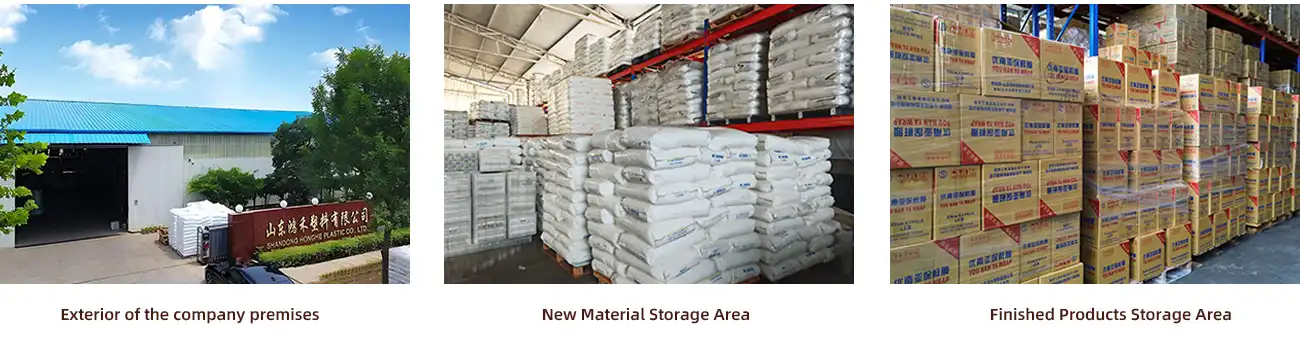
Finding a reliable PVC Food Wrapping Film maker changes how you package goods for sale. In 2017, Shandong Honghe Plastics Co., Ltd. was founded. Their main business is making high-quality PVC Food Wrapping Film that meets international food safety standards by having FDA, ISO, CE, BSCI, and WCA approvals. Our modern production tools and standardized workshops make sure that the quality is always the same, and our position near the Qingdao port makes it easy to ship goods around the world. We offer specs that can be changed to fit your needs, free sample services to make sure the quality, and competitive bulk prices to help you meet your cost goals.
Our large inventory and fast shipping services keep your supply going, and our 24-hour after-sales help takes care of any problems right away. Our experienced team is ready to help you with your buying needs, whether you need standard specs or unique ODM/OEM solutions. Get in touch with tony@sdhhsl.com right away to get samples, talk about your needs, and find out how our reliable supply relationship can help your exports and keep your goods safe as they travel through global distribution networks.
References
1. Smith, J. & Williams, R. (2022). "Food Packaging Materials: Compliance and Safety Standards in International Trade." Journal of Food Protection Technology, Vol. 45, pp. 234-251.
2. European Food Safety Authority (2021). "Plasticizers in Food Contact Materials: Risk Assessment and Regulatory Framework." EFSA Technical Report Series, No. 318.
3. Anderson, K. (2023). "Comparative Analysis of Flexible Packaging Films for Fresh Produce Export." International Journal of Packaging Science and Technology, Vol. 38, No. 4, pp. 412-429.
4. Zhang, L. & Thompson, m. (2022). "Oxygen Permeability Effects on Myoglobin Color Stability in Packaged Fresh Meats." Food Science and Preservation Quarterly, Vol. 29, pp. 156-173.
5. Global Packaging Industry Council (2023). "Sustainability Trends and Recycling Infrastructure for Flexible Food Films." Annual Industry Report, pp. 89-107.
6. Martinez, C. (2021). "Automated High-Speed Food Wrapping: Material Requirements and Performance Optimization." Packaging Machinery Technology Review, Vol. 52, No. 2, pp. 201-218.