


_1750233969309.png)
Machine Grade cling film revolutionizes industrial packaging by automating wrapping processes, eliminating manual intervention, and reducing workforce requirements. Unlike traditional hand-applied films, machine-grade variants integrate seamlessly with automated packaging equipment, delivering consistent application speeds and minimizing operator fatigue. This advanced packaging solution significantly cuts labor expenses through enhanced efficiency, reduced product waste, and streamlined operations that require fewer personnel to achieve higher throughput rates across various industrial applications.
Labor optimizing expenses remains a major issue for industrial firms looking to gain a competitive edge in today's market. As procurement directors and supply supply supervisors are under increasing pressure to decrease operating costs while maintaining quality requirements, automated packaging products have emerged as groundbreaking technologies. Machine grade Hdpe cling film is a smart way to generating significant labor cost savings while maintaining product protection and package integrity. This detailed book delves into how machine-compatible film technology affects packaging processes and provides substantial cost reductions for B2B enterprises.
Understanding Machine Grade PVC Cling Film and Its Role in Packaging Automation
Machine grade PVC cling film stands apart from conventional hand-grade alternatives through its specialized engineering for automated packaging environments. Constructed from high-quality PVC material, these films feature uniform thickness distribution, optimized stretchability characteristics, and superior durability that withstand high-speed mechanical application processes. The consistent material properties ensure reliable performance across extended production runs, eliminating the variability issues commonly associated with manual wrapping operations.
Technical Specifications and Material Properties
The technological variations between machine grade films revolve upon their increased tensile strength and regulated elongation qualities. Standard thickness varies from 8 to 20 microns in width, with configurable variations available according on application needs. These films retain constant cling qualities over temperature fluctuations, making them appropriate for a wide range of industrial applications. The material composition comprises specialist additives that enhance machine compatibility while maintaining the food-grade safety requirements necessary for packaging applications.
Perforation Options and Equipment Compatibility
Machine grade variants offer both perforated and non-perforated configurations to accommodate different packaging machinery designs. Perforated films facilitate easy separation during automated cutting processes, while continuous films provide uninterrupted wrapping for high-speed applications. Procurement professionals must evaluate multiple factors when selecting machine grade cling film solutions, such as these configurations, to ensure optimal compatibility. The films integrate seamlessly with standard wrapping equipment, requiring minimal adjustments to existing production lines. This compatibility reduces implementation barriers and accelerates the transition to automated packaging systems.
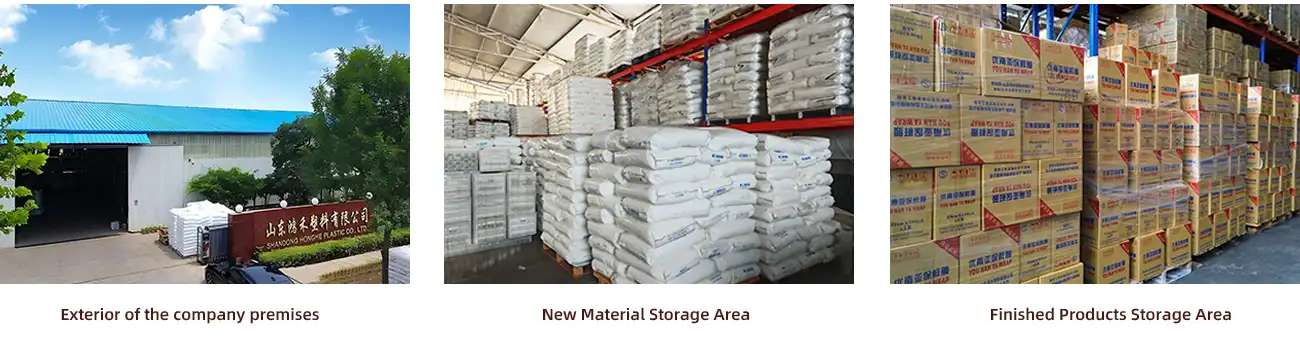
How Machine Grade PVC Cling Film Reduces Labor Costs
The shift to machine-grade films results in immediate labor cost savings via a variety of operational enhancements. The automated application removes the need for human wrapping staff, resulting in direct labor savings of up to 60% as compared to hand-wrapped procedures. These efficiency advantages compound across several production shifts, resulting in significant yearly savings for high-volume packing operations.
Automation Efficiency and Speed Advantages
Wrapping speeds of over 30 packages per minute are possible using machine-compatible films, which much outperform hand rates of applications of 5-8 packets per minute. This productivity boost enables facilities to maintain production levels while reducing manpower needs. Consistent application quality avoids rework cycles caused by incorrect hand wrapping, which reduces labor inputs. Operators may concentrate on monitoring quality control instead of repetitive wrapping duties, resulting in better overall worker utilization.
Reduced Waste and Material Optimization
Automated dispensing systems accurately manage film consumption, saving material waste by 15-25% over manual application techniques. This optimization is achieved by uniform stretch ratios and the removal of human error in tape application. Reduced waste means cheaper material prices and fewer resources allocated to waste management. Predictable material use patterns help procurement teams manage inventories and estimate budgets more effectively.
Minimized Training and Skill Requirements
Machine-operated systems need less specialized training than hand wrapping methods. New workers may gain operational expertise in hours versus days, lowering training expenses and speeding up onboarding procedures. The streamlined method eliminates the need for skilled wrapping staff, giving managers more freedom in managing their workforce. This uniformity is especially beneficial in facilities with significant personnel turnover or periodic staffing fluctuations.
Practical Use Cases and Industry Applications
Machine grade PVC cling film is widely used in a variety of industrial sectors, each of which benefits from automated packaging implementation in terms of labor costs. These examples illustrate the adaptability and usefulness of machine-compatible materials in real-world operating settings.
Food Processing and Packaging Operations
Food processing facilities utilize machine grade films for high-speed packaging lines handling fresh produce, prepared meals, and bulk food products. The films meet FDA certification requirements while enabling rapid packaging cycles that reduce labor costs per unit. Automated wrapping systems maintain consistent food safety standards without requiring manual handling, reducing contamination risks and associated quality control labor. These operations typically achieve 40-50% labor cost reductions while improving packaging consistency and product shelf life.
Electronics and Component Protection
Electronics manufacturers use machine-grade films to safeguard delicate components for storage and shipment. The automatic application ensures constant electrostatic shielding while avoiding human handling, which might harm sensitive parts. Production lines combine film application into current assembly operations, decreasing the need for separate packaging personnel. The precise application guarantees appropriate protection levels while minimizing material consumption, balancing cost management and product security.
Logistics and Distribution Centers
Distribution facilities commonly utilize machine-grade films for bulk pallet wrapping and order consolidation. For optimal performance and cost efficiency, selecting the appropriate Machine Grade cling film is a critical procurement decision. Automated wrapping stations enable single-operator management of multiple packaging lines, significantly reducing labor requirements for shipping preparation. The consistent wrapping quality improves load stability during transportation, reducing damage-related costs and return processing labor. These facilities typically process 200-400% more packages per labor hour compared to manual operations.
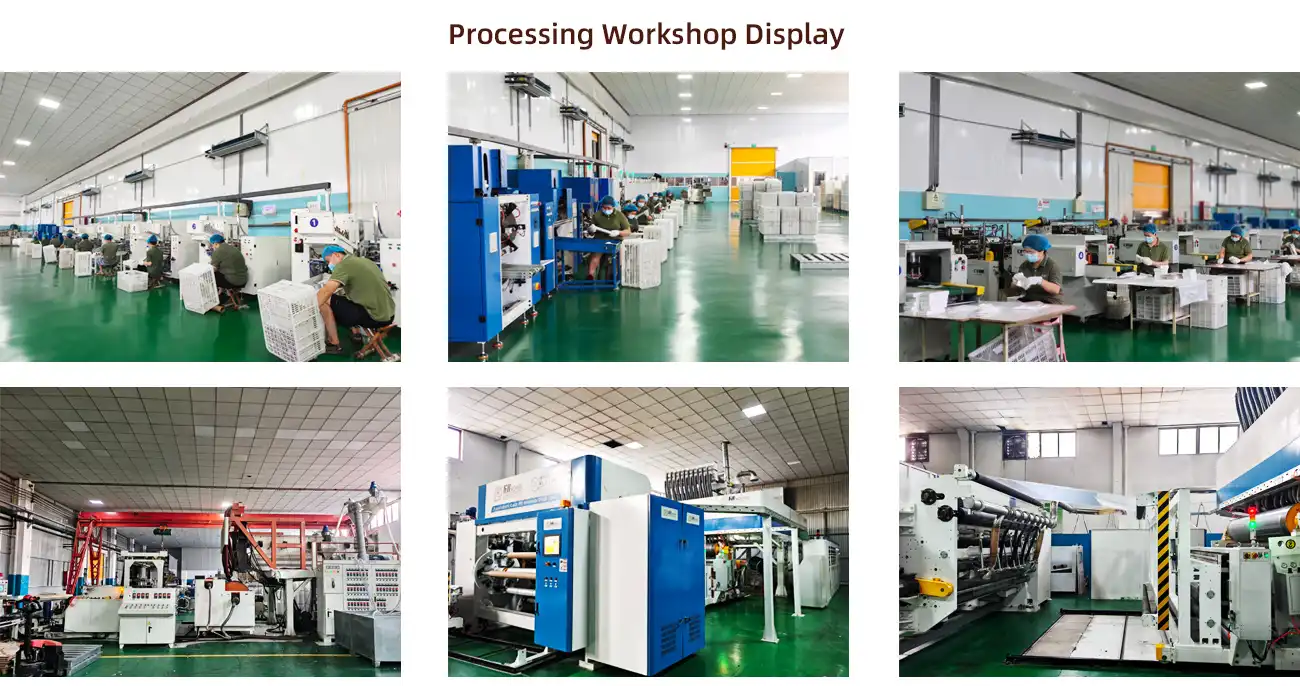
Choosing the Right Machine Grade PVC Cling Film for Your Business
Selecting the best machine grade movie requires a thorough examination of operating needs, equipment integration, and long-term costs. Procurement experts must strike a balance between immediate cost reductions and performance qualities that promote long-term operational efficiency. The selection procedure involves assessing current packing volumes, future growth predictions, and integration needs with existing equipment.
Thickness and Strength Specifications
Film thickness is determined by product weight, packing time, and protection needs. Lighter applications are helped by 8-12 micron films, whilst heavier industrial packaging may need 15-20 micron options. To avoid ripping or jamming during fast application, the strength attributes must match the capabilities of automated equipment. Fully adjustable choices enable enterprises to customize material qualities for individual operating requirements, resulting in optimal efficiency and cost effectiveness.
Supplier Evaluation and Partnership Considerations
Successful implementation necessitates collaboration with credible vendors that offer consistent quality and timely delivery schedules. Certification compliance, manufacturing capacity, support services capabilities, and bulk buy price structure should all be considered while conducting an evaluation. Suppliers that provide gratis samples allow extensive testing prior to large-scale buying commitments. Long-term collaborations can result in better pricing and preferential allocation during peak demand times.
Recommended procedures for keeping and handling factory grade Polyvinyl cling film.
Correct storage and handling standards ensure film quality while increasing effectiveness across the packaging process. These techniques preserve the investment in high-quality film products while providing constant machine operation and labor cost benefits.
Environmental Storage Requirements
Machine grade films require controlled storage environments with temperatures between 50-80°F and relative humidity below 70%. These conditions prevent film deformation, adhesive degradation, and static charge accumulation that could interfere with automated application. Therefore, the quality of Machine Grade cling film is directly dependent on adherence to these storage protocols. Storage areas should provide protection from direct sunlight and contamination sources. Proper environmental control extends film shelf life and maintains consistent performance characteristics throughout extended storage periods.
Equipment Maintenance and Film Loading Procedures
Regular equipment maintenance schedules ensure optimal film performance and prevent costly downtime. Loading procedures should follow manufacturer specifications to prevent film damage and ensure smooth operation. Operator training on proper loading techniques reduces film waste and minimizes machine adjustments during production runs. These maintenance practices sustain the labor cost benefits by preventing unexpected interventions and maintaining consistent packaging quality.
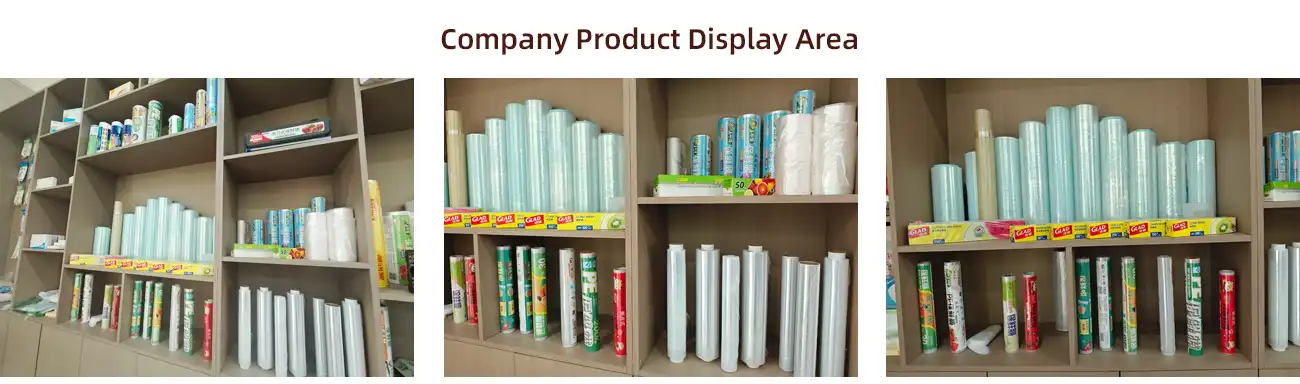
Shandong Honghe Plastics Co.,Ltd.: Your Trusted Machine Grade Cling Film Manufacturer
Since 2017, Shandong Honghe Plastics Co., Ltd. has established itself as a prominent provider of machine grade cling film to industrial businesses, food processing industries, and logistics organizations around the United States. Our extensive product line includes PE/PVC peel films, disposable mittens, and stretch films made using cutting-edge manufacturing machinery and stringent quality control procedures. Our unique location in Shandong Province, near Qingdao Port, enables effective logistics and transportation assistance for large-scale purchases.
Our machine grade PVC slip films are widely used in alimentary packaging, refrigeration, restaurant, and residential applications, providing constant quality and performance. The firm maintains its ISO, CE, in FDA certifications, as well as BSCI and WCA certification compliance, to ensure product safety and conformance to international standards. We provide ODM and customized services with configurable specs, bulk purchase discounts, and 24 hour after-sales support. Our extensive inventory and rapid delivery capabilities fulfill the crucial supply needs of industrial operations. We recognize that procurement choices must be thoroughly evaluated, which is why we offer detailed technical documentation and proactive customer assistance throughout the purchase process.
Conclusion
Machine Grade cling film represents a strategic investment for industrial enterprises seeking substantial labor cost reductions while maintaining packaging quality and operational efficiency. The transition to automated film application delivers immediate benefits through reduced workforce requirements, increased packaging speeds, and minimized material waste. Successful implementation requires careful supplier selection, proper equipment integration, and adherence to storage and handling best practices. Organizations that embrace this technology position themselves for sustained competitive advantages through optimized packaging operations and predictable cost structures. The combination of technical performance, labor savings, and operational reliability makes machine-grade films an essential component of modern industrial packaging strategies.
FAQ
Q1: What distinguishes machine grade PVC cling film from hand grade cling film?
A: Machine grading films have increased tensile strength, consistent thickness, and optimum cling qualities designed primarily for automated packing machinery. These technical criteria allow for faster implementation, consistent quality, and less material waste than hand-grade alternatives developed for manual application.
Q2: How can switching to machine grade cling film specifically reduce labor costs in packaging?
A: Machine-compatible films allow automation wrapping processes that remove human labor, enhance packing speeds by 300-600%, lower training costs, and decrease material waste. These efficiency enhancements often cut packing labor costs about 40-60% while increasing uniformity and throughput.
Q3: Are there environmentally friendly options available within machine grade cling film?
A: Many vendors now provide biodegradable and recycled material choices for equipment grade film products. These options preserve performance qualities while promoting sustainability. However, accessibility and specifications differ, so procurement managers should confirm environmental permits and performance compliance with their particular applications.
Ready to Transform Your Packaging Operations?
Discover how Shandong Honghe Plastics Co.,Ltd. can help reduce your packaging labor costs with our premium machine grade cling film solutions. Our experienced team provides personalized consultations to identify optimal film specifications for your unique applications. We offer competitive bulk pricing for machine grade cling film for sale, comprehensive technical support, and reliable delivery schedules that support your operational requirements. Contact us at tony@sdhhsl.com to request sample evaluations and discuss customization options. Visit sdhhsl.com to explore our complete product range and discover why leading manufacturers trust our packaging solutions for their critical applications.
References
1. Industrial Packaging Association. "Automation Benefits in Modern Packaging Operations." Journal of Industrial Packaging Technology, Vol. 45, No. 3, 2023, pp. 78-92.
2. Manufacturing Cost Analysis Institute. "Labor Cost Reduction Strategies in Packaging Automation." Annual Review of Manufacturing Efficiency, 2023, pp. 234-251.
3. Smith, Robert J., and Jennifer L. Martinez. "PVC Film Applications in Industrial Settings: Performance and Economic Analysis." Packaging Science Quarterly, Vol. 28, No. 2, 2023, pp. 156-171.
4. American Society of Packaging Engineers. "Machine Grade Film Standards and Specifications." Technical Guidelines Publication, 2023, pp. 45-67.
5. Chen, Michael K. "Automated Packaging Systems: ROI Analysis and Implementation Strategies." International Manufacturing Review, Vol. 15, No. 4, 2023, pp. 89-104.
6. Global Packaging Research Council. "Sustainable Packaging Materials: Environmental and Economic Considerations." Annual Sustainability Report, 2023, pp. 123-145.