


_1750233969309.png)
PVC Cling Film in Cold Storage Applications
PVC Cling Film Roll is now an essential tool for food processors, supermarket companies, and cold storage providers all over the United States. It keeps perishable goods fresh in cold and frozen places. This high-quality PVC wrapping material is the best for keeping fresh meat, poultry, and other temperature-sensitive items safe throughout the cold chain because it lets air pass through easily and sticks well. If you know how to choose, use, and get the right film, you can greatly improve how your products look, cut down on waste, and make your building run more efficiently.
Understanding PVC Cling Film and Its Role in Cold Storage
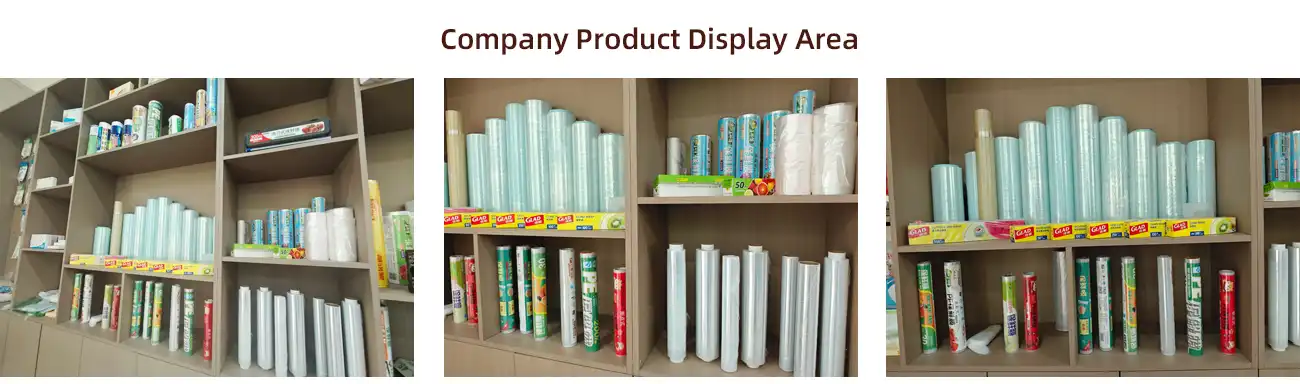
There is a special kind of plastic wrap called PVC Cling Film Roll that was made to work well in cold places. Industrial-grade PVC Cling Film Roll for cold storage is different from regular home wraps because it has carefully measured physical and chemical qualities that meet the specific needs of refrigerated transport and warehousing.
Material Composition and Manufacturing
The way that PVC Cling Film Roll is made is what makes it good. Plasticizers that are responsive are mixed with high-quality PVC resin. Usually, adipates like DEHA (Di-2-ethylhexyl adipate) or DOA (Dioctyl adipate) are used. These chemicals change the naturally hard polymer into a flexible, self-sticking material. This plasticizer system, which makes up about 20–35% of the whole, gives the material the stretch and stickiness needed for safe wrapping without the need for extra sticky coatings. Precise extrusion methods are used in the production process to make a regular thickness between 8 and 15 microns. This makes sure that every roll works the same way.
Technical Performance in Cold Environments
When used in cold storage, PVC Cling Film Roll stands out because it can handle very high and very low temperatures. The material stays strong over a wide temperature range, from -30°C in deep freeze to 60°C in normal show settings. This steadiness keeps the film from breaking or coming off when it's used to wrap cold items. The film can stretch over odd-shaped food, like bone-in cuts or trays of different sizes, without tearing or breaking the seal because it has a high tensile strength and an elongation at break of more than 200%.
Food Safety and Regulatory Compliance
For cold storage processes, it is necessary to meet strict guidelines for food contact. In the US, good PVC Cling Film Roll products follow FDA CFR 21 175.300 rules. In Europe, they follow EU Regulation No 10/2011 rules. These certificates show that the amounts of plasticizer migration are still safe. The Overall Migration Limit (OML) and Specific Migration Limit (SML) were tested fully using food models. Manufacturers with ISO, FDA, and BSCI certifications show that they care about quality control and worker safety, which is something that buying managers should look for in possible suppliers.
Comparing PVC Cling Film with Alternatives in Cold Storage
To get the best value for money and efficiency, procurement pros often compare PVC Cling Film Roll to other wrapping materials. Knowing the differences can help you make a choice that fits your unique business needs.
PVC versus PE Cling Film
A cheaper option is polyethylene (PE) cling film, but the differences in performance become clear in cold storage situations. It is common for PE film to let less oxygen through, which can make fresh red meat turn an unattractive brown color because metmyoglobin forms. The managed oxygen permeability of PVC Cling Film Roll, which is between 15,000 and 20,000 cc/m²/24h, lets meat "breathe" and keep its bright red color in cold show cases. PE film sticks to things less strongly, especially on stainless steel Gastronorm pans and ceramic dishes that are often used in industrial kitchens. Because PVC Cling Film Roll has better elastic rebound, it keeps covers tighter even when goods move around while being shipped.
PVC versus Stretch Film
Machine stretch film can be used to wrap a lot of pallets at once, but it's not precise enough to protect each individual item. Stretch film can't give the same hermetic seal or visual clarity that is needed for packing that is ready to be sold. The anti-fogging features of PVC Cling Film Roll keep condensation drops from forming when goods move from packing areas to cold storage, so wrapped items can still be seen clearly. This feature is especially useful for automatic high-speed packing jobs where the way a product looks has a direct effect on how appealing it is to customers.
Cost-Benefit Analysis for Bulk Purchasing
Even though PVC Cling Film Roll might cost a little more per unit than PE options, in cold storage situations, the overall cost of ownership usually works out better for PVC. The material doesn't tear easily, so you don't lose product when the wraps are torn, and it sticks well, so you don't have to rewrap as often. Per-roll costs can go down by a lot when you buy in bulk, especially if you build long-term relationships with sellers who offer discounts for buying in bulk and flexible shipping times. A more true comparison is made by figuring out the cost per square meter while taking into account the amount of waste that is cut down.
Best Practices for Using and Storing PVC Cling Film in Cold Storage Facilities
For PVC Cling Film Roll to work best and last as long as possible, you need to pay attention to both how you use it and how you store it.
Application Techniques for Optimal Performance
The right way to wrap food has a direct effect on how well it stays fresh. When wrapping, staff should pull the film tight to make it stick, making sure that the whole surface of the film touches the containers or food directly. When the edges overlap by at least an inch, they form a tight seal that keeps moisture in and stops cross-contamination. When wrapping objects with sharp edges or bone-in preparations, adding an extra layer of wrap keeps the protective barrier from getting punctured. Automated wrapping machines need exact settings for the static control and winding tension. These settings should be adjusted according to the manufacturer's instructions to keep the film from breaking during high-speed operations.
Storage Conditions for Film Rolls
PVC Cling Film Roll needs to be stored properly even before it is used to keep its performance qualities. Film rolls should be kept in climate-controlled spaces out of direct sunlight, where the temperature is between 15°C and 25°C and the relative humidity is less than 70%. Extreme heat can move the plasticizers around unevenly, which can affect how well the film sticks, and too much cold can temporarily break down the film. Keeping rolls in their original packaging keeps dust and other things from getting on them. Rotation methods based on the first-in, first-out rule help make sure that pictures are used within their best shelf life, which is usually 12 to 18 months from the date they were made.
Safety and Compliance Protocols
Cold storage sites need to set up safety rules that keep workers safe and make sure they follow the rules set by the government. People who work with PVC Cling Film Roll should be taught how to use it correctly so that they don't get repeated strain injuries from wrapping it in the wrong way. Food safety checks can be helped by keeping records of source licenses, plasticizer migration test results, and batch tracking. This shows that you have done your job. Regular upkeep on automatic wrapping machines keeps the film from getting stuck and lowers the safety risks that come with fixing machines.
Procurement Guide: Buying PVC Cling Film Roll in Bulk for Cold Storage Applications
To find solid supply partners for strategic purchase of PVC Cling Film Roll, you need to look at more than just initial price quotes.
Supplier Evaluation Criteria
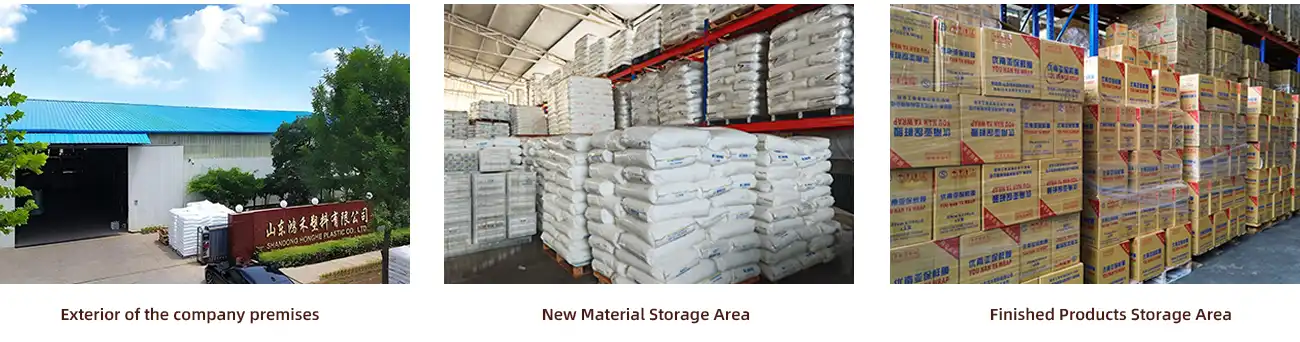
Procurement managers should look into a possible supplier's ability to make things and their quality control methods. Suppliers with regular production sites and high-tech extrusion equipment can meet the needs of big orders with consistency. A supplier's dedication to foreign best practices can be seen in their ISO quality management, FDA food contact compliance, and BSCI workplace standards certifications. U.S. buyers can save money on shipping costs and time by finding sources close to major ports, like those in China near Qingdao port. When trying to fix problems with an application, having responsive customer service that includes expert advisors who know about cold storage applications is very helpful.
Customization and Sampling
When buyers buy from leading providers, they can choose the film thickness, roll width, and core sizes that work best with their tools and applications. Because you can get free samples, you can check the quality before placing large orders, which greatly lowers the risk of buying. You can find out how well the film works with your goods, temperatures, and packing tools by testing sample rolls in your real cold storage. During this step, you should check the film's pulling force, its ability to stick to the materials of your containers, its visual clarity, and whether it gives off any bad smells that could get onto food.
Minimum Order Quantities and Delivery Logistics
Knowing the minimum order quantity (MOQ) and wait times can help keep your stock from going down. Industrial sellers usually have minimum order sizes that are measured in container loads. These sizes can be anywhere from 5,000 to 20,000 kilograms, based on how complicated the customization is. By negotiating shipping times that work with your inventory turnover, you can keep your warehouse from getting too crowded while still keeping enough backup stock on hand. Suppliers with a lot of merchandise and established transportation partnerships can offer faster delivery and more creative ways to split orders. When you figure out the total landing cost, you need to take into account the freight terms (FOB vs. CIF), the time it takes to clear customs, and any port demurrage risks.
Technical Specifications and Quality Control for PVC Cling Film in Cold Storage
Procurement pros can clearly state what they need and check the quality of the PVC Cling Film Roll when it arrives if they have a deep knowledge of the technical parameters.
Critical Performance Specifications
The thickness of PVC Cling Film Roll affects both performance and cost. For cold storage, 10 to 12 micron PVC Cling Film Roll offers the best compromise between strength and economy. Tensile strength tests confirm PVC Cling Film Roll withstands handling stresses without tearing, while elongation percentages above 200% demonstrate sufficient stretchability. Adhesion values for PVC Cling Film Roll should show strong cling to common food-contact surfaces including glass, stainless steel, and itself for multiple-wrap applications. Haze values below 2% for PVC Cling Film Roll ensure clear visibility of wrapped items, maintaining retail appeal for display-ready packaging.
Quality Assurance Testing
Strict quality control starts with checking the raw materials that come in and continues at every stage of production. There are four important inspection places that need extra care. Using food simulators to test plasticizer migration shows that chemicals are safe and within legal limits. Measuring the unwinding force makes sure that rolls move freely without getting stuck or expanding, which keeps the production line from having to stop. Visual defect checking finds any weak spots, like fisheyes (unmelted resin particles) or gel forms. Testing for thickness uniformity with tolerances of ±1 micron supports consistent performance, since differences lead to uneven stretching and possible breakage during automatic wrapping processes.
Shelf Life and Handling Protocols
If you store PVC Cling Film Roll the right way, it will keep working well for 12 to 18 months after it was made. By using batch tracking systems, facilities can keep an eye on how old their stock is and decide how to use it most efficiently. When warehouses get rolls, they should check to make sure they are not damaged by water or being crushed and that the packaging is still whole. Staging areas with controlled temperatures keep films from getting too hot before they go into production areas. Traceability standards for food safety checks can be met by keeping records of how the food was stored and when it was used. This also helps find any performance problems that might be caused by age or handling.
Conclusion
When choosing the right PVC Cling Film Roll for cold storage, you need to think about how well it works technically, how well it meets regulations, and how you will pay for it. Because the material lets air pass through while also being resistant to temperature changes and having great cling qualities, it is perfect for keeping fresh meats, prepared foods, and temperature-sensitive items safe throughout the cold chain. When purchasing managers look at suppliers based on certifications, customization options, and quick customer service, instead of just price, they build relationships that ensure consistent quality and supply dependability. Cold storage operations can improve product protection, cut down on waste, and keep up with the changing needs of industrial food packing by using best practices for application and storage and strict quality control.
FAQ
Is PVC cling film safe for direct food contact in cold storage?
Food can come into close touch with high-quality PVC Cling Film Roll that meets the standards set by FDA CFR 21 175.300 and EU Regulation No 10/2011. These rules strictly control the amounts of plasticizer that can move from film to food. This keeps the chemicals that move from film to food within safe limits. Reliable suppliers give documents for transfer testing for every production batch, which procurement teams should check when they are qualifying a supplier.
How does PVC cling film compare to PE film in freezing conditions?
When it's below zero, PVC Cling Film Roll stays more flexible and sticks to surfaces better than PE options. The material's ability to stretch back to its original shape keeps it from breaking at -30°C, while PE film can lose its ability to stick to surfaces. Because PVC controls air flow, it also keeps meat from turning brown, which can happen with low-permeability PE films. This makes it the best choice for displaying frozen meat.
What are typical minimum order quantities and lead times?
Industrial sellers usually need at least 5,000 to 20,000 kilograms of an order, which is about the same as a container load. Lead times are usually between 20 and 35 days, but they can be longer or shorter based on what you need customized and when you need it made. Lead times for repeat orders can be cut down to 10 to 15 days by building relationships with providers who keep popular specifications in stock.
Partner with a Trusted PVC Cling Film Roll Supplier
The premium-grade PVC Cling Film Roll that Shandong Honghe Plastics Co., Ltd. makes is perfect for cold storage settings that are very strict. We started our business in 2017 close to the port of Qingdao. We use cutting-edge production tools and strict quality control to make sure that the goods we sell meet the standards for ISO, FDA, CE, BSCI, and WCA approval. Our customization services can meet your exact needs for thickness, width, and roll design, and our large store capacity guarantees on-time delivery even for urgent orders. Professionals in the buying and supply chains are welcome to ask for free samples to check the quality and use our 24-hour technical help. Visit sdhhsl.com or email tony@sdhhsl.com to talk to our experienced team about your bulk purchasing needs and find reasonable pricing options that are perfect for your cold storage operations.
References
1. Smith, J. & Anderson, K. (2022). Flexible Packaging Materials for Cold Chain Applications. International Journal of Food Packaging Technology, 15(3), 145-162.
2. Wilson, R. (2021). Plasticizer Migration in Food Contact Films: Testing Protocols and Regulatory Compliance. Food Safety Quarterly, 8(2), 78-94.
3. Chen, L., Martinez, P. & Thompson, D. (2023). Performance Comparison of PVC and PE Cling Films in Refrigerated Meat Packaging. Packaging Science Review, 19(1), 34-51.
4. United States Food and Drug Administration. (2021). CFR - Code of Federal Regulations Title 21: Food Contact Substances. U.S. Government Publishing Office.
5. Morrison, H. & Davies, E. (2022). Cold Storage Best Practices: Temperature Management and Packaging Solutions. Cold Chain Logistics Handbook, 4th Edition, Industrial Press.
6. European Commission. (2020). Regulation (EU) No 10/2011 on Plastic Materials and Articles Intended to Come into Contact with Food. Official Journal of the European Union, L 12/1-89.