


_1750233969309.png)
Custom Size PVC Cling Film for Industrial Clients
Industrial buying teams often have trouble getting high-quality packing materials that they can rely on. Custom-sized PVC Cling Film Roll solutions can help them solve this problem. Custom-sized films made from premium-grade PVC meet the specific needs of food preparation plants, catering businesses, grocery chains, and logistics firms, unlike off-the-shelf choices. Common problems are fixed by these custom solutions, which get rid of things like wasteful over-sized rolls, inefficient automatic wrapping systems, and gaps in food-grade standards compliance. Industrial buyers can save time and money by working with makers that allow exact customization, such as widths, thicknesses, and roll lengths that can be changed. They can also feel confident when working with suppliers that offer free samples and quality standards that can be checked.
Understanding PVC Cling Film Rolls and Their Industrial Applications
What Makes PVC Cling Film Roll Different from Other Wrapping Materials?
Polyvinyl Chloride resin is mixed with compliant plasticizers like adipates to make PVC Cling Film Roll. These give the film the flexibility and self-adhesive qualities needed for commercial use. PVC Cling Film Roll formulas offer better visual clarity and elastic recovery than polyethylene options. The material has a high Oxygen Transmission Rate, usually between 15,000 and 20,000 cc/m²/24h. This keeps the color of fresh red meat appealing by stopping metmyoglobin formation, which happens a lot when low-permeability films are used. Because it breathes well and sticks well to stainless steel, pottery, and glass, it is a must-have in industrial kitchens and cold storage facilities.
Core Industrial Applications Across Multiple Sectors
Customized-sized PVC Cling Film Roll can be used in a wide range of commercial settings. Supermarkets and central kitchens use the film's controlled oxygen penetration to keep the look of fresh meat and chicken products while they are being displayed in cold places. Its resistance to punctures makes it useful for commercial caterers who need to cover sharp-edged containers or bone-in preparations. Fruit and veggie automated packaging lines need exact winding tension and anti-fogging qualities to keep the product visible throughout the cold chain. Medical and lab facilities like the airtight seal quality because it keeps samples safe. Individual uses need unique size requirements that can't be met by standard rolls, which is why customization is needed.
Safety Standards and Certification Requirements
For corporate buyers, meeting food-grade and medical-grade standards is still a must. The FDA CFR 21 175.300 and EU Regulation No 10/2011 set limits on how much plasticizer can move in good PVC Cling Film Roll. Overall Migration Limit testing makes sure that chemical parts don't move to food when they come into touch with them. Manufacturing sites that are certified by ISO, CE, and FDA provide the paperwork that buying managers need to evaluate suppliers. BSCI and WCA certifications add to the evidence of moral manufacturing practices, which helps buying teams deal with growing worries about corporate responsibility.
How to Choose the Right Custom Size PVC Cling Film Roll for Your Industry Needs?
Defining Your Specific Usage Scenario and Technical Requirements
Making choices about procurement starts with having a good grasp of the operational situation. Food processing plants that deal with a lot of product need PVC Cling Film Roll options that can be used with automatic dispensing equipment. These films need to have certain core diameters and thickness limits of +/- 1 micron. Catering businesses that prefer to use paper by hand may stress that their paper has better sticking power and is easier to tear without tools. Anti-static products are needed in places that make electronics to keep parts from breaking. The choice of roll width has a direct effect on the amount of waste—custom widths that fit the size of your product or conveyor systems get rid of the need to trim extra pieces. Different thicknesses, from 8 microns to 15 microns, affect how well they fight punctures and how much they can stretch. Heavier-gauge films work best for irregular forms or things with ends that stick out.
Evaluating Performance Metrics That Impact Daily Operations
Performance traits, not just basic measurements, tell producers if a PVC Cling Film Roll meets their needs. Tensile strength and extension at break greater than 200% stop mid-wrap tears while stretching is being done. The unwinding force needs to be just right to get a smooth release and enough tack. Too much blocking stops the machine from working, and not enough cling damages the seal. Low blur values below 2% make sure that products can be seen in stores, so optical qualities are important. Temperature stability from -30°C to 60°C keeps the film's structure while it's being stored in the freezer or shown in a normal room. Specification mismatches can be avoided by testing these factors with a sample before buying in bulk.
Balancing Cost-Effectiveness with Long-Term Supplier Partnership
Price sensitivity is what causes the first source comparison, but the total cost of ownership is more than just the price per roll. Before you buy in bulk, you should compare savings to minimum order amounts that take up valuable capital or stock space. Stable supply lines that promise deliveries on time keep production from stopping for short periods of time that cost more than the small savings that come from cheaper alternatives. Responding to requests for customization, being clear about wait times, and having flexible return policies for batches that aren't working right all help to build relationship value. As your business needs change, building partnerships with makers that can offer technical help and recipe changes can give you a competitive edge.
Benefits of Custom Size PVC Cling Film Rolls for Industrial Packaging
Waste Reduction and Material Efficiency Gains
Standard roll sizes cause businesses to pick between films that are too small and need seam gaps or films that are too big and create a lot of trim waste. Custom sizing gets rid of both of these wasteful practices by perfectly matching the thickness of the PVC Cling Film Roll to the size of the product or the requirements of the packing equipment. When 400mm trays are wrapped in a 450mm custom film in a central kitchen, about 30% less trash is made than when a 600mm standard roll is used. When you add up these material savings over thousands of rolls per year, they directly lead to lower overall costs. Cutting out cutting processes saves hours of work and cuts down on the time it takes to package each unit.
Enhanced Workflow Integration with Production Systems
Customized PVC Cling Film Roll specs work perfectly with the equipment that is already in place. Custom core sizes work with specific dispenser types without having to buy adapters. When the space between the holes is set up to work with automatic cutting cycles, the film feed rates and conveyor speeds are synchronized, which stops sticking. Pre-slit rolls in several narrow widths let different-sized products be wrapped at the same time on parallel production lines. These changes to the process cut down on the time it takes to switch between packing runs and the amount of training that needs to be done on operators when equipment is upgraded.
Real-World Performance in Demanding Environments
A regional grocery store chain got a lot of reports about meat that was turning brown in the fridge. Changing from polyethylene to custom-width PVC Cling Film Roll with controlled oxygen transfer made fresh cuts look better for 48 hours longer, which cut markdown loses by 18%. A contract caterer that works with several hotels switched to custom thickness films that were matched to the type of food—lighter gauge films for cold salads and heavy gauge films for marinated meat. This cut film use by 22% while improving seal reliability. These measurable results show that customization can solve certain business problems that standard methods can't.
Procurement Insights: Where and How to Buy Custom Size PVC Cling Film Rolls?
Sourcing Strategies for Industrial Volume Requirements
For businesses with steady, predictable demand, direct ties with manufacturers offer the best terms for getting PVC Cling Film Rolls. When you buy more than a few thousand kilograms a year, it becomes economically possible to skip the markups that distributors add on and get prices directly from the plant. Online business-to-business (B2B) sites make it easier to find suppliers and compare prices, but licensing claims need to be carefully checked out. At trade shows, you can look at samples in person and talk to experts about technical issues that can help you understand what the products can do. Regional wholesale wholesalers help buyers who need smaller minimum orders or faster restocking cycles. However, they may only be able to offer customization choices based on pre-defined specs instead of true custom setups.
Evaluating Supplier Credentials and Manufacturing Capacity
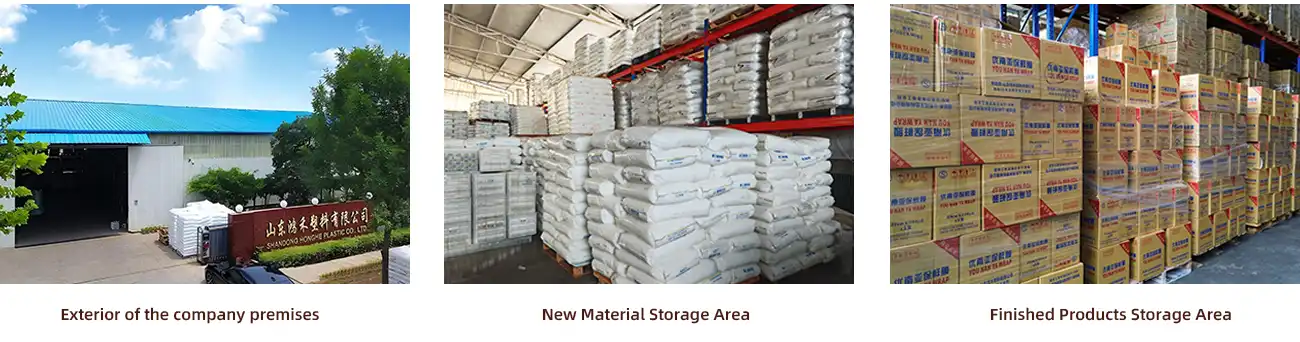
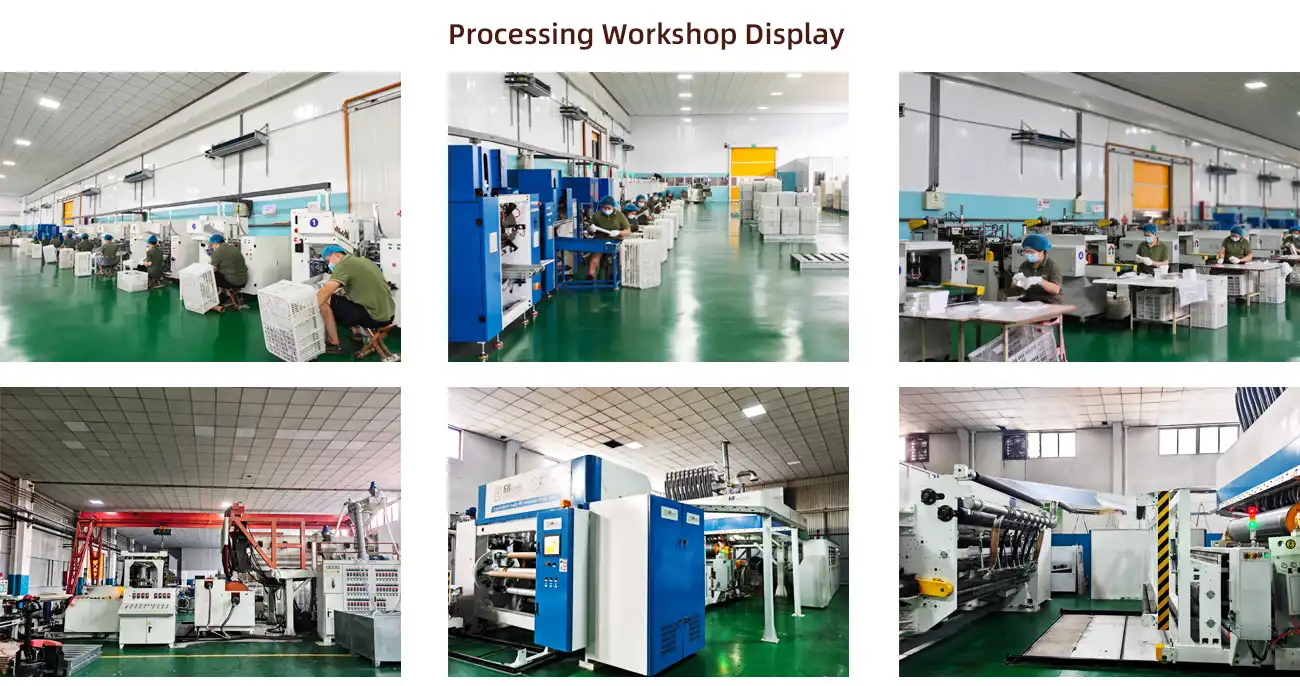
Verification of regulatory compliance paperwork is the first step in quality assurance for any PVC Cling Film Roll. Ask for copies of ISO certificates, proof of FDA registration, and third-party test results that include testing for plasticizer migration using food simulators. Manufacturing site trips or virtual plant walks show how much is being made, how new the equipment is, and how quality control is done. Inventory level and storage space show how well a company can keep supplies steady even when demand goes up or down during certain times of the year. Referrals from customers in related industries can help you figure out how quick you are when there are problems with an order or changes to the specifications. Flexibility in payment terms and a desire to provide samples show that you believe in the quality of the product and want to build a relationship with you.
Understanding Customization Workflows and Lead Time Expectations
Custom PVC Cling Film Roll production has different steps that affect when it can be delivered. To finish the specification, you need to include precise dimensional sketches, evidence of the performance requirements, and descriptions of the planned use cases. Trial production runs may be needed to build a formula for a specific thickness or chemical needs. Making custom slitting setups is part of getting tools ready for non-standard sizes. For repeat sales with set specs, the wait time is usually between 15 and 25 days. For new custom formulations, it could take 35 to 45 days. Stock-outs can be avoided by planning purchase rounds around these dates. Setting up framework deals with pre-approved specs speeds up the process of placing a reorder for regular replenishment.
Sustainability and Safety: Best Practices for Using and Recycling PVC Cling Film Rolls
Proper Storage and Handling Protocols in Industrial Settings
Controlled storage conditions are needed to keep PVC Cling Film Rolls working well. Temperatures in the warehouse between 15°C and 25°C and a relative humidity below 60% stop polymer breakdown from causing things to age and turn yellow too quickly. UV light speeds up the breakdown of plasticizers, so they need to be stored or packaged in dark materials or out of direct sunlight. Roll stacking height limits stop core distortion that makes it hard to unroll. FIFO-based rotation procedures make sure that product moves before its normal shelf life of 12 to 24 months is up. Teaching people who handle materials the right way to mount rolls cuts down on waste caused by damage during handling and makes sure that the serving works the same way every time.
Food Safety Compliance and Contamination Prevention
Businesses that deal with ready-to-eat foods need to set up rules to keep PVC Cling Film Roll from getting on the food. When film surfaces touch food, they should stay within certain temperature ranges so that plasticizers don't move. This means that direct contact should be avoided during high-temperature tasks like warming fatty foods in the microwave. Cleaning tools on a regular basis gets rid of the dust and particles that build up and hurt the quality of the seal. Change-over processes between film batches that are written down make it possible to find out what happened during quality problems. Supplier certificates of compliance should be kept for regulatory checks to show that the right materials were chosen with care.
Addressing Environmental Impact and Recycling Challenges
PVC Cling Film Roll options are hard to recycle because they contain plasticizers and food leftovers that make them dirty. At the moment, most post-consumer cling film ends up in landfills instead of being recycled by cities. Bio-based plasticizers are being used by forward-thinking suppliers to change formulas and make them less harmful to the environment. Industrial users can reduce their impact on the environment by reducing waste. For example, exact custom size stops the production of extra materials at the source. Specialized recyclers can handle large amounts of film trash more cheaply when it is collected by dedicated programs. Engaging providers in actively studying sustainable options shows that a company cares about the environment and is ready for changing legal requirements.
Conclusion
Custom-sized PVC Cling Film Roll options are very helpful for businesses that need precise packaging, to follow the rules, and to have a reliable supply chain. By going beyond general standard measurements, procurement teams make the best use of materials, make sure they work well with automated systems, and meet the performance needs of specific industries. As part of the decision process, technical specs, supplier credentials, and overall cost factors other than original pricing must be carefully looked at. Sustainability practices and safety rules make sure that materials are handled responsibly while keeping operations running smoothly. When industrial buyers work with manufacturers that can really customize their products and offer certifications, sample programs, and quick expert help, their businesses will be able to compete better in tough market conditions.
FAQ
What thickness range is available for custom PVC cling film orders?
Custom production can usually meet width requirements between 8 and 15 microns for a PVC Cling Film Roll, with each range being useful for different tasks. Lighter 8-10 micron films work well for automatic high-speed wrapping of uniform items like produce. 12-15 micron films, on the other hand, offer better puncture resistance for items with odd forms or sharp edges. For specific uses, manufacturers can make formulations outside of these areas, but the minimum order numbers may go up because of the need for dedicated production runs.
How do I verify that PVC cling film meets food-grade safety standards?
For U.S. markets, ask for Certificates of Compliance that say you follow FDA CFR 21 175.300, and for European markets, ask for EU Regulation No 10/2011. Look over migration test results from a third party that used the right food simulators to show that the Overall Migration Limit and Specific Migration Limit were met. Make sure that the plasticizers used are adipates and not limited phthalates. Reliable providers keep records that can be used to connect batch numbers to specific test results.
Can custom PVC films be used in freezer applications?
When cold-resistant plasticizers are added to quality formulations, they stay flexible down to about -30°C. This means they can be used in most business freezer uses. For storage below this level, "freezer-grade" standards must be followed to keep the food from becoming hard and breaking. Before buying in bulk, trying a sample at your specific temperature conditions makes sure that the performance is good.
Partner with a Trusted PVC Cling Film Roll Manufacturer for Your Custom Packaging Needs
Shandong Honghe Plastics Co., Ltd. has a lot of experience making PVC Cling Film Roll in any size that fits your unique business needs. Our plant has strict quality control thanks to its modern tools and ISO, CE, FDA, BSCI, and WCA certifications, which are all based on strict international standards. We keep a lot of stock on hand so that we can send quickly, and our ODM and OEM services can be tailored to your specific packaging needs. As a seller of PVC Cling Film Roll with a lot of experience, we offer free samples so that your quality control team can check how well they work before placing large orders. Our 24-hour after-sales support makes sure that we can help you quickly throughout our relationship. Contact tony@sdhhsl.com to discuss your customisation needs, get technical specs, or set up sample shipments that show how committed we are to precise manufacturing and reliable supply chain performance.
References
1. Thompson, R. (2021). Industrial Packaging Materials: Selection and Performance Criteria. Society of Plastics Engineers Technical Publication Series.
2. Martinez, L. & Chen, W. (2020). "Plasticizer Migration in Food Contact Films: Regulatory Compliance and Testing Methodologies." Journal of Food Packaging Science and Technology, 34(2), 145-162.
3. Industrial Packaging Association. (2022). Best Practices for Custom Film Procurement in Food Processing Operations. IPA Industry Guidelines Series.
4. Rodriguez, A. (2019). "Comparative Analysis of Wrapping Film Performance in Cold Chain Logistics." International Journal of Food Distribution Research, 50(3), 78-94.
5. European Committee for Standardization. (2020). Plastic Materials and Articles Intended for Food Contact: Testing Standards and Compliance Framework. CEN Technical Report 156.
6. Williams, P. & Kumar, S. (2021). Sustainable Packaging Solutions: Environmental Impact Assessment of Industrial Films. Environmental Packaging Research Institute.