


_1750233969309.png)
Break Point vs Traditional Cling Film: A Comparison
If you're looking for new ways to wrap food on a big scale, Break Point PVC Cling Wrap stands out as an interesting alternative to standard continuous-roll cling films. Break Point technology has precision-perforated tear lines at measured intervals, which makes it possible to use one hand and standard sheet sizes. Other choices need extra cutting tools. This new technology solves some long-standing problems in industrial food packing, like the risk of cross-contamination that comes with using shared cutting surfaces and the dangers of getting hurt on the job from sharpened blades. It also cuts costs by controlling portions and reducing material waste. We've been working with procurement managers in the logistics, food processing, and catering industries for years, and they keep telling us that these pre-measured forms are the best way to improve operating efficiency and safety.
Understanding the Basics of Break Point PVC Cling Wrap and Traditional Cling Film
Material Composition and Manufacturing
The base polymer in both Break Point PVC Cling Wrap and traditional choices is often polyvinyl chloride (PVC), which is valued for its excellent cling qualities and clarity. Polyethylene or compostable materials may also be used in traditional cling films, but they usually make the films less sticky. Break Point PVC Cling Wraps stand out because they use special perforation technology that keeps the film's structure while releasing and makes sure that it separates cleanly with very little force—less than 5 Newtons, according to industry testing standards. To find the best balance between sturdiness and ease of use, the production process checks the tear resistance within small tolerance windows.
Food-grade plasticizers like DOA or ATBC are used in the PVC preparation of high-quality Break Point PVC Cling Wraps, which strictly follows FDA CFR 21 and EU 10/2011 rules. This mix of chemicals gives better initial stickiness and keeps the clearness with haze levels below 2%, which is important for showing off fresh food in stores. Different safety needs can be met by thicknesses ranging from 9 to 14 microns. Thicker choices are better for heavy-duty uses in cold storage areas.
Food Safety Certifications and Compliance Standards
If B2B buyers care about product safety, they can be sure that reputable Break Point PVC Cling Wrap makers have a lot of different certifications, such as ISO quality control systems, CE marks for European markets, and FDA approval for direct food contact. These qualifications show that total migration limits stay below 10 mg/dm² when tested with food simulators, which means that plasticizers can't move around when the product is being used normally. Traditional cling films have similar certifications, but the quality of them changes a lot from one seller to the next. People who work in procurement should make sure that their sellers test their products regularly to make sure they are safe and don't leave behind any harmful substances. This is especially important when wrapping high-fat foods, since migration risks rise at high temperatures.
Environmental Considerations and Disposal
Sustainability-focused groups are still thinking about how PVC-based films affect the world. Break Point PVC Cling Wrap formats might be better for the environment because they allow exact portioning, which gets rid of the trash that comes from using too much material that is common with continuous rolls. Studies show that metered forms can save up to 20% of the material used compared to non-metered formats, which directly leads to less waste being thrown away. Both Break Point PVC Cling Wraps and regular PVC films can be recycled with current PVC streams as long as the right separation steps are taken. However, food leftovers often make recycling rates impractical. The film's shelf life is usually two years if it is stored in a controlled environment between 15°C and 25°C and is stored properly so that the plasticizer doesn't move around and affect the film's performance.
Performance and Functional Advantages: Break Point PVC Cling Wrap vs Traditional Cling Film
Enhanced Operational Efficiency
The pre-measured break points completely change how work gets done in high-volume settings. There are no longer jams at wrapping stations in commercial kitchens that serve hundreds of plates per service. This is because staff can follow standard "one sheet per plate" procedures without having to fiddle with containers or cutting tools. This consistency is especially helpful in airport dining and banquet operations, where the way food is presented has a direct effect on how people think of the business. Quality Break Point PVC Cling Wrap dispensers have a secret moving knife design that adds another layer of safety by keeping workers safe from sharp edges while still letting them get to the film quickly.
When businesses switch from traditional forms to new ones, they say they save a lot of time during peak work hours. Getting rid of tangled film, which is a common problem with continuous rolls, keeps packing lines running easily. When PVC is properly made, it has a high cling strength that makes airtight seals against containers right away. This means that you don't need to use extra holding devices like rubber bands or clips.
Durability Under Diverse Conditions
Break Point PVC Cling Wraps that are made with an extension at break of more than 200% show amazing strength when spread over odd-shaped food. This flexibility lets the film bend around curved surfaces without breaking away from the perforation lines. This keeps the film's protective cover during shipping and storage in cold places. Controlling the rates of oxygen permeability and water vapor transfer stops problems like anaerobic bacteria growth in red foods and moisture buildup on produce that causes it to go bad too soon.
Another important success factor is temperature steadiness. When it comes to food service, quality Break Point PVC Cling Wraps keep their cling properties and structural stability across a wide range of temperatures, from blast freezers that work below -18°C to warming display units. This flexibility means that different storage areas don't need to have different types of film, which makes inventory management easier for supply chain managers.
Safety and Handling Advantages
Modern Break Point PVC Cling Wrap dispensers have a secret sliding knife system that helps with safety issues in the workplace. Serrated metal edges on traditional cutter boxes collect food scraps that help germs grow and face a risk of cutting yourself, especially in busy kitchens. Break Point PVC Cling Wrap systems ease cleaning procedures and cut down on injuries by getting rid of blades that are visible. The dust-proof storage boxes that come with these units can be adjusted to fit different roll sizes. They also keep wasted film from getting dirty, which is important for keeping food processing facilities clean.
Cost, Procurement, and Supply Chain Considerations
Comparative Price Analysis
Procurement managers who are careful with their budgets will like that even though Break Point PVC Cling Wrap formats may seem more expensive per unit than normal continuous rolls at first, the total cost of ownership studies show that they are actually much cheaper in the long run. Controlled portioning built into pre-measured sheets gets rid of the 15–20% material waste that often happens when cutting by hand. This decrease in waste is even bigger in high-volume settings. For example, major grocery stores say they save more than $5,000 a year since moving to metered forms.
Sourcing Options and Sample Availability
These economics get stronger when you buy in bulk. Break Point PVC Cling Wrap technology suppliers usually set up bulk discounts that reward long-term partnerships. Tiered pricing is used to represent the stable demand patterns that institutional buyers have. Different manufacturers have different minimum order amounts, but reputable sellers usually let you buy by the pallet, which works with the usual three- or six-monthly buying cycles in food service operations.
Direct contact with makers, networks of approved distributors, and well-known business-to-business (B2B) platforms where sellers keep their credentials up to date are all examples of reliable ways to buy things. We suggest that you ask for samples before placing a big order. This way, you can try the quality in real-world settings. Reliable sellers offer free sample rolls and make it easy to make small purchases as a test. They know that buying managers need to see the goods for themselves before they can select them for whole facility networks.
Supplier Reliability and Quality Assurance
When running activities with just-in-time stocking systems, shipping methods and timelines become very important logistical issues. Being close to important ports, like the ones near Qingdao that serve markets in the Pacific Rim, speeds up shipping times and makes it easier to move freight. When suppliers keep a lot of ready-to-ship inventory, they can meet pressing calls for more within days instead of weeks. This lowers the risk of running out of stock, which can delay production plans.
When you choose providers with strong quality control methods, you can avoid performance problems that make it hard to plan operations. Well-known makers use standard checking methods that check for flaws like unmelted resin gels, checks for thickness uniformity using capacitance sensors, and perforation tensile strength tests. These organized checks make sure that every production batch meets the required standards before it is sent out. This lowers the chance of failures in the middle of use, which would require expensive downtime.
Certifications that go beyond making sure a product works well are very important. BSCI and WCA certifications show a dedication to moral production methods and working standards. This is becoming more important as corporate responsibility programs look more closely at supply lines. Premium suppliers are different from commodity suppliers because their warranty terms are clear and their after-sales support is quick to respond. This gives buying teams faith that problems will be solved quickly through established channels instead of having to go through wholesalers.
Application-Specific Use Cases and Industry Adaptability
Food Service and Retail Packaging
Break Point PVC Cling Wrap works great in the fresh food sections of supermarkets because the open PVC materials let ethylene gas escape from the food, which extends its shelf life. The high-gloss finish also makes the food look better under store lighting. Fruit trays and veggie packages wrapped in pre-measured sheets always look the same, which is good for the brand's image and saves money on labor costs related to trimming by hand. Standardized wrapping helps central kitchens that serve many sites keep track of their inventory more easily and make sure that all of the portions are the same.
Ghost kitchens and meal prep services that deal with containers that are full of liquid find the high tack features very useful for making seals that won't leak. Because the film can stick to container lips right away, it stops leaks during delivery, which cuts down on customer complaints and protects income from having to pay for replacements.
Industrial and OEM Applications
In addition to direct touch with food, these films are used for industrial packing in places like pharmaceutical and electronics manufacturing where dust and static control are important. The traits of being clear and not tearing help with quality control while still providing protection. Custom perforation pitches (30 cm, 45 cm, or specification-matched intervals) make the best use of material for different box sizes or product shapes. Standard rolls can't do this without creating too much waste.
Regulatory Compliance Across Markets
People who work in procurement for U.S. companies should make sure that their sources keep their FDA registrations up to date and do migration tests that meet American food safety standards. Because regulations about materials that come into touch with food are always changing, suppliers must be open about the testing methods they use. Products that meet both FDA and EU standards allow international companies to source from one place while still following the rules in different areas. This makes managing vendors easier and cuts down on administrative costs.
How to Choose Between Break Point PVC Cling Wrap and Traditional Cling Film?
Critical Selection Criteria
Decisions about specifications should be based on performance needs. Break Point PVC Cling Wrap forms are better for operations that need to be quick and consistent, while regular rolls might work fine for basic wrapping tasks that don't need to worry too much about safety. Testing the cling strength of films at real temperatures shows if they stay stuck together throughout your cold chain, avoiding fails in the middle of transport. Instead of just believing what the company says on the label, safety compliance checks should also look at the supplier's licenses and ask for proof of food contact testing results.
Aligning Product Specifications with Industry Needs
Cost-effectiveness estimates need to look at more than just the purchase price. They also need to take into account things like reducing waste, saving time on work, and medical bills linked to injuries. When a business doesn't have enough buffer inventory, supply consistency is very important. This means that the production capacity and closeness of the seller are important factors to consider.
Medium-thickness Break Point PVC Cling Wraps with 30cm perforation intervals that match standard plate sizes are usually best for serving businesses that handle a lot of food. Supermarket chains that wrap a variety of fruit and vegetables may ask for machines that can hold rolls of different lengths and allow for custom hole spacing. Individually wrapped rolls in approved sterile packaging are best for medical and lab settings that need to keep everything clean. However, these specialty forms come at a higher cost.
Long-Term Value and Scalability
A study of the return on investment for switching to Break Point PVC Cling Wrap solutions should estimate savings over several years, taking into account less waste, higher efficiency, and fewer workers' compensation claims due to fewer blade injuries. Companies that have been around for a while can customize their products, which helps businesses grow by giving them the freedom to change specs without having to switch sources. By keeping an eye on new legal trends, you can be sure that the solutions you choose will still work with new standards. This keeps you from having to make expensive changes because of solutions that are no longer compatible.
Conclusion
In the end, choosing between Break Point PVC Cling Wrap and other formats comes down to balancing performance needs with price and practical goals. The precision-perforated technology improves safety, efficiency, and the use of materials in ways that can be measured. It works especially well in high-volume B2B settings where compliance and regularity are important. Traditional continuous rolls are still useful in situations where ease is enough and minimizing upfront costs is more important than total control. If procurement professionals know exactly what they need—like volume needs, safety standards, waste reduction goals, and supply chain capabilities—they can make choices that will help with long-term business excellence and cost management.
FAQ
Does Break Point PVC Cling Wrap meet food safety standards?
The FDA CFR 21 and EU 10/2011 rules for direct food contact are followed by quality Break Point PVC Cling Wrap films made by authorized providers. Overall, tests on migration show that plasticizer transfer stays below the legal limits when it is used correctly. If you don't want to risk migration during microwave cooking, don't come into close touch with pure fats or oils at temperatures above 100°C.
Can these films be recycled?
Break Point PVC Cling Wraps made of PVC can be recycled with other PVC products as long as they are kept away from food. Rates of recycling that are useful rely on the infrastructure and division rules in place in the area. Talk to your waste management company about what they accept as trash, because damaged films usually need to be thrown away in a dump.
What minimum order quantities should I expect?
Minimum orders depend on the supplier and the goods, but most well-known companies let you buy in bulk at pallet levels, with quantities running from 500 to 2,000 rolls. Samples make it possible to check the quality before placing a large order, and reputable providers offer free trial units to make the evaluation process easier.
How do I prevent perforation tears in the wrong direction?
Good production practices make sure that the film is oriented correctly and that the piercing tools are sharp enough to guide tears in a straight line across the transverse direction. Defects that show wrong breaking are usually caused by mistakes in the manufacturing process. Check the quality control procedures of the seller and ask for replacements of any batches that aren't working as promised under the guarantee.
Partner With a Trusted Break Point PVC Cling Wrap Manufacturer
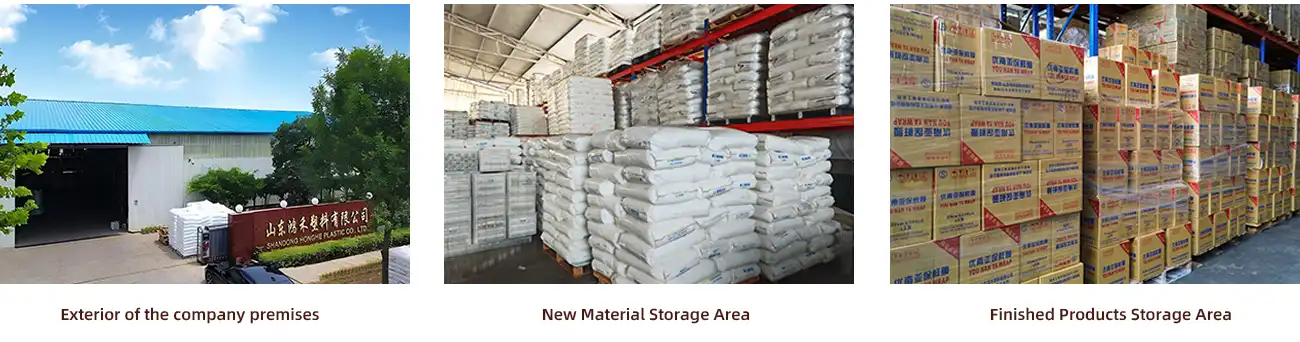
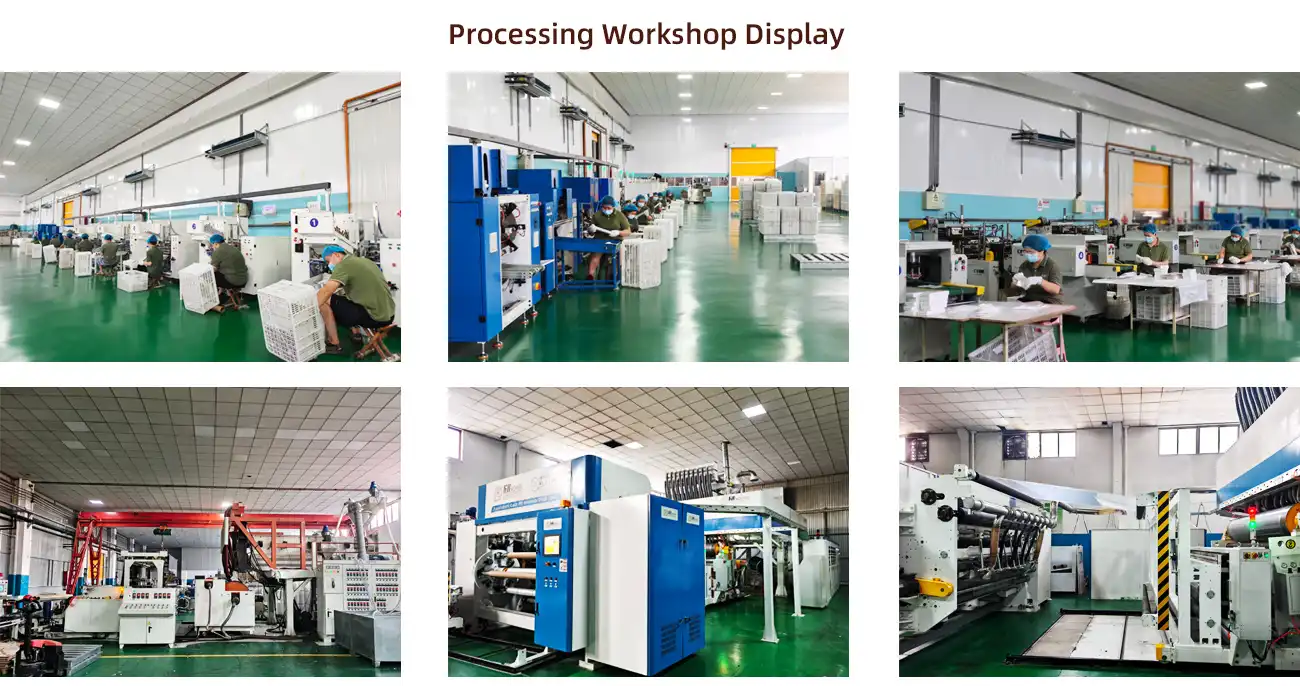
Shandong Honghe Plastics Co., Ltd. is a trusted seller of Break Point PVC Cling Wrap because they have a lot of experience with high-performance food contact films. We have been in business since 2017 and have state-of-the-art production facilities close to Qingdao port. Our products are certified by ISO, CE, and FDA, and we also follow BSCI and WCA guidelines to make sure they meet strict international standards. Our customization options let you choose the exact width between perforations, thickness, and package configurations that work best for your business. Our ready-to-ship inventory lets us complete orders quickly, and our 24-hour after-sales support is there to help with any questions that come up. Contact tony@sdhhsl.com to get free samples and talk about bulk price for your purchases. See for yourself how precision-engineered cling wrap technology helps top food service and industrial packaging businesses run more efficiently.
References
1. Smith, J. & Williams, K. (2021). Modern Food Packaging Materials: Performance Standards and Safety Testing. Food Technology Press.
2. Anderson, M. (2020). "Comparative Analysis of PVC and Polyethylene Films in Commercial Food Service Applications." Journal of Food Protection and Packaging, 15(3), 234-248.
3. Chen, L. & Roberts, D. (2022). Supply Chain Optimization in Food Service Industries. Industrial Management Publications.
4. Thompson, R. (2019). "Evolution of Cling Film Technology: From Continuous Rolls to Pre-Measured Formats." Packaging Innovation Quarterly, 8(2), 112-127.
5. Martinez, S. (2023). Food Contact Materials: Regulatory Compliance in Global Markets. International Food Safety Institute.
6. Johnson, P. & Lee, H. (2020). "Cost-Benefit Analysis of Automated Portioning Systems in High-Volume Catering Operations." Foodservice Equipment & Technology Review, 12(4), 67-81.